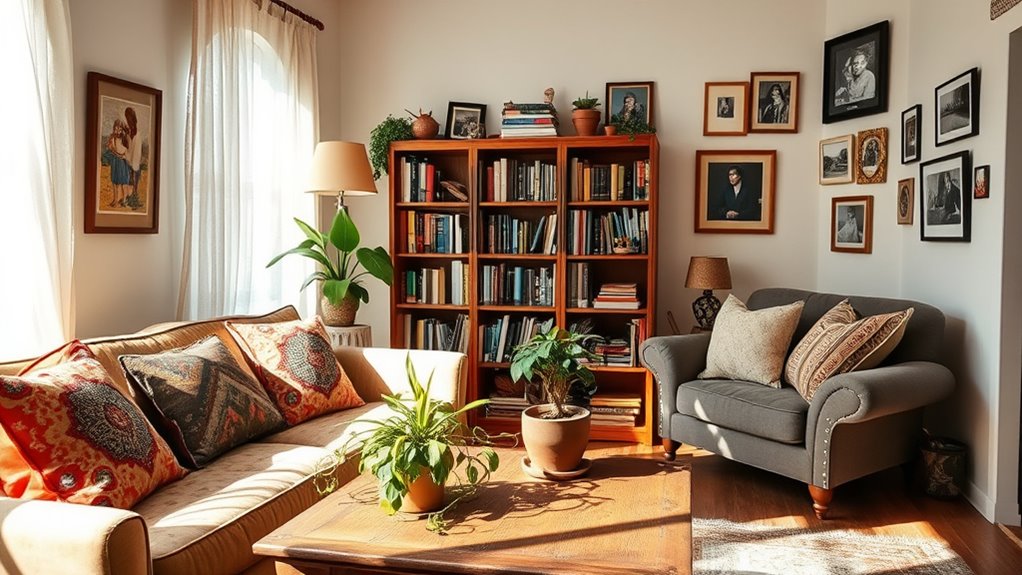

Personalized living spaces go beyond standard institutional designs by integrating adaptive architecture and sensory customization to reflect your unique needs and preferences. Movable walls, adjustable lighting, and personalized sensory elements like textures or aromas create environments that evolve with your lifestyle and mood. These flexible spaces foster comfort, emotional security, and connection, making your home a true reflection of you. Exploring these innovative approaches can help you craft a space that’s truly yours—learn more about how to transform your environment today.
Key Takeaways
- Adaptive architecture allows spaces to evolve with individual needs, moving beyond rigid, institutional layouts.
- Sensory environments enhance personalization by engaging multiple senses, promoting comfort and emotional well-being.
- Integrating smart technology enables automatic adjustments based on routines, creating dynamic, tailored living experiences.
- Customizable features like movable walls and adjustable lighting foster a sense of ownership and emotional connection.
- Designing for flexibility and sensory richness transforms homes into nurturing, personalized sanctuaries beyond traditional institutional spaces.
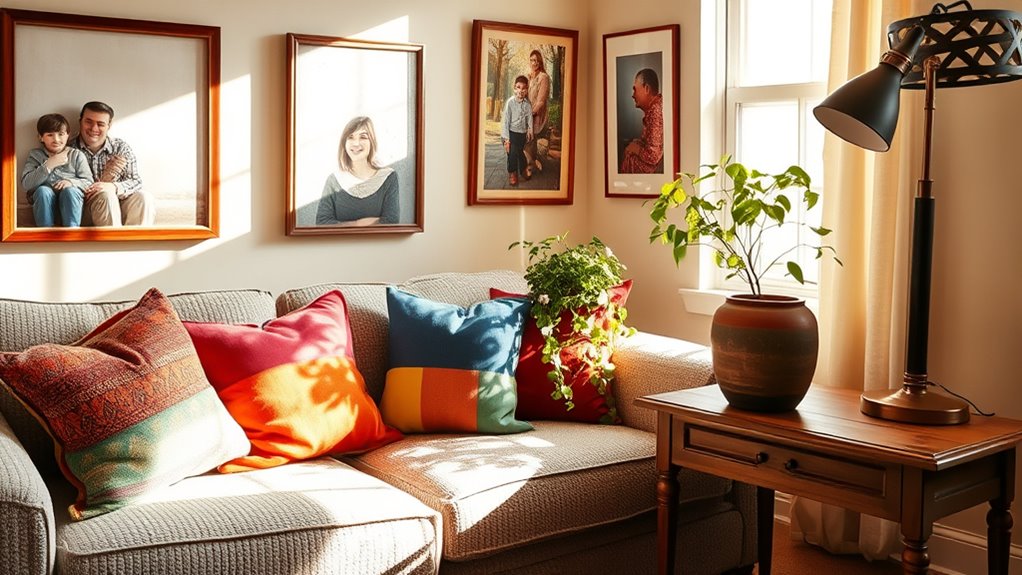
Have you ever wondered how to make your living space truly reflect your personality? One way to do this is by embracing adaptive architecture, which allows your environment to respond to your needs and preferences. Unlike traditional, static designs, adaptive architecture creates spaces that can change and evolve, giving you the flexibility to shape your surroundings as you see fit. For example, movable walls or adjustable lighting can turn a room into a workspace during the day and a cozy retreat at night. This approach guarantees your home isn’t just a static shell but a dynamic reflection of who you are.
Adaptive architecture transforms your space into a flexible reflection of your personality.
Incorporating sensory environments into your living space further enhances its personalization. Sensory environments focus on engaging your senses—sight, sound, touch, smell, and even taste—to craft an atmosphere that comforts and energizes you. Think about adding textured fabrics, aromatic candles, or calming soundscapes that align with your mood. When designed thoughtfully, sensory environments can transform your home into a sanctuary tailored to your emotional and physical well-being. For instance, if you find bright lights overwhelming, adaptive lighting systems can dim or adjust color temperatures to suit your preferences, creating a soothing ambiance.
By blending adaptive architecture with sensory environments, you make your living space more than just a place to sleep or store belongings. You create a personalized haven that adapts to your lifestyle, promotes well-being, and resonates with your identity. You might incorporate smart technology that learns your routines, adjusting temperature or lighting automatically, or you could design areas that encourage relaxation or productivity based on your current needs. The key is to think beyond mere aesthetics—consider how your environment can respond to and enhance your daily experiences.
This approach also encourages a deeper connection with your space. Instead of feeling confined by rigid design choices, you’re empowered to modify and refine your environment, making it uniquely yours. Whether it’s adjusting the layout to suit your hobbies or fine-tuning sensory elements to boost your mood, adaptive architecture and sensory environments give you tools to craft a living space that truly feels like home. Ultimately, personalizing your space goes beyond surface-level decoration; it’s about creating a living environment that supports and reflects your personality in every detail.
Furthermore, understanding emotional support strategies can help you develop a more meaningful connection with your environment, fostering a sense of safety and comfort as you personalize your space.
Frequently Asked Questions
How Can Technology Enhance Personalized Living Environments?
Technology can considerably enhance personalized living environments by integrating smart home automation, allowing you to control lighting, temperature, and security effortlessly. Virtual reality customization lets you design and experience your space before making changes, ensuring it fits your preferences perfectly. These tools create a tailored, comfortable atmosphere, making your home more functional and enjoyable. By embracing these innovations, you transform your living space into a truly personalized sanctuary.
What Are Sustainable Materials for Customized Home Design?
When choosing sustainable materials for customized home design, you should prioritize eco-friendly furnishings and recyclable materials. These options help reduce environmental impact while allowing you to personalize your space. Opt for reclaimed wood, bamboo, or recycled metal to create unique, durable features. By integrating these sustainable choices, you not only make your home more eco-conscious but also reflect your style and values in a meaningful way.
How Do Cultural Preferences Influence Personalized Space Planning?
You consider how cultural preferences shape your space planning by embracing cultural symbolism and traditional aesthetics. These elements influence your choices, from color schemes to furniture styles, creating a space that reflects your identity. You blend modern functionality with cultural significance, ensuring your environment honors heritage while serving daily needs. By integrating cultural symbolism and traditional aesthetics, you craft a personalized space that feels authentic, meaningful, and uniquely yours.
What Funding Options Exist for Personalized Home Modifications?
When seeking funding options for personalized home modifications, you can explore various grant programs designed to support home adaptations, especially for seniors or individuals with disabilities. Additionally, private investments, such as loans or crowdfunding, can help finance these changes. You should research local, state, or federal grants and consider private funding sources to make your space truly personalized, functional, and comfortable tailored to your specific needs.
How to Ensure Accessibility in Personalized Living Spaces?
Think of your home as a tailored suit; it needs to fit perfectly. To guarantee accessibility, incorporate adaptive furniture that adapts to your needs and promotes independence. Sensory integration, like calming lighting and textured surfaces, creates a comfortable environment. You can also add ramps and grab bars to enhance safety. By customizing these elements, you transform your space into a functional, inclusive haven that truly fits your lifestyle.
Conclusion
Your personalized living space is like a garden where your soul blooms freely, each detail a seed of your essence. When you design beyond institutional walls, you craft a sanctuary that reflects your true self—bright, unique, and alive. Let your space be the compass guiding you home, a beacon of comfort and identity amid the chaos. In this room, you find not just shelter but a mirror of your spirit, forever growing and evolving.