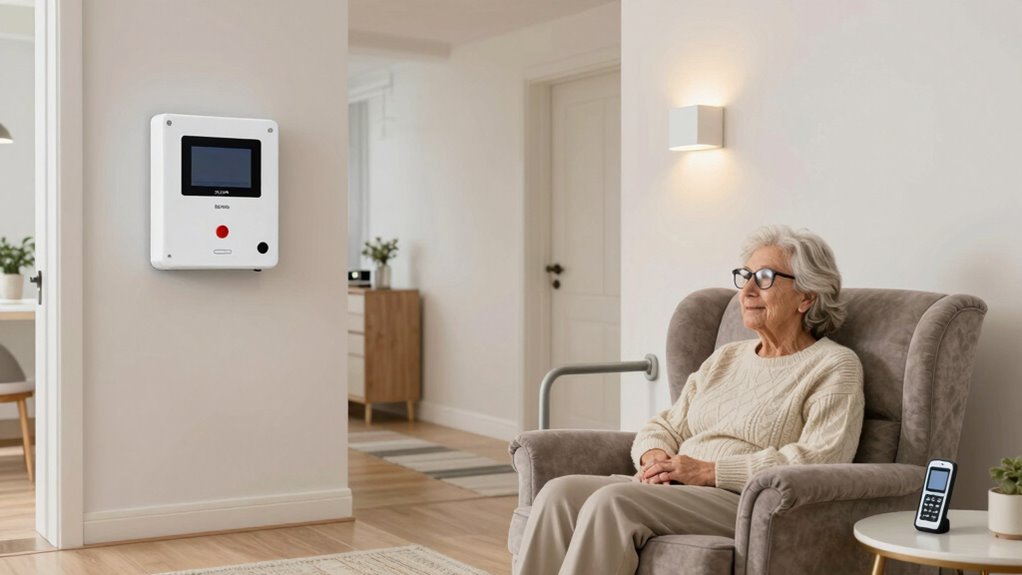
To keep older adults safe living alone, focus on home modifications like clear pathways, lever handles, and proper lighting. Use safety devices such as medical alert systems, motion detectors, and fall prevention tools. Technology like wearables and remote monitoring enhances safety and emergency responses. Regularly review safety measures, create emergency plans, and keep important contacts accessible. If you want practical tips to minimize risks and strengthen safety at home, there’s more to explore.
Listen free for 30 days with Audible
Thousands of audiobooks and originals — cancel anytime.
As an affiliate, we earn on qualifying purchases.
Key Takeaways
- Install safety modifications like grab bars, lever handles, and unobstructed pathways to prevent falls and improve accessibility.
- Use personal alarms, medical alert devices, and monitoring technology for immediate emergency assistance.
- Ensure proper lighting and clear walkways to reduce trip hazards during daily routines and at night.
- Develop and regularly practice emergency plans, including accessible contact lists and community support.
- Encourage regular home safety assessments and smart automation to enhance security and independence.
As an affiliate, we earn on qualifying purchases.
How Home Modifications Keep Seniors Safe at Home
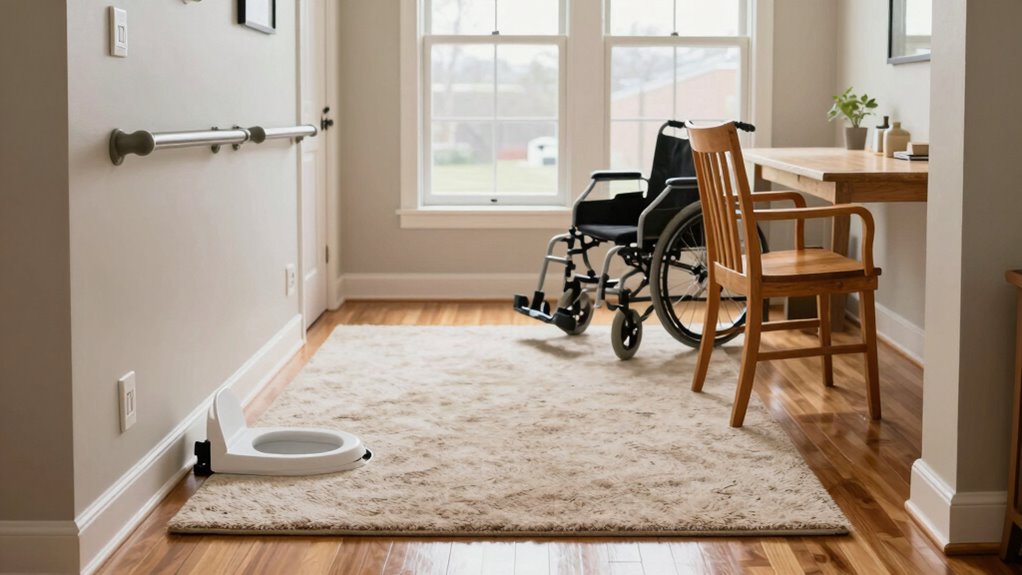
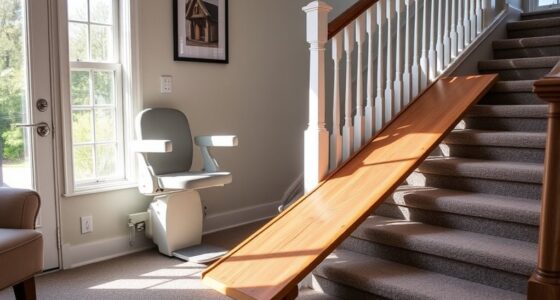
Making simple home modifications can considerably reduce the risk of falls and injuries for seniors living alone. You can improve safety by creating clear, clutter-free pathways and installing grab bars in bathrooms. These adjustments help prevent falls and support independence. Additionally, managing medication properly is essential—consider medication organizers or reminders to avoid missed doses or accidental overdose. Social engagement also plays a role in overall safety; staying connected with friends or community groups reduces feelings of isolation, which can impact mental and physical health. Regular social interactions encourage seniors to stay alert and mindful of their environment. Utilizing airless paint spraying tips or similar safety gear when making home modifications can further reduce injury risk during DIY projects. Incorporating home safety products from trusted providers ensures reliable and effective safety enhancements. Proper indoor air quality management, including ventilation and air purification, can also promote better health and reduce respiratory risks for seniors. Improving natural lighting options can enhance visibility indoors and help prevent accidents. Being aware of environmental hazards and how to mitigate them is crucial for maintaining a safe living space. By combining thoughtful home modifications with effective medication management and social engagement, you create a safer, more supportive living space that promotes confidence and well-being.
Must-Have Safety Devices for Seniors Living Alone
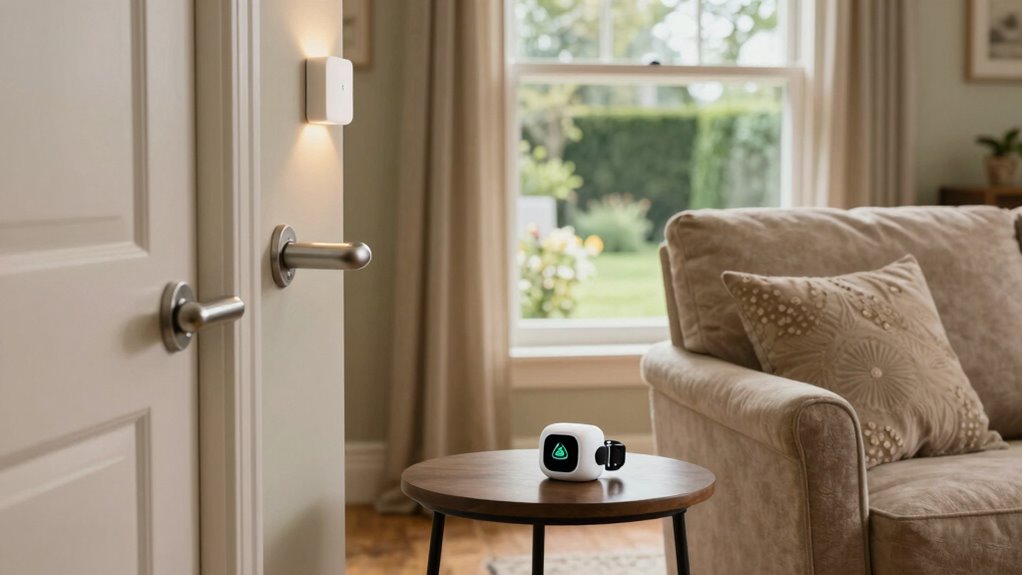
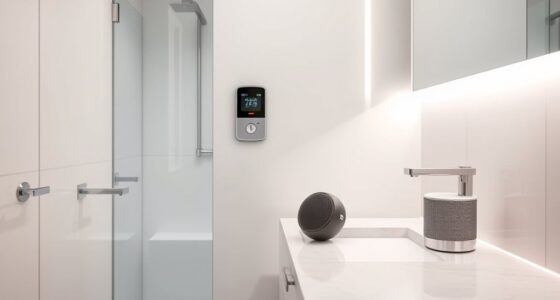
To guarantee safety beyond home modifications, having the right devices can make a significant difference for seniors living alone. Personal alarms are essential—they enable you to quickly call for help in an emergency, whether it’s a fall or sudden illness. Wearing a personal alarm provides peace of mind, knowing assistance is just a button away. Medication reminders are equally important; they help you stay on schedule with your prescriptions, preventing missed doses or accidental overdoses. These reminders can come in the form of electronic alerts or simple pill organizers with timers. Additionally, medical alert wearables with GPS capabilities can help locate seniors quickly if they become lost or disoriented. For added safety, understanding the different cookie categories that track user interactions can help ensure your privacy preferences are respected when using safety-related apps or devices. Incorporating personal safety technology can further enhance your security and enable more confident independence. It’s also beneficial to be aware of narcissistic manipulation tactics, as they can sometimes be present in interactions with caregivers or acquaintances, impacting your safety and well-being. Recognizing signs of device malfunction is crucial for maintaining reliable safety measures, ensuring that your safety devices are always functioning correctly. Together, personal alarms and medication reminders create a safety net that supports your independence and well-being, ensuring you’re protected and confident as you manage daily living on your own.
How Technology Enhances Safety for Seniors

Have you ever wondered how technology can keep seniors safer and more independent? Wearable technology, like smartwatches or pendants, continuously tracks essential signs and detects falls, alerting you or caregivers instantly if something’s wrong. Remote monitoring systems allow loved ones or monitoring services to keep an eye on your daily activities without being intrusive. These devices can notify caregivers if you forget to take medication or if unusual movement occurs. With real-time data and alerts, you gain peace of mind knowing help can arrive quickly when needed. Technology enhances safety by providing immediate responses to emergencies and promoting independence. It’s a proactive way to stay connected, monitor health, and ensure safety, all while maintaining your autonomy at home. Smart pool automation systems, for example, can also be programmed with safety features like automatic shut-offs to prevent accidents around the pool area, further supporting independent living.
Creating Emergency Plans for Seniors Living Alone
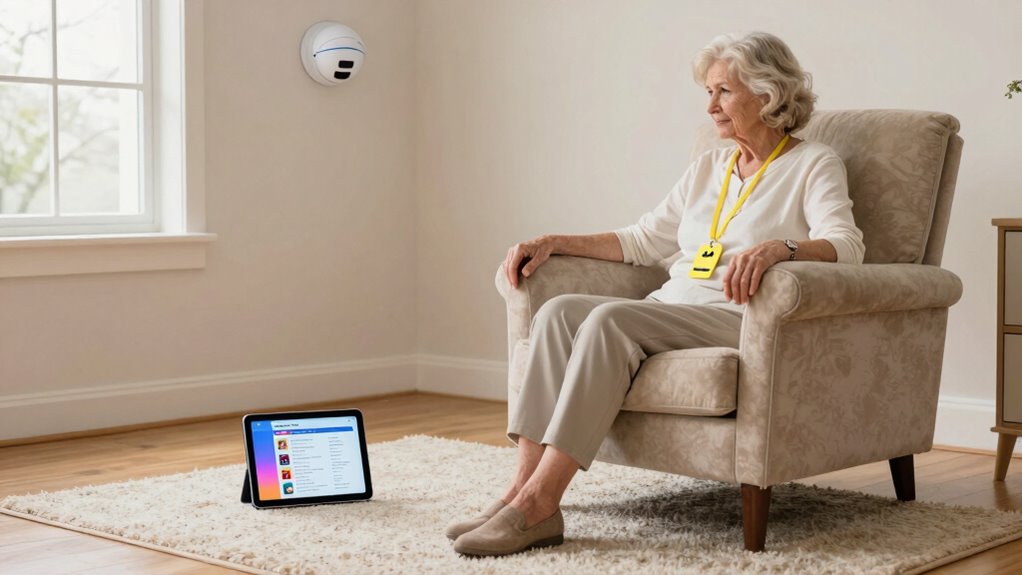
When you’re living alone, it’s essential to prepare an emergency plan that can help you act quickly and effectively during unexpected situations. Start by creating a list of emergency contacts, including family, friends, and local services. Make sure this list is easily accessible, like on your fridge or smartphone. Keep your medical history, including allergies, medications, and chronic conditions, updated and ready to share with emergency responders. Consider informing a trusted neighbor or friend about your plan so they can assist if needed. Practice your emergency procedure regularly, so you know exactly what to do. Having a clear, well-organized plan guarantees you’re prepared, reduces confusion, and helps you stay safe during emergencies. Additionally, storing important household safety tips can help prevent accidents before they happen. Being aware of community resources can also provide additional support if an emergency occurs. Staying informed about personal safety strategies can further enhance your preparedness and confidence in managing unexpected events. Remember, understanding emergency communication methods can make a significant difference in receiving timely help and can be reinforced by knowing how to use medical alert systems effectively.
Practical Tips to Prevent Falls and Accidents at Home

Creating an emergency plan is an essential step in ensuring safety, but preventing accidents before they happen is equally important. To reduce falls and accidents, keep walkways clear and well-lit. Use handrails on stairs and grab bars in bathrooms. Regularly review your medication management to avoid side effects like dizziness. Keep emergency preparedness supplies nearby, such as a flashlight and a phone. Consider wearing non-slip shoes and removing loose rugs that can cause tripping. Stay aware of your surroundings and avoid rushing. Incorporating proper footwear can further enhance safety by providing better grip and stability. Additionally, understanding home safety modifications can help identify specific improvements tailored to your living space. Being aware of solar safety measures can also prevent potential hazards related to home solar systems, especially in emergency situations. Staying informed about electric bike safety tips can also be beneficial if you use personal mobility devices that require attention to safety standards. Moreover, familiarizing yourself with zodiac traits and personal tendencies can help you recognize behaviors that might impact your safety, such as impulsiveness or forgetfulness.
Making Sure Your Home Is Easy and Safe to Access
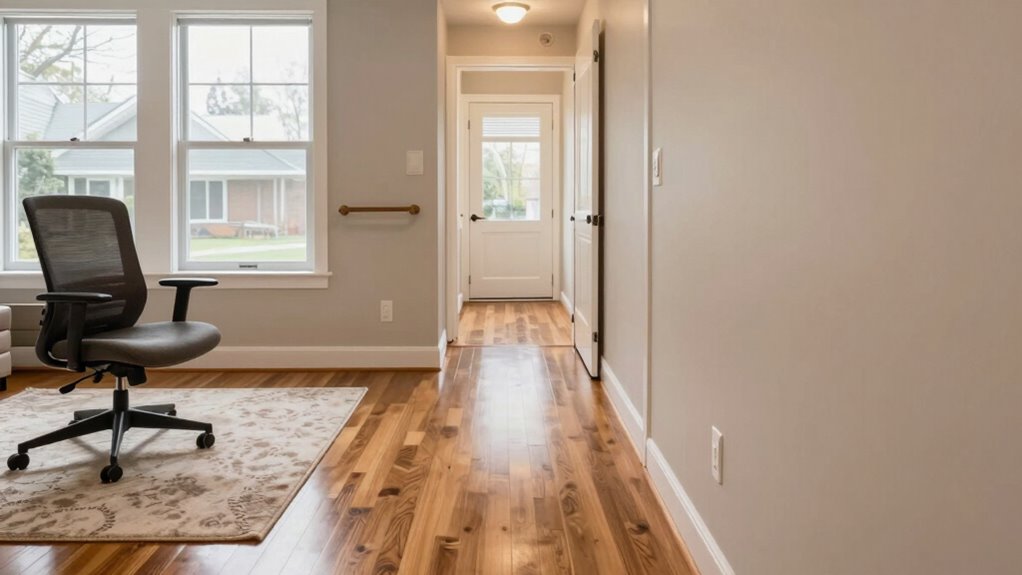
To make your home easier and safer to access, ensure pathways and walkways are clear of clutter and obstacles. You should also check that doors are easy to open and handles are within reach. These simple adjustments can greatly reduce the risk of falls and make daily routines smoother. Additionally, consider evaluating nanotech fabrication challenges to understand innovative solutions that could improve home safety features. Staying informed about ethical considerations in technological advancements can help you make safer choices when adopting new safety devices. Incorporating innovative safety materials can further enhance the durability and effectiveness of home safety modifications. Exploring smart automation technology can also provide additional layers of security and convenience for older adults living alone.
Clear Pathways and Walkways
Have you ever considered how easily you can move around your home? Ensuring your pathways are clear is essential for safety. Keep walkways unobstructed by removing clutter, cords, or furniture that could trip you. Well-maintained, even surfaces prevent falls and make navigation smoother. To visualize, consider this simple plan:
| Area | Tip |
|---|---|
| Hallways | Keep free of objects and cords |
| Doorways | Clear of rugs or obstacles |
| Living rooms | Arrange furniture to allow easy movement |
| Kitchen | Store items to prevent reaching or bending hazards |
| Bathroom | Remove loose rugs or mats |
Prioritize clear pathways to reduce fall risks and make daily movement safer and easier.
Easy Door and Handle Access
Ensuring easy access to doors and handles is key to maintaining safety and independence at home. Focus on door handle ergonomics by choosing lever-style handles, which are easier to grasp and operate than knobs. This reduces strain and helps prevent accidents. Proper entryway lighting is also essential; well-lit doorways make it easier to see handles and locks, especially at night. Consider installing motion-activated lights or brighter bulbs to eliminate shadows and improve visibility. Keep pathways clear of obstructions to prevent tripping. Regularly check that locks and handles work smoothly, and maintain good lighting to make entry and exit safe and straightforward. These simple adjustments can markedly enhance your safety and ease of access around your home.
How Family and Caregivers Can Support Safety Planning
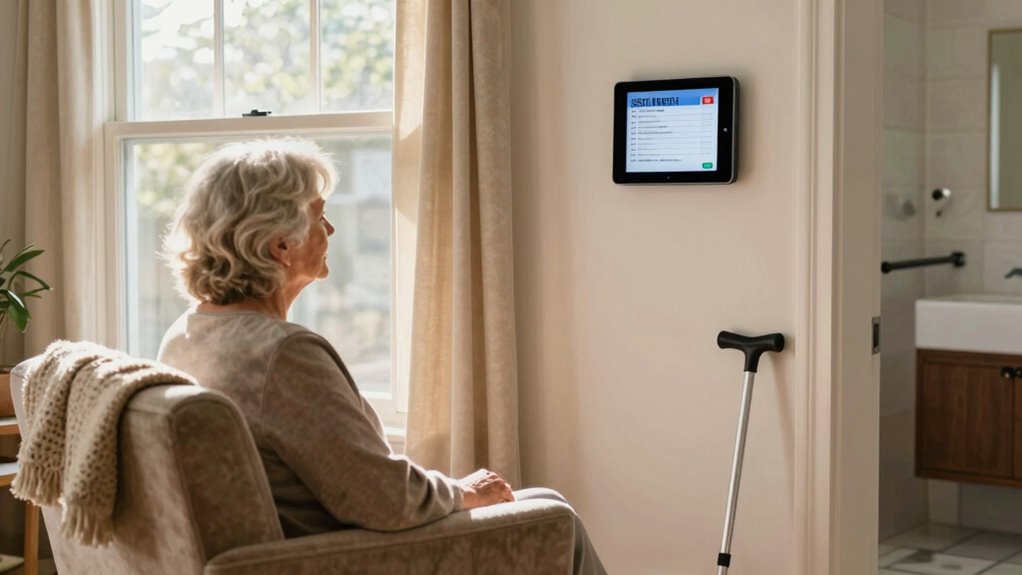
Family members and caregivers play a crucial role in supporting safety planning for older adults living alone. You can start by maintaining open family communication, encouraging your loved one to share concerns and preferences. Regular conversations help identify potential hazards and address them proactively. Caregiver training is also essential; learning how to assist with medication management, emergency protocols, and home modifications ensures you’re prepared to respond effectively. Offer assistance without taking over, fostering independence while enhancing safety. Encourage your loved one to create an emergency plan and keep important contacts accessible. Your involvement helps build a supportive environment where safety measures are understood and respected, empowering your loved one to live confidently and securely on their own.
Frequently Asked Questions
How Often Should Safety Assessments Be Conducted in a Senior’s Home?
You should conduct safety assessments in a senior’s home at least once a year, or more often if their health changes. Regular checks help improve emergency preparedness and fall prevention strategies. During these assessments, guarantee emergency exits are accessible, hazards are removed, and safety devices are working properly. Frequent assessments allow you to address new risks promptly, keeping your loved one safe and secure in their home.
Are There Affordable Safety Devices Suitable for All Income Levels?
Imagine a senior, Sarah, who uses affordable gadgets like fall detectors and door alarms. These cost-effective safety devices suit all income levels, providing essential protection without breaking the bank. Affordable gadgets, combined with income solutions like community programs or sliding-scale services, make safety accessible for everyone living alone. You can find budget-friendly options online or through local organizations, ensuring your loved ones stay safe without financial stress.
What Are Common Technological Barriers for Older Adults?
You might face common technological barriers like limited digital literacy, making it hard to operate assistive technology effectively. Many older adults struggle with understanding new devices or platforms, which can hinder their safety and independence. To overcome this, you should seek user-friendly assistive technology and consider ongoing training or support to build confidence. Improving digital literacy helps you stay connected, safe, and empowered while living alone.
How Can Seniors Be Encouraged to Participate in Safety Planning?
You can encourage seniors to participate in safety planning by fostering community engagement and involving their family members. Talk openly about their concerns, and highlight the benefits of safety measures. Invite them to community safety events or workshops, and encourage family members to support and assist in creating personalized safety plans. When they feel supported and involved, seniors are more likely to take an active role in ensuring their safety.
What Legal Considerations Exist for Home Modifications?
Your home modifications must meet strict legal compliance to avoid huge liability concerns. Ignoring permits or building codes can lead to massive fines or legal trouble. You need to guarantee that all changes adhere to local laws, safety standards, and accessibility regulations. Failing to do so could result in serious legal repercussions if an accident occurs. Always consult professionals and get proper approvals to protect yourself and your loved ones legally.
Conclusion
Ensuring your safety at home is vital, especially since nearly 30% of seniors aged 65 and older experience a fall each year. By making thoughtful modifications, using essential safety devices, and staying connected with family and caregivers, you can greatly reduce risks. Remember, creating a solid emergency plan and keeping your home accessible empowers you to live confidently and independently. Take proactive steps today—you’re worth it!
Fall Picks
fall essentials
As an affiliate, we earn on qualifying purchases.