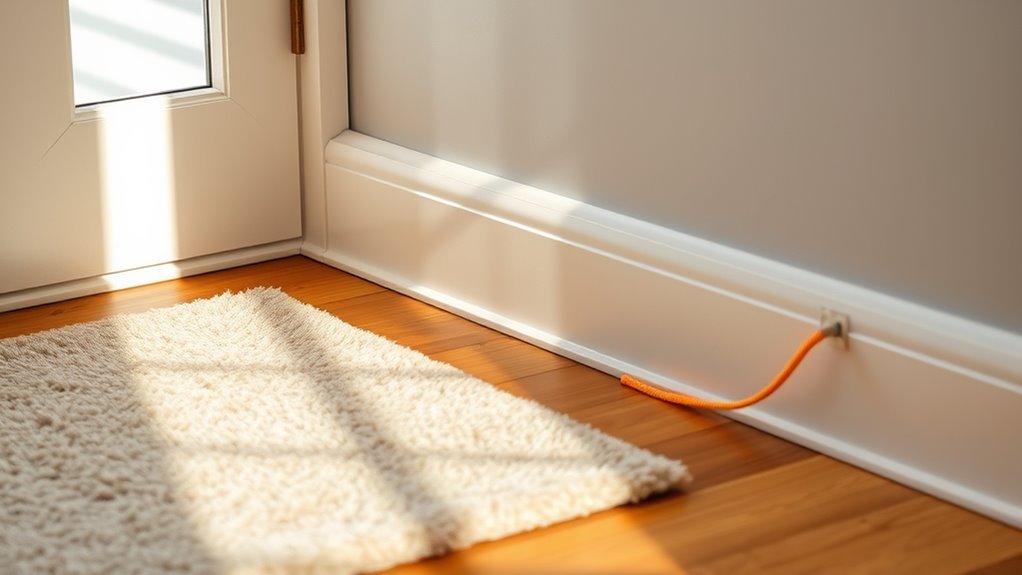
To keep your pathways safe, secure cords with clips or covers to prevent tripping, and avoid running them across walkways. Place rugs flat with non-slip backing or secure edges with tape or pads, especially in high-traffic areas. Highlight threshold edges with bright colors or markings and install ramps at doorways for smooth progressions. Regularly inspect all elements for wear or hazards. Stay attentive—more tips can help you create a safer home environment.

Turn quiet afternoons into listening time
- Thousands of audiobooks, podcasts and originals
- Listen on your phone, tablet or Echo — also offline
- Cancel anytime
Key Takeaways
- Secure cords with clips or covers and keep walkways clear of tripping hazards.
- Use non-slip rugs and secure edges with pads or tape to prevent curling and slipping.
- Install threshold ramps at doorways for smooth transitions and reduced trip risks.
- Highlight thresholds with bright markings or contrasting colors to improve visibility.
- Regularly inspect and maintain rugs, cords, and thresholds for wear, damage, and secure placement.
cord clips and covers for home safety
As an affiliate, we earn on qualifying purchases.
As an affiliate, we earn on qualifying purchases.
Securing and Managing Cords to Prevent Tripping
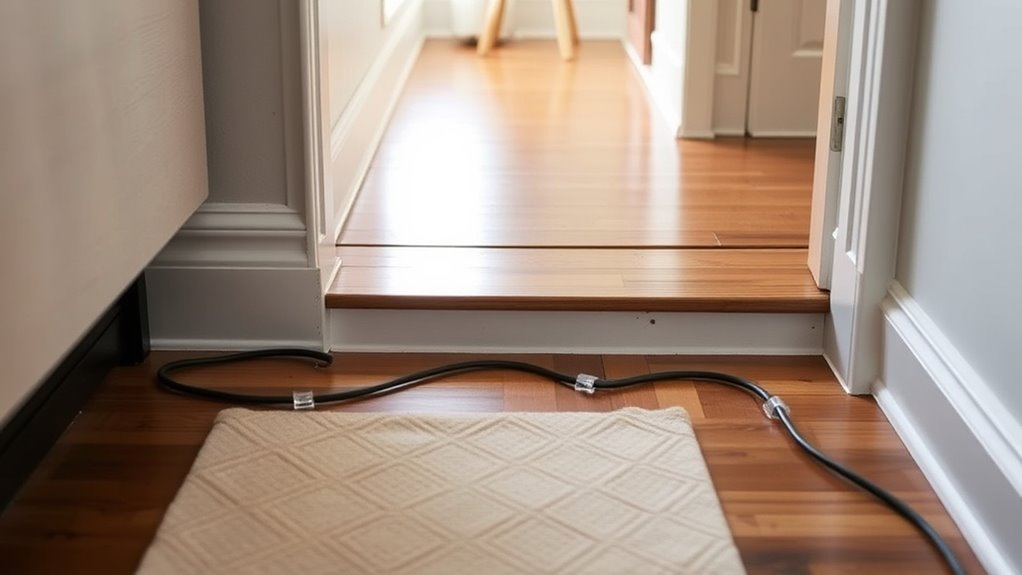
To prevent trips and falls, it’s essential to properly secure and manage cords around your home or workplace. Effective cord management reduces clutter and keeps pathways clear, directly supporting trip hazard prevention. Use cable clips, cord covers, or zip ties to secure loose cords along walls or under furniture. Avoid running cords across walkways, especially in high-traffic areas. When cords must cross a path, use flat, low-profile covers to minimize the risk of tripping. Regularly inspect cords for damage or fraying, replacing or repairing them promptly. Additionally, consider using portable power sources like power banks to reduce the need for multiple cords and minimize clutter. By organizing and securing cords thoughtfully, you create a safer environment that minimizes trip hazards and enhances overall safety. Proper cord management isn’t just about neatness — it’s a vital step in preventing accidents.
Choosing and Placing Rugs Safely
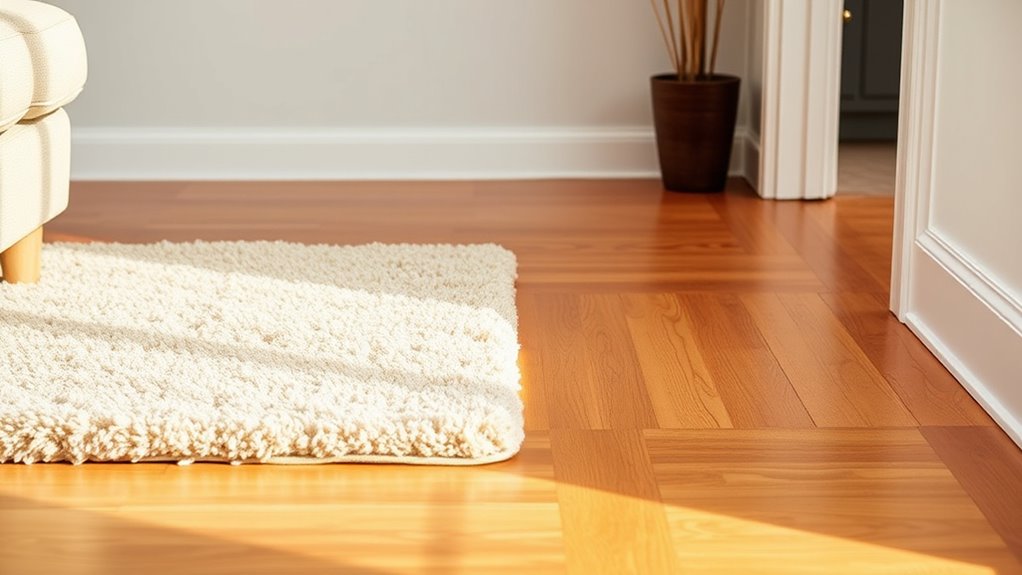
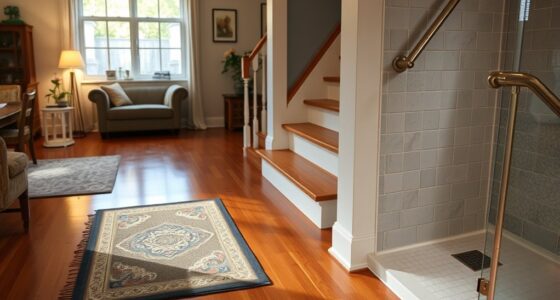
When choosing and placing rugs, make sure they are positioned properly to prevent slipping. Secure the edges with non-slip pads or double-sided tape to keep them in place. Proper placement reduces tripping hazards and keeps pathways safe for everyone. Additionally, consider the horsepower of electric dirt bikes when selecting outdoor rugs, as higher horsepower bikes often require more spacious and unobstructed pathways for safe riding.
Proper Rug Placement Techniques
Choosing the right rug and placing it correctly are essential steps to guarantee safety and prevent accidents. When selecting a rug, consider decorative rug ideas that complement your space while ensuring it’s non-slip or has a non-slip pad underneath. Proper rug material selection is also vital; opt for durable, easy-to-clean fabrics that won’t slide easily. Place your rug flat on the floor, ensuring it lies smoothly without wrinkles or folds, which can cause tripping. Position rugs so they don’t extend into walkways or block doorways, reducing trip hazards. Use appropriate rug pads to secure the rug in place and prevent shifting. Additionally, employing high-quality equipment for safety can help monitor and maintain secure rug placement over time. By thoughtfully choosing and correctly positioning your rugs, you create safe, stylish pathways that minimize the risk of falls.
Securing Rug Edges
Securing the edges of your rug is essential for maintaining safety and preventing slips or trips. Fringe edges can curl up, creating tripping hazards, so straighten or fasten them. Use securing tape to hold down all edges firmly, especially in high-traffic areas. For added safety, consider double-sided tape or rug anchors to prevent movement. Regularly check that the edges stay flat and secure, replacing tape as needed. Avoid loose corners or curled edges that can catch your foot. Properly secured edges keep your rug stable and your pathway safe. Additionally, rug stability can be improved by placing non-slip pads underneath the entire rug. Properly secured edges and a stable base keep your rug in place, minimizing accidents and making your space more comfortable. Remember, a well-secured rug minimizes accidents and makes your space more comfortable. Stay vigilant and maintain your rug’s edges to ensure continuous safety.
Using Non-Slip Backing for Rugs and Mats

To prevent slips and falls, using non-slip backing on rugs and mats is crucial. Non-slip backing provides grip, keeping your rugs securely in place on various surfaces, which is essential for rug safety. When selecting rugs or mats, look for those with built-in non-slip backing or add adhesive pads underneath. This simple step reduces the risk of movement that can cause tripping hazards. Regularly check the backing to ensure it stays effective, especially in high-traffic areas or places prone to moisture. Additionally, choosing sulfate-free options can help maintain rug fibers and backing integrity over time. By prioritizing non-slip backing, you create a safer environment, minimizing accidents caused by shifting rugs. Implementing this measure is a quick and effective way to enhance overall safety and maintain a stable, secure walking surface in your home or workspace.
Highlighting and Marking Thresholds for Visibility

Using bright colors for thresholds makes them easier to see, especially in low light or tricky conditions. You should also consider where you place these markings to guarantee they catch attention at key points. Together, color choice and placement can considerably improve safety along your pathway. Incorporating visual cues like contrasting colors not only enhances visibility but also helps prevent accidents in cluttered or dimly lit areas.
Bright Colors Enhance Visibility
Bright colors play a crucial role in making pathways more visible, especially in challenging lighting conditions or crowded environments. They create strong color contrast, making it easier for you to spot potential hazards quickly. Using bright hues as visual cues helps your eyes focus on important junctures or thresholds, reducing the risk of trips and falls. When selecting colors, consider high-contrast combinations like yellow against dark flooring or red over neutral backgrounds. Bright colors also draw attention to cords, rugs, and steps, ensuring they’re noticed before causing accidents. Consistent use of vibrant shades guides you naturally along safe routes, even when your environment is cluttered or poorly lit. Ultimately, bright colors serve as effective, simple tools to enhance overall pathway visibility and safety. Incorporating visual contrast techniques can further improve detection and safety.
Strategic Placement Matters
Strategic placement of markings and highlights considerably enhances pathway safety by drawing attention to critical areas like thresholds and entrances. To achieve this, focus on cord organization, ensuring cords are neatly tucked away or secured to prevent tripping hazards. Proper furniture arrangement also plays a key role; position furniture to keep walkways clear and visually define pathways. Use contrasting tape or color-coded markings at thresholds and entry points to make these areas more visible, especially in low light. Highlighting these zones guides everyone safely through your space and reduces accidents. Remember, well-organized cords and thoughtfully arranged furniture not only look tidy but also create safer, more navigable pathways. Effective placement of visual cues, such as tire pressure for gravel bikes, ensures your home or office becomes a safer environment for everyone.
Maintaining Clear Walkways Throughout Your Home

Keeping walkways clear is essential for safety and easy movement throughout your home. Proper furniture arrangement helps prevent clutter and obstructions, making paths more open. Regularly check that rugs are secured to avoid tripping hazards. Enhance lighting in hallways and staircases so you can see potential obstacles clearly. Keep cords tucked away or routed along walls to prevent accidental trips. Clear walkways reduce the risk of falls and make your home more accessible. With thoughtful furniture placement, improved lighting, and mindful cord management, you create a safe environment for everyone. Prioritize these simple steps daily to maintain unobstructed pathways and ensure safe, smooth navigation throughout your living space. Using performance cookies can help monitor and improve the effectiveness of these safety measures.
Installing Threshold Ramps for Seamless Transitions
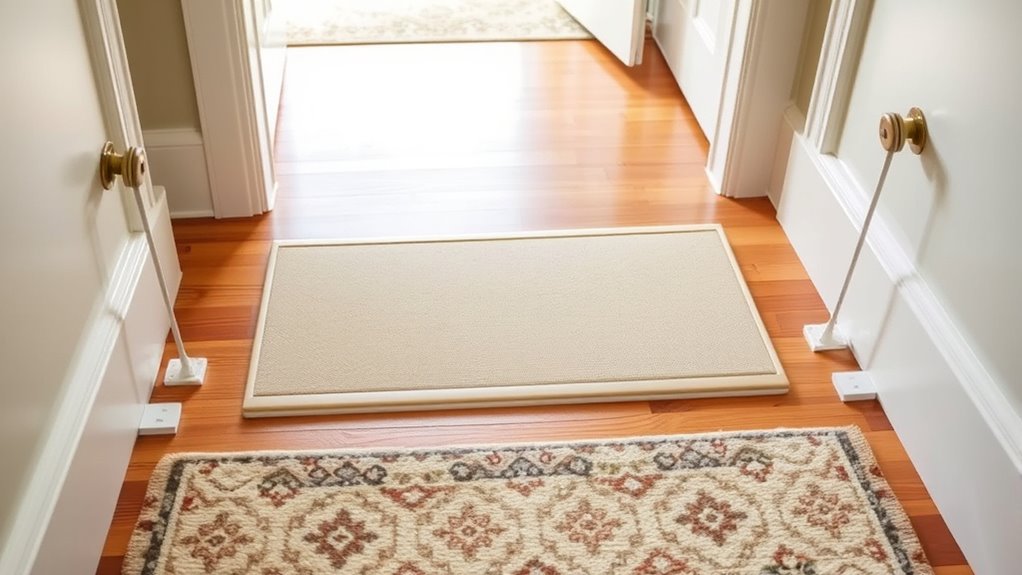
Installing threshold ramps can markedly improve accessibility by providing smooth passage over doorways and step edges. Proper threshold ramp installation ensures a seamless transition between different flooring surfaces, reducing trip hazards. These ramps are especially beneficial for wheelchair users, those with mobility aids, or anyone traversing uneven thresholds. When installed correctly, threshold ramps offer seamless transition benefits, making your home safer and more inclusive. Keep in mind the right height, angle, and material for your needs. Here’s a quick overview:
| Aspect | Details | Benefits |
|---|---|---|
| Ramp Height | Match doorway height | Prevents tripping |
| Material | Non-slip, durable options | Safety in all conditions |
| Installation Location | Doorways, step edges | Smooth passage |
| Installation Method | Secure anchoring | Stability and safety |
| Maintenance | Regular checks | Long-lasting performance |
Proper threshold ramp installation enhances safety and independence. Choosing the right material can significantly impact the durability and safety of your ramp, especially in varying weather conditions.
Regularly Inspecting Household Elements for Hazards
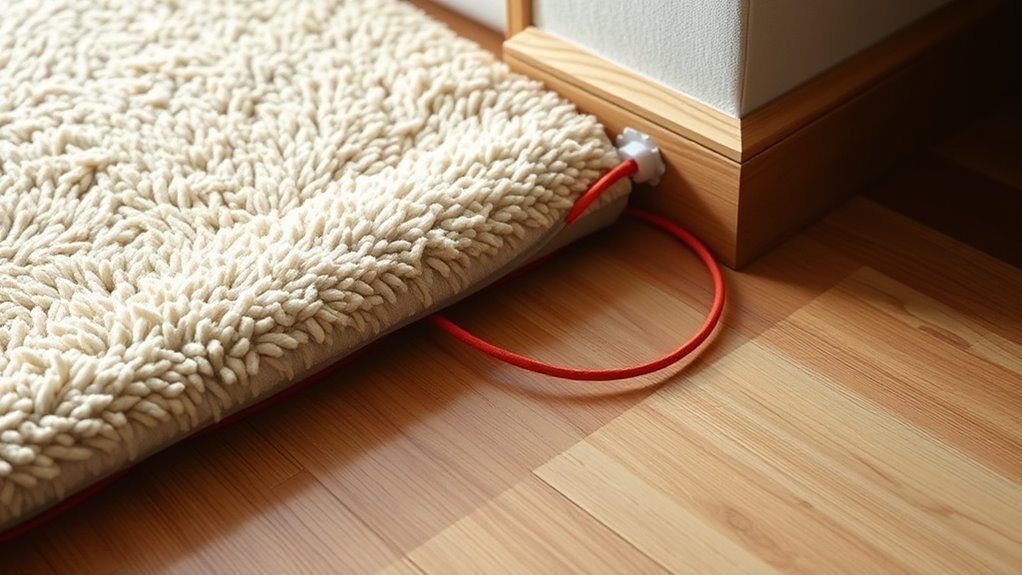
Regularly inspecting household elements is vital for maintaining a safe environment, as hazards can develop unnoticed over time. Small changes in home decor or worn-out rugs can create tripping risks or hide dangerous cords. Staying vigilant helps you spot issues early and address them before accidents happen. When inspecting, consider both safety and aesthetic considerations—keeping your space beautiful while safe.
Regular home inspections prevent hazards, keeping your space safe and beautiful over time.
- Check rugs and carpets for loose edges or tears
- Ensure cords are secured and out of walkways
- Look for worn or frayed furniture edges
- Verify thresholds and transitions are smooth and secure
Tips for Educating Family Members About Safety Practices
Educating family members about safety practices is essential for creating a secure home environment. Start by explaining the importance of knowing fire escape routes and practicing evacuation drills together. Make sure everyone understands how to quickly locate emergency exit signage in different areas of your home. Encourage family members to identify two or more ways out of each room, especially bedrooms and the kitchen. Reinforce the importance of staying calm during emergencies and checking that pathways are clear of cords, rugs, or clutter. Use simple, clear language and involve everyone in safety exercises. Regularly review safety plans and update them as needed. By ensuring your family recognizes fire escape routes and understands emergency exit signage, you’ll boost everyone’s confidence and preparedness in real emergencies.
Frequently Asked Questions
How Can I Hide Cords to Improve Home Aesthetics and Safety?
You can hide cords with simple aesthetic solutions like cord concealment sleeves or decorative covers that blend seamlessly with your decor. Use wall-mounted channels or adhesive clips to keep cords along walls and out of sight, reducing tripping hazards. Investing in furniture with built-in cord management or running cords behind furniture also helps maintain a clean, safe look. These tips improve both your home’s safety and overall aesthetic appeal.
What Are the Best Materials for Slip-Resistant Rugs?
You should choose rugs made from materials like wool, nylon, or polypropylene for maximum slip resistance. Wool naturally provides good grip, while nylon and polypropylene often come with non-slip backings or treatments. Look for rugs with textured surfaces or added rubber or latex backing, as these enhance slip resistance. By selecting the right material, you guarantee your rug stays securely in place, making your home safer and more stylish.
How Often Should Thresholds Be Inspected for Safety Issues?
Like a watchful guardian, you should inspect thresholds at least quarterly to make certain safety. Regular threshold maintenance helps prevent hazards from wear, damage, or shifting. During safety inspections, check for loose or uneven edges, worn surfaces, or any signs of deterioration. Address issues promptly to maintain secure, slip-resistant pathways. This routine keeps your space safe, much like a steady lighthouse guiding the way through potential hazards.
Are There Specific Colors That Enhance Visibility of Hazards?
Yes, using colors with high contrast enhances hazard visibility. Bright yellow, orange, or red stand out against neutral backgrounds, making potential hazards like cords or uneven thresholds more noticeable. When you choose colors with strong contrast, you help alert people to dangers quickly, reducing trips and falls. Regularly inspecting and updating these color cues guarantees hazards stay visible, creating safer pathways for everyone.
How Can I Train Children to Recognize Home Safety Hazards Effectively?
Get your children involved early, and you’ll kill two birds with one stone. Use simple, clear language to explain home safety hazards, emphasizing hazard awareness. Show them real examples like cords, rugs, and thresholds, and create fun activities to spot dangers around the house. Reinforce lessons with consistent reminders, and praise their efforts. This hands-on approach helps children understand child safety better and develop a keen eye for hazards.
Conclusion
By taking these simple, proactive steps, you can create a safer home environment. Think it’s too much effort? The peace of mind knowing your loved ones are protected makes it worth it. Regularly inspecting and adjusting your space shows you care and helps prevent accidents before they happen. Safety isn’t just about reacting to hazards; it’s about thoughtfully planning to keep everyone secure and comfortable every day.
Fall Picks
fall essentials
As an affiliate, we earn on qualifying purchases.