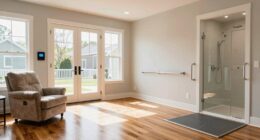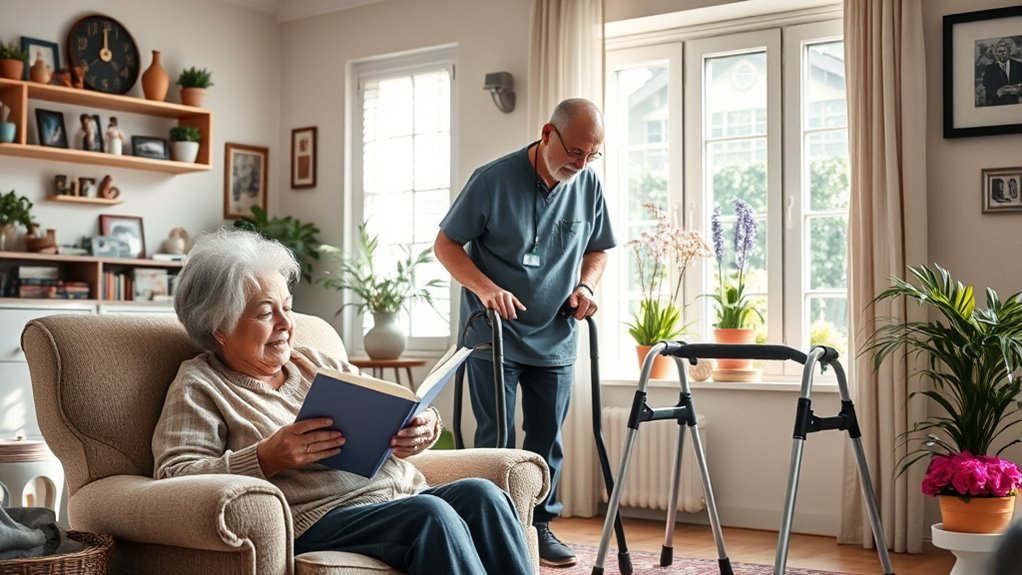

When choosing between aging in place and assisted living, you should consider your safety, independence, social needs, and budget. Evaluate your home for safety hazards, accessibility, and support services that fit your lifestyle. Think about social connections and emotional well-being, along with how much help you require daily. Weigh the costs and personal preferences. Exploring these aspects thoroughly will help you make the best choice to stay healthy and fulfilled—more details ahead can guide you.
Key Takeaways
- Evaluate home safety, accessibility modifications, and support services to determine if aging in place is feasible and safe.
- Consider social engagement opportunities and emotional well-being in both environments to maintain mental health.
- Analyze financial costs, including home modifications or assisted living fees, for long-term affordability.
- Assess personal preferences, independence levels, and safety needs to choose the most suitable living arrangement.
- Review the flexibility of care options and community resources to support evolving health and social needs.

TAILI Grab Bars for Bathtubs and Showers 2 Pack Suction Grab Bar, Heavy Duty Shower Handle Removable Bath Handrails for Seniors and Elderly, Bathroom Safety Grip No Drilling Waterproof,Grey
Matters need Attention: Only suitable for tiles measuring 4×4 inches or larger. For the safety of the seniors…
As an affiliate, we earn on qualifying purchases.
As an affiliate, we earn on qualifying purchases.
Assessing Health and Safety Needs
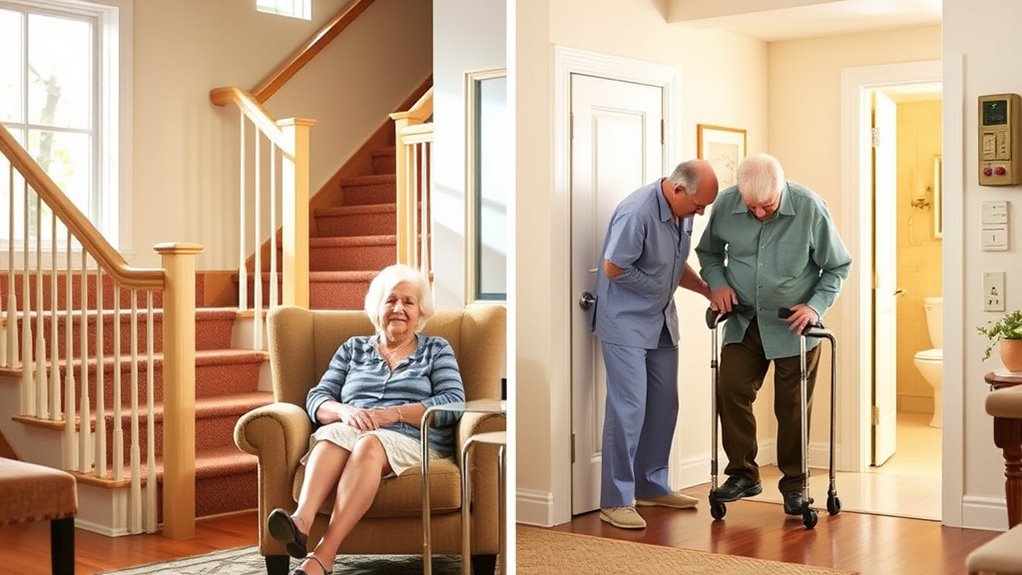
How do you determine if aging in place is safe and suitable? Start by evaluating your home safety. Are there hazards like loose rugs, poor lighting, or uneven floors? Address these issues to prevent falls and injuries. Emergency preparedness is also vital—ensure easy access to exits, smoke detectors work, and you have a plan for emergencies. Check if your home can accommodate mobility aids, such as grab bars or stairlifts, if needed. Consider whether your current environment supports your health and safety needs. If hazards are manageable and safety measures are in place, aging in place could be a good option. Additionally, ensuring proper home safety standards and compliance with safety regulations is crucial for maintaining a secure environment. However, if risks are too high or safety cannot be maintained, exploring other living arrangements might be the better choice.
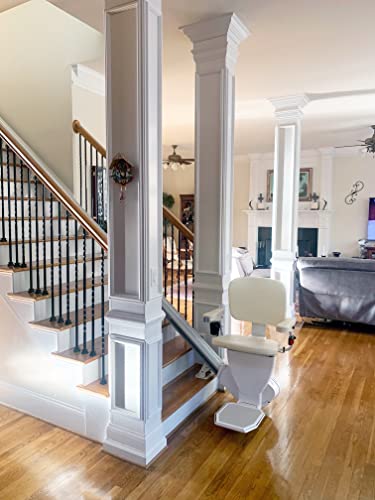
AmeriGlide Rave 2 Stair Lift | Self Installable | 350 lb Capacity
Battery Powered
As an affiliate, we earn on qualifying purchases.
As an affiliate, we earn on qualifying purchases.
Evaluating Personal Independence and Daily Activities

To establish if you can comfortably manage daily routines, you need to assess how well you perform tasks like cooking, cleaning, and personal care. Recognizing when you require assistance helps you decide whether to stay at home or consider support options. Regularly evaluating your independence ensures your living situation remains safe and suitable for your needs. Observing your ability to adapt to new environments is also important, as it can influence your comfort and confidence in remaining at home.
Daily Routine Maintenance
Maintaining your daily routine is a key factor in evaluating personal independence as you age. If you find grocery shopping and home cleaning manageable on your own, it shows you can handle essential activities independently. These routines help you stay connected to daily life and maintain a sense of normalcy. If you need assistance with tasks like restocking supplies or tidying up, it may indicate a need for support or adjustments in your environment. Staying consistent with these activities keeps you engaged and promotes overall well-being. However, if chores become overwhelming or unsafe, it’s worth considering how your routine may need to adapt—whether through help or a move to assisted living. Regularly assessing these daily activities helps you make informed decisions about your independence. Additionally, exploring grocery savings strategies can help you manage your household more efficiently and maintain a healthier budget.
Assistance Needs Assessment
Evaluating your assistance needs is a vital step in determining your level of independence as you age. You should assess how well you perform daily activities like bathing, cooking, and medication management. Consider technology integration options such as emergency alert systems or remote monitoring devices that can enhance safety and independence. This assessment helps identify areas where you might need support or modifications. Keep legal considerations in mind, like power of attorney or guardianship, to guarantee your preferences are protected. Being honest about your capabilities allows you to choose the appropriate living arrangement or assistive tools. Additionally, understanding the benefits of holistic approaches can help in developing a comprehensive plan that supports overall well-being. Ultimately, understanding your assistance needs guides you in making informed decisions that balance independence with safety, whether aging in place or moving to assisted living.

Safety 1st Safety Essentials Kit , White , 1 Count
Easy solutions to help you create a safer environment for your child
As an affiliate, we earn on qualifying purchases.
As an affiliate, we earn on qualifying purchases.
Considering Social Engagement and Community Involvement
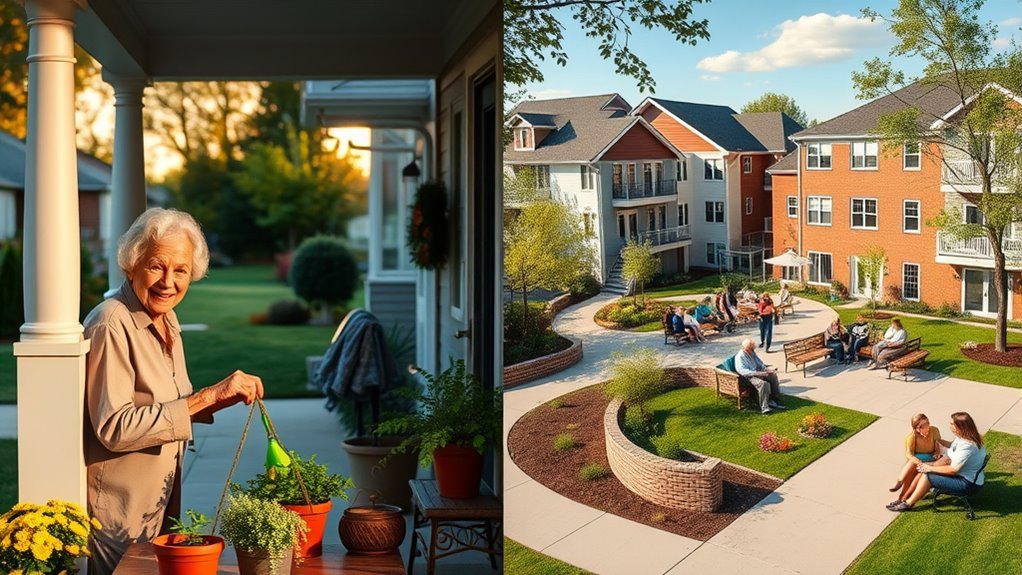
Social engagement and community involvement play a crucial role in aging well, whether you choose to stay in your own home or move into assisted living. Maintaining strong social networks helps reduce feelings of loneliness and keeps your mind active. In your own home, you can participate in local clubs, volunteer, or attend community events to stay connected. If you opt for assisted living, you’ll find opportunities for social activities and organized outings that foster community involvement. Both options emphasize the importance of staying socially engaged to improve overall well-being. By prioritizing social connections, you create a support system that encourages emotional health and a sense of belonging, which are essential for a fulfilling and healthy aging experience.

PILSAMAS WiFi Caregiver Pager Smart Call System – Display Caller ID & App Alerts, No Monthly Fee, IP65 Waterproof Wristband + 2 Call Buttons, Emergency Alert Button for Elderly at Home & Nursing Care
Wi-Fi Smart Hub & 328ft Range: HUB connects to 2.4G Wi-Fi (not 5G) for global APP access. 3…
As an affiliate, we earn on qualifying purchases.
As an affiliate, we earn on qualifying purchases.
Analyzing Financial Implications and Budgeting

Understanding the financial implications of aging in place versus moving to assisted living is essential for making informed decisions about your future. You need to take into account insurance costs, including health insurance, long-term care policies, and potential home insurance adjustments. Aging in place often involves expenses for home maintenance, modifications, and in-home care, which can add up over time. Additionally, considering essential oils for health benefits can support overall well-being and potentially reduce some healthcare costs. Assisted living, on the other hand, typically requires a predictable monthly fee covering accommodations, meals, and services, but might be more costly upfront. To optimize your budget, review your investment strategies and savings plans, ensuring they support your preferred living arrangement. Carefully analyzing these financial factors helps you avoid surprises and ensures you choose a sustainable, affordable option aligned with your long-term needs.
Examining Home Modifications and Accessibility
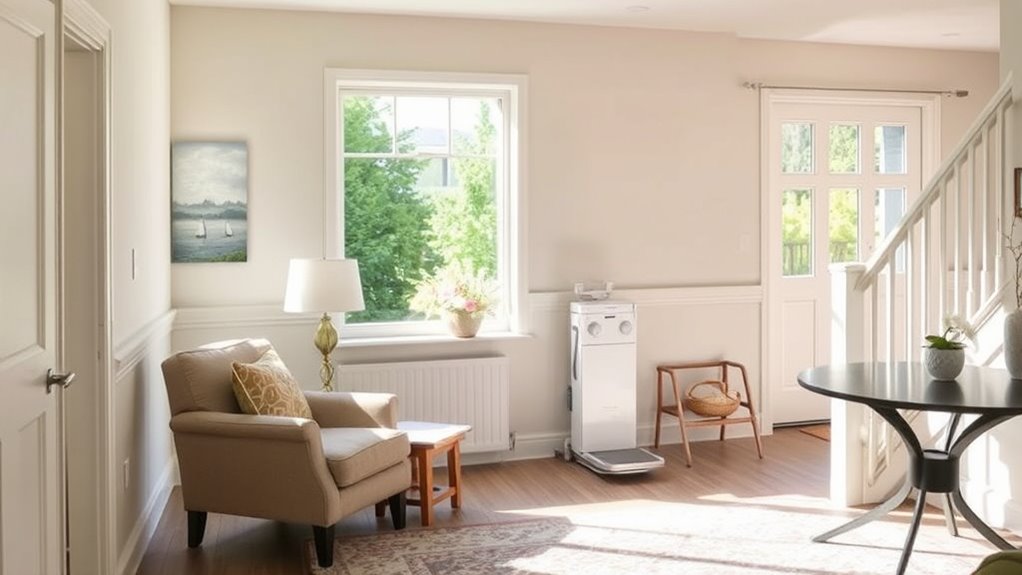
When contemplating aging in place, making home modifications and guaranteeing accessibility are essential steps to create a safe and comfortable environment. Improving home accessibility involves thoughtful safety modifications that reduce fall risks and enhance mobility. Here are key steps to consider:
Creating a safe, accessible home supports independence and comfort in aging in place.
- Install grab bars in bathrooms to prevent slips.
- Widen doorways for easier wheelchair access.
- Add ramps at entryways to eliminate steps.
- Improve lighting throughout your home for better visibility.
- Incorporate anti-slip flooring to further minimize fall hazards.
These safety modifications help you maintain independence and reduce hazards. Focus on creating a barrier-free environment that supports your daily activities. Prioritizing home accessibility ensures your home remains functional and safe as your needs evolve, making aging in place a practical choice.
Reviewing Available Support Services and Care Options

Understanding the support services available can help you choose the best care options for your needs. You’ll find that services vary widely in type and scope, from in-home assistance to medical support. It’s also important to take into account how flexible these options are to adapt as your needs change over time. For example, expert advice from professionals can provide valuable insights into the most suitable options for your situation.
Support Service Types
Have you ever wondered what support services are available to help seniors age comfortably in their chosen environment? There are several key options to contemplate.
- Home safety modifications – Installing grab bars, ramps, and improved lighting to prevent accidents.
- Technology assistance – Using emergency alert systems, medication reminders, and monitoring devices for added security.
- Personal care services – Support with bathing, dressing, and grooming to maintain independence.
- Housekeeping and meal services – Ensuring a clean living space and proper nutrition without stress.
- Regular maintenance and safety checks – Conducting seasonal inspections and simple troubleshooting to keep home systems functioning efficiently and safely home maintenance.
These support services help create a safe, comfortable environment, whether you choose to age in place or move into assisted living. They focus on maintaining independence while addressing essential needs like home safety and technology assistance.
Care Option Flexibility
Care options for seniors offer a range of support services that can be tailored to individual needs and preferences. This flexibility helps you maintain independence while ensuring safety and comfort. With home automation, you can enjoy increased safety, such as automated lighting or voice-activated devices, making daily routines easier. Caregiver flexibility allows you to choose between visiting caregivers, live-in help, or community services, adapting as your needs evolve. Here’s a snapshot of options:
| Support Service | Flexibility Level | Emotional Impact |
|---|---|---|
| Home automation | High | Peace of mind and safety |
| In-home caregiver | Moderate | Independence with companionship |
| Assisted living services | Moderate | Social engagement and support |
| Emergency alert systems | High | Confidence in emergencies |
| Community programs | Varies | Connection and belonging |
Understanding Emotional and Psychological Factors

Emotional and psychological factors play a crucial role in determining whether aging in place or moving to assisted living suits your well-being. Your emotional resilience can impact how well you adapt to changes, while your psychological well-being influences overall happiness and mental health. Consider these key points:
Emotional resilience and psychological well-being are vital to thriving in aging in place or assisted living.
- Your ability to cope with change affects comfort in either environment.
- Feeling secure and maintaining independence boosts psychological well-being.
- Social connections help prevent loneliness and support emotional health.
- Access to mental health resources can improve resilience and reduce stress. Additionally, maintaining vetted mental health tools and resources can greatly enhance your emotional stability during this transition.
Exploring Local Resources and Neighborhood Support

When considering whether to age in place or move to assisted living, understanding the local resources and neighborhood support systems available can make a significant difference. Local volunteer networks can provide essential assistance, from grocery shopping to companionship, helping you stay connected and independent. Neighborhood safety programs also play a crucial role, offering services like community patrols, street lighting, and emergency response support that enhance your sense of security. Familiarity with these resources allows you to leverage community strengths, making aging in place more manageable and safe. Additionally, engaged neighbors and active community groups can foster a supportive environment, reducing feelings of isolation. Being aware of and utilizing these local programs helps you maintain independence while feeling connected to your community. Proper home furnishings and safety features, such as well-maintained lighting and safety devices, further support aging in place effectively.
Making an Informed Decision: Weighing Pros and Cons

Deciding whether to age in place or move to assisted living requires careful weighing of the benefits and drawbacks of each option. Consider how home automation can make aging in place safer, providing reminders for medication or emergency alerts. Think about dietary planning—can you maintain nutritious meals independently, or will assistance be necessary?
To help you decide, evaluate these points:
- Safety and independence—can your home be adapted for mobility and emergencies?
- Social interaction—will assisted living foster more community engagement?
- Cost—compare long-term expenses, including home modifications or ongoing care.
- Personal preferences—do you value staying in familiar surroundings or seeking professional support?
Weighing these factors guides you toward an informed choice aligned with your needs.
Frequently Asked Questions
How Do I Determine if I Qualify for Assisted Living Programs?
You qualify for assisted living programs if you need help with daily activities like bathing or medication management and can afford the costs, which often involve financial planning. Consider whether you have caregiver support to assist you, or if you’d benefit from professional care. Contact local facilities to inquire about eligibility, and explore financial assistance options to guarantee you meet the requirements.
What Legal Considerations Should I Be Aware of When Aging in Place?
When aging in place, you should review your legal documentation and estate planning to guarantee your wishes are clear. Update power of attorney, healthcare directives, and wills to reflect your current situation. This helps protect your interests and simplifies decision-making if you become unable to manage your affairs. Consulting an attorney can ensure your legal documents are thorough and properly executed, providing peace of mind as you age at home.
How Can Technology Support Independent Living at Home?
Technology acts like a reliable safety net, supporting your independence at home. With a smart home system, you can control lighting, temperature, and security easily. Emergency alerts are like having a personal guardian, instantly notifying you or loved ones if something’s wrong. These tools help you stay safe, connected, and autonomous, making aging in place more manageable and giving you peace of mind every day.
What Are the Emotional Impacts of Transitioning to Assisted Living?
You might feel a mix of emotions when shifting to assisted living, including sadness or anxiety. Building emotional resilience helps you adapt and find new routines. Maintaining social connections is vital; it offers comfort and a sense of belonging. While change can be challenging, focusing on these aspects supports your emotional well-being, helping you settle into your new environment with greater ease and positivity.
How Do Family Dynamics Influence the Decision-Making Process?
Family dynamics greatly influence your decision-making process by shaping family communication and reflecting cultural influences. Open, honest conversations help you understand each member’s concerns and preferences, easing the decision. Cultural values may prioritize independence or collective care, guiding whether aging in place or choosing assisted living feels right. Recognizing these influences allows you to make a compassionate, informed choice that respects everyone’s needs and traditions.
Conclusion
Making the right choice between aging in place and assisted living depends on your unique needs and preferences. Did you know that nearly 90% of seniors want to stay in their homes as long as possible? By carefully weighing your health, safety, finances, and emotional well-being, you can make an informed decision that supports your independence and happiness. Remember, it’s about creating a comfortable, secure environment where you can thrive today and into the future.