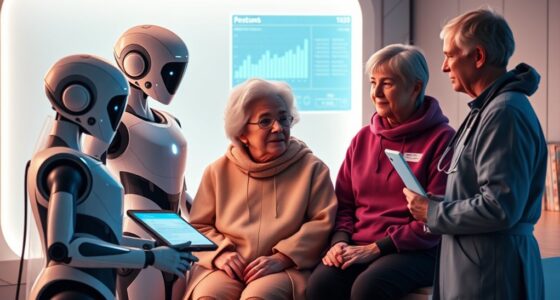
Home-based care is the future because it keeps seniors safe, independent, and comfortable in their own homes. With advanced technology and skilled caregivers, you can monitor health, prevent emergencies, and support daily needs without invasive visits. This approach reduces costs and hospital stays, allowing elders to age with dignity. As innovations continue, you’ll discover more about how personalized, in-home solutions are shaping a compassionate future for elderly support.
Key Takeaways
- Home-based care promotes aging in place, allowing seniors to maintain independence and comfort in familiar environments.
- Advances in remote monitoring technology enable continuous safety oversight without invasive procedures.
- Proper caregiver training ensures personalized, responsive care while reducing reliance on costly institutional settings.
- Integrating technology and skilled caregivers creates a comprehensive support system adaptable to evolving needs.
- Cost-effective and flexible, home-based care minimizes hospital visits and enhances quality of life for seniors.

Have you ever wondered how seniors can maintain independence while receiving the care they need? The answer lies increasingly in home-based care, which combines technology, trained caregivers, and personalized support to create a sustainable solution for aging populations. One of the key innovations making this possible is remote monitoring, a system that allows caregivers and family members to keep an eye on health and safety from afar. With remote monitoring, sensors and devices track vital signs, detect falls, or monitor medication adherence, providing real-time updates without intruding on your loved one’s daily routines. This technology not only enhances safety but also promotes autonomy, helping seniors stay in their familiar environment longer. As hardware and internet-connected devices continue to evolve, the integration of IoT devices into home care setups is making these solutions more comprehensive and accessible.
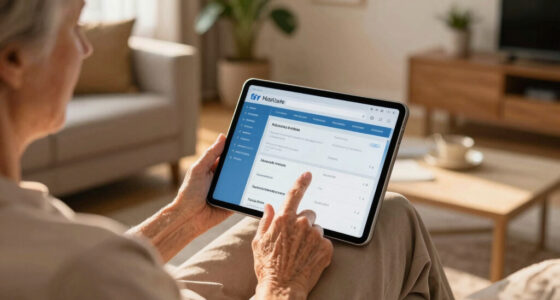
Remote monitoring helps seniors stay independent by tracking health and safety discreetly at home.
Alongside remote monitoring, caregiver training plays a crucial role in delivering effective home-based care. Well-trained caregivers understand the unique needs of each individual, whether it’s managing chronic conditions, assisting with mobility, or providing emotional support. Proper training ensures they can respond swiftly and appropriately to emergencies, administer medications correctly, and communicate effectively with seniors. When caregivers are knowledgeable and confident, seniors benefit from a higher quality of care while feeling more comfortable and respected in their own homes. This personalized approach fosters trust and helps seniors retain their dignity, which is fundamental to their overall well-being.
Combining remote monitoring with extensive caregiver training creates a cohesive support system that adapts to changing needs. You no longer have to worry about constant supervision or invasive check-ins; technology takes care of the safety net, while trained caregivers handle day-to-day interactions and nuanced care tasks. This integration allows family members to feel reassured, knowing that their loved ones are monitored and cared for by professionals who are equipped with the right skills. It also reduces the burden on family caregivers, who might otherwise struggle with balancing personal commitments and caregiving responsibilities.
Furthermore, home-based care is cost-effective and flexible, accommodating a variety of health conditions and lifestyle preferences. It minimizes hospital visits and long-term institutional stays, helping seniors maintain their routines, independence, and social connections. As technology advances and caregiver training becomes more accessible, this model is poised to become the standard for elderly support. It respects the desire for aging in place while ensuring safety, dignity, and personalized care—making it a sustainable, compassionate choice for the future of elder support.
remote health monitoring devices for seniors
As an affiliate, we earn on qualifying purchases.
As an affiliate, we earn on qualifying purchases.
Frequently Asked Questions
How Is Home-Based Care Funded and Insured?
You might wonder how home-based care is funded and insured. Typically, insurance coverage varies, with some plans including home health services and others requiring out-of-pocket payments. Funding sources include government programs like Medicaid and Medicare, private insurance, and personal savings. You should check your insurance policies to understand what’s covered and explore additional options like community grants or assistance programs to help cover costs.
What Training Do Caregivers Need for Elderly Home Care?
You need proper training to provide quality elderly home care. Focus on obtaining caregiver certification, which guarantees you meet industry standards. Developing vital elderly care skills, like medication management, mobility assistance, and emotional support, is essential. You should also learn about elder safety and communication techniques. By gaining these skills and certification, you’ll be better prepared to meet seniors’ needs and offer compassionate, effective care in their own homes.
How Do Families Coordinate Medical and Daily Support?
Think of coordinating elderly support as tuning a finely crafted instrument. You, as a family, keep open channels of communication, ensuring everyone’s voice resonates clearly. Use technology integration—like shared calendars and health apps—to synchronize medical appointments and daily needs seamlessly. Regular check-ins and transparent updates act as the strings that keep everything harmonized, making caregiving a symphony of shared effort and compassionate understanding.
What Are Common Challenges Faced in Home-Based Elderly Care?
You face challenges like managing technology integration, ensuring seamless communication, and providing emotional support. It’s tough to keep up with new devices or systems, especially when your loved one isn’t tech-savvy. Balancing medical needs with emotional support also demands patience and understanding. You must adapt quickly, coordinate care effectively, and create a supportive environment, all while steering through potential frustrations and emotional strains that come with home-based elderly care.
How Does Home Care Compare to Assisted Living Costs?
Imagine you’re comparing the cost of a vintage car to a modern one. Home care often costs less than assisted living, offering significant cost savings. While assisted living provides a community, the quality comparison depends on individual needs; some prefer personalized, in-home support. You get the comfort of staying home, often at a lower expense, making home-based care a smart choice financially and for personalized quality.
Conclusion
As you consider the future of elderly support, one thing becomes clear—you might soon find yourself facing choices you never imagined. Home-based care offers comfort, independence, and a personal touch that institutional settings can’t match. But what if this shift changes everything you thought you knew about aging? The path ahead is full of possibilities, and only time will tell whether this approach will truly transform how we care for our loved ones. Are you ready to embrace the change?