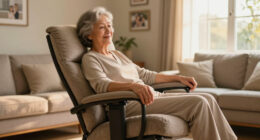

Aging well is not defined by a single product, medical decision, or living arrangement. It is an ongoing process of adapting daily life to a person’s changing abilities, health needs, priorities, and environment. For some older adults, the main goal is remaining active in the community. Others need help managing a chronic condition, reducing fall risks, or making everyday routines less tiring. Families and caregivers may also be balancing safety concerns with an older adult’s right to make choices and preserve independence.

Turn quiet afternoons into listening time
- Thousands of audiobooks, podcasts and originals
- Listen on your phone, tablet or Echo — also offline
- Cancel anytime
This senior care and aging hub provides a practical starting point for those decisions. It covers mobility, home safety, personal care, respiratory support, clothing, posture, outdoor comfort, and caregiver planning. The aim is not to prescribe one path for everyone, but to help older adults and their families identify needs, compare appropriate options, and know when professional guidance is important.
Start With the Older Adult’s Goals
Effective senior care begins with a conversation about what matters most to the person receiving support. Staying in a longtime home, visiting friends, gardening, dressing independently, attending appointments, or continuing a favorite hobby may be more meaningful than an abstract goal such as “improving function.” Once the desired activities are clear, it becomes easier to identify the barriers standing in the way.
These barriers may include pain, weakness, fatigue, shortness of breath, poor balance, reduced vision, memory changes, inaccessible rooms, or lack of transportation. A solution should address the actual obstacle without taking away abilities the person still has. For example, a mobility aid may expand someone’s independence, while unnecessary assistance can sometimes make a person feel less confident or involved.
Include the older adult in decisions whenever possible. Discuss preferences, concerns, budget, home layout, transportation needs, and comfort with technology. Revisit the plan after a health change, fall, hospitalization, medication adjustment, or noticeable decline in daily functioning.
As an affiliate, we earn on qualifying purchases.
Mobility and Community Independence
Mobility affects much more than movement from one place to another. It influences access to medical care, social connection, exercise, errands, and participation in family life. Changes such as slower walking, difficulty standing, dragging a foot, or avoiding stairs deserve attention because they may signal a new health issue or an increased risk of falling.
Choosing the Right Type of Mobility Support
Mobility aids should match the user’s strength, balance, coordination, cognition, and surroundings. A cane or walker may be suitable for someone who can still walk safely with added stability. A wheelchair or scooter may be more appropriate when walking is painful, exhausting, or unreliable over longer distances. An occupational therapist, physical therapist, or other qualified clinician can assess movement and recommend equipment suited to the individual.
For people comparing powered options for routine outings, the guide to mobility scooters for the elderly explores models with senior users’ comfort, safety, and ease of use in mind. Consider turning space, controls, seat access, battery charging, storage, transportation, and the surfaces the device will encounter.
Some riders may also want a compact or recreational option for neighborhood trips. The overview of electric scooters for seniors can help readers understand the available designs. Before choosing one, assess balance requirements, local riding rules, traffic exposure, braking controls, and whether the user can mount and dismount consistently.
Outdoor and Uneven-Terrain Mobility
Grass, gravel, slopes, curbs, and rough paths demand different capabilities than smooth indoor flooring. Wheel size, ground clearance, stability, control response, seating support, and battery range all become important. Anyone hoping to explore parks, rural property, or uneven outdoor spaces can begin with this guide to all-terrain power wheelchairs.
Before using powered equipment outdoors, review the route, weather, surface conditions, accessible entrances, and charging plan. Users should understand the device’s controls and limitations, and caregivers should avoid assuming that a product labeled for outdoor use is suitable for every trail or incline.
Foot Drop and Walking Safety
Foot drop can make it difficult to lift the front of the foot, increasing the chance of catching the toes while walking. Because it may have neurological, muscular, or other medical causes, new or worsening foot drop should be evaluated by a qualified healthcare professional. Treatment depends on the underlying condition and may involve rehabilitation, medical management, or an orthotic device.
When a clinician recommends external support, this comparison of foot drop braces for relief and support offers a useful shopping reference. Fit, shoe compatibility, skin condition, swelling, walking pattern, and the ability to put on the brace all matter. Stop using a brace and seek advice if it causes pain, numbness, pressure marks, or skin damage.
Fall Prevention and Posture
Falls are rarely caused by one factor alone. Medication effects, muscle weakness, vision problems, dizziness, unsafe footwear, clutter, poor lighting, and environmental hazards can combine. A practical prevention plan therefore looks at both the person and the home.
Keep walking routes clear, secure loose rugs, improve lighting near stairs and bathrooms, and place frequently used items within easy reach. Handrails and grab bars must be properly positioned and securely installed. Footwear should fit well and provide appropriate traction. Regular vision, hearing, and medication reviews may also reveal correctable risks.
Posture can influence comfort, breathing mechanics, balance, and the effort required for daily tasks. However, posture changes may arise from pain, arthritis, muscle weakness, osteoporosis, neurological conditions, or habitual positioning. Devices are not substitutes for diagnosing those causes. Readers considering external support can review posture-correcting devices for alignment support, then discuss persistent pain, weakness, or spinal changes with a clinician.
Exercise may help maintain strength, flexibility, and confidence when it is matched to the individual’s health and ability. A physical therapist can develop a plan for someone with a history of falls, recent surgery, significant balance problems, or complex medical needs.
Respiratory Support and Home Oxygen
Shortness of breath, bluish lips, chest pain, confusion, or sudden difficulty breathing can require urgent medical attention. Long-term respiratory symptoms also deserve clinical assessment rather than self-treatment. Oxygen is a medical therapy, and the amount and timing should follow a prescription or care plan.
For people who have already been prescribed oxygen and are researching equipment, the guide to oxygen concentrators for home use provides a focused comparison. Selection factors may include prescribed flow requirements, continuous versus pulse delivery, noise, power needs, maintenance, portability, and service support. The chosen device must be capable of meeting the clinician’s instructions.
Home oxygen also requires careful safety practices. Keep equipment away from flames, smoking materials, heat sources, oils, and grease. Tubing should be positioned to reduce trip hazards, and household members should understand alarms, cleaning requirements, backup plans, and what to do during a power outage. Never change the prescribed oxygen flow without professional direction.
Dressing, Grooming, and Personal Comfort
Clothing can either support independence or turn dressing into a frustrating task. Arthritis, weakness, limited shoulder movement, poor balance, swelling, incontinence, and dexterity changes can make buttons, belts, narrow openings, or stiff fabrics difficult to manage.
Look for garments that are comfortable while sitting and standing, easy to fasten, and suitable for the person’s usual activities. Elastic or adjustable waists, accessible closures, sensible pocket placement, and enough room for braces or continence products may be useful. The guide to comfortable pants for elderly men is a starting point for balancing ease of dressing with personal style.
Preserve familiar grooming routines where possible. Lay out clothes in sequence, provide a stable seated dressing area, and offer only the amount of help needed. If dressing ability changes suddenly, consider pain, injury, weakness, confusion, or another medical cause rather than treating the change as an inevitable part of aging.
Designing a Safer, More Supportive Home
A home assessment should follow the older adult through an ordinary day. Examine the route from bed to bathroom, access to food and medication, entry steps, seating height, bathing arrangements, and the location of phones or alert systems. Observe where the person reaches, bends, rushes, or steadies themselves on furniture.
Entrances and Outdoor Areas
Paths should be even, adequately lit, and free of obstacles. Railings, ramps, thresholds, and door widths should suit any mobility equipment in use. Outdoor seating needs stable placement and a height that allows the person to sit and rise safely.
Shade can make a patio more usable for someone who is sensitive to heat or sun, but an awning does not eliminate the need for hydration, suitable clothing, and weather awareness. Homeowners planning an accessible outdoor area can explore motorized retractable awnings for patios. Installation requirements, wind exposure, controls, electrical access, maintenance, and safe retraction should be considered before purchase.
Bathrooms, Bedrooms, and Kitchens
Bathrooms often combine slippery surfaces, tight spaces, and frequent transfers. Appropriate grab bars, nonslip surfaces, reachable toiletries, and well-positioned seating may reduce risk. Bedrooms should have clear nighttime paths and accessible lighting. In the kitchen, organize everyday items between comfortable waist and shoulder height, check that appliances are easy to operate, and address spoiled food or forgotten cooking promptly.
Caregiving Without Removing Independence
Good caregiving supports safety while preserving choice, privacy, and dignity. Ask before helping, explain what you are doing, and allow additional time for the person to complete manageable tasks. Break complicated routines into smaller steps instead of automatically taking over.
Caregivers should also watch for changes in appetite, mood, sleep, mobility, memory, medication use, hygiene, breathing, and social engagement. Documenting when a change began and what makes it better or worse can help clinicians understand the situation. Sudden confusion, new weakness, serious breathing difficulty, chest pain, or signs of stroke warrant urgent attention.
No care plan is sustainable if the caregiver is exhausted. Families may need to share responsibilities, use respite care, arrange transportation, or seek home-care services. Legal and financial planning—including healthcare directives, emergency contacts, powers of attorney, and access to essential records—is easier before a crisis occurs.
How to Evaluate Senior-Care Products
Begin with the problem to be solved, not the product category. Confirm that the item fits the user, the home, and the intended activity. Check dimensions, weight limits, power requirements, cleaning instructions, return policies, warranties, replacement parts, and available support. For mobility and medical equipment, professional fitting or training may be necessary.
A product that works well for one person may be unsafe or impractical for another. Consider vision, hearing, hand strength, memory, transfer ability, skin sensitivity, and caregiver availability. Whenever possible, arrange a demonstration or trial and involve the older adult in the decision.
Building a Flexible Aging Plan
Senior care works best as a flexible system rather than a one-time collection of purchases. Start with personal goals, address urgent medical and safety concerns, and make the smallest effective changes first. Review what is working, what feels burdensome, and where new support is needed.
The central question is not simply how to prevent every risk. It is how to help an older adult live as safely, comfortably, and meaningfully as possible. With thoughtful assessment, appropriate professional guidance, and solutions chosen around the individual, aging can remain a period of participation, connection, and personal agency.
Fall Picks
fall essentials
As an affiliate, we earn on qualifying purchases.