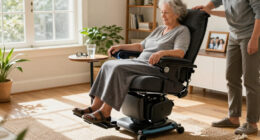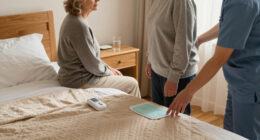
For those seeking effective pressure relief and skin protection at home, lateral rotation therapy mattresses can be a game-changer. The Invacare microAIR stands out for its advanced features and high capacity, making it ideal for heavier users or those needing intensive therapy. The Vive mattress offers a more affordable, user-friendly option suited for managing pressure ulcers with customizable comfort. Meanwhile, the OB-1600 provides comprehensive therapy with self-lateral rotation, perfect for users who require dynamic repositioning. Each has distinct tradeoffs: advanced models demand more setup and cost, while simpler options may have limited features or durability.

Turn quiet afternoons into listening time
- Thousands of audiobooks, podcasts and originals
- Listen on your phone, tablet or Echo — also offline
- Cancel anytime
Complete the kit

Key Takeaways
- The Invacare microAIR offers high weight capacity and advanced customization but comes with a higher price and complexity.
- Vive’s 8-inch mattress balances affordability and effectiveness for pressure ulcer prevention, suitable for less intensive needs.
- The OB-1600 provides dynamic self-lateral rotation, ideal for comprehensive skin protection, yet requires additional bed frame purchase.
- All options vary in setup complexity, cost, and targeted user capacity, influencing suitability for different home care needs.
- Choosing the right mattress depends on balancing features against user mobility, budget, and setup willingness.
| Invacare microAIR Lateral Rotation Low Air Loss Mattress System, 600 lb. Capacity |  | Best Overall for Heavy Users and Advanced Therapy | Weight Capacity: 600 lbs | Cycle Time: Set or adjustable | Number of Comfort Settings: 10 | VIEW ON AMAZON | See Our Full Breakdown |
| Vive 8″ Alternating Pressure Mattress – Low Air Loss Hospital Replacement Mattress for Pressure Ulcers and Bed Sores |  | Best Value for Pressure Ulcer Prevention | Size: 8 inches | Air chambers: 16 | Weight capacity: 350 pounds | VIEW ON AMAZON | See Our Full Breakdown |
| OB-1600 Utility Air Mattress with Alternating Pressure and Low Air Loss, 6-inch Standard Size |  | Best for Dynamic Repositioning and Skin Protection | Height: 6 inches | Pressure Relief Therapy: Alternating, Low Air Loss, Self-Lateral Rotation | Air Flow: 15 LPM | VIEW ON AMAZON | See Our Full Breakdown |
| lateral rotation therapy mattresses for home | Weight Capacity |
|---|---|
| Invacare microAIR Lateral Rota | 600 lbs |
| Vive 8" Alternating Pressure M | 350 pounds |
| OB-1600 Utility Air Mattress w | — |
More Details on Our Top Picks
Invacare microAIR Lateral Rotation Low Air Loss Mattress System, 600 lb. Capacity
The Invacare microAIR system stands out for its high weight capacity and comprehensive features like alternating pressure, lateral rotation, and multiple comfort settings. It’s particularly suited for users at high risk of pressure sores or with higher body weights, thanks to its 600 lbs capacity. Compared to simpler models, it offers greater customization and safety features, but this comes with a complex setup process and a higher price. The lateral rotation options, which include 20 and 40 degrees, help reduce pressure points effectively. However, the reliance on continuous power and the need for caregiver assistance during installation may limit its convenience for some home users.
Pros:- High weight capacity up to 600 lbs ensures suitability for heavier users
- Effective pressure redistribution and skin protection
- Multiple comfort and rotation settings for personalized therapy
- Safety features prevent bottoming out during power failure
Cons:- Complex setup may require caregiver help
- High cost reflects advanced features
- Dependent on reliable power for continuous operation
Best for: Individuals needing intensive pressure management and higher weight capacity, especially those with complex medical needs
Not ideal for: Users seeking a simple, budget-friendly solution or those with limited caregiver support
- Weight Capacity:600 lbs
- Cycle Time:Set or adjustable
- Number of Comfort Settings:10
- Lateral Rotation Degrees:20 or 40 degrees
Our verdict“This model excels for users needing heavy-duty, customizable therapy but demands a higher investment and setup effort.”
Vive 8″ Alternating Pressure Mattress – Low Air Loss Hospital Replacement Mattress for Pressure Ulcers and Bed Sores
The Vive mattress provides a practical balance of affordability and effectiveness, making it well-suited for at-home pressure ulcer prevention. Its 16 air chambers and adjustable inflation allow customization to match user needs, while the quiet pump ensures comfort during sleep. It supports up to 350 pounds, which is less than the Invacare but sufficient for many users. Compared with high-end models, it’s simpler to operate and more budget-friendly but offers fewer advanced safety features or rotation options. It’s an excellent choice for those who want effective pressure relief without complex setup or high costs, though it may require some adjustment to optimize pressure settings.
Pros:- Effective in preventing and managing pressure ulcers
- Customizable pressure settings for comfort
- Quiet pump operation supports restful sleep
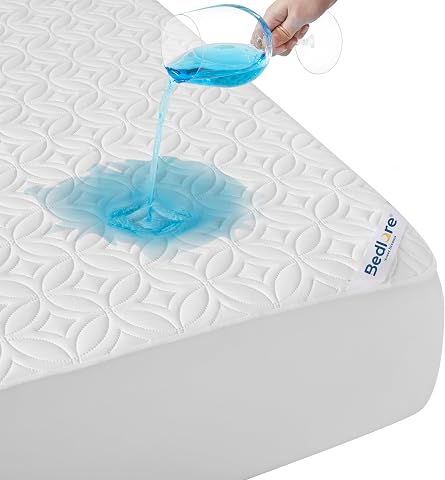
- Durable waterproof cover for easy cleaning
Cons:- Setup and adjustments may be needed for best results
- Limited warranty of 60 days on the mattress pad
- Some users may find it heavy to reposition
Best for: Users with moderate mobility and pressure ulcer risk seeking an affordable, effective solution
Not ideal for: Heavier users or those requiring advanced rotation and safety features
- Size:8 inches
- Air chambers:16
- Weight capacity:350 pounds
- Cover material:Waterproof vinyl
- Pump:Variable pressure, ultra-quiet
Our verdict“A cost-effective, straightforward mattress that offers solid pressure relief for home use, with some setup and maintenance considerations.”
OB-1600 Utility Air Mattress with Alternating Pressure and Low Air Loss, 6-inch Standard Size
The OB-1600 offers a comprehensive therapy package with self-lateral rotation, alternating pressure, and low air loss. Its 6-inch height and adjustable sinking feature support circulation and skin health, making it ideal for users with significant pressure risk. The self-rotation at 15° helps mimic professional treatment, but this model requires a compatible bed frame (not included), adding to the setup complexity. It’s best suited for users who need frequent repositioning and advanced pressure management but may be less practical for those with limited space or budget constraints. The high cost and additional equipment needs are tradeoffs for its dynamic therapy capabilities.
Pros:- Provides comprehensive pressure relief and skin protection
- Self-lateral rotation helps prevent bedsores
- Maintains a dry, cool microclimate for comfort
- Adjustable sinking for safety and comfort
Cons:- Bed frame not included, additional purchase needed
- Setup may require professional help
- Higher cost for advanced features
Best for: Patients requiring frequent repositioning and advanced pressure relief at home
Not ideal for: Users with limited space or those seeking a simple, plug-and-play solution
- Height:6 inches
- Pressure Relief Therapy:Alternating, Low Air Loss, Self-Lateral Rotation
- Air Flow:15 LPM
- Self-Rotation Angle:15°
- Sinking Depth:up to 4 inches
Our verdict“Ideal for users needing dynamic repositioning and comprehensive skin protection, despite its setup and cost hurdles.”

How We Picked
Our selection process focused on clinically relevant features like lateral rotation, pressure redistribution, user capacity, and ease of use for home settings. Each product was evaluated for its therapeutic functions, safety features, and practicality—such as setup complexity and maintenance. We prioritized options that balance effective therapy with affordability and user-friendliness, especially for non-professional caregivers or home users. Tradeoffs such as cost, setup effort, and additional equipment needs were carefully considered to recommend solutions suitable for varying needs and budgets.
Factors to Consider When Choosing Lateral Rotation Therapy Mattresses For Home
Choosing the right lateral rotation therapy mattress for home use involves balancing therapy features, user capacity, setup complexity, and budget. Key considerations include whether you need advanced rotation and pressure relief or a simpler, more affordable option. Think about your or your loved one’s mobility, the environment (such as space and compatibility with existing bed frames), and how much you’re willing to invest in setup and ongoing maintenance. Each option varies in its ability to provide comprehensive skin protection, safety features, and ease of use, making it essential to match product capabilities with individual needs.Understanding Therapy Features
Look for features like lateral rotation, alternating pressure, and low air loss, which are crucial for preventing pressure ulcers and improving circulation. Higher-end models often include multiple rotation degrees and safety mechanisms, but these come with increased complexity and cost. Simpler models focus on basic pressure redistribution and may suffice for less severe cases or lighter users.
Weight Capacity and User Compatibility
Ensure the mattress can support the user’s weight comfortably. Heavy-duty models like the Invacare are designed for higher capacities, while others like Vive are suitable for lighter users. Ignoring weight limits can compromise safety and effectiveness, so match the product to the user’s needs.
Setup and Maintenance
Advanced systems may require caregiver assistance to set up and maintain, especially for models needing professional installation or additional bed frames. Budget options are typically easier to handle but may demand more frequent adjustments. Consider your comfort level with technical setup when choosing.
Frequently Asked Questions
How does lateral rotation therapy benefit pressure sore prevention?
Lateral rotation therapy mimics the natural movements used in professional care to redistribute pressure, promote blood flow, and prevent skin breakdown. Regular repositioning reduces the risk of pressure ulcers, especially for users with limited mobility who cannot turn themselves easily.
Can I use these mattresses with my existing bed frame?
Most medical-grade mattresses are compatible with standard hospital or home bed frames, but models like the OB-1600 may require a specific or adjustable frame due to their self-rotation features. Always verify compatibility before purchase to ensure proper fit and function.
Are these mattresses suitable for long-term home use?
Yes, these mattresses are designed for home environments, but their durability depends on proper setup, maintenance, and user needs. Higher-end models with advanced features tend to last longer and offer better support for long-term use, although they may require more regular professional servicing.
What maintenance is involved with these therapy mattresses?
Maintenance typically includes regular cleaning of covers, checking and adjusting air pressures, and inspecting safety features. Advanced models with electronic components may need periodic calibration or professional servicing to maintain optimal operation and safety.
How do I decide which lateral rotation mattress is right for me?
Consider your mobility, pressure sore risk, budget, and whether you prefer a simple solution or a comprehensive system with rotation and safety features. For high-risk or heavier users, a high-capacity model like Invacare makes sense, while for basic prevention, the Vive offers affordability. Users needing dynamic repositioning may opt for the OB-1600 despite its setup complexity.
Conclusion
For individuals with high weight capacity needs and advanced therapy requirements, the Invacare microAIR offers unmatched features at a higher cost. Users seeking a balance of affordability and pressure relief might find the Vive mattress to be an ideal starting point. Those requiring frequent, dynamic repositioning and comprehensive skin protection should consider the OB-1600, despite its setup challenges. Ultimately, matching these options to your specific health needs, mobility level, and budget will help you choose the most suitable lateral rotation therapy mattress for home use in 2026.