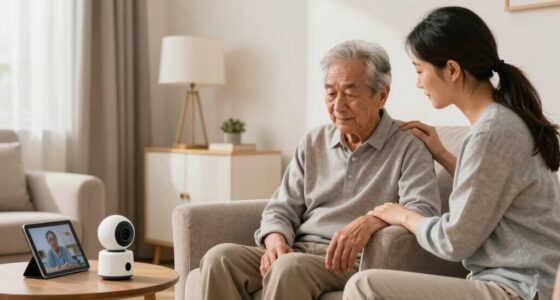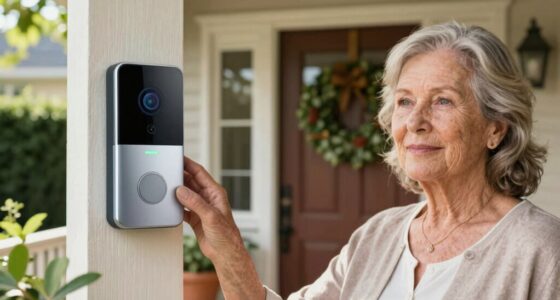

Wearable tech for seniors offers crucial signs monitoring, emergency alerts, and fall detection to keep you safe and healthy. These devices track your heart rate, blood pressure, and oxygen levels in real time, sending alerts or updates to loved ones or healthcare providers. They can automatically detect falls and notify help instantly, giving you peace of mind. Exploring these options further reveals how they support your independence and confidence every day.

Turn quiet afternoons into listening time
- Thousands of audiobooks, podcasts and originals
- Listen on your phone, tablet or Echo — also offline
- Cancel anytime
Key Takeaways
- Wearable devices monitor vital signs like heart rate and blood pressure, enabling proactive health management for seniors.
- Fall detection technology automatically alerts emergency contacts, ensuring quick assistance during accidents.
- Emergency response features provide immediate alerts and GPS location sharing for rapid medical intervention.
- Wearables promote independence by helping seniors manage health routines and communicate with healthcare providers.
- Advances in wearable tech make devices user-friendly, enhancing safety, confidence, and overall well-being for seniors.
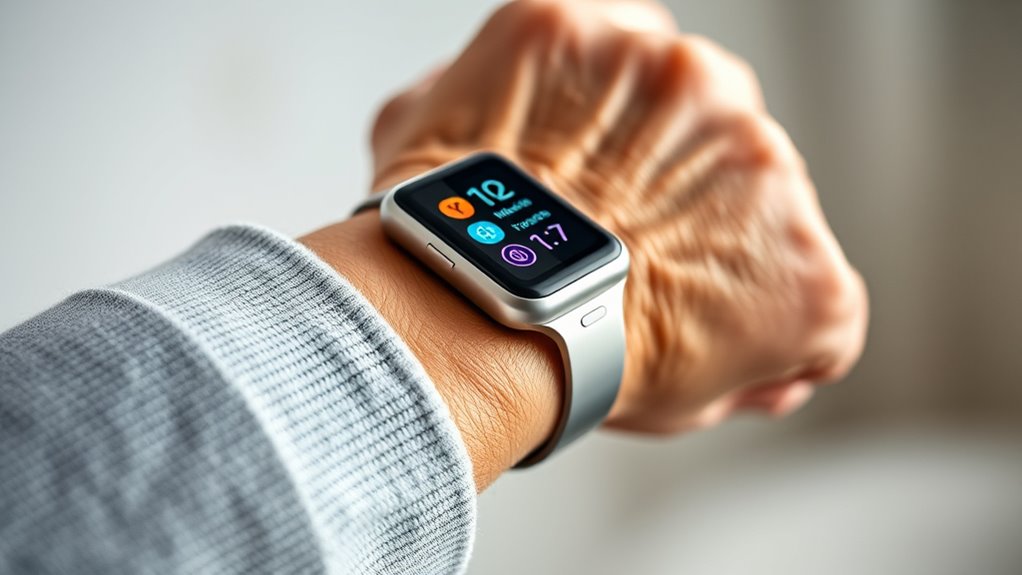
Have you ever wondered how wearable technology can improve the lives of seniors? Today, these devices do more than just tell time; they’re becoming essential tools for health monitoring and safety. One of the most popular innovations is the smartwatch health feature, which allows you to keep a close eye on crucial signs like heart rate, blood pressure, and oxygen levels. With just a glance at your smartwatch, you can get real-time updates on your health, helping you stay proactive about any potential issues. These devices often sync with your smartphone or healthcare provider, making it easier for you and your doctor to track changes over time and respond quickly if something seems off. Having this constant flow of information means you’re less likely to miss early warning signs of health problems, giving you peace of mind and encouraging a healthier lifestyle. Additionally, understanding dog traits and health concerns can be helpful for seniors who are dog owners, ensuring their pets are healthy and well-cared for alongside their own health monitoring. Fall detection devices are another essential aspect of wearable tech designed specifically for seniors. Falling is one of the biggest risks for older adults, often leading to serious injuries or hospital stays.
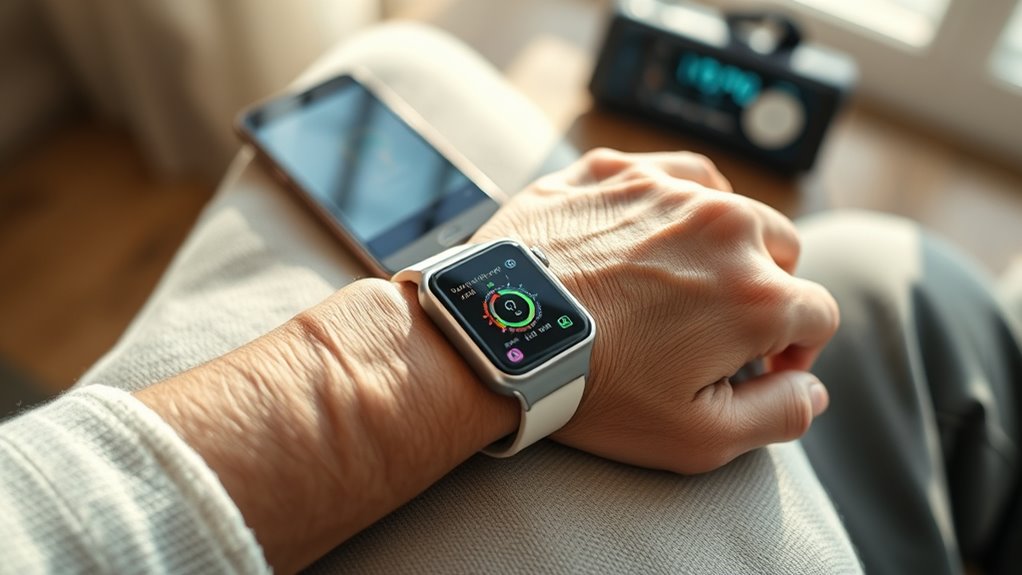
Thankfully, modern fall detection technology can sense when a fall occurs, whether through accelerometers, gyroscopes, or advanced algorithms. When a fall is detected, these devices automatically send an alert to emergency contacts or medical services, even if you’re unable to call for help yourself. This immediate response can be life-saving, ensuring help arrives quickly and reducing the severity of injuries. Many fall detection devices are lightweight and comfortable, so you hardly notice you’re wearing them, yet they provide an essential layer of safety. You might also find some devices that combine fall detection with GPS tracking, allowing loved ones or caregivers to locate you instantly if you’re injured or disoriented. Wearable tech for seniors isn’t just about safety; it also promotes independence. By providing tools to monitor health and alert authorities during emergencies, these devices help you stay active and confident in managing your daily routines. Whether it’s a smartwatch that tracks your crucial signs or a discreet fall detection device, this technology empowers you to live more autonomously without constantly relying on others. Plus, the data collected can be shared with your healthcare team, enabling more personalized and timely medical care. As these devices become more advanced and user-friendly, seniors are finding it easier than ever to incorporate them into their lives. Ultimately, wearable tech offers a practical way to enhance safety, monitor health, and enjoy greater independence well into your later years.
senior health monitoring smartwatch
As an affiliate, we earn on qualifying purchases.
As an affiliate, we earn on qualifying purchases.
Frequently Asked Questions
How Do Wearable Devices Ensure Data Privacy for Seniors?
You want to know how wearable devices keep your data private. They use data encryption to scramble your information, making it unreadable to outsiders. User authentication ensures only authorized people access your data, adding an extra layer of security. These features help protect your sensitive health information, giving you peace of mind while you benefit from the device’s features. Trust that reputable wearables prioritize your privacy with strong security measures.
Can Wearable Tech Be Customized for Different Health Conditions?
Imagine your wearable device as a tailored suit, fitting your unique health needs perfectly. Yes, wearable tech offers extensive personalization options, allowing you to customize features based on your health condition. With health condition adaptability, these devices can monitor specific symptoms, track relevant metrics, and provide targeted alerts. This guarantees you’re receiving the most relevant insights, making your health management more effective and personalized, just like a suit designed just for you.
What Is the Average Battery Life of Senior-Focused Wearables?
You ask about the average battery life of senior-focused wearables. Typically, these devices have a battery longevity of 1 to 7 days, depending on usage and features. Power management plays a key role in extending battery life, so turning off unnecessary functions can help. Keep in mind that frequent charging can be minimized with models designed for long-lasting power, ensuring reliable monitoring without constant recharging.
Are Wearable Devices Suitable for Seniors With Cognitive Impairments?
You might wonder if wearable devices suit seniors with cognitive impairments. These devices can provide valuable memory support and cognitive monitoring, helping seniors stay safe and engaged. They often feature simple interfaces and reminders that assist with daily tasks. While some may find tech challenging, many wearables are designed with accessibility in mind, making them a useful tool for improving independence and quality of life for seniors with cognitive challenges.
How Do Wearable Tech Devices Integrate With Healthcare Providers?
Oh, the irony is sweet—you’d think these gadgets would just connect seamlessly, right? Well, you’re wrong. Wearable tech devices actually require careful data synchronization and device compatibility to work smoothly with healthcare providers. When these elements align, your health data flows effortlessly, enabling real-time monitoring and better care. But if they’re out of sync, you might as well be talking to a brick wall. Luckily, tech keeps improving!
Conclusion
So, with all this fancy wearable tech, you might think seniors are suddenly invincible. Just strap on a device, and boom—instant superhero status! But don’t forget, no gadget can replace good old-fashioned common sense or the comforting voice of a loved one. Technology’s great, sure, but it’s no substitute for human connection. After all, even the smartest device can’t remind you to enjoy life’s simple pleasures—like a good laugh or a warm hug.
Evergreen bestsellers Picks
bestsellers
As an affiliate, we earn on qualifying purchases.