
TL;DR
A Seniors Guide article published Nov. 2, 2026, describes five ways families can personalize an older adult’s assisted living space: bring meaningful belongings, add comfortable lighting and furnishings, consider plants, keep daily items accessible, and make room for socializing. The suggestions are practical guidance, not evidence that personalizing a room will produce a specific health outcome.
Seniors Guide published five tips on Nov. 2, 2026, for personalizing an assisted living space, recommending that families bring meaningful belongings, improve comfort, keep necessities accessible and create room for visitors and hobbies. The advice addresses the practical and emotional challenges that can accompany a move from a familiar home to a senior apartment, nursing home or other new setting.

Turn quiet afternoons into listening time
- Thousands of audiobooks, podcasts and originals
- Listen on your phone, tablet or Echo — also offline
- Cancel anytime
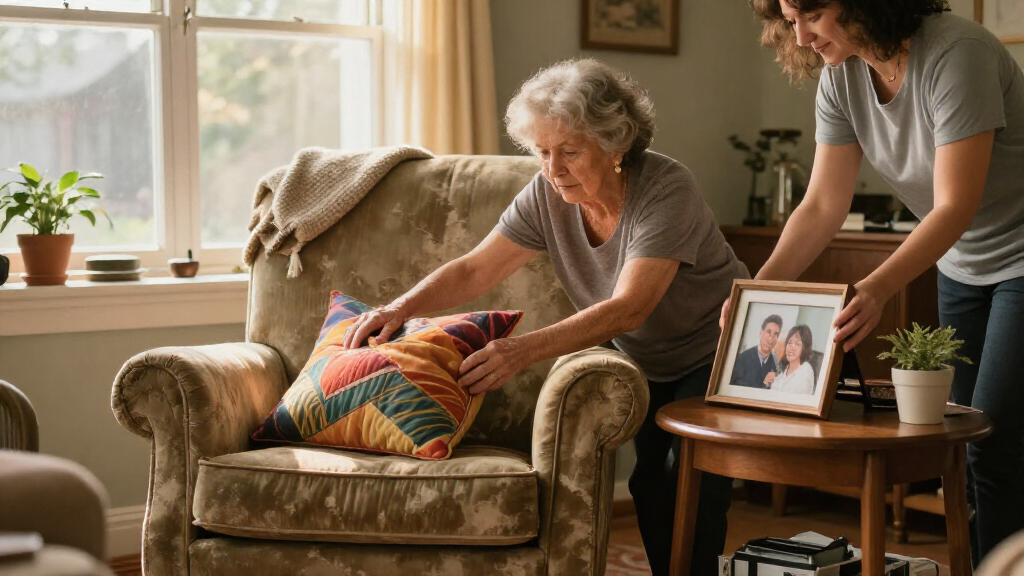
The article, written by Terri L. Jones, says personal items such as family photographs, artwork, keepsakes and a favorite chair can help a new room reflect a resident’s personality and routines. It also advises involving the older adult in choosing which belongings to bring and where to put them. For people with dementia, it notes, some memory care facilities recommend display boxes containing meaningful objects.
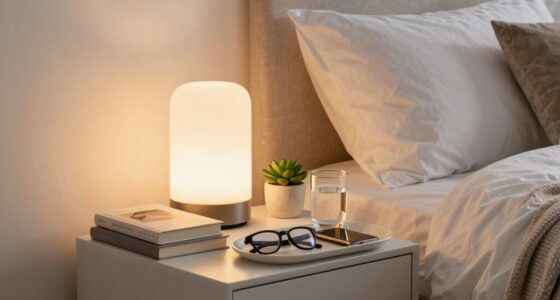
For comfort, the report suggests using lamps instead of harsh overhead lighting where appropriate, while retaining adequate light for safety. Dimmers, throws and accent pillows are among the other ideas. It also recommends considering plants, placing frequently used items such as books and phones within easy reach, and avoiding overfilled closets and drawers.
The fifth tip is to reserve space for social activities. A sofa, comfortable chairs or a dining table can provide a place for family and friends to visit; a dedicated area can also support crafts, puzzles or other hobbies. The article presents these as ways to make the room more usable and personal, rather than as guaranteed solutions to the difficulties of moving.
Making a New Room Feel Familiar
A move into assisted living can mean leaving behind familiar surroundings and daily habits. The report says residents may also feel a loss of independence and privacy, and that they may be reluctant to move. Personalizing the room offers families a set of concrete choices that can preserve some continuity, such as keeping a reading chair or arranging familiar photographs where the resident can see them.
The suggestions also connect emotional comfort with everyday function. Keeping a phone or favorite books close at hand, for example, is both a decorating decision and a practical one. A place for guests may make visits easier to arrange, while room for a hobby can support an activity the resident already enjoys. These are potential benefits described by the report; it does not provide outcome data showing how much such changes affect well-being or adjustment.
For families, the central point is that the resident should have a role in shaping the new space. Asking which possessions matter most and how the room should be arranged can help keep the move from being handled solely as a logistical task. The article’s advice remains general: individual needs, preferences and facility rules may affect which items and layouts are suitable.
Products Worth Considering

LEVOIT Vital 200S-P Smart Air Purifier for Large Rooms up to 1875 sq ft

Levoit Core 400S-P Smart Air Purifier for Large Rooms

Bowflex SelectTech 840 Adjustable Kettlebell
As an affiliate, we earn on qualifying purchases.
Advice Drawn From Senior Living Experts
The Nov. 2 article builds on guidance from senior living and design professionals, including statements previously published in U.S. News & World Report. Seniors Guide attributes a comment about design and resident well-being to Julia Bailey, a senior associate and interior design project manager at Denver-based OZ Architecture. The report also quotes Kristy Ruppe Craddock, chief sales and marketing officer at Commonwealth Senior Living, on bringing a resident’s personality and lifestyle into the new space.
Other recommendations are attributed to Rita Mabli, president and chief executive officer of United Hebrew of New Rochelle, and to Unlimited Care Cottages. The article says Mabli recommends softer lighting and discusses plants, while Unlimited Care Cottages advises keeping needed belongings easy to reach. The report identifies its material as originally published in May 2022, with the current article dated Nov. 2, 2026.
The five points are presented for assisted living and other unfamiliar settings, including senior apartments and nursing homes. They are not a facility-specific checklist, and the article does not describe regulations, room dimensions or policies that might limit furniture, plants or other personal items.
““As you walk into someone’s home, you can usually get a sense of their personality and lifestyle right away. Those things should come with you.””
— Kristy Ruppe Craddock, chief sales and marketing officer at Commonwealth Senior Living
Limits of the Room-by-Room Advice
The article does not cite research measuring whether these changes reduce distress, improve health or speed adjustment to assisted living. Its statements about happiness, well-being and functionality are attributed design guidance, not quantified findings. It also does not say whether every facility permits residents to bring particular furniture, plants or decorative items.
Practical suitability will vary by resident and room. The source offers no detailed guidance on specific accessibility needs, plant care, lighting levels or how to adapt recommendations for different forms or stages of dementia. Families may need to discuss room arrangements and permitted belongings with the resident and the facility.
Planning the Move With the Resident
The report does not announce a new program or a follow-up date. Its recommendations point families toward practical next steps before and during a move: ask the resident which objects matter most, check facility rules, plan where everyday necessities will go, and reserve an area for visits or preferred activities. Any layout should reflect the resident’s needs and the available space.
As residents settle in, families can revisit the arrangement and ask what is working or what should change. The article’s central advice is to treat personalization as an ongoing conversation rather than a one-time decorating task, while recognizing that the report does not prescribe a formal process or measure its results.
Key Questions
What are the five tips for personalizing an assisted living space?
The report recommends bringing meaningful belongings, adding cozy touches, considering plants, keeping needed items accessible, and creating space for socializing or hobbies.
Should the resident choose what to bring?
The article recommends letting older adults select personal items and decide where to place them when possible. Facility rules and room capacity may limit choices.
What does the report suggest for a resident with dementia?
It says some memory care facilities suggest display boxes containing meaningful mementos. The report does not provide individualized dementia care guidance.
Does the article show that decorating improves health?
No. It offers practical recommendations and attributes general well-being claims to design professionals, but provides no measurements or research results establishing a health effect.
Source: seniorsguide.com