Maintaining proper hydration and balanced nutrition is key to staying active and healthy as you age. Focus on eating nutrient-dense foods like fruits, vegetables, lean proteins, and whole grains to support your energy, bones, and joints. Drink plenty of water daily, and include hydrating foods like melons and cucumbers to prevent dehydration. Pay attention to your body’s signals, and discover simple tips to keep your diet enjoyable and supportive of your active lifestyle.
Key Takeaways
- Prioritize nutrient-dense foods like fruits, vegetables, lean proteins, and whole grains to meet seniors’ changing nutritional needs.
- Maintain regular hydration by drinking water and consuming water-rich foods such as fruits and vegetables.
- Support bone and joint health with adequate calcium, vitamin D, magnesium, and collagen-rich foods.
- Incorporate hydrating snacks and smoothies to promote hydration and essential nutrient intake.
- Practice mindful eating, monitor hydration cues, and combine proper nutrition with physical activity for overall well-being.

SP Ableware 745820000 Hydrant Water Bottle with Long Tube, Mouth Piece and Clothing Clip for Hand-Free Hydration, 1-Liter
Maddak The Hydrant Drinking SolutionSpecifications
As an affiliate, we earn on qualifying purchases.
As an affiliate, we earn on qualifying purchases.
Understanding the Unique Nutritional Needs of Seniors

As you age, your nutritional needs change to support your body’s evolving functions. You might notice medication effects that influence how your body absorbs nutrients or processes certain foods. Sensory changes, like diminished taste, smell, or sight, can make eating less appealing or harder to identify nutritious options. These shifts mean you need to focus on nutrient-dense foods that maximize vitamins, minerals, and protein without requiring large portions. Additionally, some medications can interfere with nutrient absorption or cause side effects that impact appetite. Understanding these changes helps you tailor your diet to stay energized and healthy. Prioritizing variety and nutrient-rich choices ensures you meet your body’s evolving needs, even when sensory changes or medication effects challenge your usual eating habits. For optimal health, using proper tools and accessories can make meal preparation easier and more efficient.
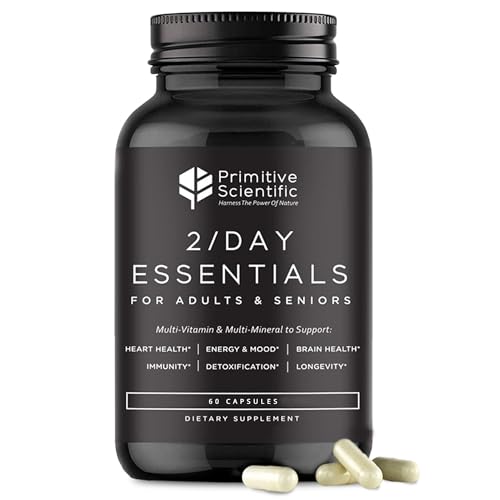
Primitive Scientific Whole Food Daily Essential Multivitamins for Adults and Seniors – 2X a Day – Vitamin A, C, D, E, B12 and Minerals – Natural and Holistic Support (60 Capsules)
Whole Food Multivitamins for Adults & Seniors: Extracted from natural sources, this whole-spectrum adult multivitamin is formulated for…
As an affiliate, we earn on qualifying purchases.
As an affiliate, we earn on qualifying purchases.
The Importance of Proper Hydration for Active Aging

Maintaining proper hydration is essential for active seniors because it directly affects your energy levels, mental clarity, and overall health. Many hydration myths suggest that you don’t need as much water as younger adults, but dehydration symptoms can sneak up unexpectedly, causing fatigue, confusion, and dizziness. Recognizing dehydration symptoms early helps you stay ahead of potential health issues. Drinking enough fluids isn’t just about quenching thirst; it supports joint lubrication, digestion, and temperature regulation. While it’s common to forget about hydration, especially if you’re busy or outdoors, staying consistent with water intake prevents dehydration. Proper hydration also plays a vital role in supporting blood flow, which can enhance overall vitality. Remember, hydration isn’t a one-size-fits-all, so listen to your body’s signals and prioritize drinking regularly throughout the day. Proper hydration keeps you energized and resilient as you stay active.
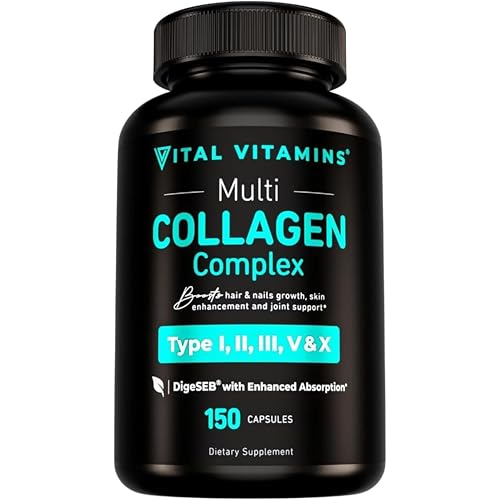
Vital Vitamins Multi Collagen Capsules – Type I, II, III, V, X – Grass-Fed, Collagen Peptides Supplements, Non-GMO – for Men & Women – 150 Count
Complete Collagen Supplements: Discover the ultimate collagen solution with our multi collagen complex. Packed with hydrolyzed collagen peptides…
As an affiliate, we earn on qualifying purchases.
As an affiliate, we earn on qualifying purchases.
Key Nutrients to Support Joint and Bone Health

To keep your joints and bones strong, you need to focus on key nutrients like calcium and vitamin D, which work together to maintain density and strength. Magnesium supports bone formation, while collagen helps keep your cartilage healthy and flexible. Ensuring you get enough of these nutrients can make a real difference in your active lifestyle. Incorporating quality supplements can further support your nutritional intake for optimal bone health.
Calcium and Vitamin D
Calcium and vitamin D are essential nutrients that work together to support your joint and bone health, especially as you age. Calcium absorption becomes less efficient over time, making it critical to get enough from your diet. Vitamin D plays an important role by aiding in vitamin D synthesis in your skin when exposed to sunlight, which helps your body absorb calcium effectively. Without sufficient vitamin D, your body can’t utilize calcium properly, increasing the risk of osteoporosis and fractures. To optimize these nutrients, include calcium-rich foods like dairy, leafy greens, and fortified products, and spend time outdoors to boost vitamin D synthesis. Regular exposure to sunlight can also help activate the noise reduction technology in modern heat pumps, which has been shown to further improve indoor comfort. Maintaining adequate levels of both supports your bone strength and reduces injury risk as you stay active.
Magnesium and Collagen
Building on the importance of calcium and vitamin D for your bones, magnesium and collagen also play essential roles in keeping your joints and skeletal system healthy. Magnesium supplements can help improve bone density and reduce inflammation, supporting overall mobility. Collagen benefits include strengthening cartilage and tendons, which can alleviate joint pain and improve flexibility. By incorporating these nutrients into your diet, you promote better joint resilience and bone strength. Imagine:
- Enhanced bone mineralization from magnesium intake
- Reduced joint discomfort through collagen’s regenerative properties
- Increased flexibility with collagen-rich foods or supplements
- Better calcium absorption aided by magnesium
Focusing on magnesium and collagen ensures your joints stay robust and your bones remain resilient, helping you stay active and pain-free.

Ganiza Blender for Smoothies, 14Pcs Personal Blender for Shake and Smoothies for Kitchen with 3 Portable Cups (1x24oz & 2X17oz), Single Serve Smoothie Maker, Nutritious Recipe
POWERFUL MOTOR & 23000RPM HIGH SPEED: Max 900W motor, the Ganiza GB06 blender for smoothies is faster and…
As an affiliate, we earn on qualifying purchases.
As an affiliate, we earn on qualifying purchases.
Tips for Incorporating Hydrating Foods Into Daily Meals
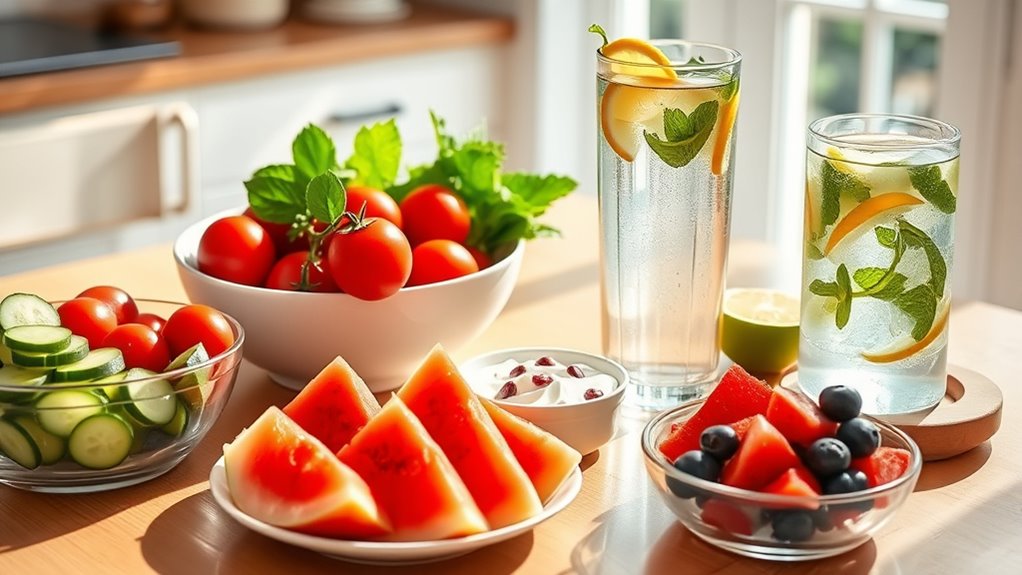
Adding hydrating foods to your meals is easier than you think. Choose fruits like watermelon or oranges for an invigorating boost, and include vegetables such as cucumbers and lettuce in your salads. Snacking on high-water-content foods like berries or celery can also keep you hydrated throughout the day. Incorporating high-water-content foods into your diet can help maintain hydration and support overall health.
Fruit Choices for Hydration
Incorporating hydrating fruits into your daily meals is a simple way to boost fluid intake and support overall health. Fruits like watermelon, strawberries, and oranges are rich in fruit antioxidants, helping your body fight free radicals. Berries, in particular, offer berry benefits such as high vitamin C and fiber content, making them excellent for hydration and overall energy. You can add sliced fruit to cereals, smoothies, or salads for a revitalizing boost. Keeping a bowl of mixed berries in your fridge encourages snacking on hydrating, nutrient-dense options. Incorporate these fruits into your meals to enjoy their natural sweetness and hydration benefits, supporting your active lifestyle while nourishing your body effectively. When planning your meals, consider the Bedroom environment to create a calming space that complements your healthy habits.
Incorporating Vegetables Easily
To naturally boost your hydration, try including more vegetables in your daily meals. Vegetable preparation can be simple—steam, chop, or add raw to salads—making them easy to incorporate. To enhance flavor and encourage consumption, experiment with herbs, spices, or a squeeze of lemon. Incorporating vegetables into your favorite dishes, like omelets or stir-fries, adds moisture and nutrition effortlessly. Choose high-water-content vegetables such as cucumbers, bell peppers, and zucchini, which provide hydration and valuable nutrients. Additionally, incorporating fiber-rich greens can improve digestion and aid in nutrient absorption. By focusing on quick preparation methods and flavor enhancement, you’ll make vegetables a regular, enjoyable part of your diet. This habit not only supports hydration but also boosts your overall nutrient intake, helping you stay active and healthy.
Snack Ideas With High Water Content
Snacking on foods with high water content is an easy way to boost hydration throughout the day. Hydrating snacks help you stay revitalized while providing essential nutrients. Incorporate water-rich fruits like watermelon, grapes, or strawberries into your day for a natural hydration boost. You can also enjoy crunchy celery sticks or cucumber slices as a rejuvenating snack. Smoothies made with water-rich fruits are another great option, offering hydration along with vitamins. Additionally, yogurt with fresh fruit can be both satisfying and hydrating. These simple choices make it easy to stay well-hydrated without extra effort, especially when you’re on the go or looking for quick, nutritious bites. Including color accuracy in your snack choices can enhance the visual appeal and enjoyment of your healthy treats. Hydrating snacks are delicious, convenient, and essential for active seniors.
Strategies for Maintaining a Balanced and Enjoyable Diet

Maintaining a balanced and enjoyable diet as an active senior is achievable by making mindful food choices and embracing variety. To do this, first, dispel hydration myths that suggest you need excessive water intake; focus instead on drinking when thirsty and consuming water-rich foods. Meal portioning helps prevent overeating and supports energy levels without feeling deprived. Use smaller, more frequent meals to keep your metabolism active and avoid heavy, hard-to-digest foods. Incorporate a variety of colorful fruits and vegetables, lean proteins, and whole grains to ensure you get essential nutrients. Remember, enjoying your meals is key—try new recipes and flavors, and listen to your body’s hunger cues. Incorporating aquatic exercise into your routine can also support your overall health and complement your nutritional efforts. A balanced diet fuels your active lifestyle and promotes overall well-being.
Recognizing and Preventing Dehydration in Older Adults

As you age, recognizing the signs of dehydration becomes increasingly important because older adults often experience a diminished sense of thirst. Dehydration prevention starts with paying attention to subtle cues like dry mouth, fatigue, dizziness, or dark urine. Elderly hydration is essential for maintaining health, especially during physical activity. To avoid dehydration, keep a consistent fluid intake, even if you don’t feel thirsty. Be mindful of factors like medications or illnesses that can increase dehydration risk. Here are some signs to watch for:
- Feeling unusually tired or weak
- Confusion or difficulty concentrating
- Dry skin or lips
- Reduced urine output or dark-colored urine
- Increased risk of dehydration can also be linked to certain health conditions common among seniors.
Practical Meal Planning and Snack Ideas for Energy and Vitality

Healthy meal planning and smart snack choices can critically boost your energy levels and support overall vitality as you age. Focus on meal prep to assure nutritious, balanced dishes ready to go, reducing reliance on processed foods. Incorporate a variety of fruits, vegetables, lean proteins, and whole grains to sustain energy throughout the day. Practice portion control to avoid overeating and maintain a healthy weight, which is vital for active seniors. Prepare snacks like nuts, yogurt, or cut-up veggies in advance to keep healthy options handy. By organizing your meals and snacks thoughtfully, you can prevent energy dips and feel more alert. Consistent, well-planned eating habits help you stay energized, support muscle maintenance, and improve overall well-being as you enjoy your active lifestyle.
Frequently Asked Questions
How Can Seniors Best Monitor Their Hydration Levels Daily?
You can best monitor your hydration levels daily by tracking your fluid intake and using hydration monitoring devices. Keep a daily log of how much water and other fluids you consume, ensuring you meet your recommended amounts. Consider wearable hydration monitors that provide real-time feedback on your hydration status. Regularly check your urine color—pale yellow indicates proper hydration. These methods help you stay aware and maintain ideal hydration levels.
Are There Specific Hydration Needs for Seniors With Chronic Health Conditions?
Yes, seniors with chronic health conditions need tailored hydration strategies. You should focus on maintaining electrolyte balance, as imbalances can cause issues like fatigue or confusion. Monitor fluid retention, which might indicate overhydration or underlying issues. Always consult your healthcare provider for personalized advice, especially if you have heart, kidney, or other conditions. Staying aware of these factors helps guarantee you stay properly hydrated without risking complications.
What Are the Signs of Overhydration in Older Adults?
Ever wondered if you’re drinking too much water? Overhydration signs include confusion, nausea, and swelling, which indicate electrolyte imbalance and kidney strain. You might also notice headaches or muscle weakness. Pay attention to these symptoms, as they suggest your body’s balance is off. It’s essential to hydrate properly without overdoing it, especially when your kidneys work harder. Are you monitoring your fluid intake to stay safe?
How Can Taste Changes Affect Seniors’ Hydration and Nutrition?
Taste changes can substantially impact your hydration and nutrition, as flavor preferences often shift with age. When your taste buds become less sensitive, you might find food and drinks less appealing, leading to reduced intake. Appetite variations can also decrease your desire to eat or drink, risking dehydration and nutrient deficiencies. To stay nourished, try enhancing flavors with herbs or spices and explore different textures to keep mealtime enjoyable and ensure proper hydration.
Are Supplements Necessary to Meet Seniors’ Hydration and Nutritional Requirements?
Supplements can be helpful, but they’re not a magic bullet. You should prioritize dietary diversity to naturally meet your hydration and nutritional needs, as whole foods provide essential nutrients and better supplement efficacy. Think of supplements as a safety net rather than the main course. If your diet is limited or you’re missing key nutrients, consulting with a healthcare professional can help determine if supplements are necessary to fill those gaps.
Conclusion
Staying hydrated and nourished is key to maintaining your active lifestyle as you age. Did you know that older adults are twice as likely to become dehydrated? By focusing on nutrient-rich foods and mindful hydration, you can boost your energy, support joint health, and enjoy every moment. Remember, small daily habits make a big difference in your overall well-being. Stay proactive, stay healthy, and keep moving forward with confidence!