
TL;DR

Get comfort and care essentials delivered free — and shop member deals
- Fast, free delivery on millions of items
- Access to Prime Big Deal Days deals on October 6–7
- Prime Video, Amazon Music and more included
A white paper from ARIIA and Flinders University says workforce shortages, complex care needs and weak links between services are making it harder for Australia’s Transition Care Program to support older people after hospital discharge. Stakeholders say the program’s principles are supported, but implementation and continuity of care remain challenges.
A new white paper from Aged Care Research and Industry Innovation Australia (ARIIA) and Flinders University says staffing shortages, complex care needs and breaks in follow-up support are limiting Australia’s Transition Care Program, which helps older people recover after a hospital stay. The findings are based on a national workshop with aged-care providers, clinicians and sector leaders, and come as hospital discharge pressures and waits for elder-care services grow.
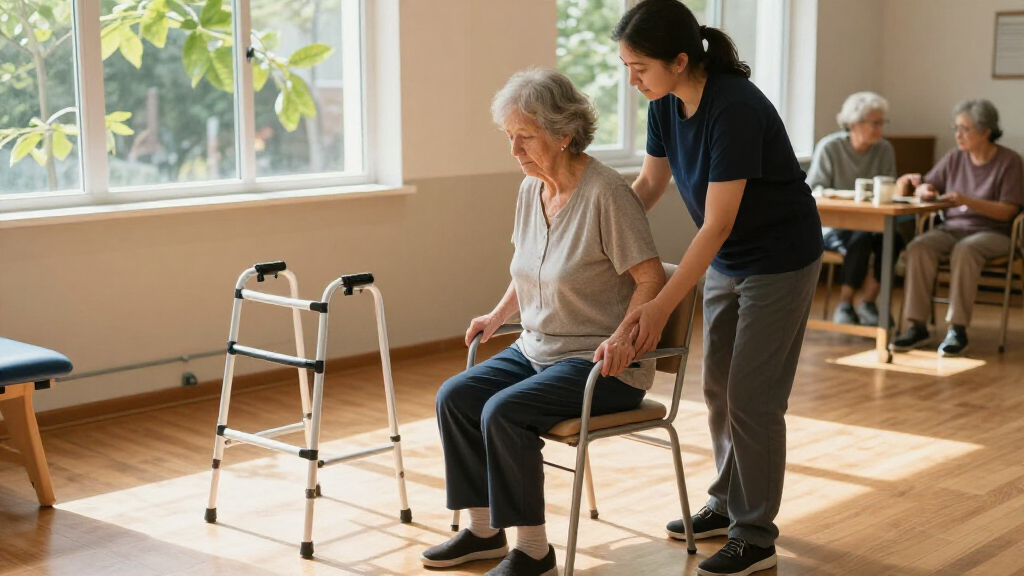
The Transition Care Program provides short-term, goal-focused support to older people leaving hospital. Its aim is to help participants rebuild strength, mobility and confidence so they can continue living independently and reduce the risk of avoidable hospital readmission. The white paper considers how restorative care is being delivered following updated program guidelines.
Lead author Dr. Claire Gough, a physical therapist and rehabilitation researcher at Flinders University’s Caring Futures Institute, said workshop participants supported the guidelines’ principles but described practical barriers to putting them into effect. Participants reported shortages across allied health, nursing, pharmacy and primary care, affecting providers in metropolitan, regional and remote communities. Some services said they could not take eligible clients because the required clinical expertise was unavailable.
The paper also describes barriers that can complicate recovery beyond clinical care, including financial hardship, housing instability, long waits for support, low health literacy and limited access to interpreters. It identifies delays in home support and shortages in community-based care as sources of gaps after a person leaves transition care. The report says stakeholders warned those gaps could undermine recovery and raise the risk of avoidable readmissions.
Staffing and Follow-Up Shape Recovery
The findings matter because transition care sits between hospital treatment and longer-term support. If older people leave hospital without timely rehabilitation or suitable help at home, the gains made during recovery may be harder to maintain. The workshop report does not quantify how often this happens, but participants described service shortages and discontinuities that could weaken the program’s intended role.
For older Australians and their families, access to a program is only one part of the pathway. Continued support may depend on coordination among hospitals, primary care, community services and aged care. ARIIA industry manager Joanna-lee Tan said stronger connections are needed so people can continue receiving support after their transition-care period ends. The paper argues that workforce capacity, service integration and better measures of restorative outcomes warrant attention as demand grows.
As an affiliate, we earn on qualifying purchases.
How Transition Care Fits After Hospital
The paper, titled National Stakeholder Workshop: Restorative Care in Practice: Advancing the Transition Care Programme, was produced by ARIIA and Flinders University’s Caring Futures Institute. It draws on a national workshop bringing together providers, clinicians and sector leaders to discuss restorative transition care under updated guidelines. Its findings reflect those participants’ reported experiences; the source does not present them as a nationwide count of service capacity or outcomes.
Transition care is intended as a time-limited bridge after a hospital stay, rather than a substitute for ongoing community or aged-care support. The report points to telehealth and other technology as possible ways to improve access, especially in rural and remote areas. It also notes constraints on wider use, including digital literacy, internet connectivity and clinicians’ confidence with the tools.
“The guidelines reinforce what good restorative care looks like, but guidelines alone will not deliver outcomes.”
— Dr. Claire Gough, lead author and Flinders University researcher
Scale of Service Gaps Remains Unclear
The source material does not give national figures for staffing shortfalls, waiting times, unavailable places or readmissions, so the scale of the reported pressures cannot be measured from this paper’s summary. It also does not establish how outcomes differ between regions or which interventions would most effectively address the problems.
The workshop findings document concerns raised by participants; they do not by themselves confirm that every transition-care provider faces the same barriers. The report identifies telehealth as an opportunity but does not quantify its effect on access or recovery. How quickly services can address workforce, connectivity and coordination constraints is also not specified.
Workforce and Service Links Ahead
The paper’s recommendations point to workforce capacity, closer coordination and clearer outcome measures as areas for further attention. It also highlights the need to connect transition care with primary care, community services and ongoing aged-care support, so recovery plans do not end when a short-term program concludes.
The source does not announce a government funding decision, implementation schedule or formal next review. The next developments to watch are whether service providers and policymakers respond to the reported workforce and pathway gaps, and whether access to community support and telehealth improves. Until further details are available, the effect of any changes on older people’s recovery remains uncertain.
Key Questions
What is Australia’s Transition Care Program?
It provides short-term, goal-focused support for older people after hospital discharge, helping them rebuild strength, mobility and confidence and continue living independently.
What problems did the white paper identify?
Workshop participants reported shortages in allied health, nursing, pharmacy and primary care, as well as gaps in home support and community services after transition care ends.
Who produced the report?
The white paper was produced by ARIIA and Flinders University’s Caring Futures Institute, drawing on a national workshop with aged-care providers, clinicians and sector leaders.
Does the report show how many older people are affected?
The source does not provide a national count of affected people or quantify staffing gaps, waiting times or readmissions. It reports concerns raised by workshop participants.
What does the paper say could improve support?
It identifies investment in workforce capacity, stronger links between services and better measures of restorative-care outcomes. It also points to possible technology and telehealth use, while noting access and digital-confidence barriers.
Source: rss
Halloween Picks
halloween
As an affiliate, we earn on qualifying purchases.