
TL;DR

Turn quiet afternoons into listening time
- Thousands of audiobooks, podcasts and originals
- Listen on your phone, tablet or Echo — also offline
- Cancel anytime
Your home may feel hotter each year due to aging insulation, deteriorating caulk, leaky ducts, and HVAC system decline. These issues can be fixed with proper inspections and upgrades, improving comfort and reducing energy costs.
Many homeowners notice their houses feeling increasingly hotter each year, especially during summer. Experts confirm that this is often due to aging components within the home, such as insulation, caulk, ductwork, and HVAC systems, rather than just external weather conditions.
According to Lane Martin, co-founder of Modern PURAIR, deteriorating home components cause cool air to escape and humidity to become trapped, raising indoor temperatures. Common issues include aging insulation, which loses its effectiveness over time, especially in attics and wall cavities, leading to increased heat transfer into living spaces.
Additionally, old caulk and weatherstripping around windows and doors often crack and break down, allowing warm air to enter and cooled air to escape. This results in temperature fluctuations and higher cooling demands. Ductwork in older homes frequently develops leaks or disconnections, causing cooled air to escape into unconditioned spaces like attics or crawl spaces, sometimes pulling in extremely hot air from these areas.
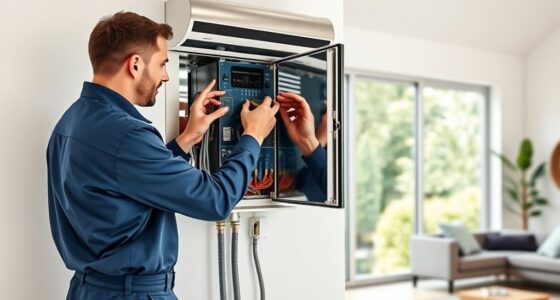
Furthermore, older HVAC systems tend to lose efficiency due to dirty coils, low refrigerant, or worn components, making them work harder to cool the home. With climate change leading to longer, more intense heatwaves, even well-maintained systems face increased pressure, reducing their effectiveness. Experts recommend routine maintenance, duct sealing, insulation upgrades, and climate-adapted HVAC sizing as key steps to restore comfort and efficiency.
Impacts of Aging Components on Home Cooling Efficiency
Understanding these hidden issues is crucial because they directly affect energy bills, indoor comfort, and the longevity of HVAC equipment. Addressing aging insulation, leaks, and duct problems can significantly reduce cooling costs and improve home comfort, especially during increasingly severe heatwaves caused by climate change.
As an affiliate, we earn on qualifying purchases.
How Home Aging and Climate Change Compound the Problem
Over the past decades, many homes have accumulated wear on insulation, caulk, ductwork, and HVAC systems, often without homeowners realizing it. Simultaneously, climate patterns have shifted, with hotter summers and longer heatwaves, placing additional strain on cooling systems. These combined factors mean that even well-maintained homes may feel uncomfortably hot, prompting a need for targeted upgrades and maintenance.
“Over the years, houses deteriorate, which can make them feel hotter. Often it’s a combination of small issues that have built up over time.”
— Lane Martin, Modern PURAIR
Uncertainties About Extent of Damage and Best Solutions
While experts agree on the main causes, the specific condition of individual homes varies widely. It is not yet clear how much each factor contributes to temperature increases in different settings, and the most cost-effective solutions may differ per home. Further assessment by professionals is recommended for tailored repairs.
Next Steps for Homeowners Facing Rising Indoor Temperatures
Homeowners should prioritize professional inspections of insulation, ductwork, and HVAC systems. Upgrading insulation, sealing leaks, and scheduling regular HVAC maintenance can improve comfort. Additionally, adapting home features to climate changes, such as installing shading or better windows, may be necessary. Future research and technological advances could offer more targeted solutions.
Key Questions
How can I tell if my insulation is failing?
Signs include uneven temperatures, higher energy bills, and visible compression or gaps in attic or wall insulation. A professional inspection can confirm its condition.
What are the most cost-effective upgrades I can make?
Sealing leaks with caulk and weatherstripping, upgrading attic insulation, and sealing ductwork typically offer significant improvements at moderate costs.
Can I fix these issues myself?
Some minor repairs, like sealing gaps or replacing weatherstripping, can be DIY projects. However, professional help is recommended for duct sealing and HVAC maintenance.
How often should I have my HVAC system serviced?
Routine maintenance, including coil cleaning and refrigerant checks, is recommended at least once a year, ideally before peak cooling seasons.
Source: Bob Vila
Cold & flu season Picks
humidifiers
As an affiliate, we earn on qualifying purchases.