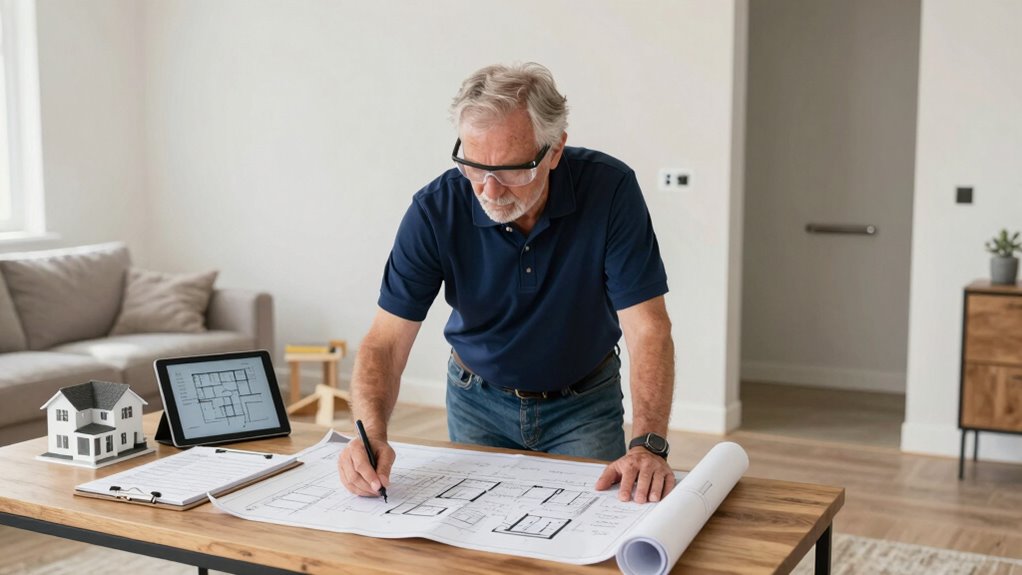

When choosing a contractor for senior-focused home projects, prioritize experience with accessible design and safety standards. Ask about their licenses, certifications, and past work on similar projects. Look for clear communication, reliable references, and a focus on eco-friendly, hazard-reducing materials. Making certain they understand safety, accessibility, and innovations like assistive tech is essential. To find the best fit and ensure a smooth process, you’ll want to explore these key factors further.
Open a free Amazon Business account
Business pricing, bulk buying and tax-exempt orders.
As an affiliate, we earn on qualifying purchases.
Key Takeaways
- Verify licenses, insurance, and certifications like Certified Aging in Place Specialist (CAPS).
- Review references and past senior-focused projects to assess safety, accessibility, and quality.
- Ensure contractors understand safety standards, ADA guidelines, and senior-specific modifications.
- Prioritize clear communication, transparency, and collaboration throughout the project.
- Choose dependable contractors with a focus on safety, eco-friendly materials, and innovative assistive technologies.
Senior accessible home modification kits
As an affiliate, we earn on qualifying purchases.
As an affiliate, we earn on qualifying purchases.
What Qualities Make a Great Senior Home Contractor?
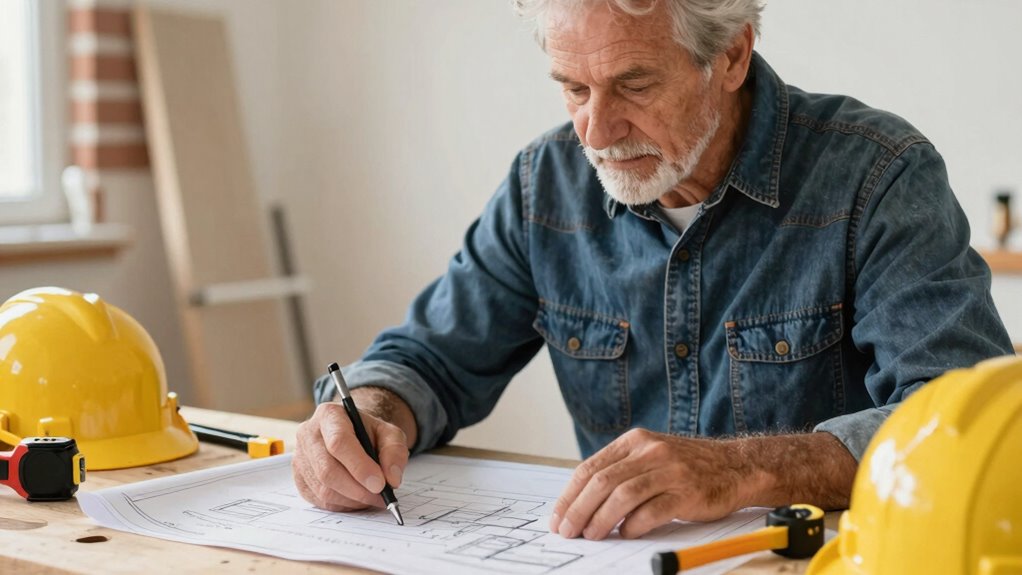
When choosing a contractor for senior-focused home projects, you want someone who combines experience with empathy. A great contractor understands the importance of design aesthetics that prioritize safety and comfort without sacrificing style. They pay close attention to material selection, choosing durable, non-slip surfaces and easy-to-maintain finishes that suit seniors’ needs. You’ll notice they listen carefully to your preferences and incorporate accessible features seamlessly into the design. Such contractors are detail-oriented, ensuring that every element enhances both functionality and visual appeal. They stay updated on the latest trends in senior-friendly design and select materials that promote safety, durability, and a warm, inviting atmosphere. Additionally, incorporating modern design elements like subtle accessories and balanced proportions can help create a space that feels both stylish and accessible. Recognizing the importance of specialized materials that cater to specific needs is also a hallmark of a knowledgeable contractor. Being familiar with home safety precautions is essential for ensuring that the entire project aligns with the unique requirements of seniors. Staying informed about vetted products that meet safety and quality standards can further enhance the project’s success. Understanding the various Gold IRA markets can also provide insight into choosing trustworthy professionals and materials that align with long-term safety and value. Ultimately, their approach reflects a genuine understanding of what makes a home truly comfortable for seniors.
How to Assess a Contractor’s Experience With Senior Home Projects
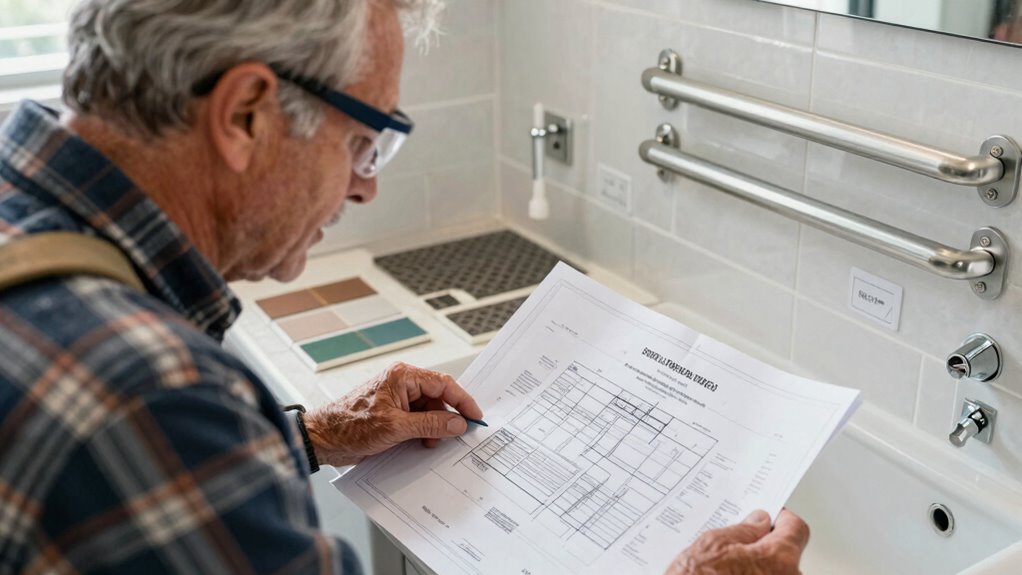
Evaluating a contractor’s experience with senior home projects requires more than just checking their portfolio. Look for specific examples where they’ve integrated home automation systems that enhance convenience and independence. Ask if they’ve worked on projects that prioritize aesthetic design, blending functionality with pleasing visuals tailored for seniors’ needs. Find out if they’re familiar with modifications like low-threshold showers, grab bars, or accessible kitchen layouts. A seasoned contractor should be able to discuss how they’ve successfully balanced safety, usability, and style in past projects. Don’t hesitate to request references or case studies that highlight their expertise in creating senior-friendly environments that feel comfortable and modern. Understanding senior-friendly design principles can further ensure the project meets the specific needs of aging residents. Additionally, exploring their familiarity with environmental impact of materials can help select sustainable options that benefit both the residents and the environment. Being aware of adaptive design strategies can also aid in planning future-proof modifications that grow with residents’ changing needs. Recognizing indoor air quality and humidity considerations is essential for creating a healthier living environment for seniors, especially in regions with extreme climate variations. Moreover, understanding market trends in senior living can provide insights into contemporary design innovations that enhance quality of life for seniors.
Why Safety and Accessibility Knowledge Are Must-Haves

Safety standards and accessibility measures are critical when choosing a contractor for senior home projects. You need someone who understands essential safety protocols and compliance requirements to prevent accidents. A thorough knowledge of home safety features can help ensure that modifications are both effective and compliant with relevant regulations. Additionally, familiarity with outdoor transformation essentials, such as fire pits and seating areas, can contribute to creating a safe and inviting environment. Prioritizing this knowledge guarantees your loved ones can move around safely and confidently. Understanding indoor air quality and how proper ventilation and dust control impact health is also vital for creating a safe and comfortable home environment. Being aware of measurement tools used in assessing safety features can further ensure that installations meet the highest standards. Incorporating knowledge of seasonal events and promotions can also help in planning upgrades during optimal times, ensuring safety and quality are maintained.
Essential Safety Standards
Ensuring safety and accessibility standards are met isn’t just a good idea—it’s an essential part of any senior-focused home project. You need contractors who understand safety codes and incorporate essential features like home automation to enhance security and convenience. They should also prioritize eco-friendly materials that reduce hazards, such as non-slip flooring and low-VOC paints, promoting healthier living environments. A knowledgeable contractor will ensure proper lighting, sturdy handrails, and accessible pathways, reducing fall risks. They must stay current with safety regulations and best practices to protect you and your loved ones. Incorporating regional flavors and thoughtful design elements can also create a more welcoming and personalized space. Additionally, understanding color theory for water/tile can help in selecting hues that improve visibility and create a calming atmosphere. Staying informed about safety standards and regulations is crucial for contractors to provide a truly safe environment. Being aware of building safety codes can guide effective project planning and compliance. Recognizing the importance of accessibility features can further enhance home safety and usability for seniors. By choosing a contractor who emphasizes safety standards, you’re investing in a safer, more accessible home that supports independence and peace of mind.
Accessibility Compliance Measures
Because accessibility compliance is essential for creating a home that truly supports seniors’ independence, selecting contractors who understand these standards is a must. Knowledge of universal design and adaptive features ensures your home remains functional and safe. Contractors should be familiar with guidelines like ramp slopes, door widths, and non-slip flooring. These measures help avoid accidents and promote ease of movement. Incorporating crochet styles for locs can also serve as an example of personalized and creative adaptations in home decor that reflect individual preferences.
Questions to Ask a Contractor Before Hiring
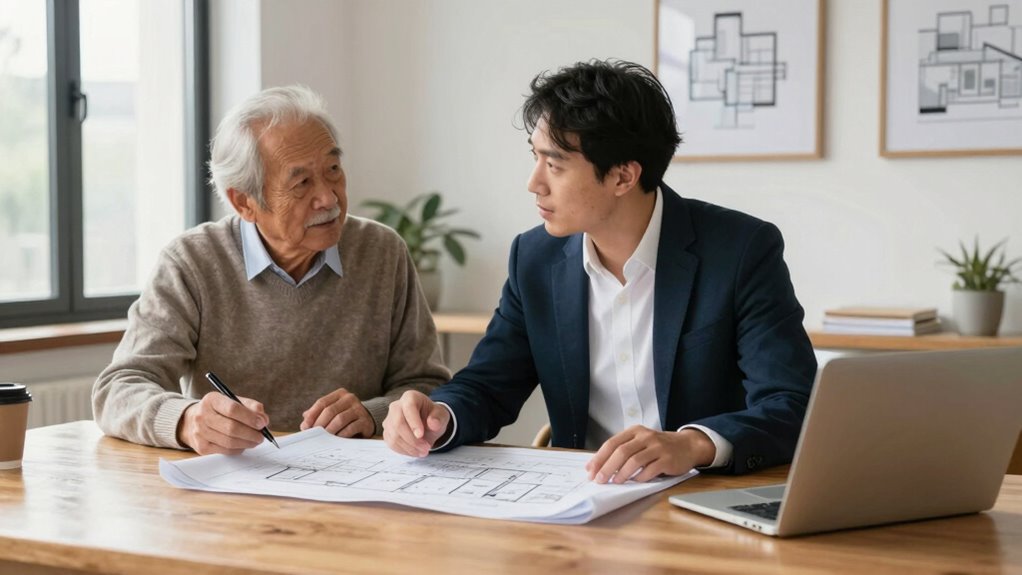
Before hiring a contractor, ask about their credentials and licensing to guarantee they’re qualified. Find out if they have experience with senior-focused projects, so you know they understand your specific needs. Don’t hesitate to request references or examples of similar work to verify their expertise. Additionally, consider their approach to home retreat styling, ensuring they can incorporate your personal aesthetic into functional designs. It’s also helpful to inquire if they are familiar with outdoor activity spaces or landscape modifications, especially if outdoor accessibility and safety are priorities for your home. Being aware of their knowledge of environmental considerations can help ensure they prioritize sustainable and eco-friendly practices in their work. Incorporating ethical practices into their projects demonstrates their commitment to responsible and environmentally conscious construction.
Credentials and Licensing
When evaluating contractors for senior-focused home projects, asking about their credentials and licensing should be a top priority. Verify that they hold valid licenses specific to your location and project type, ensuring they meet state or local requirements. Proper credentials demonstrate professionalism and adherence to safety standards. Ask if they have specialized training in interior design and technology integration, which are essential for creating accessible, functional spaces. Licensed contractors are more likely to follow building codes, reducing risks of future issues. Request proof of insurance to protect yourself from liability. Confirm their certifications related to senior-friendly modifications, and don’t hesitate to check references for quality assurance. These steps help you select a qualified, trustworthy professional committed to your project’s success.
Experience With Senior Projects
How can you tell if a contractor has enough experience with senior-focused projects? Ask about their past work on similar home modifications. Do they regularly incorporate technology integration, like smart home systems or emergency alert devices? Check if they’ve used eco-friendly materials that promote a healthier environment and improve safety, such as non-slip flooring or low-VOC paints. Request references from previous senior projects to gauge client satisfaction. A contractor with relevant experience will understand the unique needs of seniors, including mobility and safety concerns. They should be familiar with current innovations and best practices for senior-friendly living, demonstrating a strong track record of successful, tailored updates. This *guarantees* your home will be both functional and comfortable for your loved ones.
How to Check References and Past Senior Home Projects
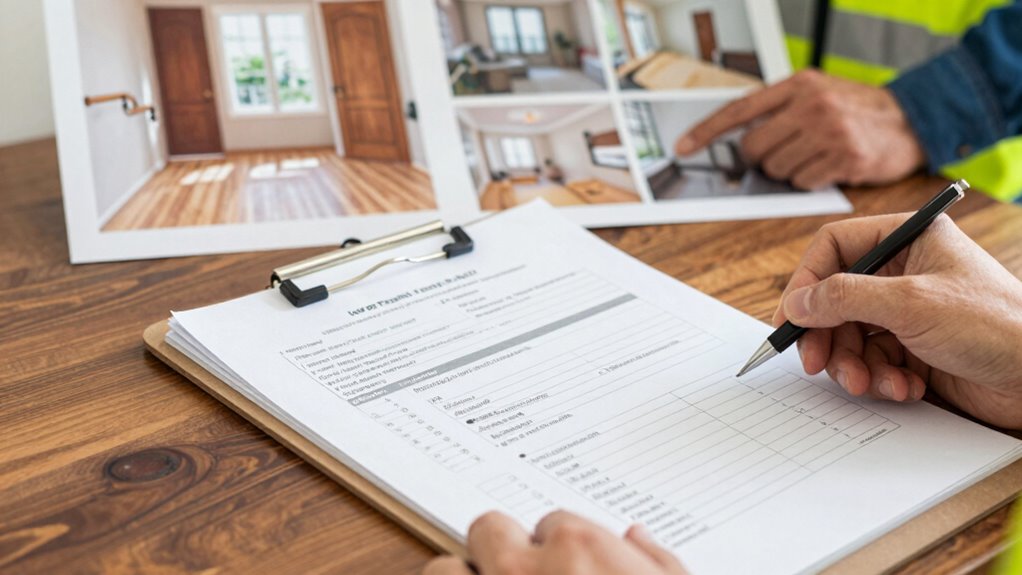
Checking references and reviewing past senior home projects is essential to guarantee you’re hiring a contractor who understands the specific needs of seniors. When contacting references, ask about the contractor’s attention to design aesthetics and how well they incorporated senior-friendly features. Inquire whether the projects prioritized material durability, ensuring surfaces and fixtures withstand daily use without frequent repairs. Review photos or visit completed projects if possible, evaluating how the design promotes safety, comfort, and accessibility. Pay attention to details like non-slip flooring, grab bars, and easy-to-reach storage. A reputable contractor will gladly share references and show examples of their previous work, giving you confidence that they can meet your home’s unique needs for safety, functionality, and style.
Key Certifications and Training for Senior Home Contractors
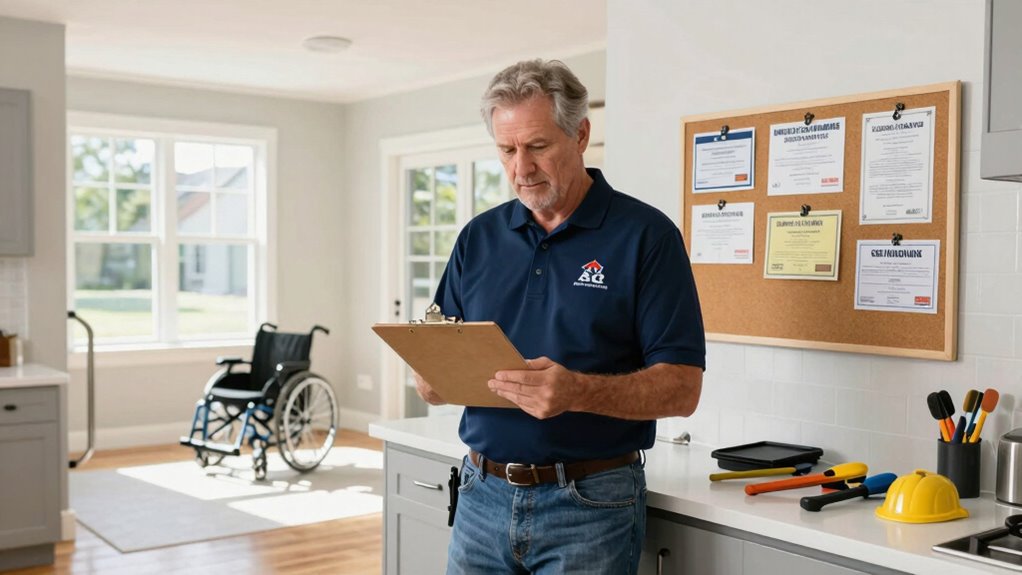
To guarantee your contractor is well-equipped to handle senior-focused projects, look for relevant certification standards that demonstrate their expertise. Specialized training programs can also indicate they understand the unique needs of older adults. These credentials help you choose a professional who is both qualified and knowledgeable.
Relevant Certification Standards
Are you aware of the certifications and training that guarantee contractors are qualified to handle senior-focused home projects? Look for professionals with certifications like the Certified Aging in Place Specialist (CAPS), which validates expertise in designing accessible and safe spaces. Contractors should also demonstrate knowledge of smart home integration, confirming technology enhances safety and convenience for seniors. Additionally, they should be trained in using eco-friendly materials, promoting healthier living environments. Certification standards often include adherence to building codes and safety regulations specific to senior needs. Verifying these credentials helps ensure your contractor understands the importance of accessible design, energy efficiency, and safety features, giving you confidence that your home will be both functional and sustainable for years to come.
Specialized Training Programs
Ever wonder what specific training sets apart contractors skilled in senior-focused home modifications? Specialized training programs emphasize ergonomic design principles, ensuring that home features support safety, comfort, and independence. Contractors learn to assess and implement assistive technology, like grab bars, stair lifts, and voice-activated systems, tailored for seniors’ needs. Certifications such as the Certified Aging-in-Place Specialist (CAPS) or training from organizations like the National Association of Home Builders help contractors understand the unique challenges seniors face. These programs also cover universal design concepts, making homes more accessible. By completing these targeted courses, contractors demonstrate their commitment to safe, functional, and senior-friendly renovations, giving you confidence that your project will meet the highest standards of care and expertise.
How to Communicate Clearly and Compassionately With Your Contractor

Effective communication is essential when working with your contractor on senior-focused home projects, especially since these projects often involve sensitive needs and specific preferences. Cultivating emotional intelligence helps you express your concerns clearly and understand your contractor’s perspective. Be open about your priorities and listen actively to their suggestions. Showing cultural sensitivity fosters mutual respect, which can ease discussions and address diverse needs. Use simple, direct language to guarantee misunderstandings are avoided and ask questions if something isn’t clear. Empathy helps you communicate compassionately, making the process smoother and more collaborative. Remember, a respectful, honest dialogue builds trust and ensures your home modifications truly support your comfort and safety.
Evaluating Cost Estimates for Senior Home Modifications
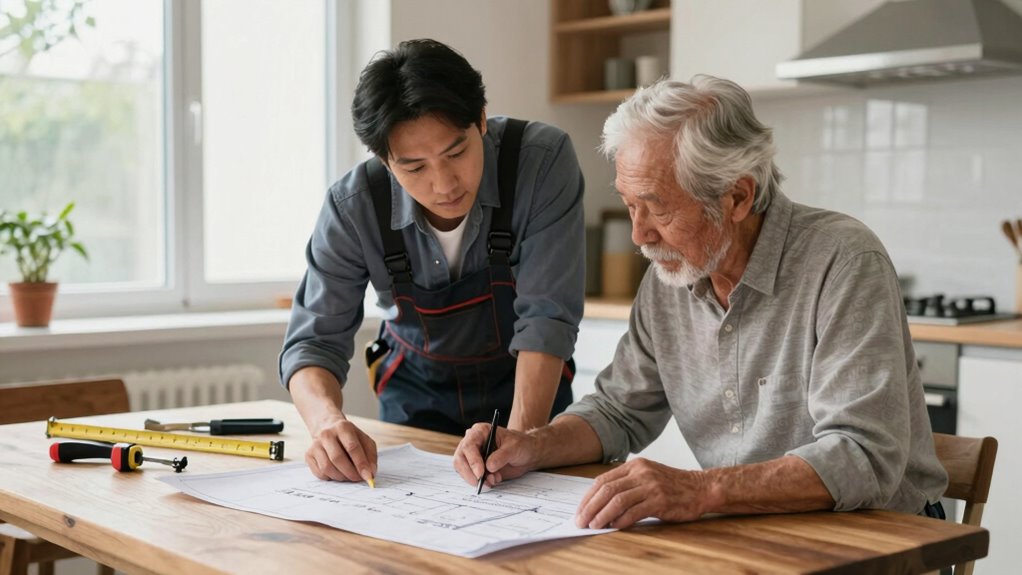
When reviewing cost estimates for senior home modifications, it’s important to approach the process with a clear understanding of what each quote includes. Carefully compare the scope of work, materials, labor costs, and timelines to guarantee you’re making an accurate cost comparison. Don’t just focus on the total price—look at the details behind each estimate to identify potential hidden fees or extra charges. This helps with effective budget planning, ensuring you’re prepared for the full expense. Keep in mind that the lowest quote isn’t always the best choice; quality and reliability matter. By thoroughly evaluating the estimates, you’ll make informed decisions that balance cost, quality, and your senior loved one’s safety and comfort.
Tips for Collaborating Effectively During Your Home Project

Collaborating smoothly during your home project requires clear communication and active involvement. Keep an open dialogue with your contractor about your needs and expectations, especially regarding technology integration to guarantee accessibility and safety. Discuss design aesthetics early on, so choices reflect your style while meeting functional requirements. Regular check-ins help you stay informed and address concerns promptly. Be specific about your priorities and preferences, and don’t hesitate to ask questions. Use visual aids or mood boards to clarify design ideas. Listening carefully and providing feedback fosters a collaborative atmosphere. This approach helps ensure the project aligns with your vision, making the process smoother and more enjoyable. Effective collaboration ultimately leads to a home upgrade that’s both practical and aesthetically pleasing.
Signs of a Reliable and Trustworthy Senior Home Improvement Specialist
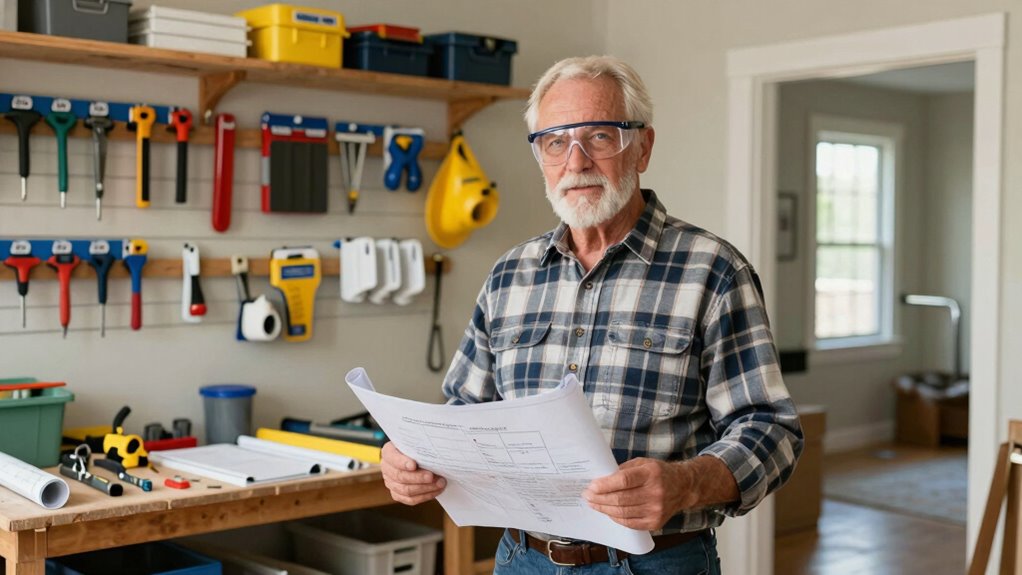
Choosing the right contractor for senior-focused home projects requires recognizing key signs of reliability and trustworthiness. Look for specialists who prioritize safety features like easy-to-use home automation systems, ensuring seniors can control lighting, security, and climate effortlessly. A trustworthy contractor will discuss environmental sustainability, suggesting eco-friendly materials and energy-efficient solutions that benefit both the environment and your loved one’s health. They should be transparent about their credentials, licensing, and experience working with seniors’ unique needs. Reliable specialists listen carefully, communicate clearly, and provide detailed estimates without hidden costs. Their professionalism extends to respecting your home and timeline. If a contractor demonstrates these qualities and offers sustainable, senior-friendly options, you’re more likely to choose someone dependable who truly understands your project’s importance.
Frequently Asked Questions
How Do I Verify a Contractor’s Licensing and Insurance?
You verify a contractor’s licensing and insurance by doing background checks and reviewing their credentials. Contact your state licensing board to confirm their license is current and valid. Request proof of insurance, including liability and workers’ comp, and verify these documents directly with the insurance companies. Checking online reviews and asking for references helps guarantee they’re reputable. This thorough process protects you and ensures the contractor meets professional standards.
What Are Common Red Flags When Hiring a Senior Home Contractor?
Watch out for red flags like vague pricing transparency and poor communication clarity—these are like storm clouds on your sunny day. If a contractor avoids clear estimates or dismisses your questions, it signals trouble ahead. Trust your instincts; a reliable contractor will be open, honest, and keep you informed every step. These signs help safeguard your loved ones and ensure your home project stays smooth and safe.
How Long Should a Typical Senior-Focused Home Project Take?
A typical senior-focused home project usually takes about 2 to 4 weeks, depending on the scope and complexity. You should expect a clear project timeline from your contractor that includes time for senior-specific modifications, like ramps or grab bars. Keep in mind that unexpected delays can happen, so open communication and detailed planning are vital to guarantee your project stays on track and meets your safety needs.
Are There Specific Warranties or Guarantees I Should Expect?
You should expect your contractor to offer clear product warranties and satisfaction guarantees. These warranties protect your investment by covering repairs or replacements if issues arise post-project. Satisfaction guarantees ensure the contractor commits to meeting your expectations, making adjustments if needed. Always review these guarantees carefully before signing any contract. Reliable contractors prioritize transparency and stand behind their work, giving you peace of mind throughout your senior-focused home project.
How Can I Ensure My Contractor Understands My Specific Senior Needs?
To guarantee your contractor understands your senior needs, communicate clearly about safety modifications and adaptive technology. Share specific concerns like grab bars, stairlifts, or non-slip flooring, and ask if they have experience with such projects. Observe whether they listen attentively and ask relevant questions. A good contractor will incorporate your priorities into the plan, making sure your home is safer and more accessible, tailored to your unique requirements.
Conclusion
Choosing the right contractor isn’t just about price or speed—it’s about finding someone who truly understands your needs and can make your home safer and more comfortable. But how do you spot that perfect fit? The answers lie in asking the right questions, checking references, and trusting your gut. Ready to take the next step? With the right contractor, your dream home for aging in place is closer than you think—just one decision away.
Fall yard work Picks
leaf blowers
As an affiliate, we earn on qualifying purchases.