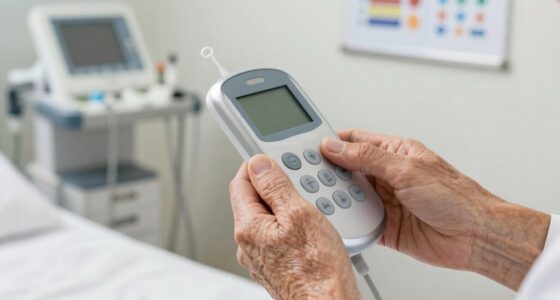
When your senior loved one returns home after rehab, start by evaluating their mobility and making safety upgrades like installing grab bars, non-slip floors, and improving lighting. Focus on key areas such as the bathroom, bedroom, and living spaces, and clear clutter to prevent falls. Consider assistive devices and technology that promote independence. Smart, budget-friendly modifications can make a big difference, and exploring more tips will help you prepare your home for long-term safety and comfort.
Open a free Amazon Business account
Business pricing, bulk buying and tax-exempt orders.
As an affiliate, we earn on qualifying purchases.
Key Takeaways
- Prioritize installing grab bars and non-slip mats in bathrooms for immediate safety.
- Clear clutter and create unobstructed pathways in main living areas and hallways.
- Enhance lighting with bright, adjustable fixtures to improve visibility and reduce fall risks.
- Assess mobility needs and add supportive features like handrails and accessible furniture.
- Implement security measures such as locks and surveillance cameras for safety and peace of mind.
As an affiliate, we earn on qualifying purchases.
Evaluate Your Mobility to Guide Home Upgrades
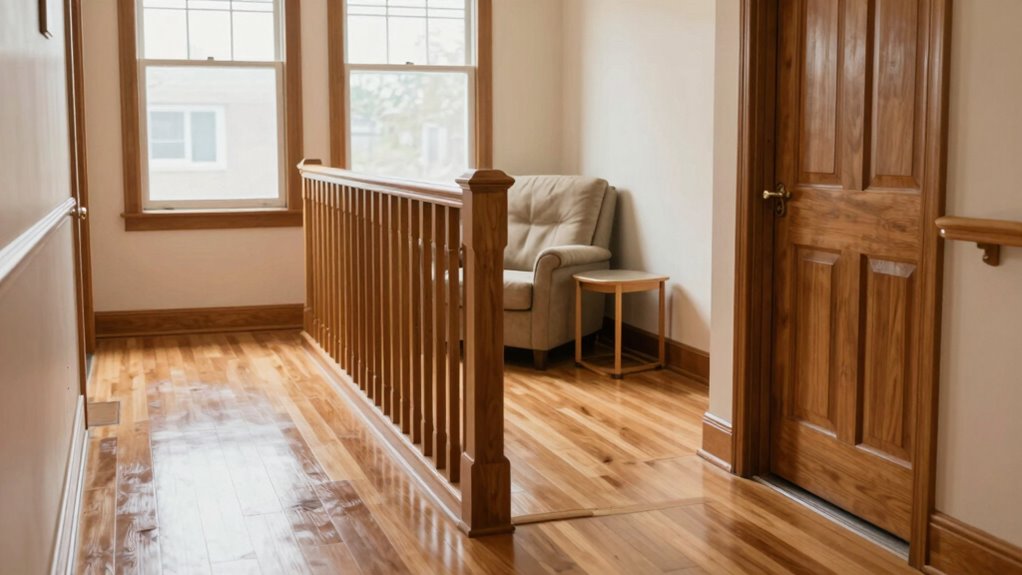
Before making any home upgrades, it’s essential to assess your current mobility. Conduct mobility assessments to understand your strengths and limitations. This step helps identify which areas of your home may need support or modifications. Consider how easily you can walk, climb stairs, or stand for extended periods. Assistive technology, like grab bars, walkers, or stairlifts, can considerably improve safety and independence. Take note of any difficulties, such as balancing or reaching objects. Incorporating features like outdoor seating areas to enhance comfort and accessibility. Additionally, understanding the importance of contrast ratio can help in selecting appropriate lighting and visual cues to improve visibility and safety. Paying attention to home layout and the flow of spaces can also make a significant difference in ease of movement. Conducting regular mobility assessments can help track your progress and adjust your home modifications as needed. By thoroughly evaluating your mobility, you’ll know what areas need attention and what equipment or adjustments will help you move comfortably and securely. Implementing accessible design principles can further optimize your home environment for safety and ease of use. This personalized approach ensures that your home upgrades effectively support your recovery and daily activities, making your return home safer and more manageable.
Prioritize Safety With Essential Home Modifications
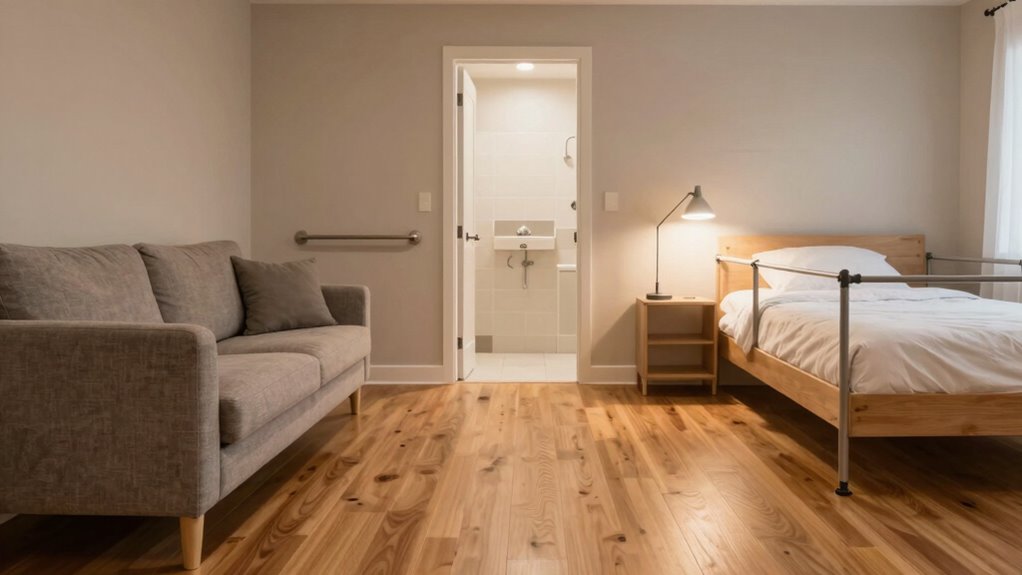
Ensuring safety should be your top priority when making home modifications after rehab. Focus on essential updates that prevent falls and accidents, like secure handrails, non-slip flooring, and proper lighting. Home security is equally important, so consider installing security systems, sturdy locks, and surveillance cameras to protect your loved one. While safety takes precedence, don’t forget aesthetic updates that make the space inviting and comfortable. Simple changes like fresh paint, decluttering, or adding comfortable, accessible furniture can boost mood and confidence. Incorporating home safety assessments can help identify other potential hazards you might overlook. Additionally, reviewing the comogenic ratings of products used during renovations can ensure that new materials won’t irritate sensitive skin or cause other issues. Addressing both safety and security early on helps your loved one settle in comfortably and confidently back home. Paying attention to product safety standards can further enhance the well-being of your loved one during this transition. Conducting a thorough home environment review can reveal specific hazards unique to your space and needs.
Upgrade Key Areas: Bathroom, Bedroom, and Living Spaces
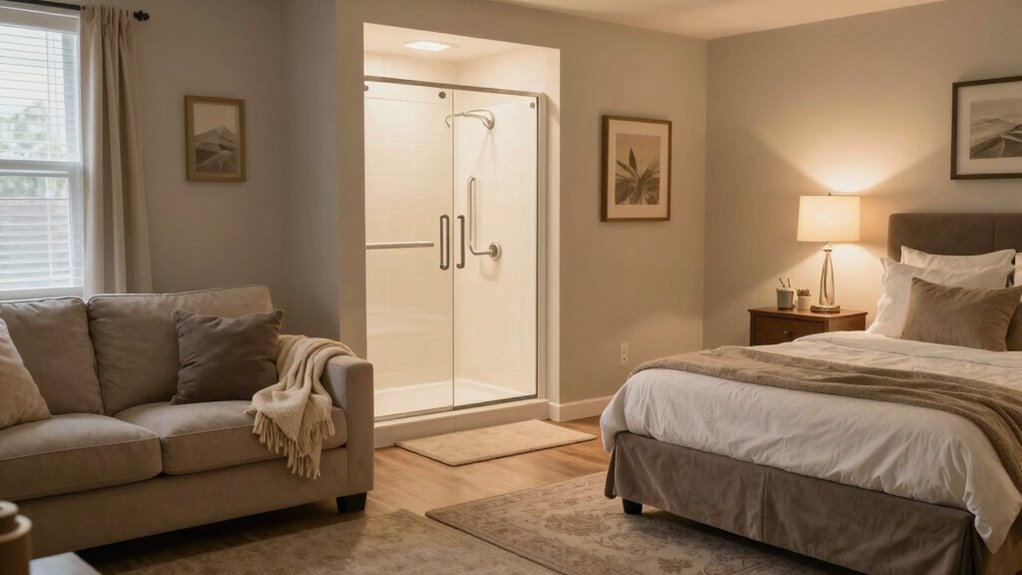
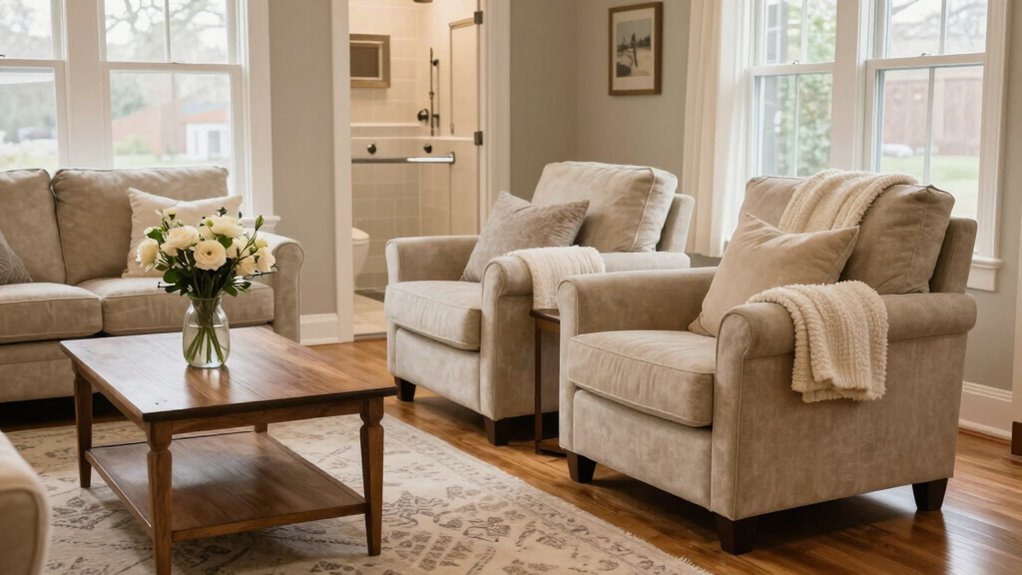
Focusing on upgrading key areas like the bathroom, bedroom, and living spaces is essential to creating a comfortable and accessible environment for your loved one. Prioritize bathroom safety by installing grab bars, non-slip mats, and accessible fixtures to prevent falls and make daily routines easier. In the bedroom, enhance comfort with supportive mattresses, adjustable lighting, and easy-to-reach storage. Guarantee the space feels cozy yet functional, promoting relaxation and independence. Living spaces should be arranged to reduce clutter and increase mobility, with clear pathways and comfortable seating. These upgrades help your loved one feel secure and at ease, making their movement home smoother. Addressing bathroom safety and bedroom comfort creates a supportive foundation for their recovery and ongoing well-being. Incorporating DIY safety tips can also help you make these upgrades confidently and securely. Additionally, considering environmental impact of tissue paper when choosing materials can promote a more sustainable and eco-friendly home environment. Being mindful of home safety features can further enhance overall security and peace of mind during recovery. Incorporating proper lighting solutions can also improve visibility and reduce hazards in all areas of the home.
Choose Assistive Devices That Help You Stay Independent
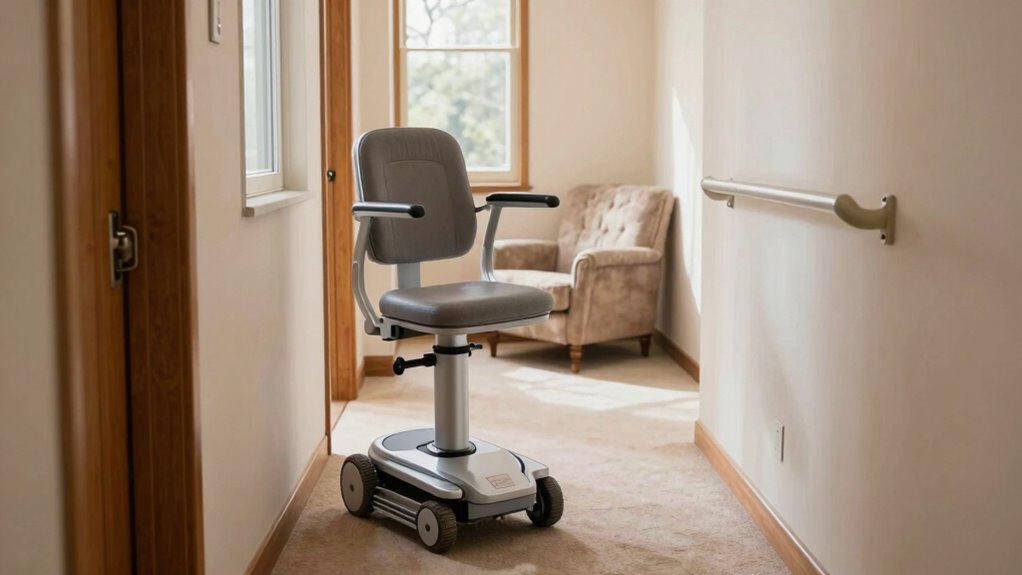
Choosing the right assistive devices can considerably boost your loved one’s independence as they move back home. Assistive technology, like voice-activated devices or medication reminders, helps manage daily tasks more easily. Adaptive equipment, such as grab bars, raised toilet seats, and ergonomic tools, makes movement safer and reduces strain. When selecting these devices, focus on what addresses their specific needs and promotes confidence. Simple, well-chosen tools can prevent falls, improve mobility, and encourage self-reliance. It’s also helpful to consider personalized solutions that fit their unique routines and living environment. Ensuring the indoor environment has good air quality can further support their health and comfort while using these devices. Additionally, selecting appropriate assistive technology that aligns with their preferences can make a significant difference in daily comfort and independence. Understanding Adaptive equipment options that cater to different mobility levels can help you choose the most effective solutions. Remember, the goal is to make everyday activities manageable without feeling overwhelmed. Assistive technology can be tailored to meet individual preferences and lifestyle, further enhancing their comfort and independence. By investing in appropriate assistive technology and adaptive equipment, you’re supporting your loved one’s progression to a safe, independent life at home.
Improve Lighting and Manage Clutter for Safety
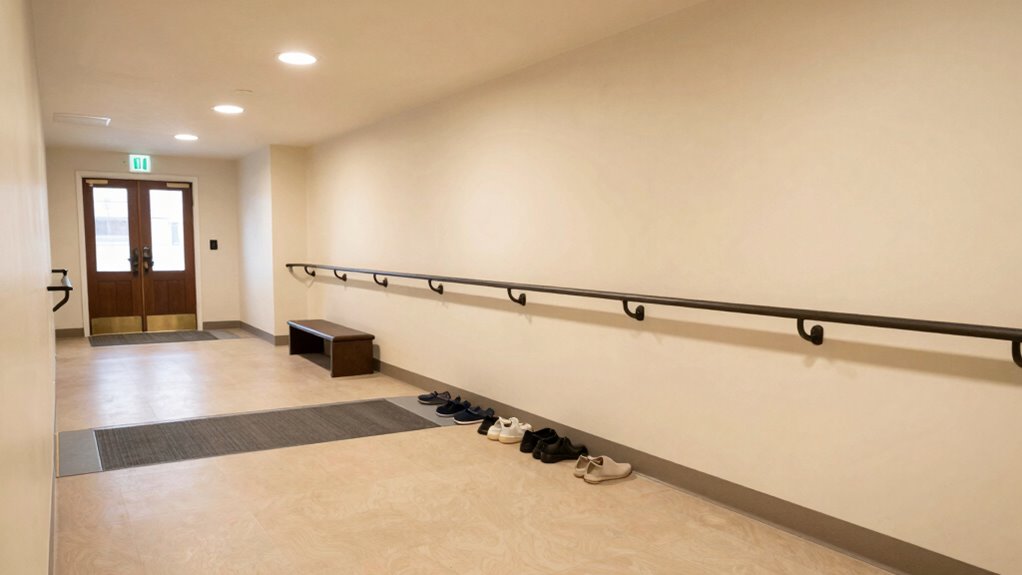
Improving your lighting and managing clutter can make your home much safer. You should improve ambient lighting and add bright task lights where needed to prevent accidents. Clearing pathways of clutter ensures you have a clear, easy route throughout your home. Incorporating interactive murals or digital frames with clear, uplifting images can also create a calming environment that promotes comfort and well-being. Ensuring proper filter sizing/flow can help maintain clean water, reducing hazards that could compromise safety. Regularly inspecting and maintaining your kitchen equipment can also prevent malfunctions that pose safety risks. Additionally, choosing high-quality gelato flavors for any treats can provide comforting moments during recovery. Incorporating smart home safety features, such as leak detectors and indoor air monitoring, can further enhance overall safety for returning seniors.
Enhance Ambient Lighting
Enhancing ambient lighting is a crucial step in creating a safe and comfortable home environment for a senior returning from rehab. Proper ambient lighting provides even, gentle illumination that reduces shadows and minimizes trip hazards. Consider installing ceiling-mounted fixtures, wall sconces, or dimmable lights to customize the cozy atmosphere. Soft, warm light bulbs help make the space inviting and calming, which can ease anxiety and promote relaxation. Avoid harsh, overly bright lights that cause glare or discomfort. Strategically placed lighting ensures all areas are well-lit without overwhelming the senses. Incorporating appropriate lighting controls can further enhance safety and convenience for your loved one. Selecting the right lighting fixtures and understanding their placement can prevent accidents and improve overall visibility. By upgrading your ambient lighting, you create a welcoming environment that supports safety, independence, and peace of mind for your loved one.
Use Bright Task Lights
Bright task lights are essential for ensuring safety and efficiency in daily activities, especially in areas like the kitchen, bathroom, and bedside. Proper task lighting helps you see clearly, reducing the risk of accidents and making chores easier. Choose energy-efficient options, like LED bulbs, to save on electricity while maintaining bright illumination. Installing adjustable task lights allows you to direct light exactly where you need it, enhancing visibility. Bright task lights also help you perform detailed tasks such as reading medication labels or preparing meals safely. By upgrading to effective task lighting, you create a safer environment that supports independence and reduces hazards, all while being mindful of energy consumption. Proper lighting is a simple yet impactful way to improve safety in your home.
Declutter for Clear Pathways
Clearing clutter from your home is a crucial step in creating safe, unobstructed pathways. Use organizational techniques to categorize and store items efficiently, making it easier to maintain order. Implement storage solutions like bins, shelves, and cabinets to keep frequently used items accessible but out of the way. Remove unnecessary furniture or decorations that can cause tripping hazards. Regularly assess your space and straighten up to prevent accumulation of clutter. A tidy environment not only reduces fall risks but also boosts your confidence to move freely. Focus on creating clear routes in hallways, doorways, and around furniture. By managing clutter with effective storage solutions, you’ll guarantee safer, easier navigation throughout your home.
Use Technology to Monitor and Support Your Recovery

Using smart home devices can help you keep an eye on your safety and daily routines, providing peace of mind for both you and your loved ones. Remote health monitoring tools allow your healthcare team to track your recovery progress without frequent visits. Incorporating these technologies makes managing your recovery more convenient and proactive.
Smart Home Devices Integration
Integrating smart home devices can considerably enhance your recovery by providing real-time monitoring and assistance tailored to your needs. Voice control allows you to operate lights, thermostats, and other devices effortlessly, reducing physical strain and increasing independence. Security cameras offer added safety by enabling you or caregivers to monitor your environment remotely, ensuring your well-being without constant supervision. These devices can alert you to unusual activity or emergencies, giving you peace of mind. By combining voice control with security cameras, you create a responsive, safe environment that adapts to your recovery journey. Smart home integration makes daily routines more manageable, promotes safety, and helps you regain confidence as you progress back home.
Remote Health Monitoring
Have you considered how remote health monitoring can support your recovery at home? This technology allows you to stay connected with healthcare providers through telehealth consultations, ensuring ongoing support and adjustments to your care plan. Wearable sensors track essential signs like heart rate, oxygen levels, and activity, providing real-time data to your medical team. These devices help catch potential issues early, reducing hospital readmissions. To help you understand, here’s a quick overview:
| Feature | Benefit | Example |
|---|---|---|
| Telehealth | Remote consultations | Video doctor visits |
| Wearable Sensors | Continuous health monitoring | Heart rate monitors |
| Data Integration | Easy health tracking | Smartphone apps |
| Alerts | Immediate issue detection | Emergency notifications |
This setup keeps you supported and informed as you recover.
Budget Smart: Cost-Effective Home Improvements
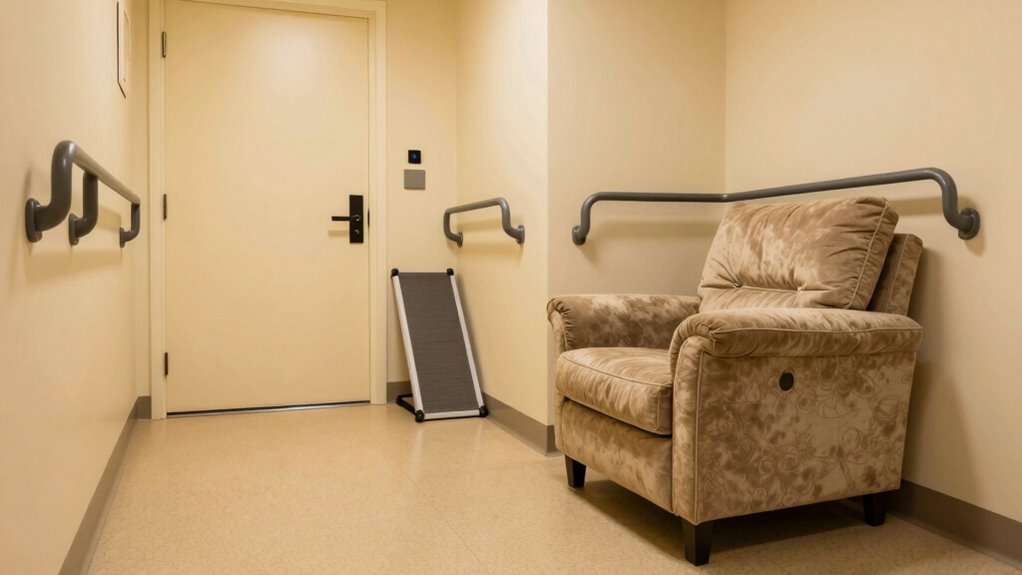
When working with a limited budget, focusing on cost-effective home improvements can make a significant difference in creating a safe and comfortable environment. Start by identifying your budget priorities—what upgrades will have the biggest impact on safety and daily living? Use cost-saving strategies like installing grab bars in bathrooms or adding non-slip mats, which are affordable and practical. Consider repainting walls or replacing worn-out flooring instead of extensive renovations. Prioritize simple, high-impact updates over costly projects. Shopping for sales or secondhand items can also stretch your budget. Remember, small adjustments often provide the greatest safety benefits and comfort, making your home more accessible without overspending. Focus on smart, targeted improvements that align with your financial limits.
Plan Flexible Solutions for Long-Term Needs
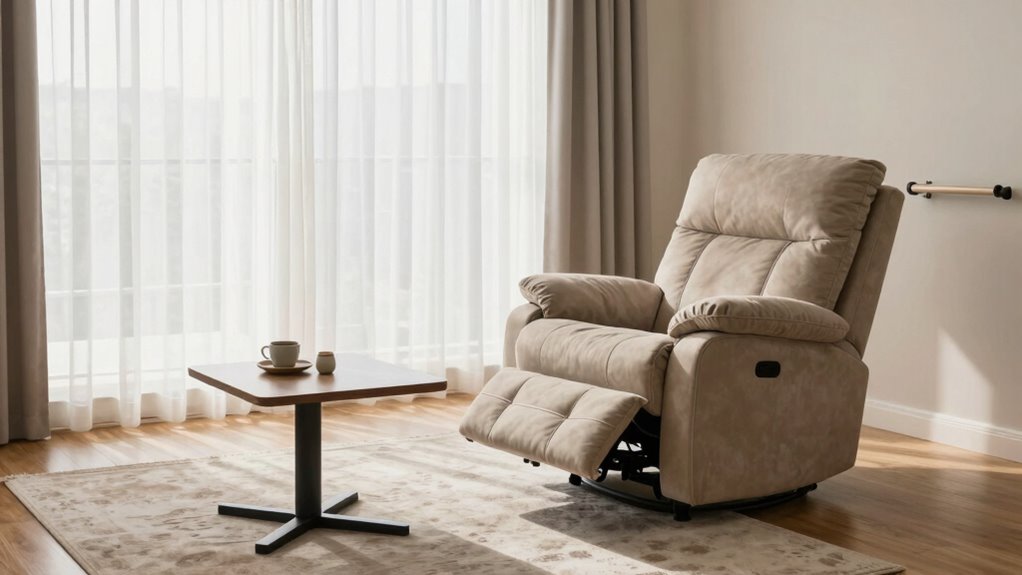
Planning flexible solutions guarantees your home can adapt to changing needs over time. Incorporate adaptive furniture that adjusts to mobility levels and offers comfort as you recover and age. This type of furniture can include adjustable beds or chairs that provide support and ease movement. Additionally, prioritize outdoor accessibility by installing ramps, wider pathways, and non-slip surfaces. These modifications make outdoor spaces safer and more usable, reducing fall risks and encouraging outdoor activity. Think ahead about future needs, ensuring your home evolves with you. Flexibility in your planning allows for easier modifications down the line, saving you time and money. By focusing on adaptive furniture and outdoor accessibility now, you create a supportive environment that promotes independence and safety for years to come.
Frequently Asked Questions
How Do I Determine Which Home Upgrades Are Most Urgent?
Start by conducting a thorough home assessment to identify potential hazards and accessibility issues. Use this assessment to create a priority ranking of upgrades, focusing on urgent safety concerns like trip hazards, grab bars, and ramps. Address the most critical needs first, ensuring the environment is safe and accessible. This approach helps you efficiently allocate resources and provides a secure, comfortable space for your loved one’s recovery and daily living.
What Affordable Modifications Can Improve Safety Immediately?
Like a safety net catching a falling acrobat, affordable modifications can provide immediate security. You should prioritize installing grab bars in the bathroom and adding accessible ramps at entry points. These changes are cost-effective and easy to implement, substantially reducing fall risks. By making these simple upgrades now, you create a safer environment that supports your loved one’s independence and confidence as they shift back home.
How Can I Involve Family in the Upgrade Planning Process?
You can involve your family in the upgrade planning by fostering open family communication and encouraging shared decision making. Organize a family meeting to discuss safety needs, preferences, and budget considerations. Listen to everyone’s input, address concerns, and collaborate on priorities. This approach guarantees all voices are heard, making the upgrades more effective and supportive of your loved one’s move home, while strengthening family bonds through shared responsibility.
Are There Temporary Solutions Until Permanent Modifications Are Installed?
Imagine the moment you realize your loved one needs quick adjustments—their safety is paramount. Temporary fixes, like grab bars and repositioned furniture, provide immediate support while planning permanent solutions. These quick adjustments are easy to install and remove, offering peace of mind during the shift. They guarantee your family member feels secure, helping them settle in comfortably before more extensive modifications are made, making home safer and more accessible.
What Resources Are Available for Financial Assistance With Home Modifications?
You can explore financial grants and assistance programs designed to help with home modifications for seniors. Local government agencies, non-profit organizations, and aging services often offer these resources. Apply for grants through programs like the Department of Housing and Urban Development (HUD) or state-specific aging agencies. These resources can considerably reduce costs, making essential modifications more affordable and ensuring a safer, more accessible home for your loved one.
Conclusion
By budgeting wisely and boosting safety, you create a caring, clutter-free home that promotes independence and comfort. Embrace easy upgrades, enhance lighting, and incorporate helpful technology to transform your space into a supportive sanctuary. With thoughtful planning and flexible fixes, you’ll foster a safe, sustainable environment that encourages recovery and resilience—making your return home a rewarding, restful, and reliable renewal.
Fall Picks
fall essentials
As an affiliate, we earn on qualifying purchases.