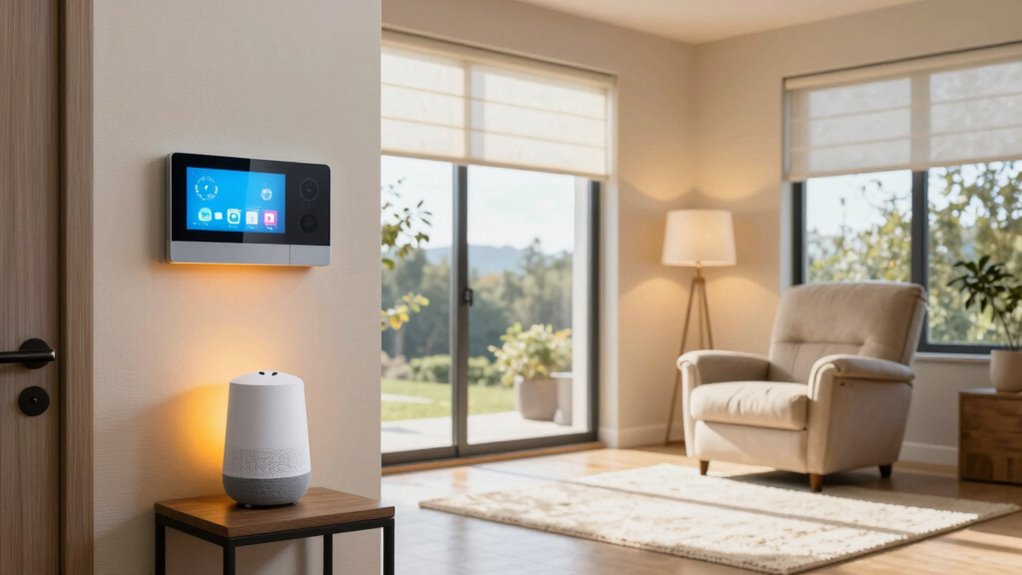
Start by evaluating your home’s safety and accessibility to identify hazards like clutter or poor lighting. Begin with simple smart devices such as emergency alert systems or medication reminders that boost safety and independence. Install them carefully and expand gradually, choosing compatible devices that fit your needs and budget. Regularly update and maintain your system to ensure seamless operation. If you keep exploring, you’ll discover how to personalize and grow your smart home to better support aging in place.
Key Takeaways
- Start with essential safety devices like medical alert systems and automatic fall detectors to establish a reliable safety foundation.
- Assess your home for hazards and make modifications such as installing grab bars, ramps, and improved lighting.
- Prioritize smart devices that enhance safety and independence, like smart thermostats, voice assistants, and security systems.
- Expand your smart home gradually by adding compatible devices that support accessibility and daily living needs.
- Stay informed on new digital health trends and regularly update or upgrade your smart home system accordingly.
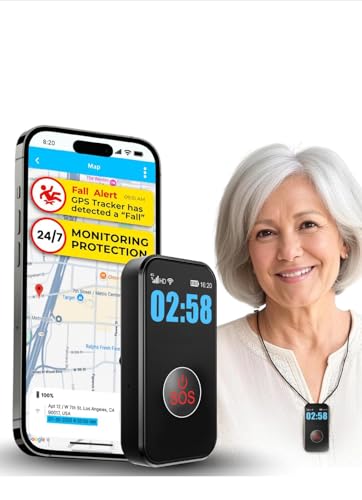
SecuLife Medical Alert Pendant for Seniors — Alerts Go Direct to Family, No Call Center | Auto Fall Detection, GPS Tracking, 2-Way Calling, No Contract, Waterproof Necklace
- Fall Detection and SOS Alerts: Automatically detects falls and alerts contacts
- Easy Activation: Monthly subscription required for full features
- Two-Way Emergency Calling: One-touch calls with hands-free auto-answer
As an affiliate, we earn on qualifying purchases.
As an affiliate, we earn on qualifying purchases.
What’s the First Smart Device I Should Buy for Aging in Place?
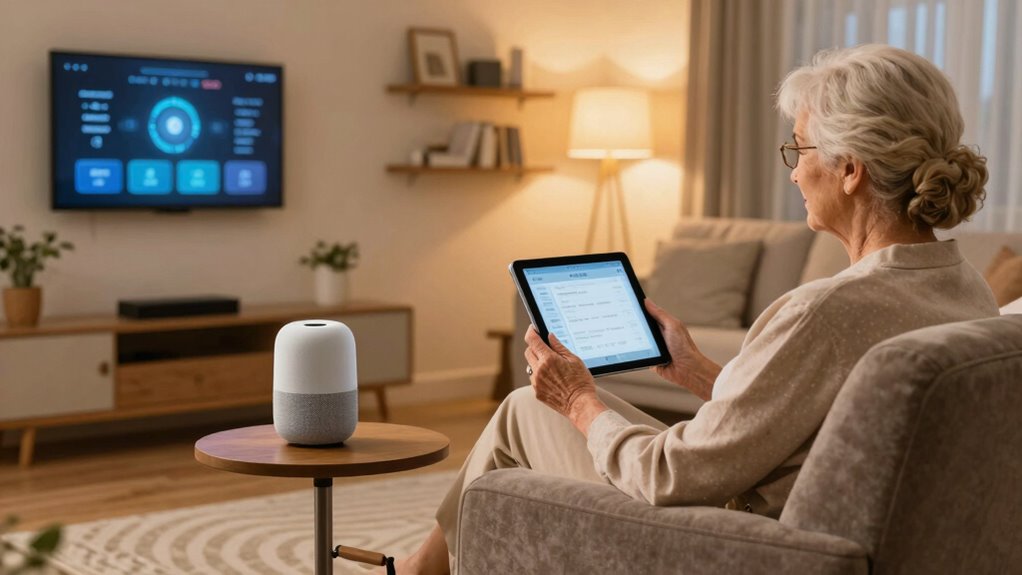
If you’re just starting to upgrade your home for aging in place, the best first smart device to contemplate is a simple, reliable medical alert system. This smart tech acts as a crucial safety net, providing immediate help during emergencies. It’s a straightforward aging solution that offers peace of mind for both you and your loved ones. With features like one-touch emergency calls and automatic fall detection, it ensures assistance is always within reach. These devices are easy to install and use, making them ideal for beginners. Investing in a medical alert system creates a foundation for your safety, allowing you to enjoy independence while staying protected. Additionally, choosing a device with long-lasting battery life ensures reliable support when you need it most. Being aware of emerging trends in digital health can help you make informed decisions about future upgrades. Understanding nail biology and hygiene can also be important for overall health and well-being as you age. Staying informed about remote monitoring technologies can further enhance your safety and care options as you age in place. Exploring user-friendly interfaces can help ensure you get the most from your new devices.
How Do I Assess My Home’s Safety and Accessibility Needs?
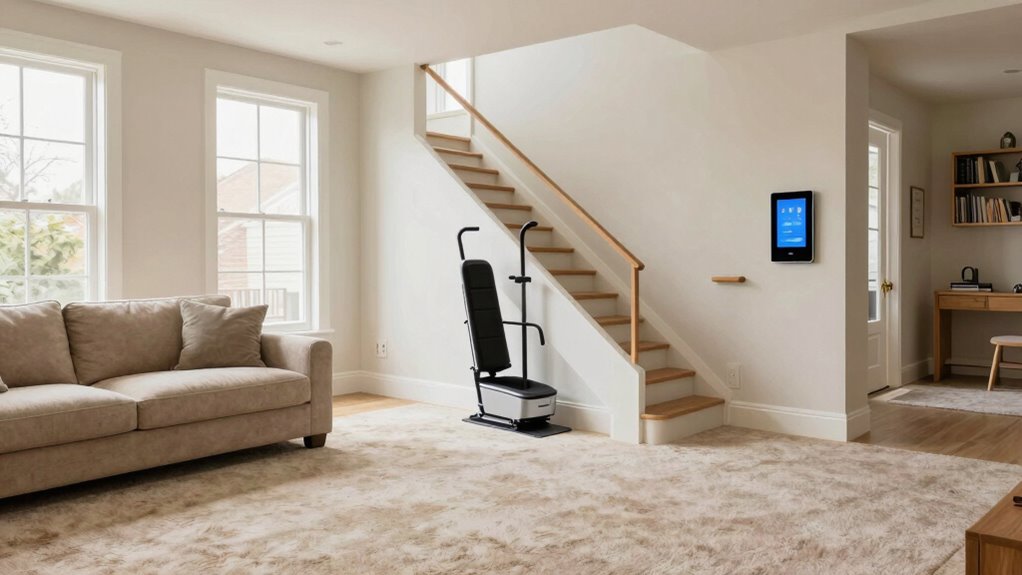
To start evaluating your home’s safety and accessibility, look for potential hazards like loose rugs or clutter that could cause falls. Consider how your mobility needs might change over time and what modifications could help, such as wider doorways or grab bars. Additionally, evaluate your home’s decor style to ensure it supports functionality and safety, avoiding clutter or obstructive furniture. A well-designed outdoor transformation can also improve overall safety by creating clear pathways and designated safe zones. Incorporating specialized safety features like non-slip flooring or motion-activated lighting can further enhance your home’s safety measures. Exploring the science behind sound healing and its calming effects may inspire the addition of soothing sound elements to create a more relaxing environment. Understanding home safety standards can help you ensure all modifications meet recommended guidelines for aging-in-place living. Finally, assess how easily emergency services can reach and assist you if needed, ensuring your home is prepared for any situation.
Identify Potential Hazards
Evaluating your home’s safety and accessibility starts with a thorough walkthrough to identify potential hazards that could pose a risk. Look for fire hazards, such as overloaded outlets or flammable clutter, and check for hidden tripping dangers like loose rugs or cords. Pay attention to areas where falls could occur, especially on stairs or uneven flooring. Incorporating regional flavor insights can also help in choosing appropriate safety modifications that match your home’s style and environment.
Consider these key points:
- Remove clutter and secure loose rugs to prevent hidden tripping.
- Inspect electrical systems to avoid fire hazards.
- Guarantee adequate lighting in all areas.
- Check stairways for sturdy handrails and even steps.
- Using specialized kitchen tools can also improve safety and efficiency in your daily routines.
- Understanding projector contrast ratio and other technical features can help tailor your home environment for both safety and entertainment, especially in creating a comfortable, visually optimized space.
Addressing these hazards helps create a safer environment, reducing the risk of accidents as you age in place.
Evaluate Mobility Needs
Evaluating your home’s mobility needs involves carefully analyzing how you move through your space and identifying areas that may hinder your independence. Start by noting narrow doorways, uneven flooring, or clutter that could cause falls. Consider your daily routines and where you might need assistance, such as reaching high shelves or *steering* stairs. This assessment helps determine which mobility aids—like grab bars, handrails, or walkers—are essential. Accessibility modifications can make a significant difference, such as installing ramps or widening doorways. Be honest about your current abilities and future needs, as mobility can change over time. Incorporating everyday safety practices during this evaluation can further help prevent accidents and ensure your home remains a safe environment. Additionally, understanding the capabilities of electric bikes and other mobility tools can expand your options for maintaining independence. Being aware of hydrotherapy benefits and water-based exercises can also promote safe movement and recovery, especially if you’re managing joint pain or mobility limitations. Considering adaptive kitchen gear can improve safety and ease of use in daily tasks, making your home more accessible. This evaluation *guarantees* your home supports safe, comfortable movement, helping you maintain independence and avoid accidents.
Assess Emergency Accessibility
Evaluating your home’s safety and accessibility for emergencies requires a focused look at how quickly and easily you can respond to unexpected situations. Examining your home’s emergency accessibility involves inspecting key areas and considering your interior design choices.
Consider these steps:
- Make sure pathways are clear and free of clutter, enhancing mobility and quick evacuation.
- Evaluate doorways and hallways for adequate width to accommodate mobility aids.
- Install visible, easy-to-reach emergency controls and alarms integrated into your home decor.
- Review lighting placement to eliminate shadows and improve visibility during power outages.
- Be aware of mental health challenges that may affect your response times or decision-making during emergencies.
- Incorporate ethical considerations, such as privacy and safety, into your home modifications to ensure they align with your values and needs.
- Regularly assess your home’s home safety features to ensure they function properly and meet your evolving accessibility needs.
- Keep in mind that understanding home safety standards can help you identify potential hazards and improve your emergency preparedness.
Which Smart Devices Make the Biggest Difference for Seniors?
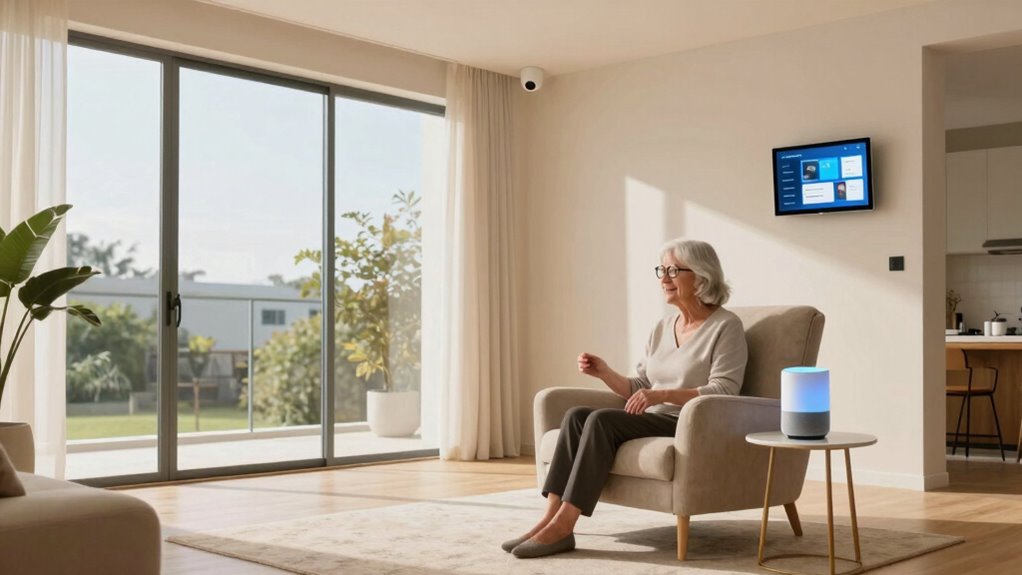
Emergency alert systems and medication management devices are game-changers for seniors living alone. They provide quick access to help and guarantee medications are taken correctly, reducing risks and increasing independence. Investing in these smart devices can make a significant difference in safety and peace of mind. Additionally, incorporating protective gear like wearable safety accessories can further enhance personal safety during daily activities. Incorporating routine automation can also streamline daily tasks, making it easier for seniors to manage their health and safety independently. Implementing personal safety technology can further improve responsiveness in emergencies and foster a greater sense of security. For example, integrating emergency response services with smart devices ensures prompt assistance when needed.
Emergency Alert Systems
Have you ever wondered which smart devices can truly make a difference when it comes to emergency alert systems for seniors? The right technology provides quick response and peace of mind. Here are four top devices to consider:
- Wearable technology with fall detection, alerting caregivers instantly if you fall.
- Voice-controlled emergency systems, allowing you to call for help hands-free.
- Smart home hubs integrated with emergency contacts for seamless communication.
- Mobile apps linked to emergency services, providing GPS location and instant alerts.
These devices work together to guarantee you get help fast, especially during critical moments. Wearable technology and voice control make accessing help simple and immediate, reducing stress and increasing safety. Investing in these smart devices creates a reliable emergency alert system tailored to your needs.
Medication Management Devices
Smart medication management devices can substantially improve safety and independence for seniors by ensuring they take the right dosage at the right time. Medication reminders alert you when it’s time to take your pills, reducing missed doses. A pill dispenser automates the process by organizing medications into compartments for each dose, minimizing human error. These devices often feature alarms, notifications, or smartphone integration to keep you on schedule. Some advanced dispensers lock until the correct time, preventing accidental overdoses. With these smart tools, you gain confidence in managing your medications, reducing reliance on caregivers. They are especially valuable for those with complex medication regimens or memory challenges, making daily health management safer, easier, and more reliable.
How Can I Budget and Prioritize My Smart Home Upgrades?
Budgeting and prioritizing your smart home upgrades can feel overwhelming, but breaking the process into manageable steps makes it more straightforward. Start with clear budget planning to determine what you can afford without strain. Then, assess your needs and identify the most critical upgrades that support aging-in-place. To effectively manage your resources, consider these steps:
- List essential upgrades based on safety and accessibility
- Rank upgrades by urgency and impact
- Allocate funds proportionally to high-priority items
- Review and adjust your plan as needed
This approach helps you focus on upgrade prioritization, ensuring you invest wisely in features that provide the most benefit now and in the future. Staying organized keeps your smart home project on track without overspending.
How to Seamlessly Install and Use Smart Devices in Your Home
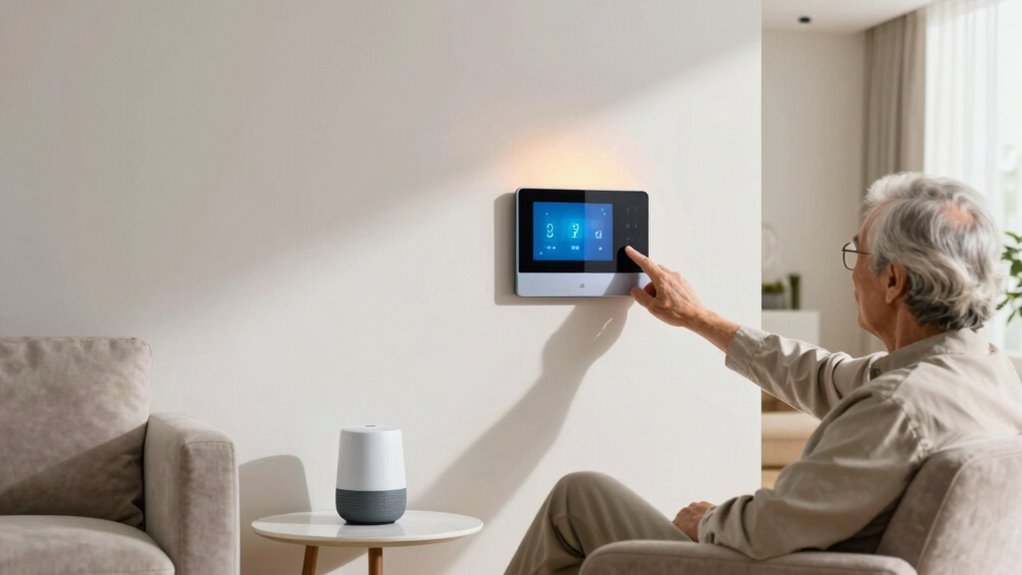
Once you’ve identified your priority upgrades, the next step is to install and set up your smart devices smoothly. Focus on simple, clear instructions to guarantee seamless home automation and tech integration. Start by placing devices where they’re most effective, such as smart thermostats near your heating system or voice assistants in central locations. Follow manufacturer guidelines carefully, connecting each device to your Wi-Fi network and app. Use a unified platform when possible to control multiple devices easily. Test each device to confirm it responds correctly. Keep your system updated regularly for security and improved functionality. By approaching installation methodically, you’ll enjoy a cohesive smart home that enhances comfort and independence, making everyday tasks more manageable and your aging-in-place experience safer.
How to Expand Your Smart Home System Over Time
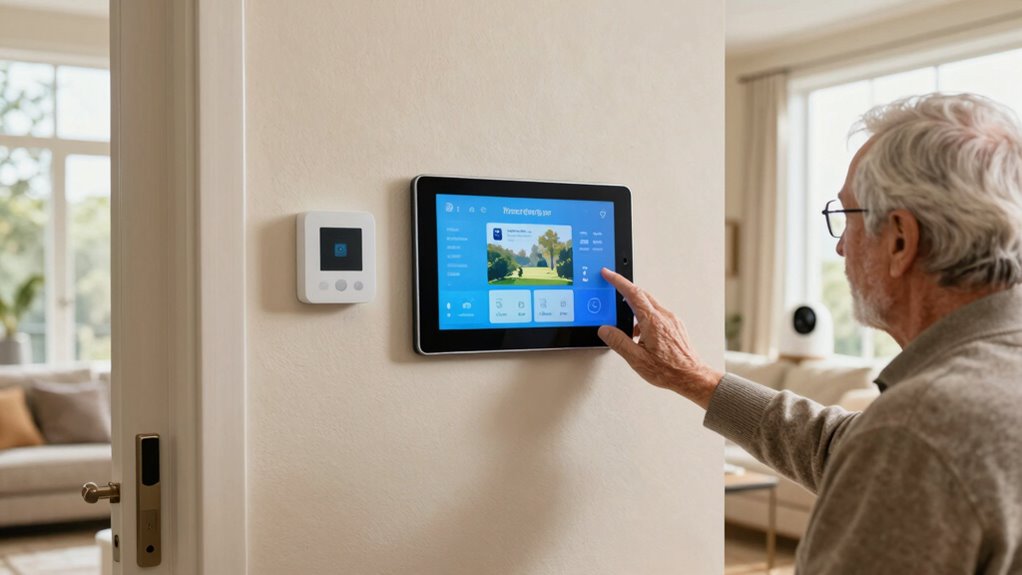
As your needs and technology evolve, expanding your smart home system becomes a natural step to enhance comfort and safety. To do this effectively, consider smart home integration, ensuring all devices work seamlessly together. Use future proofing strategies by choosing scalable systems that allow for easy addition of new devices. Here are four steps to guide your expansion:
- Identify new needs or areas for automation, like lighting or security.
- Select compatible devices that integrate smoothly with your existing system.
- Prioritize devices with open standards for easier future upgrades.
- Regularly update firmware to maintain security and functionality.
Frequently Asked Questions
How Do I Choose the Right Smart Home Provider?
To choose the right smart home provider, focus on their reputation and smart compatibility with your existing devices. Look for reviews and customer feedback to gauge reliability and support quality. Make sure the provider offers seamless integration with your preferred smart products and platforms. Compatibility prevents frustration down the line, and a reputable provider guarantees better service and security, making your aging-in-place home safer and more efficient.
Are Smart Devices Secure and Protect My Privacy?
Smart devices can be secure and protect your privacy if you choose reputable brands that prioritize data encryption and regular updates. Be aware of privacy concerns, like data sharing or breaches, and review each device’s privacy settings carefully. You should also keep firmware current, use strong passwords, and enable two-factor authentication. Staying informed and proactive helps guarantee your smart home devices safeguard your privacy effectively.
Can I Install Smart Devices Myself or Need Professional Help?
You can definitely do DIY installation of smart devices, but you’ll want to take into account compatibility considerations first. Check if the devices work with your existing smart home system and if you have the necessary tools and skills. While many smart devices come with step-by-step guides, some installations, like wiring or complex integrations, may require professional help to ensure safety and proper functioning. Always read the instructions carefully before starting.
What Are the Ongoing Costs of Maintaining Smart Home Devices?
You’ll need to budget for ongoing costs like energy consumption, as smart devices use power even when idle. Regular updates and potential repairs also add expenses. To keep costs manageable, guarantee your devices are compatible with your existing system, reducing the need for replacements. Monitoring energy use and choosing energy-efficient models help lower long-term costs, making your smart home more affordable and easier to maintain over time.
How Do I Ensure My Smart Home System Is Future-Proof?
You can guarantee your smart home system is future-proof by choosing devices with broad compatibility and strong support for future updates. Investigate whether new devices will integrate seamlessly with your current setup, and opt for brands committed to regular software updates. This approach helps your system adapt to technological advancements, reducing the risk of obsolescence. Embrace flexibility now to enjoy a reliable, evolving smart home that grows with your needs.
Conclusion
As you begin your smart home journey, imagine each device like a puzzle piece falling into place—safety, convenience, and independence aligning seamlessly. With every smart purchase, you’re creating a secure haven where everyday moments become easier and more confident. Just like a cozy morning coffee, these upgrades become a natural part of your routine, making aging in place not just a goal, but a comfortable, connected reality you can enjoy every day.