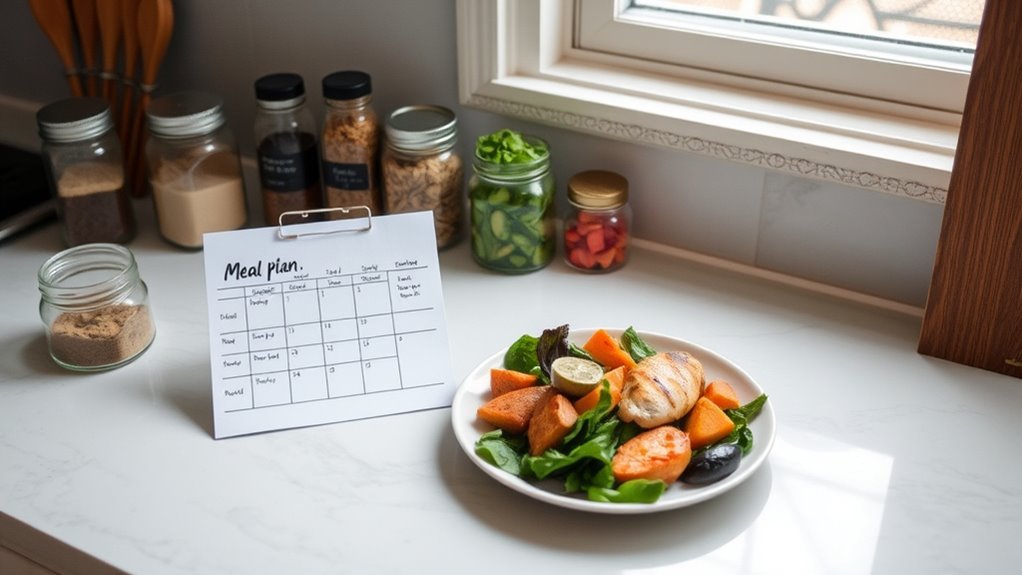

When meal planning for one or two, focus on organizing simple, versatile recipes that use ingredients across multiple meals. Create a shopping list with exact amounts to avoid waste, and portion snacks and leftovers ahead of time. Prioritize longer-lasting ingredients and prepare extra portions for leftovers to save time. Using these strategies helps you eat healthier, reduce waste, and stay on budget—if you keep going, you’ll discover even smarter ways to streamline your small-scale meal prep.
Key Takeaways
- Plan simple, versatile recipes to minimize ingredients and maximize usage across meals.
- Portion ingredients carefully to avoid waste and ensure appropriate serving sizes for one or two.
- Create a focused grocery list organized by categories to prevent impulse buys and unnecessary items.
- Use meal prep methods like pre-portioned containers and leftovers to save time and reduce cooking frequency.
- Utilize meal planning apps or calendars to organize menus, shopping, and cooking schedules efficiently.

Pawbena Reusable Snack Containers with Lids, Snack Containers, 20-Pack Snack Pack Containers, meal prep containers Double Compartment, Container Portion Control for On the Go Travel Essentials
- Versatile & Organized: 20-pack reusable snack containers with double compartments
- Leak-Proof & Secure: Tight-fitting lids prevent spills and keep food fresh
- Portion Control: Designed for serving management and waste reduction
As an affiliate, we earn on qualifying purchases.
As an affiliate, we earn on qualifying purchases.
Smart Strategies for Small-Scale Meal Planning
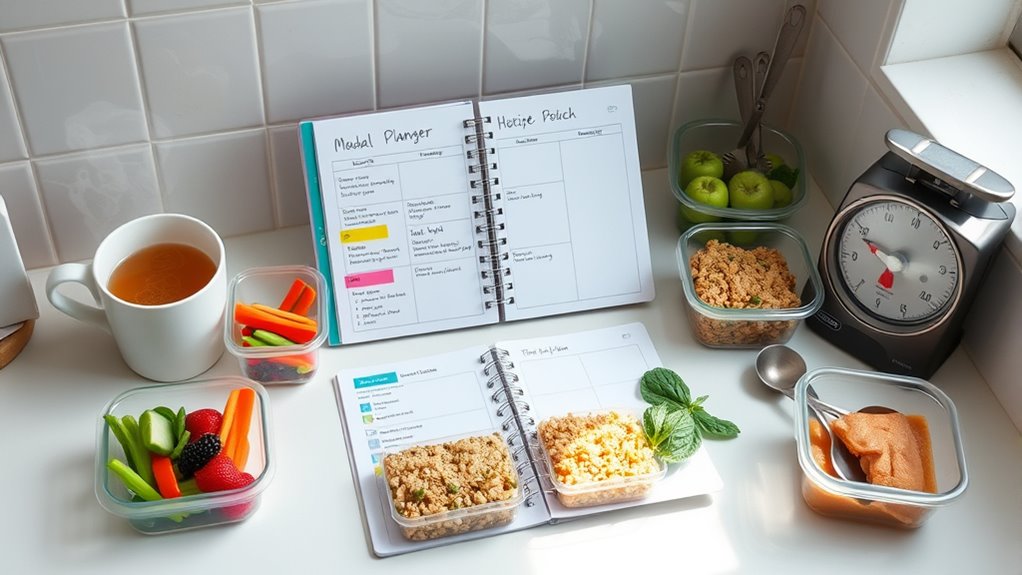
Are you tired of last-minute dinner decisions and unnecessary food waste? If so, mastering the basics of meal planning can change your routine. When you plan ahead, you not only save time but also cut down on impulse purchases and excess leftovers. One of the most effective ways to do this is by focusing on portion control and employing smart grocery list strategies. These small adjustments make a big difference, especially when you’re cooking for one or two people.
Portion control is key to avoiding overeating and reducing food waste. When you plan your meals, decide how much you need for each dish and stick to those portions. This prevents you from buying large quantities of ingredients that you might not finish before they spoil. Use measuring cups or a scale to get familiar with appropriate serving sizes. Pre-portion snacks or leftovers into containers so they’re ready to grab, which encourages mindful eating and prevents you from accidentally consuming more than you need. This approach not only helps your health but also ensures your grocery shopping is more focused.
Grocery list strategies go hand-in-hand with portion control. Instead of buying in bulk or stocking up on large packages, opt for smaller quantities that fit your meal plan. Break down recipes into ingredient lists with exact amounts needed, and avoid items you don’t plan to use soon. Keep your grocery list organized by categories—produce, dairy, grains—so shopping remains efficient and prevents unnecessary purchases. When you stick to your list, you’re less likely to buy extras that might go bad or tempt you to indulge in unhealthy snacks. Planning meals for the week allows you to purchase precisely what you need, which saves money and reduces waste.
Another helpful tip is to plan meals around ingredients with a longer shelf life or those that can be used across multiple dishes. For example, buy a batch of chicken that can be used in different recipes, or vegetables that can be roasted for one meal and used in salads for another. This strategy minimizes unused ingredients and maximizes your grocery budget. Additionally, utilizing meal planning apps can further streamline your process and help you stay organized and on track. Also, consider scheduling leftovers into your meal plan. Cooking extra portions intentionally means you have ready-made lunches or dinners, saving you time and reducing the temptation to eat out.
Frequently Asked Questions
How Do I Prevent Waste With Small Meal Portions?
To prevent waste with small meal portions, focus on portion control by measuring ingredients accurately and avoiding oversized servings. Use smart storage solutions like airtight containers and resealable bags to keep leftovers fresh. Plan your meals ahead, so you only cook what you’ll eat, and store leftovers properly for future use. This way, you minimize waste, save money, and enjoy fresh, tasty meals without feeling overwhelmed or guilty.
What Are Quick Meal Prep Ideas for Singles?
Studies suggest that quick meal prep ideas boost efficiency and reduce waste. For singles, try assembling single-serving snacks like yogurt with fruit or prepping mini meal ideas such as single-portion salads or casseroles in advance. You can also cook in bulk and divide into portions, making it easy to grab a healthy meal or snack on busy days. These strategies save time, minimize waste, and keep your meals fresh.
How Can I Save Money on Groceries for One or Two?
To save money on groceries for one or two, focus on bulk buying staples like rice, beans, and pasta, which last long and cost less per serving. Incorporate seasonal produce, as it’s usually cheaper and fresher. Plan your meals around these items, avoiding impulse buys. Additionally, shop sales and use coupons when possible, and consider freezing leftovers to reduce waste and stretch your budget further.
What Tools Are Best for Small-Scale Meal Planning?
You should use portion control tools like adjustable measuring cups and small kitchen scales to plan meals efficiently. Invest in good storage containers to keep leftovers fresh and organized, making meal prep easier. These tools help you control portions, reduce waste, and save money. By planning with the right containers and portion control, you can streamline your small-scale meal planning and make grocery shopping more cost-effective.
How Do I Handle Leftovers Safely and Efficiently?
Ever wonder how to handle leftovers safely and efficiently? Start by storing food properly in airtight containers and label them with dates. When reheating, make certain your food reaches the proper temperature to guarantee reheating safety. Do you know which leftovers are best consumed within a few days? By organizing your food storage and reheating carefully, you minimize waste and keep your meals both delicious and safe to enjoy later.
Conclusion
Just like Odysseus steering the rocky waters, you can master meal planning with a little foresight and flexibility. Keep your fridge stocked with versatile ingredients, plan around your schedule, and don’t shy away from simple recipes. Remember, even the greatest heroes faced challenges—yours just happen to be figuring out what to eat. With these strategies, you’ll sail smoothly through mealtime, turning everyday routines into effortless victories.