
TL;DR

Turn quiet afternoons into listening time
- Thousands of audiobooks, podcasts and originals
- Listen on your phone, tablet or Echo — also offline
- Cancel anytime
Recent studies indicate that Long Covid may lead to physical nerve damage affecting stomach control. This discovery highlights potential long-term gastrointestinal issues in Covid survivors.
Recent scientific findings suggest that Long Covid may cause physical damage to the nerves that control the stomach, potentially explaining persistent gastrointestinal symptoms among survivors. This development is significant as it indicates a possible biological basis for ongoing digestive issues in Long Covid patients, beyond immune or inflammatory responses.
Researchers from a team at the University of California conducted imaging studies on individuals experiencing Long Covid symptoms, revealing signs of nerve damage in the vagus nerve, which is critical for stomach function. The study, published in the journal Neuroscience Advances, involved MRI scans showing nerve degeneration in affected patients compared to healthy controls.
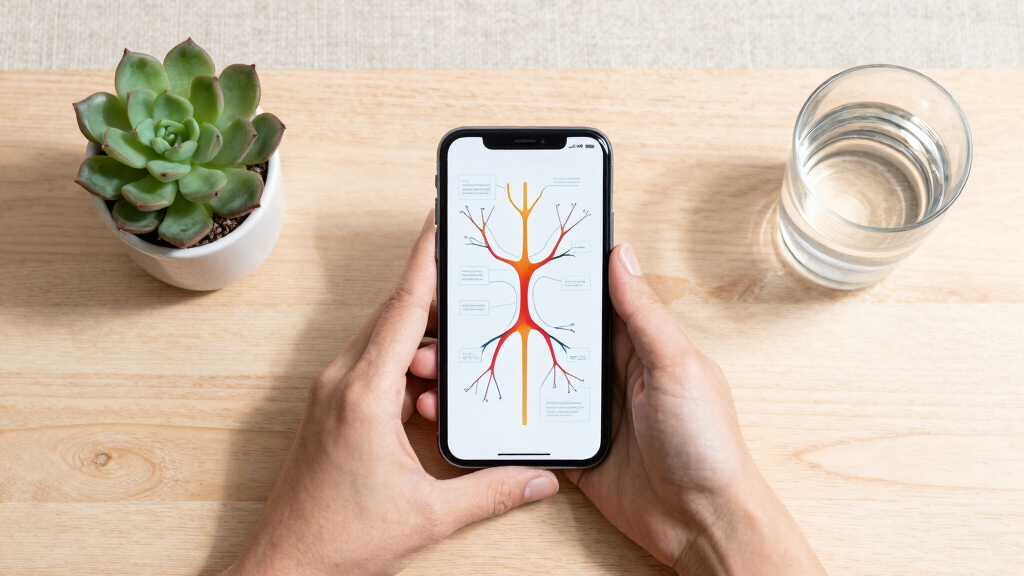
Experts explain that the vagus nerve transmits signals between the brain and the stomach, regulating processes like digestion and hunger. Damage to this nerve could impair these functions, leading to symptoms such as nausea, bloating, and delayed gastric emptying. The findings are based on a small sample size, and further research is needed to confirm causality and understand the mechanisms involved.
Implications for Long Covid Patients with Gastrointestinal Symptoms
This discovery is important because it offers a potential biological explanation for persistent digestive issues in Long Covid patients, which have been difficult to treat. It suggests that nerve damage may be a direct consequence of the viral infection or immune response, highlighting the need for targeted therapies. Healthcare providers may need to consider nerve health when managing Long Covid-related gastrointestinal symptoms, and it could influence future diagnostic and treatment strategies.
As an affiliate, we earn on qualifying purchases.
Previous Evidence Linking Covid to Nervous System Damage
Early in the pandemic, studies indicated that Covid-19 could affect the nervous system, causing symptoms such as loss of taste and smell, headaches, and neurological deficits. Recent research has expanded this understanding, showing that the virus or immune response may cause lasting nerve damage in various parts of the body, including the brain and peripheral nerves. The current focus on the vagus nerve and gastrointestinal symptoms builds on these findings, emphasizing the potential for long-term physical nerve injury.
“Our imaging results suggest that Long Covid can lead to actual structural damage to the nerves responsible for stomach regulation, which may explain some of the persistent digestive symptoms.”
— Dr. Emily Carter, lead researcher
Unconfirmed Aspects of Nerve Damage and Long Covid
It remains unclear whether the nerve damage observed is directly caused by the virus itself or is a secondary effect of immune responses. The small sample size and lack of longitudinal data mean that causality has not been definitively established. Additionally, it is not yet known whether nerve regeneration is possible or if damage is permanent in affected individuals.
Next Steps in Research and Clinical Monitoring
Researchers plan to conduct larger, longitudinal studies to confirm the findings and assess the progression of nerve damage over time. Clinicians are advised to monitor Long Covid patients with gastrointestinal symptoms for signs of nerve impairment. Future research may explore targeted therapies to repair nerve damage and improve digestive function in Long Covid sufferers.
Key Questions
Can Long Covid cause permanent nerve damage?
It is not yet confirmed whether the nerve damage is permanent. More research is needed to determine if nerve regeneration is possible or if the damage persists long-term.
What symptoms might indicate nerve damage to the stomach?
Persistent symptoms such as nausea, bloating, early satiety, and delayed gastric emptying could suggest nerve impairment affecting stomach control.
Does this mean all Long Covid patients will experience nerve damage?
No, the current findings are based on a small sample, and not all Long Covid patients show signs of nerve injury. Further studies are needed to determine the prevalence.
Are there treatments available for nerve damage caused by Long Covid?
At present, specific treatments targeting nerve repair in Long Covid are not established. Research is ongoing to explore potential therapies.
How soon might these findings impact clinical practice?
It will depend on further research validation. In the near term, clinicians may consider nerve health when managing persistent gastrointestinal symptoms in Long Covid patients.
Source: hn
Cold & flu season Picks
humidifiers
As an affiliate, we earn on qualifying purchases.