
TL;DR

Turn quiet afternoons into listening time
- Thousands of audiobooks, podcasts and originals
- Listen on your phone, tablet or Echo — also offline
- Cancel anytime
The U.S. Food and Drug Administration has approved the first wearable device capable of continuously monitoring ketone and blood sugar levels. This development could impact diabetes management and ketogenic diets by providing real-time health data. The device’s approval marks a significant step in wearable health technology, though some questions about its long-term accuracy remain.
The U.S. Food and Drug Administration (FDA) has authorized the first wearable device capable of continuously monitoring both ketone and blood sugar levels. This approval introduces a new tool for individuals managing diabetes and those following ketogenic diets, offering real-time health data without invasive testing. The device’s approval signifies a major advancement in wearable health technology, although questions about its long-term accuracy and usability are still being evaluated.
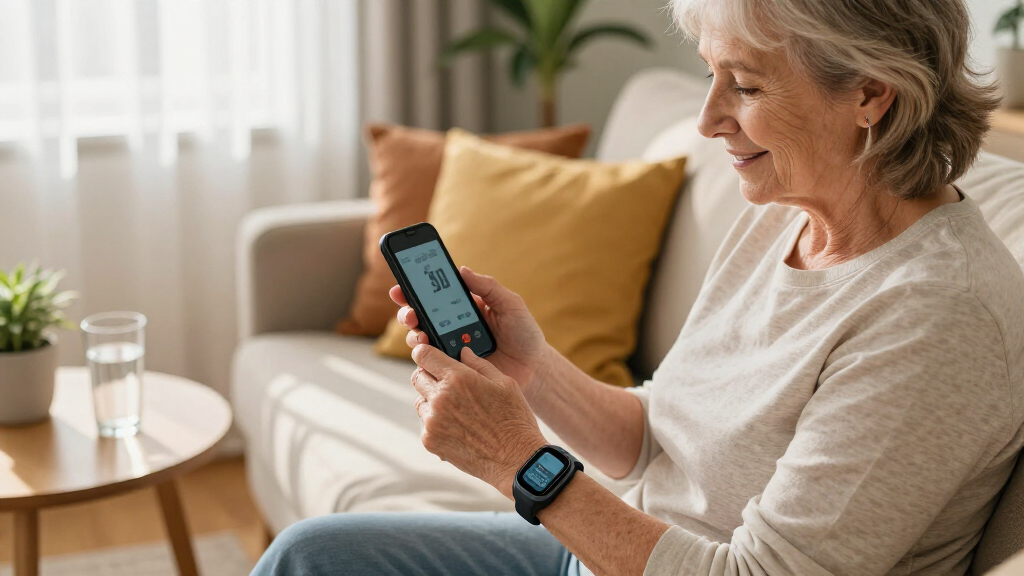
The device, developed by HealthTech Innovations, uses non-invasive sensors embedded in a wristband to measure ketone and glucose levels through the skin. It transmits data wirelessly to a smartphone app, allowing users to track their levels continuously throughout the day. The FDA’s authorization follows clinical trials involving over 1,000 participants, which demonstrated promising results in tracking blood glucose and ketones with a high degree of correlation to traditional blood tests.
According to the FDA, the device has been classified as a Class II medical device, requiring specific safety and efficacy standards. The agency noted that the device could improve disease management and help prevent complications related to diabetes and ketosis. The approval also includes provisions for post-market surveillance to monitor long-term performance and safety.
Impact on Diabetes and Ketogenic Diet Management
This device could significantly alter how individuals with diabetes monitor their condition by reducing the need for finger-prick blood tests, which can be inconvenient and painful. Continuous, real-time data may enable better glycemic control, potentially reducing the risk of complications like hypoglycemia and hyperglycemia. For ketogenic diet followers, the ability to track ketone levels precisely could help optimize dietary adherence and prevent adverse effects such as ketoacidosis. Overall, this technology represents a step toward more personalized and less invasive health management.
wearable device for blood sugar and ketone monitoring
As an affiliate, we earn on qualifying purchases.
As an affiliate, we earn on qualifying purchases.
Prior Advances in Wearable Health Monitoring Devices
Wearable health devices have rapidly evolved over the past decade, with continuous glucose monitors (CGMs) becoming standard for many people with diabetes. However, until now, no device has been approved to also monitor ketones non-invasively. Traditional methods for measuring ketones involve blood tests or urine strips, which are less convenient for daily use. The development of this dual-monitoring device builds on advancements in sensor technology and miniaturization, aiming to provide comprehensive metabolic data in a single wearable.
The FDA’s approval signals a recognition of the growing importance of integrated health monitoring devices, especially as wearable tech becomes more sophisticated and user-friendly. Several companies have been developing similar devices, but regulatory approval has remained a significant hurdle due to concerns about accuracy and safety.
“This approval marks a milestone in wearable health technology, offering patients a non-invasive way to monitor critical metabolic markers in real time.”
— Dr. Lisa Carter, FDA Medical Devices Division
Long-Term Accuracy and User Adoption Unclear
While initial clinical trials show promising results, it is still unclear how the device will perform in long-term real-world use. Questions remain about its accuracy across diverse populations, including those with skin conditions or other health issues that could affect sensor readings. Additionally, user adherence to wearing the device consistently and correctly remains to be seen, as does its integration into existing diabetes management routines.
Post-Market Monitoring and Broader Adoption Expected
Following FDA approval, the manufacturer plans to initiate broader post-market surveillance to track real-world performance and safety. The company is also preparing for commercial launch, with plans to seek reimbursement coverage from insurance providers. Researchers and clinicians will continue to evaluate the device’s impact on health outcomes, and further studies may be conducted to validate its long-term accuracy and usability. Regulatory agencies and healthcare providers will monitor its integration into standard care practices.
Key Questions
How does the wearable device measure ketone and blood sugar levels?
The device uses non-invasive sensors embedded in a wristband that analyze skin interstitial fluid to estimate ketone and glucose levels. It transmits data wirelessly to a smartphone app for continuous monitoring.
Can this device replace traditional blood tests for diabetes management?
While the device provides continuous, real-time data and has shown promising accuracy in trials, it is not yet clear if it can fully replace blood tests. Users and healthcare providers should consider it as a supplementary tool until further validation is available.
Who is eligible to use this device?
The device is intended for individuals with diabetes or those following ketogenic diets who need to monitor ketone and blood sugar levels regularly. Specific eligibility criteria will be detailed in the device’s official labeling upon commercial release.
What are the potential limitations of this wearable technology?
Potential limitations include variability in sensor accuracy across different skin types or conditions, dependence on user adherence, and the need for further long-term validation studies. Cost and insurance coverage may also influence accessibility.
Source: hn
Halloween Picks
halloween
As an affiliate, we earn on qualifying purchases.