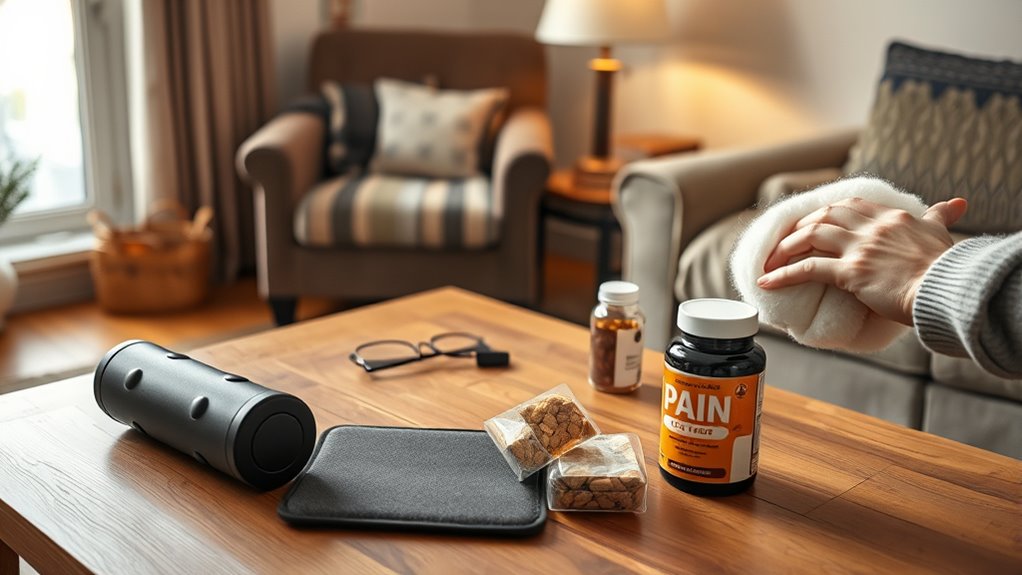

To manage pain at home, you can try over-the-counter medications like NSAIDs or acetaminophen, but always follow dose guidelines. Use topical treatments, heat or cold therapy, and incorporate gentle stretching or exercises. Practice relaxation, deep breathing, and mindfulness techniques to ease stress-related pain. Eating anti-inflammatory foods and maintaining a balanced diet also help. If pain persists or worsens, it’s important to seek medical advice; you’ll find more strategies if you continue exploring.
Play games included with Prime
Start a Prime free trial and play with Amazon Luna on your devices.
As an affiliate, we earn on qualifying purchases.
Key Takeaways
- Use over-the-counter medications and topical treatments correctly to alleviate localized pain and reduce inflammation.
- Incorporate natural remedies like herbal teas and aromatherapy to complement other pain relief strategies.
- Apply hot and cold therapy techniques to reduce swelling, relax muscles, and manage pain effectively at home.
- Practice physical exercises, stretching, and mind-body techniques such as meditation to improve flexibility and reduce stress-related discomfort.
- Recognize signs that require immediate medical attention and consult professionals for persistent or severe pain.
over-the-counter pain relief medications
As an affiliate, we earn on qualifying purchases.
As an affiliate, we earn on qualifying purchases.
Over-the-Counter Medications for Pain Relief
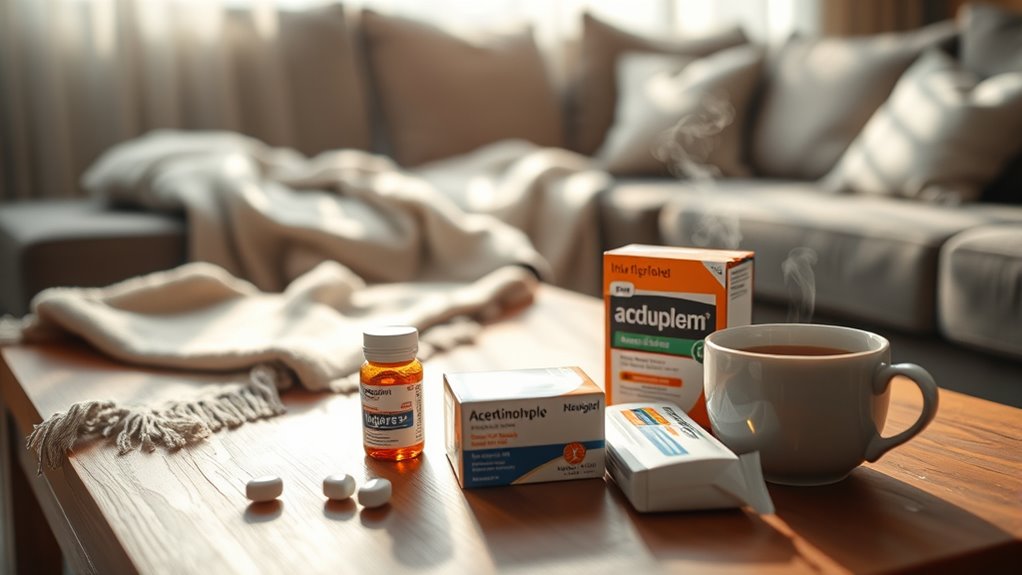
Over-the-counter (OTC) medications are often the first choice for managing common pain at home. When using these remedies, it’s vital to follow dosage guidelines carefully to avoid overdose or side effects. Always read the label and stick to recommended doses, especially if you’re taking other medications, as medication interactions can occur. For example, combining NSAIDs with blood thinners increases bleeding risk, while acetaminophen in high doses can harm your liver. Keep track of how often you take OTC pain relievers and avoid exceeding the maximum daily limit. If your pain persists or worsens, consult a healthcare professional. Proper adherence to dosage guidelines helps you manage pain effectively while minimizing potential risks. Understanding medication interactions is important for safe use of OTC pain relievers.
Natural and Herbal Remedies
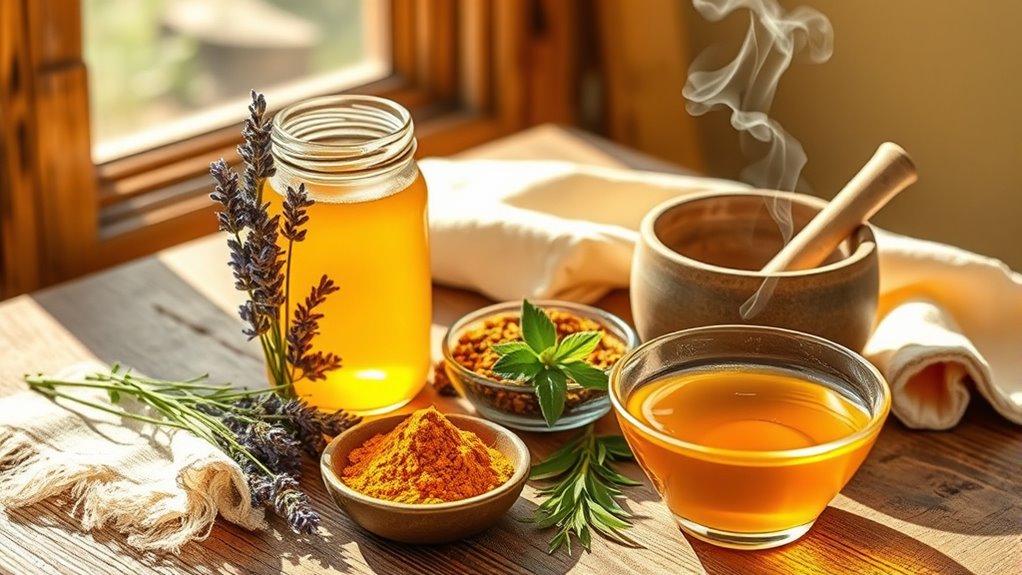
Many people turn to natural and herbal remedies as alternative options for managing pain at home. Herbal teas, like chamomile or ginger, can help soothe inflammation and relax tense muscles, providing gentle relief. Aromatherapy oils such as peppermint or lavender can also be effective; inhaling their scents may reduce discomfort and promote calmness. You can add these oils to a diffuser or mix them with a carrier oil for topical application. These remedies are easy to incorporate into your daily routine and often have fewer side effects than medications. Keep in mind, while natural options can be helpful, they should complement other pain management strategies and not replace professional advice when needed. Always check for allergies before trying new herbal or aromatic treatments. For more effective results, consider pairing these remedies with well-established pain relief techniques to enhance their benefits.
Physical Therapy and Exercise Techniques
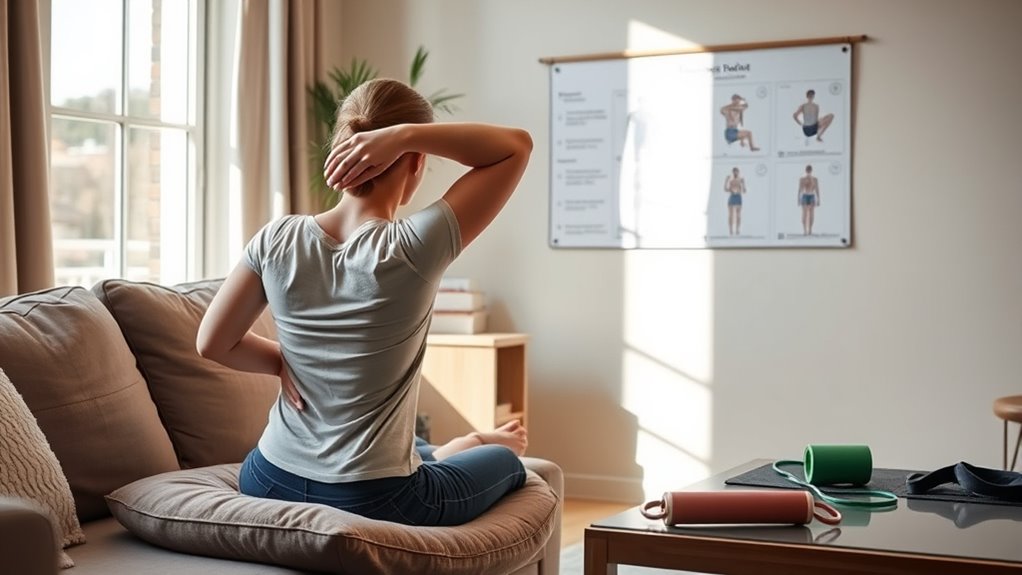
Physical therapy and exercise techniques are essential tools for managing pain at home, especially when guided by a healthcare professional. Regular practice can improve posture, reduce muscle tension, and increase flexibility. Incorporate stretching routines to alleviate stiffness and prevent injuries. Focus on posture correction by maintaining proper alignment during daily activities to minimize strain. Here’s a simple guide to exercises:
| Exercise Type | Focus Area | Benefits |
|---|---|---|
| Stretching routines | Hamstrings, back | Enhance flexibility, reduce discomfort |
| Posture correction | Neck, shoulders | Prevent strain, improve alignment |
| Strengthening | Core, back muscles | Support spine, reduce pain |
| Mobility drills | Joints, limbs | Increase range of motion |
| Relaxation techniques | Tension relief | Ease muscle tightness |
Practicing these techniques consistently can lead to better pain management and overall well-being.
Hot and Cold Therapy Applications
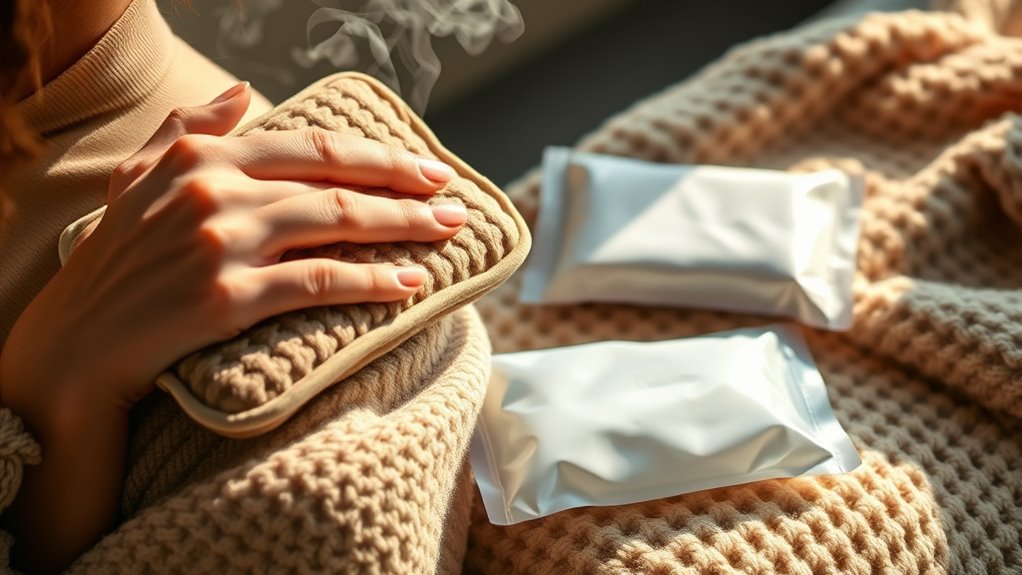
Hot and cold therapy are simple, effective ways to manage pain at home by reducing inflammation, easing muscle tension, and promoting healing. A cold compress helps reduce swelling and numb sharp pain, making it ideal for injuries or flare-ups. You can apply a cold pack wrapped in a cloth to the affected area for 15-20 minutes, several times a day. A heat pad, on the other hand, relaxes tense muscles and increases blood flow, which speeds up recovery. Use a heat pad on stiff or sore muscles for 20-minute intervals, ensuring you don’t overheat your skin. Alternating between cold and heat therapy can maximize relief, but always listen to your body and avoid applying extreme temperatures directly to your skin.
Mind-Body Approaches for Pain Management

You can use meditation and relaxation techniques to help ease your pain and reduce stress. Practicing mindfulness and cognitive strategies allows you to shift your focus and challenge negative thoughts about discomfort. These mind-body approaches empower you to take an active role in managing your pain from home.
Meditation and Relaxation Techniques
Meditation and relaxation techniques have become popular as effective ways to manage pain by calming the mind and reducing stress. You can try guided imagery, where you visualize peaceful scenes to distract from pain and promote relaxation. Combining this with breathing exercises helps slow your breath, lowering tension and easing discomfort. Focused breathing encourages deep, steady inhalations and exhalations, which activate your body’s relaxation response. Regular practice can decrease pain intensity and improve your overall sense of well-being. These techniques are simple to do at home, requiring minimal equipment. As you develop a routine, you’ll notice increased calmness and better pain control. Incorporating meditation and relaxation practices into your daily schedule empowers you to actively manage pain naturally. Additionally, understanding security features of your environment can further contribute to your sense of safety and well-being during your relaxation routines.
Mindfulness and Cognitive Strategies
Mindfulness and cognitive strategies are powerful tools for managing pain by changing how you perceive and respond to discomfort. Practicing mindfulness exercises helps you stay present and reduce emotional reactivity, making pain feel less overwhelming. Cognitive restructuring involves challenging and changing negative thoughts about your pain, which can lessen its emotional impact. To incorporate these strategies, try:
- Engaging in regular mindfulness exercises, such as deep breathing or body scans, to increase awareness and relaxation.
- Identifying negative thoughts about your pain and replacing them with more positive, realistic ones through cognitive restructuring.
- Using mindful observation to detach from pain sensations, reducing their intensity and emotional distress.
- Incorporating simple outdoor‑kitchen tools like infrared thermometers or covers can help you better monitor and manage your pain-related activities, making these techniques more accessible and effective.
These techniques can empower you to better control your pain response and improve your overall well-being.
Creating a Comfortable Rest Environment

Creating a comfortable rest environment is essential for managing pain effectively at home. Your sleep comfort depends heavily on the quality of your bedding and how well your space promotes relaxation. Invest in a supportive mattress and soft, breathable sheets to reduce pressure points and improve sleep quality. Keep your room cool, dark, and quiet to create an ideal setting that minimizes disturbances. Remove clutter and ensure your pillows support your neck and head properly. Good bedding quality can make a significant difference in how well you rest and recover overnight. Additionally, considering climate control options such as adjusting room temperature can further enhance comfort and aid in pain relief. By optimizing your sleep environment, you help your body relax and heal, making your pain management routine more effective. Prioritize comfort, and your nights will become a valuable tool in your pain relief strategy.
Dietary Adjustments and Nutritional Support

Adjusting your diet can play a crucial role in managing pain at home, as certain foods can help reduce inflammation and support healing. To do this effectively, you need to address potential nutritional deficiencies caused by dietary restrictions. Proper nutrition ensures your body has the nutrients it needs to combat inflammation and repair tissue. Consider incorporating these strategies:
- Eat anti-inflammatory foods like fatty fish, berries, and leafy greens.
- Limit processed foods, sugar, and trans fats that can worsen inflammation.
- Supplement your diet if you’re lacking key nutrients such as vitamin D, magnesium, or omega-3s, which are essential for pain relief and healing.
Additionally, maintaining a balanced diet supports overall health and resilience against chronic pain conditions, emphasizing the importance of nutritional balance for sustainable pain management.
Using Topical Treatments and Patches

Topical treatments and patches can be effective for managing pain right at home. You should understand the different types of agents available and how to apply them correctly for maximum relief. Be aware of potential side effects to guarantee safe and effective use of these options. Utilizing medications like capsaicin or menthol patches can also provide localized relief without systemic side effects, making them suitable for ongoing pain management. filtration methods
Types of Topical Agents
Topical agents such as creams, gels, and patches are effective options for managing pain at home. They work by delivering medication directly through the skin, making skin absorption a key factor in their effectiveness. Different types of topical agents suit various pain conditions and preferences. HEPA filtration is essential in air purifiers to ensure small particles like allergens are effectively removed, which can benefit those with sensitive skin or respiratory issues. 1. Creams and Gels – Easy to apply, they provide localized relief and are absorbed quickly through the skin. 2. patches – Offer continuous pain relief over hours or days, slowly releasing medication through the skin. 3. Ointments – Thicker formulations that stay on the skin longer, ideal for targeted pain areas. Choosing the right topical agent depends on your pain level, skin sensitivity, and convenience. Proper use maximizes skin absorption and pain relief.
Proper Application Techniques
To guarantee maximum effectiveness, applying topical treatments and patches correctly is vital. Start by washing your hands thoroughly to prevent contamination. When using patches, follow the instructions on the label regarding placement and duration of wear. For topical creams or gels, apply a thin layer directly to the affected area, using gentle massage techniques to enhance absorption. Incorporate massage techniques to improve circulation and help the medication penetrate deeper. Additionally, heat application can boost relief—use a warm compress or heating pad, but make sure it’s not too hot to avoid burns. Always avoid applying treatments to broken or irritated skin. Proper application not only maximizes pain relief but also reduces the risk of side effects or skin irritation. Using the correct application techniques can significantly impact the overall success of your pain management routine.
Potential Side Effects
While proper application techniques help guarantee effective pain relief, it’s equally important to be aware of potential side effects that may occur when using topical treatments and patches. Some reactions are mild, but others can be more serious. You should watch for signs of skin irritation, such as redness, itching, or rash. Additionally, medication side effects might include dizziness or allergic responses. Using alternative therapies can sometimes cause unexpected reactions if not used correctly. To stay safe:
- Monitor for skin irritation or allergic reactions.
- Avoid applying patches to broken or irritated skin.
- Consult your healthcare provider if you experience persistent side effects or unusual symptoms.
Being aware of these potential issues helps you manage pain safely and effectively at home.
Stress Reduction and Relaxation Strategies
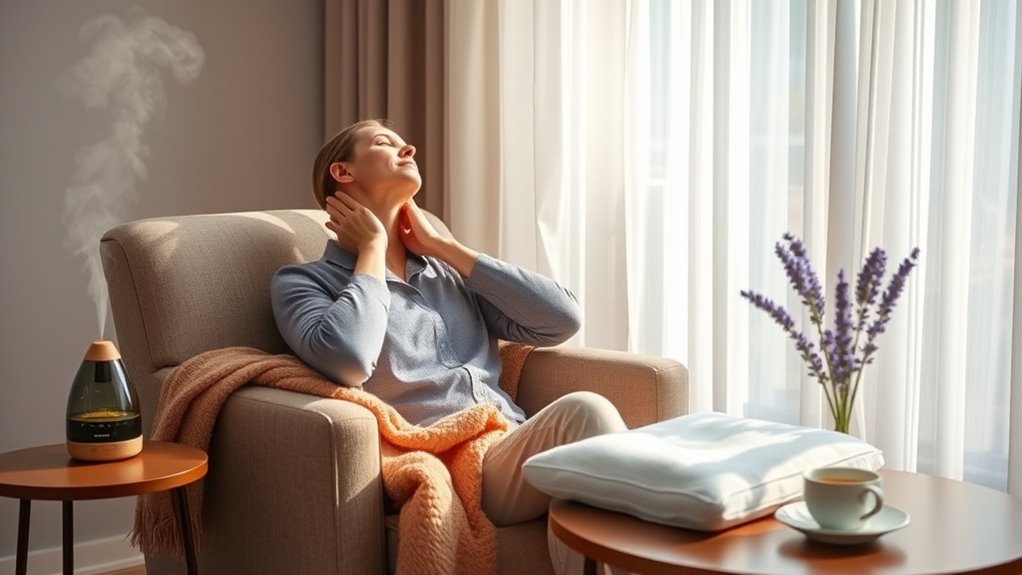
Managing pain at home often involves more than just medication; reducing stress and practicing relaxation strategies can make a significant difference. Stress reduction techniques, like deep breathing, meditation, or gentle stretching, help lower your body’s tension levels, easing discomfort. Find a quiet space where you can focus on calming your mind and body. Regularly practicing these relaxation strategies can decrease muscle tightness and improve your overall sense of well-being. Incorporate activities like listening to soothing music or engaging in mindfulness exercises to enhance relaxation. Remember, managing stress is a crucial part of pain control, and consistent practice can help you feel more in control and comfortable. By prioritizing stress reduction, you support your body’s natural ability to heal and reduce pain.
When to Seek Medical Advice at Home
If you notice symptoms like intense pain, numbness, or sudden weakness, it’s time to seek medical advice immediately. Persistent pain that doesn’t improve with home remedies also calls for professional help. Trust your instincts and don’t hesitate to call your healthcare provider if you’re unsure about the severity of your symptoms.
Recognizing Serious Symptoms
How can you tell when pain signals a serious problem that needs medical attention? If your pain is sudden, severe, or doesn’t improve with home care, it’s a warning sign. Chronic pain that worsens or occurs without clear pain triggers also requires attention. Watch for symptoms like dizziness, shortness of breath, or weakness, which may indicate a more serious issue.
Consider these signs:
- Pain persists beyond a few days or intensifies unexpectedly
- New symptoms such as numbness, weakness, or vision changes
- Pain associated with chest, neck, or jaw discomfort
Trust your instincts—if anything feels abnormal or alarming, seek medical advice promptly. Recognizing serious symptoms early can prevent complications and ensure proper treatment.
Managing Persistent Pain
Persistent pain can be exhausting and concerning, especially when it lingers despite your efforts at home. If your pain persists beyond a few days or worsens, it’s time to seek medical advice. While alternative therapies like relaxation techniques or gentle stretching can provide relief, acupuncture techniques may also help manage chronic discomfort. However, if you notice new symptoms such as swelling, numbness, or severe pain that doesn’t improve, don’t delay in consulting a healthcare professional. Trust your instincts—persistent pain that doesn’t respond to your self-care measures warrants professional evaluation. Remember, early intervention can prevent complications and help identify underlying issues that require more targeted treatment. When in doubt, reaching out to a healthcare provider is always the safest choice.
When to Call Healthcare
When your efforts at home don’t bring relief or if your pain worsens, it’s time to reach out to a healthcare professional. Don’t overlook persistent or severe pain, as it may indicate a deeper issue. Also, consider using pain tracking to monitor patterns and triggers, which can help your provider diagnose effectively. If you’ve tried alternative therapies without success or your pain interferes with daily activities, seek medical advice. Watch for warning signs like sudden pain, numbness, or fever. Remember, timely consultation can prevent complications. Knowing when to call healthcare ensures you get the proper care promptly, whether it’s adjusting your current treatment or exploring other options. Trust your instincts and don’t hesitate to seek help when necessary.
Frequently Asked Questions
How Can I Determine if My Pain Requires Urgent Medical Attention?
If your pain is severe, sudden, or worsening, you should seek urgent medical attention. Pay attention to emergency signs like chest pain, difficulty breathing, weakness, or sudden numbness. Conduct a symptom assessment to identify if pain is accompanied by fever, bleeding, or loss of consciousness. If any of these signs are present, it’s critical to get medical help immediately. Don’t ignore persistent or intense pain that interferes with your daily activities.
Are There Any Risks Using Herbal Remedies Alongside Prescribed Medications?
Mixing herbal remedies with prescribed medications is like combining two powerful engines without verifying for compatibility. Herbal interactions can unexpectedly amplify or diminish medication effects, risking adverse reactions. To guarantee medication safety, always consult your healthcare provider before adding herbal supplements. They can help you identify potential risks, preventing harmful interactions and ensuring you manage pain effectively and safely.
What Are Safe Ways to Modify My Home Environment for Better Pain Management?
You can improve your home environment by prioritizing home safety and making ergonomic adjustments. Keep walkways clear to prevent falls, install grab bars in bathrooms, and use supportive furniture. Adjust your workspace to promote good posture by aligning chairs and desks properly. Use supportive cushions or mats where needed. These changes help reduce pain, prevent injuries, and create a more comfortable living space tailored to your needs.
How Do I Know if My Pain Is Caused by a Serious Underlying Condition?
Imagine your pain as a warning light on your dashboard. If it’s persistent, sharp, or worsening, you should trust your instinct and conduct a symptom assessment. Seek a medical consultation promptly if you notice additional symptoms like fever, unexplained weight loss, or numbness. These signs could indicate a serious underlying condition. Don’t dismiss your body’s signals—getting professional advice helps ensure your health and safety.
Can Sleep Position Impact Pain Levels and How Can I Improve Sleep Quality?
Your sleep position can considerably impact your pain levels and sleep quality. To improve both, try sleeping on your back with a pillow under your knees or on your side with a pillow between your knees. Avoid sleeping on your stomach, which can strain your neck and back. Experiment with different positions and supportive pillows to find what reduces your pain and enhances your sleep quality.
Conclusion
By blending basic remedies, balancing body and mind, and knowing when to seek professional support, you can better beat bothersome pain at home. Focus on fostering flexibility, freedom, and feeling good through simple, safe strategies. Remember, your proactive approach empowers you to manage discomfort confidently and comfortably. Stay smart, stay safe, and keep pain at bay with these practical, personalized home pain management tips—because your health and happiness are worth it.
Fall Picks
fall essentials
As an affiliate, we earn on qualifying purchases.