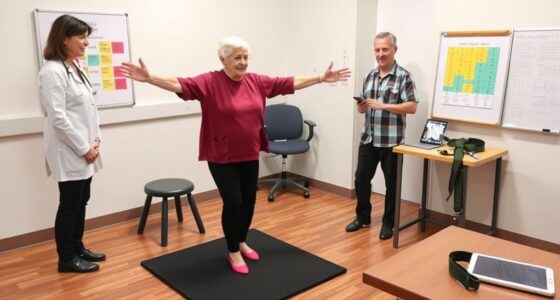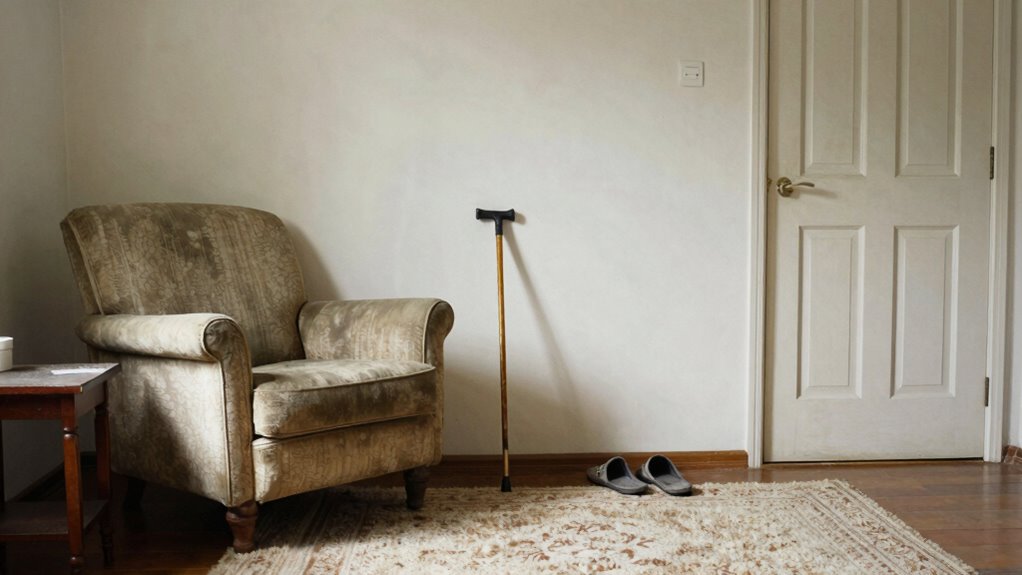

If an older adult starts avoiding certain parts of the home, look for physical signs like imbalance, difficulty maneuvering stairs, or clutter in unused areas. Watch for emotional signs such as withdrawal or fear that may signal underlying anxiety or depression. Keep an eye on mobility issues, like trouble opening doors or using fixtures safely. If you notice these changes, it’s important to assess the situation further — more insights can help you support their safety and independence better.

Turn quiet afternoons into listening time
- Thousands of audiobooks, podcasts and originals
- Listen on your phone, tablet or Echo — also offline
- Cancel anytime
Key Takeaways
- Notice reduced activity or footprints in specific areas indicating possible avoidance or disuse.
- Observe physical signs like clutter, dust, or disrepair suggesting decreased use or accessibility issues.
- Watch for behavioral changes such as withdrawal, fear, or reluctance to enter certain rooms.
- Look for signs of mobility problems, like difficulty climbing stairs or using doorways safely.
- Be alert to repeated falls, confusion, or difficulty with daily tasks that may signal safety concerns.
As an affiliate, we earn on qualifying purchases.
How Can You Recognize Physical Signs That Your Loved One Is Avoiding Certain Rooms?
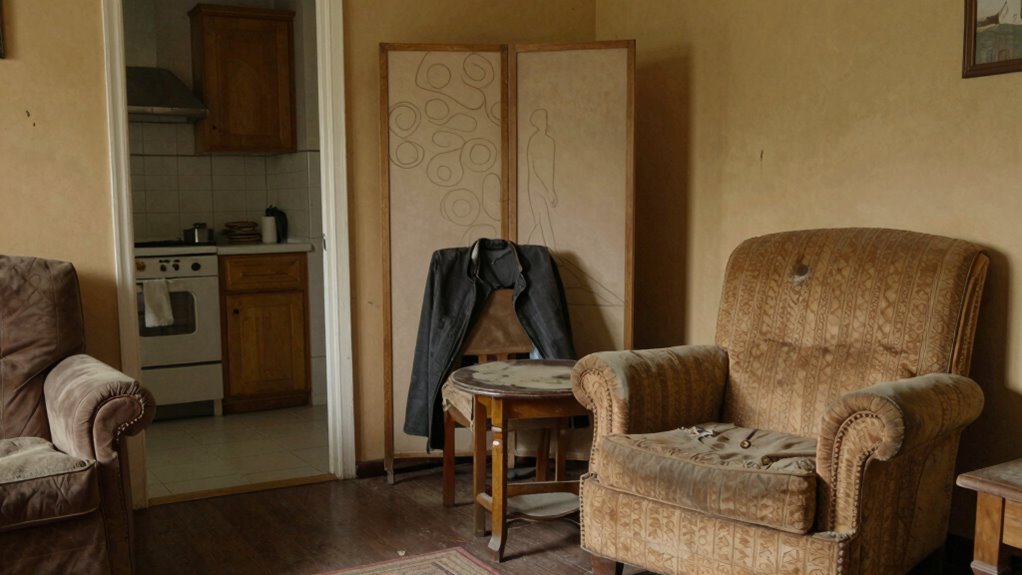
Have you noticed your loved one spending less time in certain areas of the home? You might observe fewer footprints in specific rooms or furniture left untouched for long periods. These physical signs can indicate they’re avoiding those spaces, possibly due to safety concerns or discomfort. Look for clutter or dust accumulation, which suggests disuse. If you’re considering home renovation or safety adaptations, check for worn or uneven flooring, loose handrails, or poor lighting that could contribute to their reluctance. Their avoidance might also be reflected in the way they move around the house—hesitant steps or cautious movements. Recognizing these physical cues allows you to address potential hazards and make targeted safety adaptations, ensuring the home feels secure and accessible again. Additionally, inspecting for cabling issues such as loose or damaged wiring can help prevent accidents that might cause discomfort or safety concerns for your loved one. Paying attention to hazardous conditions like clutter or poor lighting can further enhance their safety and comfort in the home. Being aware of home safety hazards can help you identify and rectify issues before they result in injury or increased anxiety. Noticing signs of disuse can also prompt conversations about their current needs and preferences, helping to create a safer environment. Moreover, understanding how physical limitations impact their movement can guide you in making thoughtful adjustments to improve accessibility and reduce risk.
What Emotional or Psychological Changes Might Lead to Disuse of Home Spaces?
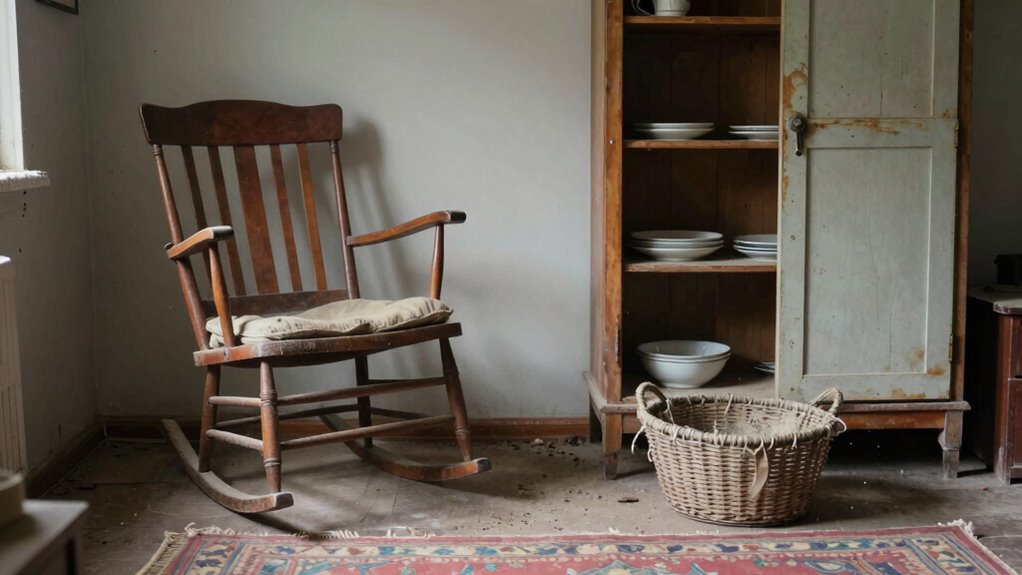
Emotional and psychological changes can substantially influence an older adult’s tendency to avoid certain areas of the home. Emotional withdrawal might cause them to retreat from spaces that once brought comfort, perhaps due to feelings of loneliness or depression. Psychological resistance, such as anxiety or fear, can also lead to avoiding specific rooms, especially if they are associated with past trauma or loss. These feelings create a mental barrier, making it difficult for them to engage with parts of their environment. You may notice a reluctance to enter certain rooms without clear reasons. Recognizing these emotional and psychological factors is essential, as they often underpin physical disuse, and addressing them can help encourage re-engagement with the home. Additionally, understanding emotional responses can help caregivers explore mental health considerations that might make home modifications easier or more appealing.
Are Mobility Challenges Making Some Areas Hard to Access?
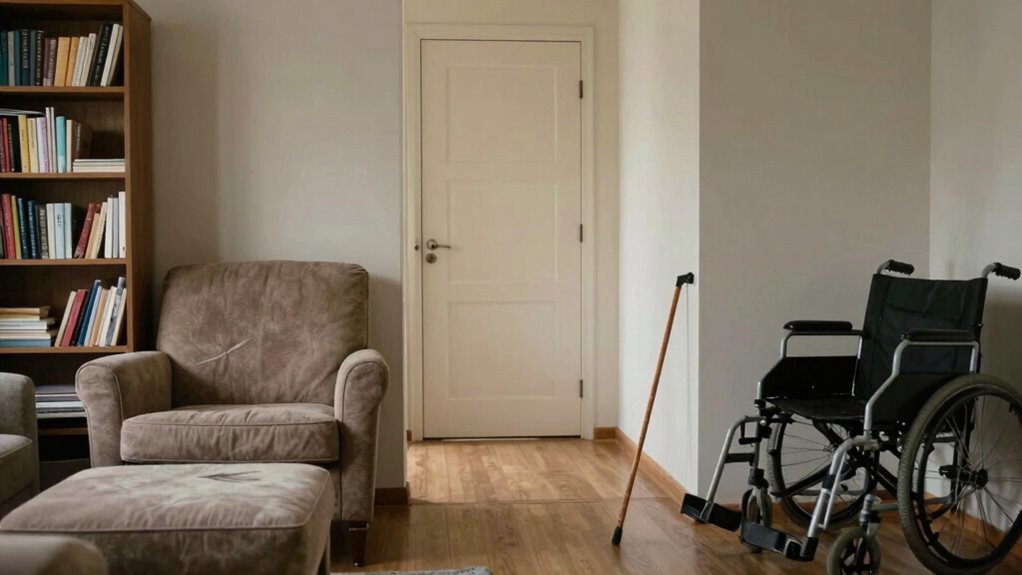
If mobility challenges make it harder to navigate your home, areas like stairs, doorways, and bathrooms can become barriers. You might notice difficulty climbing stairs or trouble opening doorways or using the bathroom safely. Addressing these issues can improve access and help your loved one stay independent. Making modifications such as installing home safety features or mobility aids can significantly enhance safety and comfort. Additionally, incorporating assistive devices tailored to their needs can further promote safe and easy access throughout the home. Considering the importance of contrast ratio in visual clarity, ensuring well-lit pathways can also help prevent falls and improve overall safety. Using tracking gear like GPS or Bluetooth devices can also assist caregivers in monitoring their loved ones’ movements, providing an extra layer of security. Incorporating wall art trends such as interactive murals or digital frames can also create a more engaging and uplifting environment, supporting emotional well-being.
Navigating Stairs Safely
When mobility challenges arise, maneuvering stairs can become a significant safety concern. You should prioritize stairs safety by evaluating how comfortably and securely an older adult can climb or descend. A thorough mobility evaluation helps identify specific issues, such as balance problems or weakness, that increase fall risk. If stairs pose a danger, consider installing handrails, non-slip treads, or stair lifts to improve safety. Encouraging slower, cautious movements and ensuring proper lighting also reduces accidents. If stairs remain too risky, it’s essential to explore alternative access options or modify the home layout. Addressing these concerns proactively helps prevent falls and supports independence, allowing older adults to navigate their home with confidence and security. Additionally, understanding home safety assessment principles can guide effective modifications to create a safer environment. Recognizing environmental hazards early can further help in making targeted adjustments that enhance overall safety, especially by considering risk factors that may contribute to accidents.
Doorway Accessibility Issues
Mobility challenges can make doorway access difficult, especially if doorways are narrow or thresholds are high. These threshold barriers can block easy passage and increase fall risks. To improve accessibility, consider doorway modifications like widening doorframes or installing door jamb extensions. Lowering or removing thresholds creates a smoother passage between rooms, reducing tripping hazards. Such changes help older adults move freely and safely throughout the home. When planning modifications, focus on creating clear, unobstructed pathways that accommodate mobility aids like walkers or wheelchairs. Addressing doorway issues early can prevent accidents and promote independence. Keep in mind that simple adjustments often have a big impact on safety and ease of movement, making your home more accessible for everyone.
Bathroom Safety Concerns
As mobility challenges increase, accessing the bathroom can become particularly difficult and risky. You should consider home modification and bathroom redesign to improve safety and independence. Installing grab bars near the toilet and shower provides extra support, while a walk-in shower reduces the risk of slips and falls. Replacing high-threshold tubs with low or no-threshold options makes entry easier. Adjusting the height of the toilet or adding a raised toilet seat can also help. Good lighting is essential to prevent accidents, so guarantee the bathroom is well lit. Non-slip mats and flooring improve traction, reducing fall risks. Incorporating artistic expression into home modifications can make the space more inviting and comforting. It’s also beneficial to consider universal design principles to create a more adaptable environment that accommodates changing needs over time. These home modifications create a safer environment, making the bathroom more accessible and reducing hazards for those with mobility challenges. Additionally, consulting with a home safety expert can ensure modifications meet individual needs effectively.
Could Health Conditions Be Causing Your Loved One to Limit Room Use?
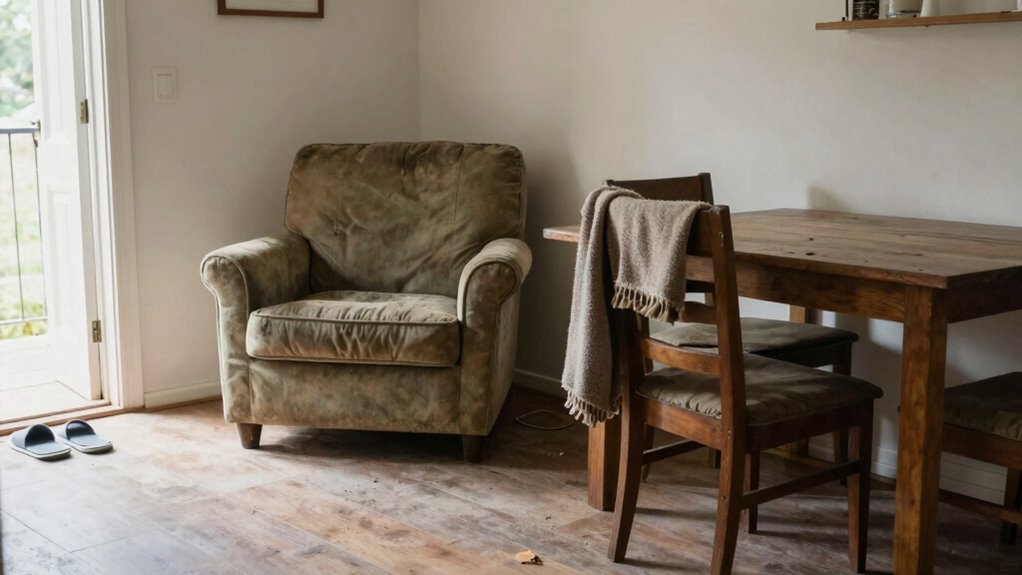
Health issues can profoundly influence why your loved one might start limiting their use of certain rooms. Chronic pain, mobility problems, or fatigue can make some areas difficult or unsafe to access. For example, stairs or narrow pathways may become barriers. They might also avoid rooms that require more home maintenance, like the laundry or garage, if they feel overwhelmed or unable to manage tasks safely. Privacy concerns can also play a role; if they feel vulnerable or uncomfortable in certain spaces, they may restrict access. Recognizing these physical and emotional factors helps you understand their behavior. By addressing health-related limitations, you can support their safety and comfort while respecting their independence. Additionally, home safety assessments can help identify hazards and adapt the environment to better suit their needs.
How Do You Talk to Your Loved One About Changing Home Habits?
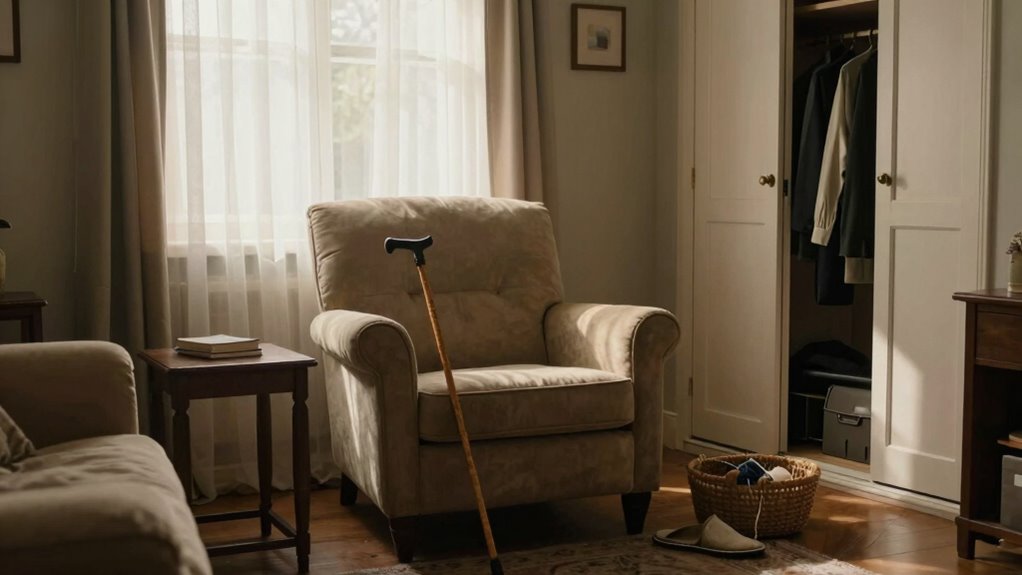
When discussing changes to your loved one’s home habits, approach the conversation with empathy and understanding. Use clear language to share your concerns, and be ready to listen to their feelings and needs. Offer support and practical alternatives to help them feel comfortable and safe during the shift. Incorporating sustainable options or adaptable solutions can also ease the transition. Recognizing the importance of trusted reputation in decision-making can help reassure them about the changes.
Approach With Empathy
Talking to your loved one about changing their home habits can be delicate, but approaching the conversation with empathy makes all the difference. Start by acknowledging their feelings and concerns, showing that you respect their independence and emotional well-being. Focus on how these changes can improve their safety and comfort, rather than implying they’re doing something wrong. Use a gentle tone and listen carefully to their worries. Remember, their emotional well-being is just as important as ensuring home safety. By validating their feelings and involving them in decisions, you help foster trust and reduce resistance. This compassionate approach encourages cooperation and helps your loved one see the changes as supportive, not restrictive. Additionally, understanding home safety essentials can guide you in framing these conversations more effectively.
Use Clear Communication
Clear communication is essential when discussing changes to your loved one’s home habits, as it helps prevent misunderstandings and resistance. Approach conversations with honesty and patience, making sure they feel heard. Explain why a home modification might be necessary, focusing on safety and independence.
To keep the dialogue effective, consider these tips:
- Use simple language and avoid medical jargon.
- Highlight how changes can support social engagement and overall well-being.
- Listen actively and validate their feelings, addressing concerns openly.
Being clear and respectful encourages your loved one to participate in decisions, making it easier to implement necessary adjustments. This approach fosters trust and helps them feel empowered rather than overwhelmed by change.
Offer Support and Alternatives
Offering support and presenting alternative solutions can make your loved one more comfortable with changing home habits. Begin by listening carefully to their concerns, showing empathy and patience. Explain that home modification isn’t about limiting independence but enhancing safety and comfort. Suggest small, manageable adjustments like installing grab bars or rearranging furniture to reduce fall risks. Emphasize that these changes can also promote social engagement by making common areas more accessible for visits and activities. Reassure them that support is available every step of the way, whether through professional help or family involvement. Framing modifications as positive improvements helps your loved one see the benefits and reduces resistance to change. Incorporating assistive technology can further support their independence and safety. Ultimately, your goal is to foster trust and collaboration while prioritizing their well-being.
When Should You Seek Professional Support or Help?
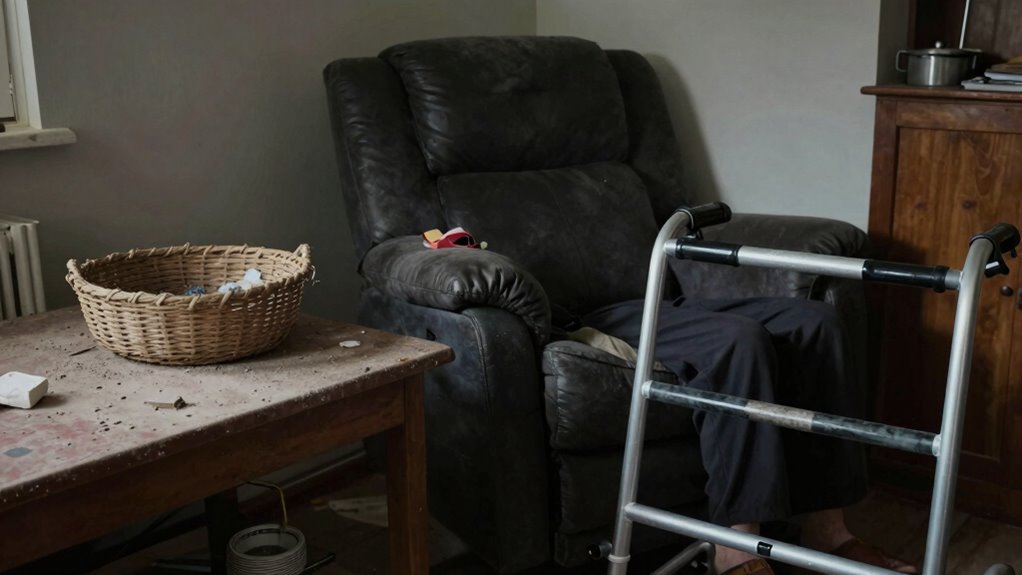
Recognizing when to seek professional support is essential for ensuring your loved one’s safety and well-being. If you notice persistent changes in their behavior or mobility, it’s time to act. Consider professional help if they show signs of confusion, frequent falls, or difficulty with daily activities. A healthcare provider can assess their needs and recommend appropriate home modifications or caregiver support.
Seek professional support when behavioral or mobility changes persist to ensure safety and proper care.
- Sudden or ongoing decline in mobility or cognition
- Repeated accidents or falls in the home
- Reluctance or inability to use certain parts of the house
These indicators suggest it’s time to involve professionals who can evaluate the home environment and suggest necessary adjustments to keep your loved one safe and comfortable.
Frequently Asked Questions
What Safety Modifications Can Encourage Older Adults to Remain Independent in Their Homes?
To promote independence, you can modify the home layout to reduce hazards and improve accessibility. Rearrange furniture to create clear pathways and install grab bars in bathrooms. Use non-slip rugs and ensure lighting is adequate in all areas. These safety modifications make movement easier and safer, helping older adults feel confident in their environment and maintain their independence longer. Small changes can substantially impact their comfort and safety at home.
How Can Family Members Effectively Observe Subtle Changes in an Older Adult’s Behavior?
You can effectively observe subtle behavioral cues and emotional signals by regularly engaging in gentle conversations and paying close attention to changes in mood or routine. Notice if they withdraw from activities they once enjoyed or seem more anxious. Watch for signs like forgetfulness, confusion, or hesitation. By staying attentive and empathetic, you’ll better understand when your loved one needs support, helping them maintain independence and safety in their home.
Are There Specific Medical Conditions That Commonly Cause Disuse of Home Areas?
You might notice that medical conditions like arthritis, Parkinson’s disease, or vision impairments often cause disuse of home areas. These illnesses make movement painfully slow or risky, leading seniors to avoid stairs or certain rooms. Disuse causes include fear of falling, physical limitations, or cognitive decline. Recognizing these signs helps you understand their changing needs, ensuring they get the support and accommodations to stay safe and comfortable at home.
What Community Resources Are Available to Support Aging-In-Place Modifications?
You can access community programs that offer support for aging-in-place modifications, such as home repair services tailored for seniors. Many local agencies provide grants or sliding-scale fees to help with home repairs like installing grab bars or ramps. These programs aim to make your home safer and more accessible, empowering you to stay independent. Reach out to your local senior center or aging services agency to learn about available resources.
How Can Technology Assist in Monitoring an Older Adult’s Activity Levels at Home?
You can use wearable sensors and smart home technology to monitor activity levels. Wearable sensors track movement, heart rate, and sleep patterns, giving real-time updates. Smart home devices, like motion detectors and security cameras, observe activity and detect any unusual inactivity. Together, these tools provide continuous, proactive monitoring, helping you stay informed about your loved one’s well-being, ensuring safety, and allowing timely intervention if needed.
Conclusion
So, next time you notice your loved one avoiding the kitchen or skipping the living room, don’t just shrug it off. Instead, consider it a subtle cry for help—or a sign that their home has become a maze of obstacles. Maybe it’s time to become a detective, a therapist, or even a handyman. After all, who knew that a simple act of avoiding a room could turn into the ultimate game of hide-and-seek?
Fall Picks
fall essentials
As an affiliate, we earn on qualifying purchases.