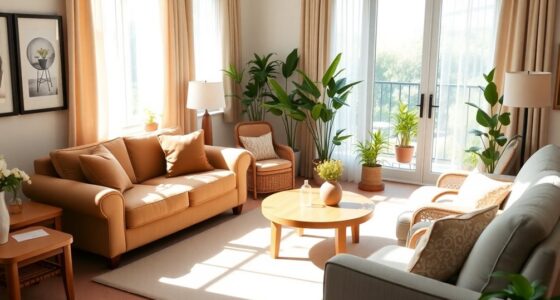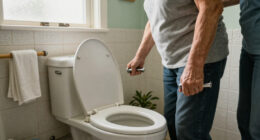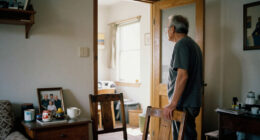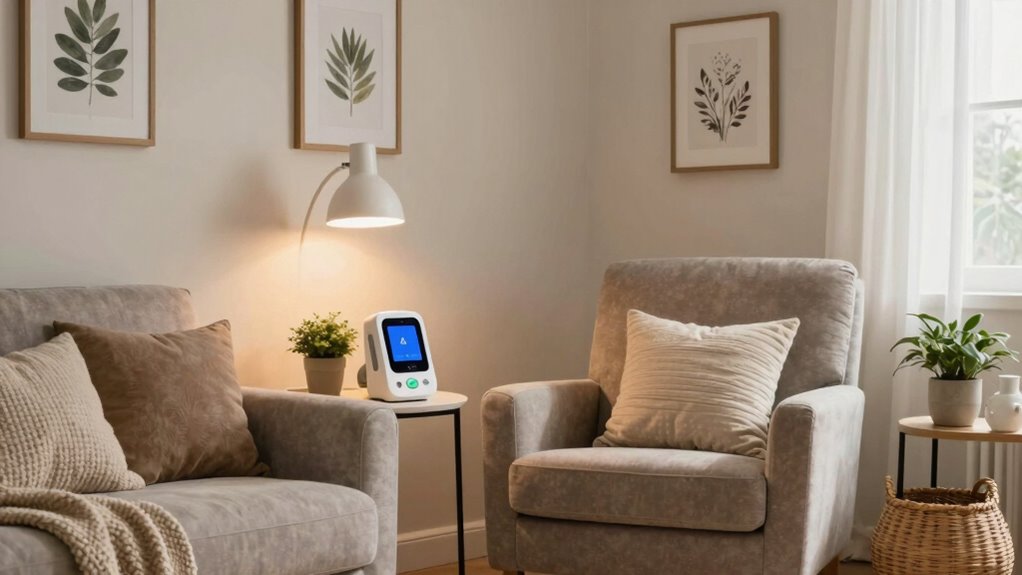
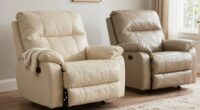
To decorate around medical needs without making your room feel medical, focus on warm colors like beige and terracotta, and incorporate cozy textiles and natural elements to create a calming atmosphere. Choose accessible furniture with clean lines that blend seamlessly with your decor, and personalize the space with meaningful artwork and soft textiles. Keep the layout easy to navigate and guarantee medical equipment is discreetly integrated. For more ideas on maintaining comfort and style, continue exploring the tips ahead.

Turn quiet afternoons into listening time
- Thousands of audiobooks, podcasts and originals
- Listen on your phone, tablet or Echo — also offline
- Cancel anytime
Key Takeaways
- Use warm colors, soft lighting, and natural elements to create a cozy, inviting atmosphere that distracts from medical equipment.
- Incorporate stylish storage solutions and multi-functional furniture to hide medical devices seamlessly.
- Personalize the space with artwork, textiles, and meaningful decor to foster a homey, personalized environment.
- Match medical equipment colors and textures with decor for a cohesive, non-intrusive look.
- Prioritize safety and accessibility with clear pathways and ergonomic furniture, ensuring functionality without sacrificing style.
As an affiliate, we earn on qualifying purchases.
How to Choose Warm Colors and Decor That Feel Inviting
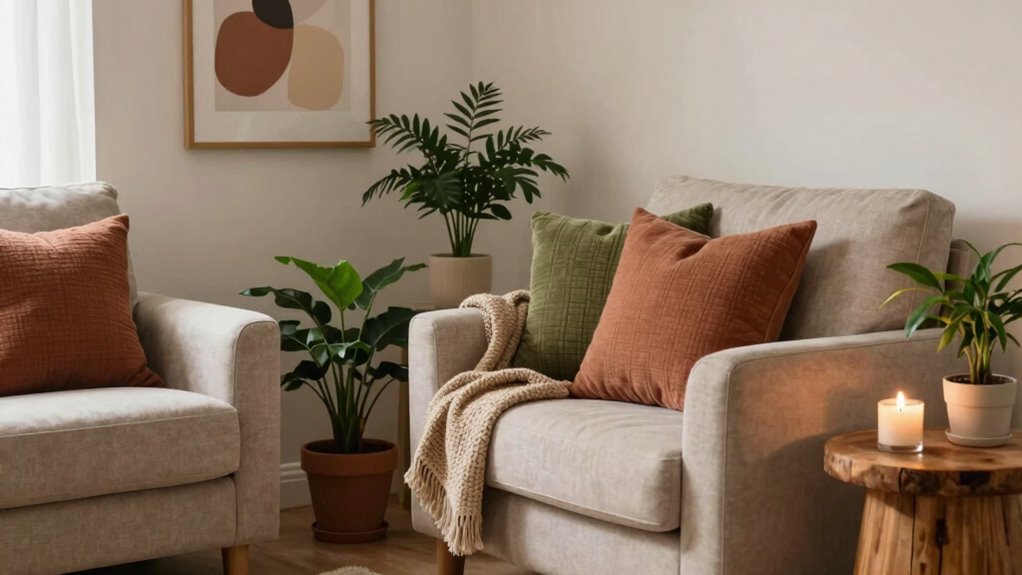
When selecting warm colors and decor to create an inviting atmosphere, it’s important to focus on hues that evoke comfort and calmness. Color psychology plays a key role in choosing shades like soft beige, gentle terracotta, or warm taupe, which foster feelings of safety and relaxation. Incorporate ambient lighting to enhance these tones, using warm-toned bulbs or dimmable fixtures that create a cozy glow. This combination helps diminish clinical or sterile vibes, making the space feel more homelike. Avoid overly bright or stark colors that could cause discomfort. Instead, aim for a harmonious palette that promotes serenity. Thoughtfully chosen warm colors paired with well-placed ambient lighting will make your space feel welcoming, soothing, and comforting—perfect for easing medical needs without sacrificing style. Additionally, integrating natural elements like plants or wood accents can further soften the environment and enhance the inviting atmosphere. Paying attention to contrast ratios within the decor can also help create a more balanced and comfortable environment, especially for those with visual sensitivities. Incorporating these principles, along with well-considered textures, can significantly improve the overall ambiance, creating a space that feels less clinical and more nurturing. Including color harmony considerations can also contribute to a cohesive and relaxing environment.
Selecting Accessible Furniture That Looks Great
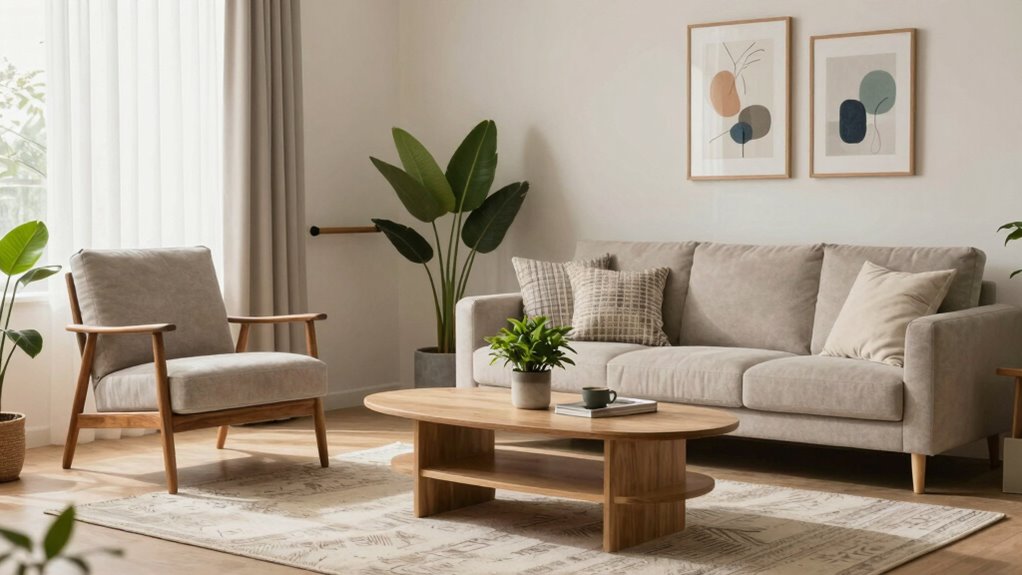
Choosing accessible furniture doesn’t mean sacrificing style; in fact, the right pieces can seamlessly blend function with aesthetic appeal. Look for furniture with ergonomic features, such as supportive arms and adjustable heights, to guarantee comfort and ease of use without sacrificing design. Stylish storage options, like sleek cabinets or multi-functional furniture with hidden compartments, keep the space organized and clutter-free while maintaining a modern look. Opt for pieces with clean lines and neutral or coordinating colors to create a cohesive, inviting atmosphere. Remember, furniture that’s both functional and attractive helps you feel at ease without the space feeling clinical or medical. Prioritize quality and thoughtful design to make your room both accessible and visually appealing. Smart design can further enhance comfort and style in your living space, especially when incorporating accessible technology that promotes independence and safety. Additionally, considering inclusive design principles can help ensure the space accommodates various needs while remaining stylish. Incorporating indoor air quality and humidity tips can also contribute to a healthier, more comfortable environment. Exploring ergonomic furniture options can further support comfort and well-being in your space.
Adding Personal Touches to Make the Space Feel Homey
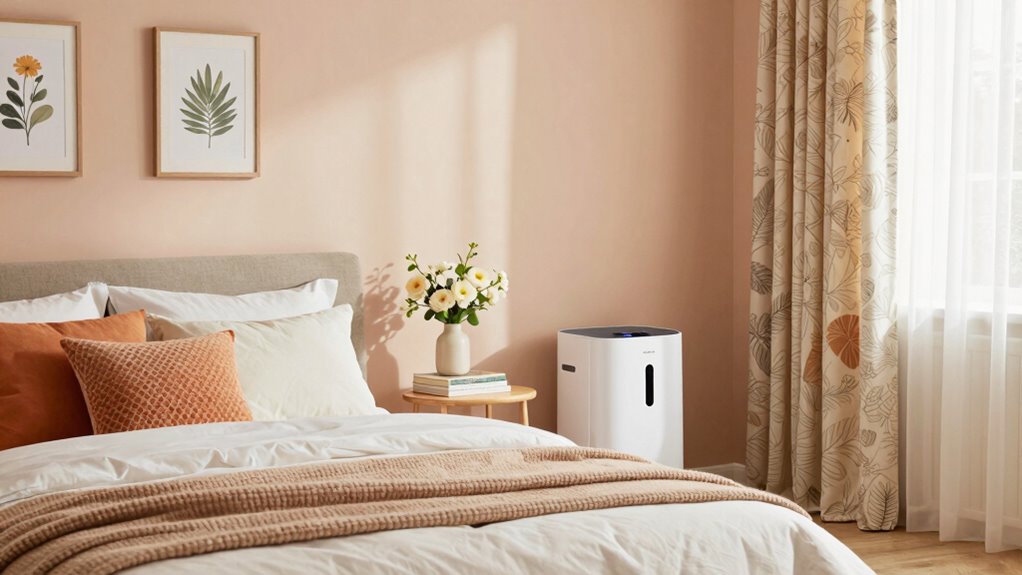
Adding personal art pieces and cozy textiles can transform your space into a warm, welcoming environment. These touches make the area feel more like home, even with medical needs nearby. Consider displaying meaningful artwork and choosing soft fabrics to create a comforting atmosphere. Incorporating goal setting strategies into your decor choices can help create a space that feels both functional and emotionally supportive. Using vetted wood options for furniture or decor accents can also enhance the natural, inviting feel of the room.
Incorporate Personal Art Pieces
Personal art pieces can transform a clinical space into a warm and inviting environment. They add color, personality, and a sense of comfort, making you feel more at home. Choose artwork that reflects your interests or favorite colors to create harmony with your room’s palette. Opt for framed photos, paintings, or prints that uplift your mood without overwhelming the space. To help visualize, here’s a sample setup:
| Art Type | Placement Idea |
|---|---|
| Personal photographs | Frame on a side wall or shelf |
| Abstract paintings | Hang above the bed or sitting area |
| Nature prints | Place on a small easel or wall decor |
Additionally, incorporating testing accuracy concepts into the decor—such as displaying measurement tools or calibration references—can subtly reinforce a professional yet welcoming atmosphere. Using color psychology in your artwork choices can also enhance the room’s overall ambiance and comfort. Introducing easy-to-clean surfaces in decor elements ensures the space remains inviting and hygienic with minimal effort.
Use Warm, Soft Textiles
Soft, warm textiles can instantly make your space feel more inviting and comfortable, especially during times when you need a calming environment. Layering fabrics, like cozy blankets, plush pillows, and soft throws, adds depth and visual warmth. Use fabric layering strategically to create a sense of comfort without overwhelming the room. Incorporate colors rooted in color psychology—warm neutrals, gentle pastels, or calming earth tones—to foster relaxation and a sense of security. These textiles not only soften the room’s aesthetic but also provide tactile comfort, making the space feel more personal and lived-in. Additionally, choosing textiles that reflect safety considerations in design can subtly introduce comforting and familiar elements into your decor. Considering air quality and ventilation can help ensure that textiles contribute positively to a healthy environment. Paying attention to material choices can further enhance both comfort and safety in your space. By thoughtfully choosing textures and hues, you can transform a clinical space into one that’s soothing, inviting, and tailored to your needs. Incorporating appropriate fabric selections can further promote a safe and comfortable atmosphere.
Designing a Layout That Supports Mobility and Ease
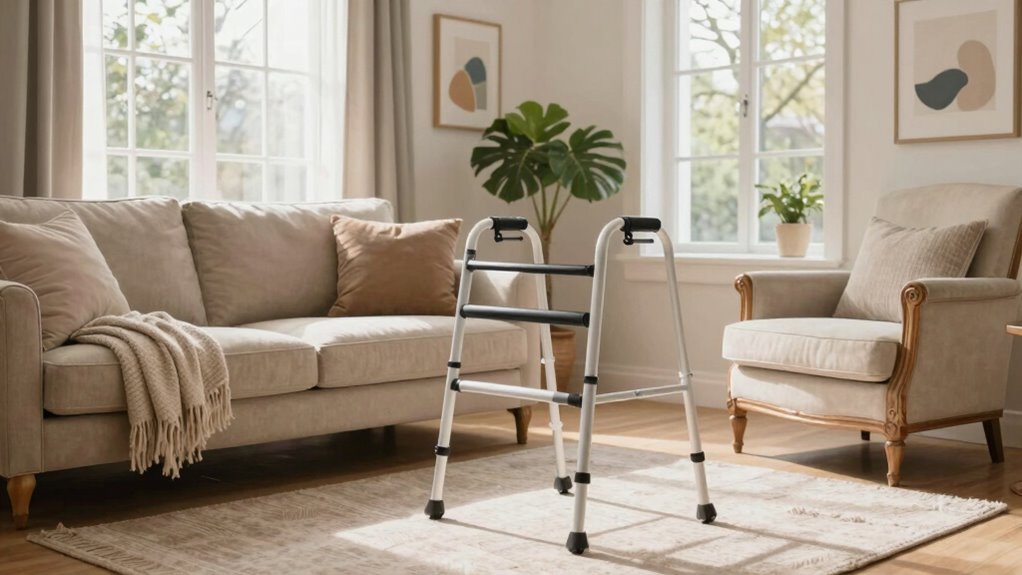
Creating a layout that supports mobility and ease begins with understanding the specific needs of those who will use the space. Focus on clear pathways, making sure furniture is arranged to avoid obstacles and allow easy movement. Use therapeutic lighting to reduce glare and create a calming environment, especially in key areas like seating or reading spots. Incorporate ergonomic accessories, such as supportive chairs and accessible storage, to enhance comfort and functionality. To optimize your layout, consider integrating specialized kitchen gear that can assist with daily tasks. Keep walkways at least 36 inches wide for easy navigation. Position frequently used items at waist level for effortless access. Ensure lighting is adjustable, with lamps or dimmable fixtures, to support various activities. Additionally, incorporating household safety products can help prevent accidents and create a safer environment. When planning the space, paying attention to home safety can make a significant difference in reducing hazards. Regularly checking for potential noise sources and implementing soundproofing measures can further enhance the comfort and tranquility of the space. This approach creates a practical, welcoming space that promotes independence and comfort.
Blending Medical Equipment Seamlessly With Your Decor
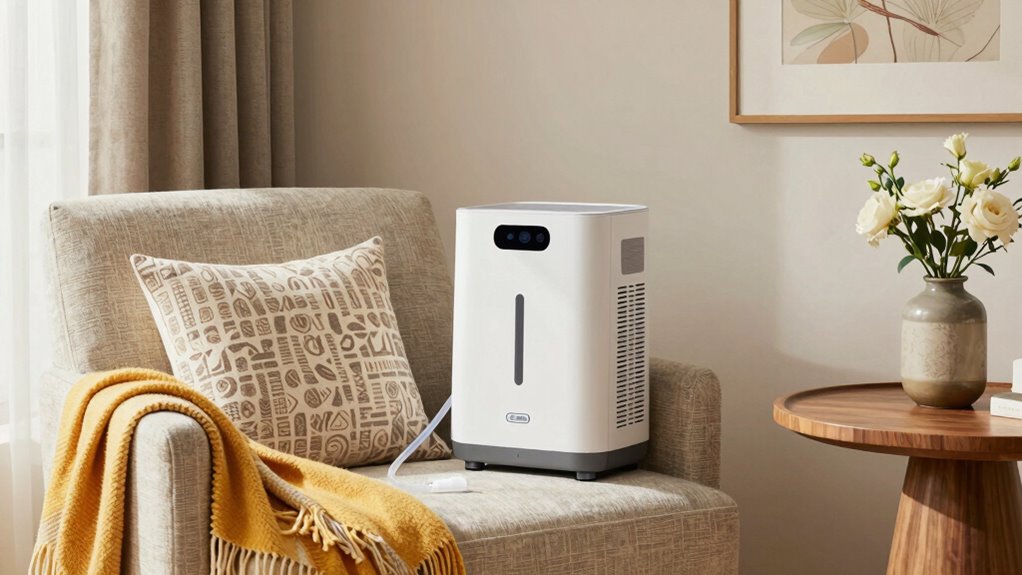
Integrating medical equipment into your decor doesn’t mean sacrificing style for functionality; instead, it’s about choosing pieces that complement your space effortlessly. Use innovative storage solutions, like decorative baskets or sleek cabinets, to hide medical devices when not in use. Opt for subtle lighting, such as soft LED strips or stylish lamps, to create a calming atmosphere while providing necessary illumination. Keep equipment low-profile and blend it with your existing decor by matching colors or textures. Consider furniture that doubles as storage or concealment, seamlessly integrating medical essentials without drawing attention. The goal is to make medical equipment feel like a natural part of your room’s aesthetic, ensuring your space remains inviting and comfortable while still being fully functional.
Tips for Maintaining Comfort and Style Over Time

Maintaining comfort and style over time requires consistent attention to your space and how your medical needs evolve. To do this effectively, consider these tips:
Regularly update your space to stay comfortable, stylish, and aligned with your evolving medical needs.
- Regularly update your adaptive lighting to match changing routines and moods, ensuring the space remains welcoming and functional.
- Incorporate scent therapies to create a calming environment, helping you relax and feel comfortable as your needs shift.
- Reassess your decor periodically, swapping out accessories or furniture to keep the room stylish and aligned with your current medical requirements.
Frequently Asked Questions
How Can I Maximize Natural Light in a Medical-Friendly Room?
To maximize natural light in a medical-friendly room, position privacy screens and light diffusers strategically to allow sunlight to flow while maintaining privacy. Use sheer curtains instead of heavy drapes to let in more daylight. Keep windows unobstructed and opt for light-colored walls that reflect natural light. Incorporate mirrors to bounce light around the space, creating a bright, welcoming environment that feels less clinical and more comfortable.
What Plants Are Safe and Decorative for a Medical Space?
Opt for botanical decor with safe, non-toxic plants like pothos, spider plants, or peace lilies, which add beauty without risking health. To avoid toxic plant avoidance, steer clear of lilies, dieffenbachia, and aloe vera. These plants are decorative and safe, creating a calming atmosphere in your medical space. Incorporating these plants helps soften the room’s clinical feel while ensuring safety for everyone.
How Do I Choose Artwork That Complements Medical Equipment?
You choose artwork that complements your medical equipment by focusing on personalized decor and aesthetic accessories. Select pieces with calming colors or nature-inspired themes to create a harmonious vibe. Incorporate artwork that reflects your personality, which distracts from medical devices. Balance decorative elements around your equipment, ensuring they enhance the room’s overall look while keeping functionality in mind. This approach helps your space feel inviting and uniquely yours.
Can Color Schemes Influence Mood and Healing?
Yes, color schemes profoundly influence mood and healing through color psychology. Bright, calming hues like soft blues and greens promote relaxation and reduce stress, enhancing mood and supporting recovery. Warm tones like gentle yellows can uplift spirits and foster positivity. By thoughtfully choosing colors that promote tranquility and positivity, you create an environment conducive to healing and well-being, making the space feel welcoming rather than clinical.
What Storage Solutions Keep Medical Supplies Discreet and Stylish?
You should opt for discreet storage options like sleek cabinets, decorative baskets, or furniture with hidden compartments to keep medical supplies out of sight. Stylish organization is key—choose pieces that match your room’s decor, such as woven baskets or chic storage ottomans. This way, you maintain a clean, inviting space without sacrificing functionality, and your medical essentials stay accessible yet discreet, blending seamlessly into your overall design.
Conclusion
By thoughtfully choosing warm colors, accessible furniture, and personal touches, you can create a space that’s both functional and inviting. Remember, nearly 80% of people feel more comfortable in environments that reflect their personality and style. When you blend medical needs seamlessly into your decor, you’ll enjoy a space that supports your well-being without feeling clinical. With a little planning, your home can be a cozy haven that meets your needs and feels truly yours.
Halloween Picks
halloween
As an affiliate, we earn on qualifying purchases.