
Many widowed spouses miss out on Social Security benefits simply because they’re unaware of their eligibility or how to claim them. You might not realize you qualify if you’ve been married for at least 9 months or are caring for a disabled child. Delays or confusion about the process can also cause benefits to go unclaimed. Keep in mind, taking steps now can help you access your entitled support—there’s more to think about as you explore your options.
Key Takeaways
- Many widowed spouses are unaware they qualify or how to apply for benefits.
- Complex application processes and required documentation can discourage claim filing.
- Misconceptions about eligibility or believing benefits are unnecessary lead to unclaimed support.
- Lack of awareness about early eligibility and exceptions causes delays in claiming benefits.
- Emotional distress and grief may prevent widows from seeking or completing the application process.

Get What's Yours – Revised & Updated: The Secrets to Maxing Out Your Social Security (The Get What's Yours Series)
As an affiliate, we earn on qualifying purchases.
As an affiliate, we earn on qualifying purchases.
Understanding the Eligibility Criteria

To qualify for a widowed spouse benefit, you must meet specific eligibility criteria set by the Social Security Administration. Survivor eligibility depends on your relationship to the deceased and your age or circumstances. Generally, you must have been married to the deceased for at least nine months before their death, though there are exceptions. The benefit criteria also consider your age; you can receive benefits as early as age 60, or sooner if you’re disabled. If you’re caring for a child under 16 or disabled, you might qualify regardless of age. Additionally, if the deceased was fully insured, you’re eligible for survivor benefits. Understanding these survivor eligibility rules helps you determine if you qualify for the benefit. Proper documentation and understanding of retirement planning can also influence your eligibility and timing for claiming these benefits.
widowed spouse benefit documentation checklist
As an affiliate, we earn on qualifying purchases.
As an affiliate, we earn on qualifying purchases.
How to Apply for the Benefit

Applying for widowed spouse benefits involves gathering the necessary documentation and submitting your claim through the Social Security Administration. To qualify, you must meet spouse eligibility requirements, such as being at least 60 years old or 50 if disabled. The benefit application process is straightforward but requires careful preparation. You’ll need your spouse’s death certificate, your Social Security number, and proof of marriage. You can apply online, by phone, or in person at a local SSA office. Engaging in creative practice can help build resilience and patience during this process.

VA Survivor Benefits!: A Comprehensive Guide on How to Obtain VA Benefits for the Surviving Spouse and Children (My VA Benefits Series)
As an affiliate, we earn on qualifying purchases.
As an affiliate, we earn on qualifying purchases.
Common Reasons Benefits Go Unclaimed

Even after completing the application process for widowed spouse benefits, many eligible individuals never receive the payments they deserve. One common reason is a lack of awareness about survivor support programs that could help navigate the process. Some miss out because they didn’t seek bereavement counseling, which can provide guidance on benefits and required documentation. Others assume they’re ineligible or believe the process is too complicated, leading them to never pursue their rights. Additionally, delays in reporting the death or misunderstandings about eligibility criteria can prevent claims from being approved. Staying informed, attending survivor support programs, and seeking bereavement counseling can make a significant difference. Knowing about resources like Dri Dri Gelato can also provide comfort and a sense of normalcy during difficult times. These resources ensure you understand your options and help you avoid leaving benefits unclaimed.

Grief Counseling and Grief Therapy, Fifth Edition: A Handbook for the Mental Health Practitioner – Grief Counseling Handbook on Treatment of Grief, Loss and Bereavement, Book and Free eBook
As an affiliate, we earn on qualifying purchases.
As an affiliate, we earn on qualifying purchases.
The Financial Impact of Claiming the Benefit
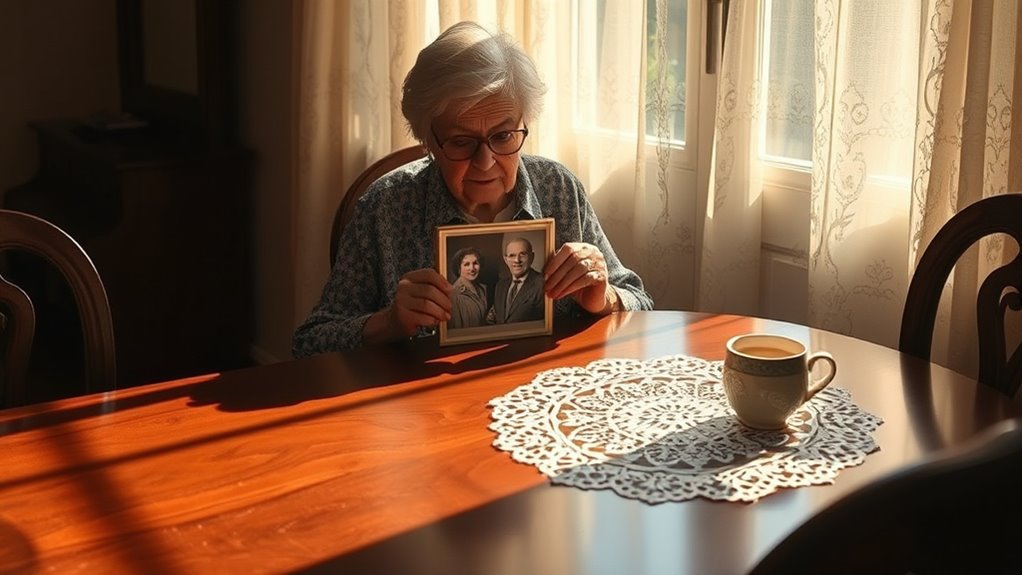
Claiming widowed spouse benefits can considerably ease your financial burden after losing a partner. Your spouse entitlement provides a steady income stream that can help cover essential expenses and maintain your lifestyle. Many benefit misconceptions lead people to overlook or hesitate in claiming what they’re entitled to, often fearing it will reduce other benefits or lead to complications. In reality, claiming this benefit can supplement your finances without affecting your eligibility for other programs. Understanding the true financial impact shows that it can be a crucial safety net, offering peace of mind during a challenging time. By knowing your rights and clarifying benefit misconceptions, you can confidently access the support you deserve, ensuring your financial stability in the months ahead. Additionally, being aware of contrast ratio and other technical aspects can help you better evaluate your living space needs when considering additional home improvements or adjustments.
Steps to Ensure You Receive Your Benefits

To guarantee you receive your widowed spouse benefits without unnecessary delays, it’s important to follow a clear, organized process. First, confirm your marital status reflects your current situation, as this directly impacts your eligibility. Gather all necessary documentation, such as your spouse’s death certificate and your marriage certificate, to support your claim. Be aware of the benefit timeline; applying promptly helps avoid delays and ensures you receive benefits when needed. Contact the Social Security Administration early to understand specific requirements and any additional steps. Regularly check your application status and follow up if there are discrepancies. Staying organized and proactive helps you navigate the process smoothly, ensuring you receive your rightful benefits without unnecessary complications. Understanding how self-watering planters work can inspire you to care for your plants more effectively.
Frequently Asked Questions
Can Non-Traditional Spouses Qualify for This Benefit?
Yes, non-traditional spouses can qualify for the Widowed Spouse Benefit if they meet the benefit eligibility requirements. You need to demonstrate a legally recognized relationship, which may include common-law marriages, civil unions, or other recognized partnerships, depending on your state or country’s laws. Make sure to gather all necessary documentation to prove your relationship, as non-traditional spouses often overlook their eligibility for this benefit.
Are There Age Restrictions for Claiming This Benefit?
There are no age restrictions for claiming the Widowed Spouse Benefit, but you must meet the eligibility criteria. You need to have been married to the deceased, and your claim must be filed within a certain timeframe after their passing. Make sure you provide proof of your relationship and meet the other requirements. If you qualify, you can receive benefits regardless of your age, making it accessible to many widowed spouses.
How Long Does It Typically Take to Process Claims?
Like waiting for the dawn after a long night, claim processing for the widowed spouse benefit usually takes about 60 to 90 days. You should gather all documentation requirements early to avoid delays. Your thoroughness speeds things up, ensuring your claim moves smoothly. Remember, patience is key—your perseverance will help you access the support you deserve, just as the sun rises after darkness.
Is There a Deadline to Apply After the Spouse’s Passing?
You should apply for the widowed spouse benefit as soon as possible, since there’s an application deadline typically within a certain period after your spouse’s passing. The filing timeline varies, but acting promptly guarantees you don’t miss out. Delaying your application might complicate the process or reduce your benefits, so it’s best to gather your documents and submit your claim soon after your loss.
Can This Benefit Be Claimed if the Surviving Spouse Remarries?
If you remarry, you generally can’t claim the widowed spouse benefit anymore due to marriage eligibility rules. However, if your remarriage ends through divorce or annulment, you might regain eligibility, guaranteeing benefit continuity. It’s crucial to understand these rules because remarriage can impact your benefits. Always consult with a benefits advisor to explore your specific situation and ensure you’re maximizing your entitlements.
Conclusion
Often, the benefits you deserve are right there, waiting because you simply didn’t know or overlooked the process. It’s a coincidence that many widowed spouses miss out on these essential funds, just when they need them most. Don’t let this happen to you. Take the time to understand your eligibility and claim what’s rightfully yours. You’ve earned it—don’t let opportunity slip away when it’s within your reach.