
To save family albums without technology, focus on using acid-free storage materials like archival boxes and sleeves to prevent deterioration. Handle photos carefully, supporting them fully and wearing gloves if needed. Organize your collection by dates or themes, and create digital backups by scanning images for safekeeping. Store everything in a cool, dark, dry space, and consider repairing or restoring damaged photos gently. If you continue exploring, you’ll discover more simple strategies to protect and cherish your treasured memories for generations.
Key Takeaways
- Use acid-free, archival-quality storage materials to protect physical photos from deterioration.
- Handle photos with gloves and support to prevent damage during viewing or sorting.
- Organize physical albums by dates, events, or people, and label them clearly for easy retrieval.
- Digitize photos through scanning to create digital backups, reducing physical handling risks.
- Store both physical and digital copies in a cool, dry, dark environment and in multiple secure locations.
Choosing the Right Storage Materials
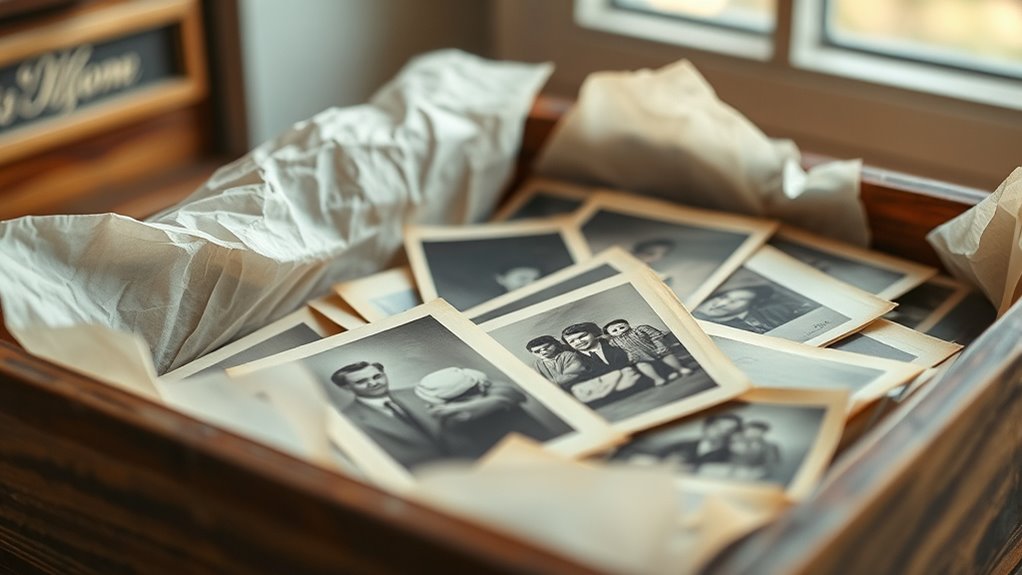
Have you ever wondered how to keep your photos from deteriorating over time? The key is choosing the right storage materials. You should use acid-free storage options, which prevent harmful acids from damaging your photos. Look for archival quality materials designed specifically for preserving photographs. These include acid-free boxes, sleeves, and albums that won’t yellow or become brittle. Avoid regular paper or plastic that contains acids or dyes, as they can cause irreversible damage. Using proper storage materials creates a safe environment for your photos, protecting them from light, air, and pollutants. Incorporating archival quality storage solutions is essential for long-term preservation. By selecting archival quality materials, you ensure your family memories stay vibrant and intact for generations to come. It’s a simple but essential step in preserving your cherished photos.
Proper Handling and Cleaning Techniques
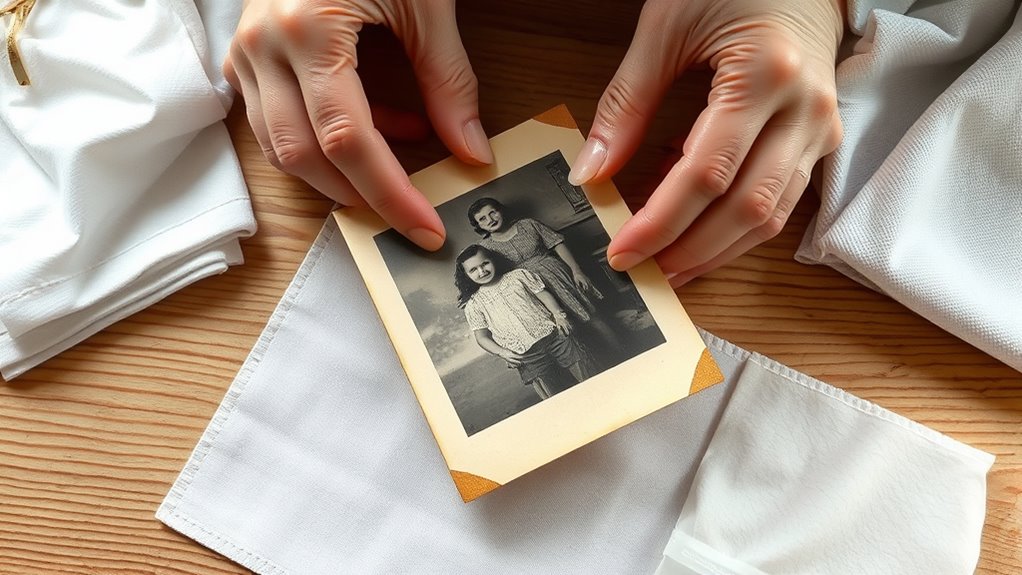
You need to handle your photos gently to prevent damage. Use clean, dry hands or gloves to avoid oils and dirt. When cleaning, opt for soft brushes or cloths and skip harsh chemicals to keep your images safe. Additionally, understanding AI security vulnerabilities can help protect digital copies stored online from potential cyber threats.
Handling With Care
When handling photographs, gentle care is essential to prevent damage or deterioration. Always practice handling with care by holding photos by their edges, avoiding direct contact with the image surface. Use clean, dry hands or wear cotton gloves to prevent oils and dirt from transferring. Support the photo fully to prevent bending or creasing. When moving or viewing, place the photo on a flat, stable surface instead of holding it in midair. Protective handling means avoiding unnecessary touching, especially with damp or dirty hands. Keep photos away from food, drinks, and areas prone to dust or pollutants. Additionally, understanding the importance of proper handling techniques can significantly prolong the lifespan of your photographs. By practicing careful handling, you help preserve your family’s images for generations, ensuring they stay vibrant and intact over time.
Cleaning Without Damage
Handling photographs with care reduces the risk of damage, but proper cleaning techniques are equally important for preserving their quality. Before cleaning, create digital backups to prevent loss if accidental damage occurs. When cleaning, avoid harsh chemicals or abrasive materials that could scratch or discolor the photo. Instead, use a soft, lint-free cloth or a gentle brush to remove dust and dirt. Always clean in a light, circular motion, working from the center outward. After cleaning, consider digitizing your photos for better digital organization and long-term preservation. This way, you can access and share your images without handling the originals excessively. Remember, gentle handling and careful cleaning help maintain the integrity of your family albums for generations. Incorporating mindful preservation practices supports emotional well-being by safeguarding cherished memories for future reflection.
Organizing Your Photo Collection

To keep your photo collection manageable, start by sorting and categorizing your images based on events, dates, or people. Then, create a physical archive with labeled folders or boxes to store your prints and negatives safely. Regularly maintain your organization by updating albums and reassessing storage to preserve your memories for years to come. Incorporating efficient organization techniques can help streamline your process and make future updates easier.
Sorting and Categorizing Photos
Organizing your photo collection begins with sorting and categorizing your images into meaningful groups. Start by creating categories based on events, dates, or people, which makes retrieval easier later. As you sort, consider creating digital backups of your collection to prevent loss. This is also a good time to add or review photo metadata—details like dates, locations, and names—that help identify images quickly. Keep your physical prints and digital files aligned by labeling folders clearly and consistently. Use chronological order when possible, but don’t hesitate to create thematic groups for special occasions or subjects. Additionally, understanding the importance of organized storage can help you develop a system that keeps your memories safe and easy to access. Consistent categorization simplifies future searches and ensures your memories stay organized, accessible, and protected. This step lays a strong foundation for preserving your family history effectively.
Creating a Physical Archive
Creating a physical archive guarantees your treasured photos are protected and easily accessible for years to come. To build this, start by selecting durable storage containers, such as archival boxes or photo albums, that protect against light and humidity. Incorporate digital backups by digitizing your photos through digital scanning, ensuring you have a high-quality digital copy in case of loss or damage. Organize your physical collection by date, event, or family member to streamline retrieval. Consider labeling each photo or album with relevant details for easy identification. Keep your collection in a cool, dry, and dark environment to prevent deterioration. Regularly review and update your archive to maintain its integrity and guarantee all new photos are properly stored. Utilizing proper preservation techniques can further extend the lifespan of your collection.
Maintaining Album Organization
Keeping your photo collection well-organized guarantees you can quickly find and enjoy your memories whenever you want. Regularly update your physical albums and create digital backups to preserve your images. Use clear labels and categories to sort photos by date, event, or family member, making retrieval simple. Digital editing can enhance old photos, restoring faded colors or fixing damage, keeping your collection vibrant. To maintain consistency, review your system periodically and adjust as needed. Consider a table like this to guide organization:
| Category | Description | Storage Method |
|---|---|---|
| Family Events | Birthdays, holidays, reunions | Physical albums & digital copies |
| Childhood | Early years, school days | Scanned prints, digital backups |
| Travel | Vacations, trips | Photo albums and cloud storage |
Staying organized ensures your treasured memories remain accessible and preserved for generations. Consistent organization helps prevent loss and keeps your collection manageable over time.
Creating a Safe Environment for Albums
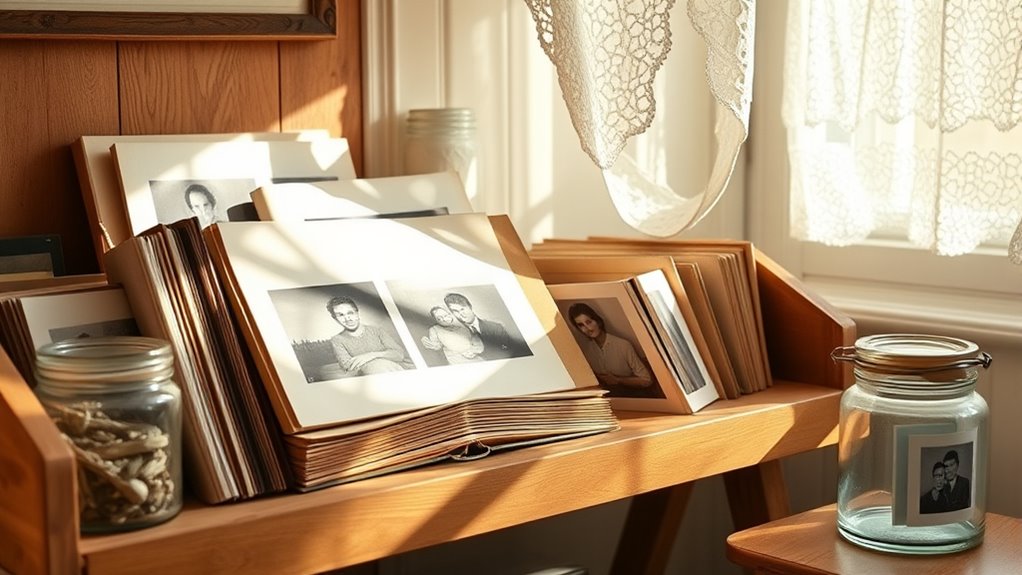
To guarantee your photo albums remain safe and preserved over time, it’s essential to establish a secure environment. Protect your collections from environmental hazards and digital threats alike. Store physical albums in a cool, dry, and dark place to prevent deterioration. For digital copies, create multiple digital backups and store them in different locations, including cloud services, to ensure they’re safe from hardware failures or theft. Be cautious with online sharing—only share with trusted contacts and avoid public platforms that may compromise your privacy. Regularly review and update your storage methods to adapt to new risks. By implementing these strategies, you reduce the risk of loss and ensure your family memories stay preserved for generations. Proper storage materials are crucial for long-term preservation and protection.
Repairing and Restoring Old Photos

Restoring old photos allows you to bring faded, damaged images back to life, preserving precious memories for future generations. Start by scanning your photos to create digital backups, which safeguard the originals and make restoration easier. Using simple editing tools, you can correct discoloration, remove scratches, and enhance details to improve the photo’s appearance. Once restored, save copies in multiple formats and locations to guarantee they’re protected. Sharing your restored images online makes it easy to connect with family members and gather their memories or stories about the photos. This process not only repairs the images but also helps you preserve your family history in a durable, accessible way, ensuring your cherished moments endure for years to come. Proper use of ceiling fans can also enhance comfort in your living spaces, making your home more inviting as you enjoy your restored family memories.
Building a Family Photo Display

Creating a family photo display transforms your cherished memories into a mesmerizing visual story. Carefully planning your display arrangements guarantees your photos tell a cohesive narrative. Start by selecting a central theme or color scheme to create harmony. Incorporate digital backups of your favorite images to preserve quality and ease of access. Use varied display methods, like frames, collages, or photo ledges, to add visual interest. Consider lighting that highlights key photos without glare. Regularly update the arrangement to keep the display fresh and meaningful. For an added touch of sophistication, include:
- Consistent framing styles
- Harmonized matting and borders
- Strategic placement for flow
- Incorporation of memorabilia
- Seasonal or milestone updates
This approach makes your family memories both timeless and engaging.
Sharing and Passing Down Albums
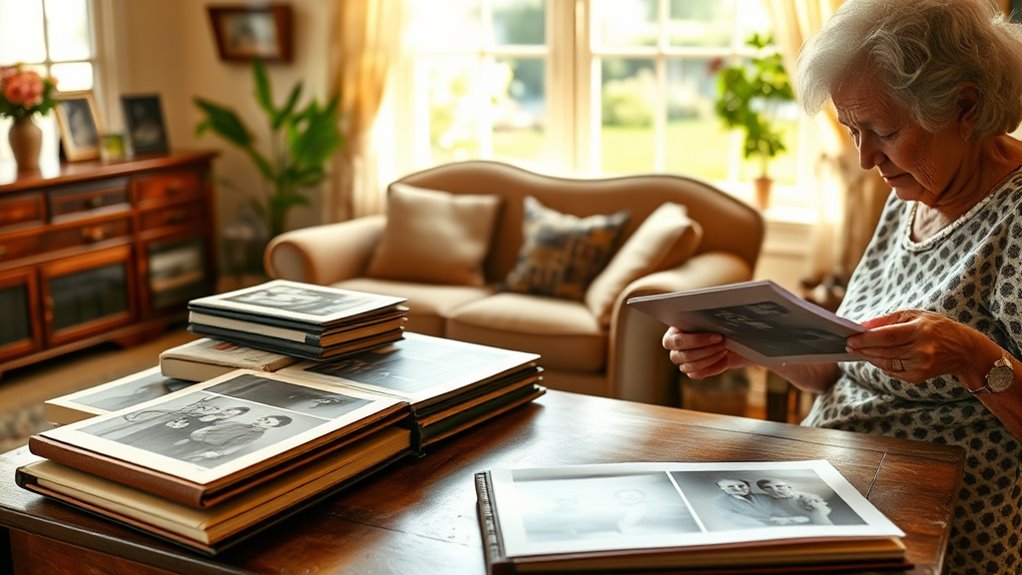
Sharing and passing down albums guarantees your family’s stories live on for generations. By using storytelling techniques, you can bring photos to life during family gatherings or quiet moments. Digital sharing allows you to preserve memories easily, but physical albums add a personal touch that digital can’t replicate. Consider organizing albums by themes or eras to enhance storytelling. Here’s a simple way to structure your sharing process:
| Method | Benefits | Tips |
|---|---|---|
| Family gatherings | Creates tradition, engagement | Share stories behind each photo |
| Digital sharing | Easy access and distribution | Use private online albums |
| Physical albums | Tangible connection | Label with dates and captions |
| Oral storytelling | Deepens emotional bonds | Encourage family members to share stories |
Maintaining the Longevity of Physical Photos
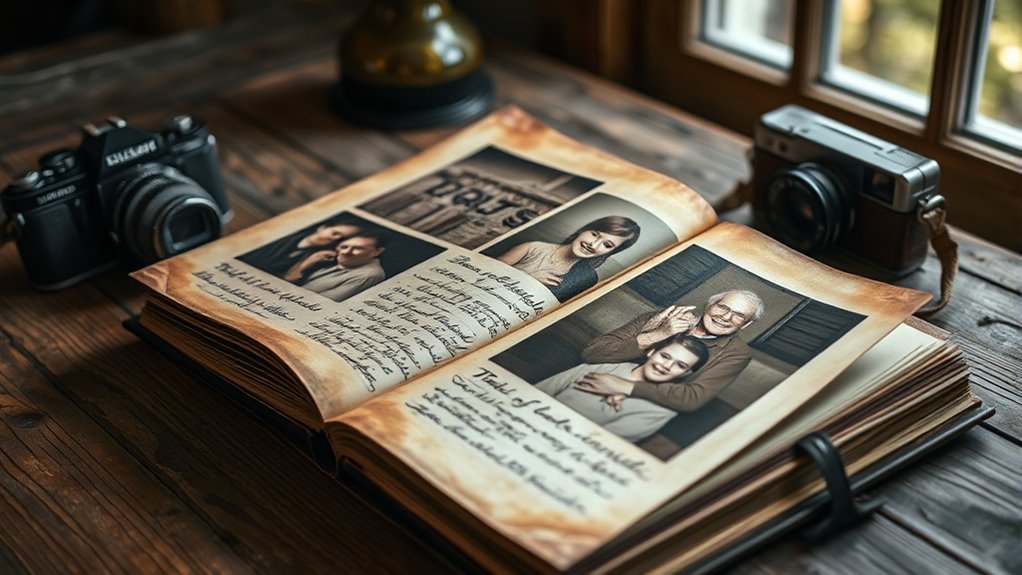
To guarantee your physical photos last for generations, you need to take proactive steps to protect them from deterioration. Environmental factors like light, humidity, and temperature can accelerate fading and decay. Handling photos with clean hands minimizes damage, while proper storage is essential. Store photos in acid-free albums and avoid PVC materials that can cause deterioration. Regularly creating digital backups ensures your images are preserved digitally, safeguarding against loss or damage. Digital preservation allows easy access and sharing without risking the originals. Keep photos away from direct sunlight and fluctuating temperatures. Use archival-quality storage containers and maintain a stable environment. Additionally, understanding cookie management can help you stay informed about privacy when sharing digital copies online. These measures help extend the life of your physical photos while supporting their digital counterparts for future generations.
Tips for Passing on Family Memories
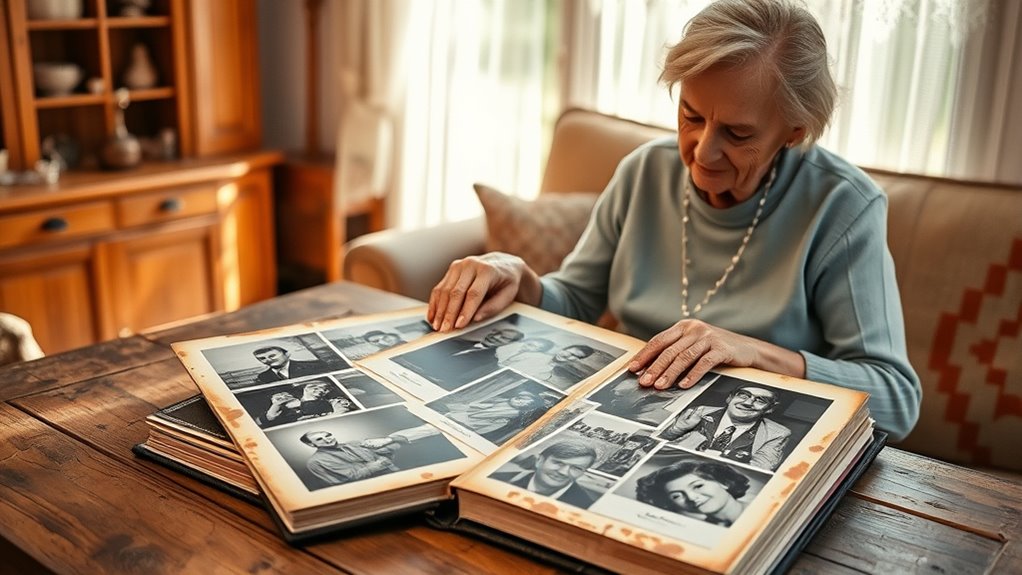
Passing on family memories requires intentional effort to guarantee that stories, photos, and traditions endure through generations. Start by creating digital backups of your cherished photos and stories, ensuring they’re safe from physical damage or loss. Use storytelling techniques, like sharing personal anecdotes or family legends, to make memories more meaningful and engaging for younger relatives. Encourage conversation and ask older family members to recount their experiences, capturing their stories in writing or audio recordings. Consider organizing family gatherings centered around sharing these stories and viewing photos together. Additionally, utilizing digital backup methods can help safeguard your family’s history against unforeseen events. By combining digital backups with heartfelt storytelling, you preserve the essence of your family’s history, making it accessible and impactful for future generations. Your intentional efforts keep family memories alive and vibrant.
Frequently Asked Questions
How Can I Identify the Age and Origin of Vintage Photos?
To identify the age and origin of vintage photos, focus on photo dating techniques like examining clothing styles, hairstyles, and backgrounds. Look for clues such as photographer stamps or studio marks for origin identification. You can also compare features with historical records or online archives. By analyzing these details, you’ll better understand when and where the photos were taken, helping you preserve your family’s history accurately.
What Are Common Signs of Deterioration in Old Photographs?
You’ll notice signs of deterioration in old photos like fading colors and dullness, which indicate photo fading. Paper brittleness is another common sign, where the photograph becomes fragile and cracks easily when handled. You might also see discoloration, mold spots, or warping. These issues happen over time due to exposure to light, humidity, and poor storage. To preserve your photos, handle them carefully and store them in a cool, dry place.
How Do I Prevent Mold and Pests From Damaging Albums?
You can prevent mold and pests by storing albums in a cool, dry, and well-ventilated space, avoiding high humidity. Use digital backups to preserve copies, reducing the need to handle originals often. When displaying albums, keep them away from direct sunlight and food sources. Regularly inspect your collection for signs of pests or mold, and make certain of proper storage conditions to protect your precious family memories.
What Are Safe Ways to Store Large or Fragile Albums?
You should store large or fragile albums in archival storage boxes made from acid-free materials to prevent deterioration. Keep them in a cool, dry, and dark environment to avoid mold and pest damage. Create digital backups of your albums to preserve their contents. When possible, handle fragile albums with clean hands or gloves, and store them flat or upright with proper support to prevent warping or tearing.
How Can I Motivate Family Members to Preserve Photo Collections?
Imagine gathering around a cozy table, sharing stories behind each photo. You can motivate your family by highlighting the joy of family storytelling and offering preservation incentives like creating a scrapbook or hosting a photo-sharing night. Show them how preserving these memories strengthens bonds and keeps family history alive. Your enthusiasm will inspire everyone to contribute, making preservation a meaningful and rewarding family project.
Conclusion
Did you know that over 80% of family memories are stored in physical photos? By choosing the right storage, handling albums carefully, and creating a safe environment, you can safeguard these precious moments for generations. Taking simple, no-tech steps ensures your family’s stories stay vivid and intact. So, start today—your future self will thank you for keeping those memories alive and well-preserved, long after the photos fade.