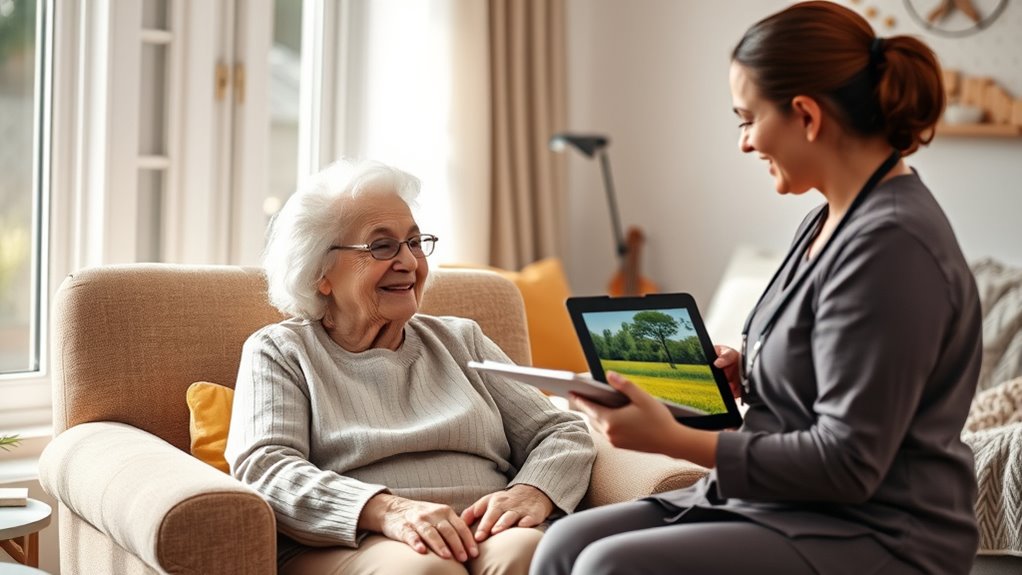

To integrate mental health support into elderly care plans, focus on creating personalized approaches that include social engagement, holistic wellness, and early recognition of mental health issues. Encourage participation in community activities and hobbies suited to their abilities, promote awareness to reduce stigma, and guarantee ongoing medication monitoring. Training staff to identify early signs and fostering open communication help maintain emotional stability. Keep exploring these strategies to build a thorough, supportive environment that truly cares for their mental well-being.
Key Takeaways
- Incorporate social engagement activities tailored to individual preferences to enhance emotional support and mental stimulation.
- Provide staff training to recognize early signs of mental health issues and respond promptly.
- Develop holistic care plans that address physical, emotional, and mental health needs simultaneously.
- Promote mental health awareness campaigns to reduce stigma and encourage open discussions among residents and staff.
- Regularly monitor and review medication management to prevent adverse effects that could impact mental well-being.

As the global population ages, addressing mental health in elderly care becomes increasingly essential. You need to recognize that mental well-being isn’t just about treating illnesses; it’s also about fostering a sense of purpose, connection, and stability. One effective way to do this is by promoting social engagement. When you encourage seniors to participate in community activities, hobbies, or regular interactions with family and friends, you help combat feelings of loneliness and depression. Social engagement provides emotional support, keeps their minds active, and enhances overall happiness. It’s important to tailor these activities to individual preferences and physical abilities, ensuring they feel comfortable and motivated to participate. Additionally, mental health awareness campaigns within care settings can help reduce stigma and promote understanding among staff and family members. Alongside social engagement, medication management plays a *pivotal* role in supporting mental health in elderly care plans. You must *assure* medications are properly prescribed, monitored, and adjusted as needed. Many seniors take multiple medications, which can lead to side effects or interactions that impact their mental state. Regular reviews with healthcare professionals help prevent adverse effects and *guarantee* medications are effective. Clear communication with seniors about their medication regimen is *indispensable* so they understand the purpose and potential effects, reducing anxiety or confusion about their treatment. Integrating mental health support into elderly care isn’t just about adding activities or medication checks—it’s about creating a *thorough*, person-centered plan. You should consider the unique needs of each individual, including their mental, emotional, and physical health. For example, if a senior shows signs of depression or anxiety, early intervention through counseling or therapy should be part of the plan. Encouraging open conversations about mental health reduces stigma and makes it easier for seniors to seek help when needed. Furthermore, you need to coordinate with caregivers, family members, and healthcare providers to create a seamless support system. Regular team meetings ensure everyone stays informed about changes in mental health status and can adapt the care plan accordingly. Training staff to recognize early signs of mental decline or distress helps you intervene promptly, preventing issues from worsening. Ultimately, integrating mental health support into elderly care plans requires a *proactive* , compassionate approach. By fostering social engagement, managing medications diligently, and maintaining open communication, you can *considerably* improve the quality of life for seniors. Remember, mental health isn’t a separate aspect of care; it’s a *crucial* component woven into every interaction and decision you make in caring for the elderly. Your attentiveness and dedication can create a supportive environment where seniors feel valued, connected, and mentally healthy.
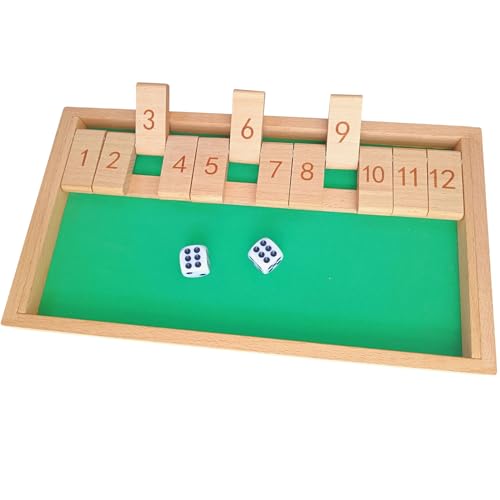
XieKules Wooden Dementia Games and Activities for Seniors – 12 Numbers Shut The Box Products Kit for Elderly with Alzheimer's,Easy Cognitive & Memory Training Toy,Great Gift for Father Mother
Dementia Activities for Seniors – Helps adults with dementia or memory loss stay mentally active.Boosts focus and basic…
As an affiliate, we earn on qualifying purchases.
As an affiliate, we earn on qualifying purchases.
Frequently Asked Questions
How Can Family Members Effectively Support Elderly Mental Health?
You can support elderly mental health by fostering open communication and addressing any barriers they face, like hearing issues or cognitive challenges. Encourage them to share their feelings and listen actively, which boosts emotional resilience. Be patient and understanding, creating a safe space where they feel comfortable. Regularly check in, offer reassurance, and promote social activities to help maintain their mental well-being and strengthen your bond.
What Are Signs of Mental Health Decline in Seniors?
When noticing signs of mental health decline in seniors, look for changes like persistent sadness, loss of interest in activities, or confusion. Geriatric depression often shows as withdrawal or fatigue, while cognitive decline may present as forgetfulness, difficulty concentrating, or disorientation. Recognizing these early signs helps you seek support promptly, ensuring your loved one receives the proper care to maintain their well-being.
Are There Specific Mental Health Assessments for the Elderly?
Think of mental health assessments for seniors as a lighthouse guiding your way. You’ll find tools like cognitive screening tests that illuminate memory and thinking skills, helping you spot early signs of decline. Emotional resilience measures gauge their ability to bounce back from life’s storms. These assessments act as essential compasses, ensuring you understand your loved ones’ mental well-being, so you can provide the right support at the right time.
How Do Cultural Differences Impact Mental Health Care in Seniors?
Cultural differences greatly influence mental health care in seniors. You need cultural sensitivity to understand their beliefs and values, which shape their attitudes toward mental health. Many seniors trust traditional healing methods alongside or instead of Western treatments. By respecting these cultural aspects, you can create more effective care plans that honor their preferences, promote trust, and improve mental health outcomes for elderly clients.
What Role Do Community Programs Play in Elderly Mental Well-Being?
Community programs play a crucial role in your elderly loved one’s mental well-being. Through community engagement and social activities, they provide opportunities to connect, reduce feelings of loneliness, and foster a sense of belonging. These programs help seniors stay active and engaged, which can improve mood and cognitive health. By participating, your loved one gains support networks and meaningful interactions that contribute markedly to their overall mental health and happiness.

SYNLETT Caregiver Pager Wireless Call Buttons for Elderly Monitoring SOS Alert System Portable Alarm for Nurse Call Seniors Patients Emergency Home
PORTABLE CAREGIVER PAGER: This wireless pager system comes with 2 wireless call buttons and 1 portable pager. It…
As an affiliate, we earn on qualifying purchases.
As an affiliate, we earn on qualifying purchases.
Conclusion
By integrating mental health support into elderly care plans, you’re not just improving lives—you’re transforming the entire fabric of aging itself. Imagine a world where seniors wake up every day feeling truly heard, valued, and emotionally strong enough to conquer anything. This isn’t just a small change; it’s a revolution that could save countless lives and redefine what it means to grow old. Don’t wait—be the catalyst for this incredible shift today!

Betife Automatic Pill Dispenser,28-Day Smart Bluetooth Pill Box, App Support Automatic Pill Case with 6 Alarms & Light Reminder, Monthly Timer Dispenser,Electronic Medication Management for Seniors
【Full APP Control & Bluetooth Sync】 Say goodbye to complicated manual setups. Our smart pill dispenser connects seamlessly…
As an affiliate, we earn on qualifying purchases.
As an affiliate, we earn on qualifying purchases.

Adult Sensory Arm Pillow for Alzheimer Patients Anxiety Relief – Elderly Dementia Fidget Wrist Cuff for Restless Hands – Calming Therapeutic Aid for Seniors
ADULT SENSORY WRIST PILLOW: Designed for elderly individuals with Alzheimer’s, dementia, and similar age-related conditions. Helps relieve anxiety…
As an affiliate, we earn on qualifying purchases.
As an affiliate, we earn on qualifying purchases.