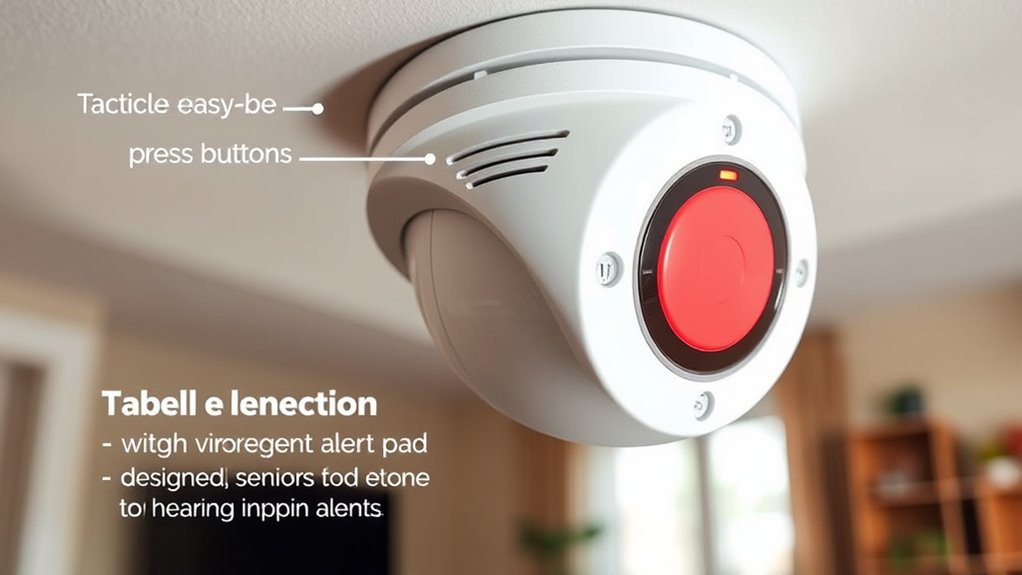

Choosing a smoke detector suited for seniors with hearing loss involves balancing effective alerts with ease of use. The First Alert SM110LED-AC stands out as the best overall due to its combination of a loud alert and visual LED strobe, ensuring visibility and hearing impairment accommodations. For those seeking a budget-friendly option, the Sonic Alert HomeAware II offers a comprehensive alerting system that integrates with other devices, though it requires additional setup. Another strong contender is the First Alert BRK 7020BSL, which combines a loud alarm with an effective visual strobe, ideal for those who want reliable alerts without extra bells and whistles. The main challenge for buyers lies in choosing between standalone alarms with visual signals and full alerting systems, each with different costs, installation complexity, and alert effectiveness. Continue reading for a detailed breakdown of each option and what suits your specific needs.
Complete the kit


Key Takeaways
- Visual alerts like strobes are essential for effective notification for seniors with hearing loss, but their placement and brightness matter for visibility.
- Combination alarms that include voice alerts can aid comprehension, especially for users with partial hearing impairment or cognitive challenges.
- Wired (hardwired) detectors tend to be more reliable and easier to integrate into existing systems compared to battery-only options, though installation may be more complex.
- Comprehensive alerting systems, like the Sonic Alert HomeAware, offer flexibility and integration but often come at a higher price and complexity.
- Choosing a device with easy installation and maintenance ensures ongoing safety without frequent surprises or technical issues.
| First Alert SM110LED-AC Hardwire Smoke Alarm with LED Strobe & 10-Year Battery Backup |  | Best Overall for Comprehensive Safety and Ease of Use | Battery Backup: 10 years | Alarm Type: Hardwire with battery backup | Features: LED strobe light, interconnects, test/silence button | VIEW ON AMAZON | See Our Full Breakdown |
| First Alert BRK 7020BSL Hardwired Hearing Impaired Smoke Detector with LED Strobe Light |  | Best for Hearing-Impaired Residents Needing Clear Visual Alerts | Power Source: AC with 10-year sealed battery backup | Strobe Light: LED, synchronized flash | Coverage: Visual warning for hearing impaired | VIEW ON AMAZON | See Our Full Breakdown |
| First Alert SMCO500V Interconnect Battery-Operated Smoke & Carbon Monoxide Alarm with Voice Alerts, 1-Pack |  | Best for Voice-Guided Alerts and Combined Gas & Smoke Detection | Detection Type: Smoke & Carbon Monoxide | Power Source: Battery-operated | Interconnect: Yes | VIEW ON AMAZON | See Our Full Breakdown |
| First Alert BRK 7030BSL Hardwired Hearing Impaired Combination Alarm with LED Strobe Light |  | Best for ADA-Compliant, Hardwired Visual and Gas Detection | Power Source: Corded Electric | Visual Sensor Type: Photoelectric | Detection Color: White | VIEW ON AMAZON | See Our Full Breakdown |
| Sonic Alert HomeAware II Basic Starter Kit – Alerting System for Deaf, Hard of Hearing, Heavy Sleepers |  | Best for Tactile and Visual Alerting for Heavy Sleepers | Power Source: Corded Electric | Vibration Sensor: Acoustic | Product Style: Alarm Clock | VIEW ON AMAZON | See Our Full Breakdown |
| First Alert SLED177 Hardwired Hearing Impaired LED Strobe Light, White |  | Best Visual Alert Option for Hardwired Installations | Candela: 177 cd | Power: 120V AC | Installation: Hardwired, quick-connect wiring | VIEW ON AMAZON | See Our Full Breakdown |
| smoke detectors for seniors with hearing loss | Power Source |
|---|---|
| First Alert SM110LED-AC Hardwi | — |
| First Alert BRK 7020BSL Hardwi | AC with 10-year sealed battery backup |
| First Alert SMCO500V Interconn | Battery-operated |
| First Alert BRK 7030BSL Hardwi | Corded Electric |
| Sonic Alert HomeAware II Basic | Corded Electric |
| First Alert SLED177 Hardwired | — |
More Details on Our Top Picks
First Alert SM110LED-AC Hardwire Smoke Alarm with LED Strobe & 10-Year Battery Backup
This model stands out for combining a reliable hardwired system with a long-lasting 10-year battery backup, making it ideal for those seeking consistent protection. Unlike the First Alert BRK 7020BSL, it offers a more effective false alarm reduction thanks to advanced sensing technology, which is crucial for seniors who need dependable alerts without frequent nuisances. The integrated LED strobe provides a clear visual signal, and interconnectivity ensures coverage across multiple rooms. The main tradeoff is that professional installation may be necessary, adding complexity and cost. Overall, this alarm suits seniors who want a durable, low-maintenance solution that integrates seamlessly into their home security system.
Pros:- Long-lasting 10-year battery backup reduces maintenance needs
- Effective visual warning with LED strobe ensures visibility
- Advanced sensing technology minimizes false alarms
- Interconnects with multiple alarms for comprehensive coverage
Cons:- Requires professional wiring installation, which may be inconvenient
- Higher cost compared to basic smoke alarms
Best for: Seniors looking for a long-term, reliable hardwired alarm with visual alerts and enhanced false alarm reduction.
Not ideal for: Homeowners preferring simple battery-operated units or those uncomfortable with professional installation.
- Battery Backup:10 years
- Alarm Type:Hardwire with battery backup
- Features:LED strobe light, interconnects, test/silence button
Our verdict“This alarm is ideal for seniors who prioritize durability, advanced sensing, and integrated visual alerts in a fixed installation.”
First Alert BRK 7020BSL Hardwired Hearing Impaired Smoke Detector with LED Strobe Light
This unit is tailored for residents with hearing impairments, combining smoke detection with a synchronized LED strobe that flashes brightly in response to alarms, similar to the First Alert BRK 7030BSL but with a streamlined design. Its synchronized flashing pattern provides a consistent visual cue, making it easier for hearing-impaired seniors to recognize danger. Installation requires a junction box, which could be challenging for some users, and the design may vary, affecting aesthetic preferences. Compared to models like the First Alert SLED177, this detector offers integrated smoke detection and visual alerts in one device, but it sacrifices some aesthetic flexibility. It’s best suited for those who need a dedicated, reliable visual alert system integrated into their existing wiring.
Pros:- Integrated smoke alarm and synchronized strobe for clear visual alerts
- Reliable hardwired connection with 10-year warranty
- Easy to install with a single junction box
Cons:- Installation may require professional help
- Design variations could impact home aesthetics
Best for: Hearing-impaired seniors who need a dependable, hardwired smoke detector with synchronized visual alerts.
Not ideal for: Those seeking a battery-operated or portable solution, or who prefer a more discreet aesthetic.
- Power Source:AC with 10-year sealed battery backup
- Strobe Light:LED, synchronized flash
- Coverage:Visual warning for hearing impaired
- Installation:Requires junction box
Our verdict“This detector is best for hearing-impaired residents who want a dependable, hardwired visual alert system with synchronized flashing.”
First Alert SMCO500V Interconnect Battery-Operated Smoke & Carbon Monoxide Alarm with Voice Alerts, 1-Pack
This battery-operated alarm offers both smoke and carbon monoxide detection, with voice alerts clearly specifying the danger and its location. Unlike dedicated visual alert models, the voice feature is essential for seniors with hearing loss who may struggle to see visual signals. The device’s advanced sensing technology minimizes false alarms, but the battery life may require regular replacement, which could be inconvenient. Interconnectivity is limited to certain alarms, so it might not synchronize across all devices in a home. This pick is ideal for seniors who prefer auditory cues and need combined gas and smoke detection in a single, easy-to-install unit.
Pros:- Combines smoke and carbon monoxide detection in one device
- Voice alerts specify the type and location of danger
- Easy to install and maintain
Cons:- Battery replacement needed periodically
- Limited interconnect capability may reduce coverage
Best for: Seniors who rely on voice alerts for safety and want combined smoke and CO detection in a portable, battery-powered device.
Not ideal for: Homes where continuous, maintenance-free operation is preferred, or where visual alerts are necessary for hearing-impaired users.
- Detection Type:Smoke & Carbon Monoxide
- Power Source:Battery-operated
- Interconnect:Yes
- Voice Alerts:Yes
Our verdict“This alarm suits seniors who depend on voice alerts and want combined gas and smoke detection without hardwired installation.”
First Alert BRK 7030BSL Hardwired Hearing Impaired Combination Alarm with LED Strobe Light
This model is designed to meet ADA standards, combining smoke and carbon monoxide detection with a powerful LED strobe light and Optipath 360 technology for comprehensive sensing. It’s ideal for seniors requiring a hardwired system with synchronized visual alerts, similar to the First Alert SM110LED-AC but with added dual detection and ADA compliance. The installation process may be complex for some, and the bulkier design could be less discreet. Compared with the First Alert BRK 7020BSL, this offers dual detection and a more robust sensing system, but it’s less portable and more involved to set up. It’s best suited for those who need a fixed, ADA-compliant alarm system with extensive visual coverage.
Pros:- Includes powerful LED strobe for visual alerts
- Dual detection of smoke and CO with comprehensive sensing
- Synchronized strobes enhance visibility across multiple units
- ADA-compliant and long-lasting 10-year warranty
Cons:- Hardwired installation complexity
- Bulkier design may impact aesthetics
Best for: Hearing-impaired seniors requiring a fixed, ADA-compliant system with dual detection and synchronized visual alerts.
Not ideal for: Those seeking a simple, battery-operated solution or who prefer a less conspicuous device.
- Power Source:Corded Electric
- Visual Sensor Type:Photoelectric
- Detection Color:White
- Warranty:10 Years
- Features:LED strobe, Optipath 360
Our verdict“This alarm is ideal for seniors needing a fixed, ADA-compliant system with dual detection and synchronized visual alerts.”
Sonic Alert HomeAware II Basic Starter Kit – Alerting System for Deaf, Hard of Hearing, Heavy Sleepers
This system excels by amplifying existing smoke and CO alarms’ signals through visual, tactile, and audio alerts, making it suitable for users who need more than just visual cues. Unlike dedicated smoke detectors, it does not detect hazards directly but acts as a supplementary alert, ideal for heavy sleepers or those with profound hearing loss. The inclusion of a bed shaker, scrolling display, and Bluetooth connectivity provides multiple notification methods, but it requires placement in the same room as alarms for optimal effectiveness. For seniors with hearing aids or those who sleep deeply, this kit offers valuable reassurance, though it cannot replace a primary detection device.
Pros:- Multiple alert modes: visual, tactile, and audio
- Compatible with existing smoke and CO alarms
- Bluetooth connectivity enables phone alerts
Cons:- Does not detect smoke or CO directly
- Requires placement near existing alarms for effectiveness
- Limited to alerting functions only
Best for: Heavy sleepers or seniors with significant hearing impairment who want an additional, multi-sensory alerting system.
Not ideal for: Individuals seeking standalone smoke or CO detection or those preferring integrated alarms.
- Power Source:Corded Electric
- Vibration Sensor:Acoustic
- Product Style:Alarm Clock
- Enclosure Material:Plastic
Our verdict“This system is best for seniors who need heightened alerting methods beyond visual signals, especially heavy sleepers or those with profound hearing loss.”
First Alert SLED177 Hardwired Hearing Impaired LED Strobe Light, White
This LED strobe light stands out for its powerful 177 candela output, making it highly effective in alerting individuals with severe hearing loss. Compared with the First Alert BRK 7030BSL, which combines a strobe with a smoke detector, the SLED177 is solely dedicated to visual alerts, offering a brighter and more prominent signal. Its synchronized flashing feature is particularly beneficial in larger rooms or multiple-room setups, ensuring that everyone notices the alert simultaneously. The slim, low-profile design simplifies mounting without drawing attention or cluttering the space. However, its reliance on hardwired installation limits flexibility, especially for renters or those with existing wiring constraints. It’s ideal for fixed, permanent setups where electrical wiring is accessible. The main tradeoff involves installation complexity and the need for professional wiring in some cases. This pick makes the most sense for homeowners seeking a reliable, dedicated visual alert system that integrates seamlessly with existing wiring systems.
Pros:- Bright 177 candela LED ensures high visibility in various lighting conditions
- Synchronization feature allows multiple units to flash simultaneously for larger coverage
- Slim, low-profile design simplifies discreet mounting
Cons:- Requires professional hardwired installation, which may increase setup time and cost
- Limited flexibility for renters or those seeking portable alerts
Best for: Homeowners with existing electrical wiring who need a dedicated, high-intensity visual alert for hearing-impaired residents
Not ideal for: Renters or those who prefer portable solutions, since it requires hardwired installation and cannot be easily moved
- Candela:177 cd
- Power:120V AC
- Installation:Hardwired, quick-connect wiring
- Color:White
- Standards:UL, ADA compliant
- Mounting:Wall-mount
- Size:Low-profile
Our verdict“This strobe light is best suited for permanent installations where maximum brightness and synchronization are priorities.”
How We Picked
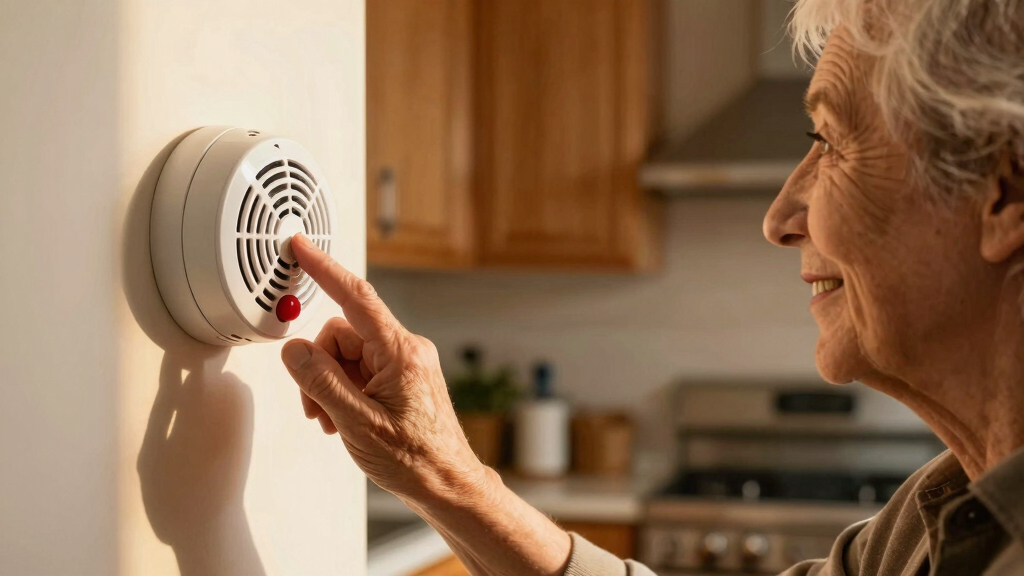
In evaluating these smoke detectors, I prioritized performance aspects critical for seniors with hearing loss, such as loudness, visual signaling, and alert clarity. Usability and ease of installation were key factors since many users prefer straightforward setups without complex wiring or programming. Build quality and reliability influenced rankings, as dependable operation is vital for safety. Additionally, I considered value for money, balancing features against cost, and whether the product offers features like voice alerts or interconnectivity. The final ranking reflects a mix of these factors, aiming to recommend options that combine safety, ease of use, and affordability for seniors with hearing challenges.| smoke detectors for seniors with hearing loss | Power Source |
|---|---|
| First Alert SM110LED-AC Hardwi | — |
| First Alert BRK 7020BSL Hardwi | AC with 10-year sealed battery backup |
| First Alert SMCO500V Interconn | Battery-operated |
| First Alert BRK 7030BSL Hardwi | Corded Electric |
| Sonic Alert HomeAware II Basic | Corded Electric |
| First Alert SLED177 Hardwired | — |
Factors to Consider When Choosing Smoke Detectors For Seniors With Hearing Loss
Selecting the right smoke detector for seniors with hearing loss involves more than just choosing a loud alarm. It’s essential to consider how the device alerts, how easy it is to install and maintain, and whether it integrates with other safety systems. Understanding these factors can help prevent missed alerts during emergencies and ensure long-term safety. Here are the main considerations to guide your decision:Alert Types and Effectiveness
For seniors with hearing loss, visual signals like LED strobes are often more effective than sound alone. Consider whether the alarm offers a bright, easily visible strobe light, and check its placement options to ensure visibility from all parts of the home. Some models include voice alerts, which can help those with partial hearing loss understand the nature of the emergency. Combining loud alarms with visual cues provides a layered approach to safety, reducing the chance of missed alerts during sleep or in noisy environments.
Ease of Installation and Maintenance
Wired (hardwired) detectors tend to be more reliable but can require professional installation, which adds to initial costs. Battery-powered models are easier to install but require regular battery checks and replacements. Features like long-life batteries or 10-year sealed units minimize maintenance efforts. For seniors, simplicity in setup and operation is key, so look for models with straightforward mounting, minimal wiring, and clear instructions.
Interconnectivity and System Integration
Interconnected alarms that trigger all units simultaneously offer enhanced safety, especially in larger homes. This feature is more common in hardwired systems but can also be available in certain wireless models. Integration with home security systems or alerting devices (like vibrating pads or wearable alerts) can further improve response times. Weigh the benefits of system complexity against installation costs and the user’s comfort with technology.
Reliability and Build Quality
Durability is crucial since these devices need to operate continuously without failure. Look for alarms with a proven track record, good reviews, and certifications from safety authorities. Sealed units with long-lasting batteries reduce the risk of malfunction due to user error or forgetfulness. Remember, a reliable alarm can be the difference between alerting in time and missing a critical warning.
Cost and Value
While high-end systems with multiple features cost more upfront, they often provide better durability and integration options. On the other hand, budget models can still offer essential visual alerts but may lack longevity or advanced features. Balance your budget against your safety needs, and consider whether investing in a more reliable or feature-rich model provides long-term peace of mind.
Frequently Asked Questions
Are wired smoke detectors better for seniors with hearing loss?
Wired smoke detectors often provide more reliable alerts and can be interconnected, allowing all alarms to sound simultaneously in an emergency. This feature is particularly helpful in larger homes or multi-story residences, where a single alarm might be missed. However, installation can be more complex, often requiring professional help, which may not suit all seniors. Battery-powered models are easier to install but require regular maintenance to ensure they function properly. Ultimately, the choice depends on your home setup and your comfort with installation tasks.
Can I add visual alerts to an existing smoke detector?
Yes, many standalone visual alert devices or strobe lights can be added to existing smoke detectors, especially if they have a compatible output or alert system. Some models offer plug-in or wireless options that can be integrated with current alarms. However, compatibility and effectiveness depend on the specific devices involved. Upgrading to a dedicated combination alarm with built-in visual alerts often provides a more seamless and reliable solution, especially for those with significant hearing loss.
How loud should a smoke alarm be for someone with hearing impairment?
Standard smoke alarms typically emit sounds around 85 decibels, which is loud enough for most people, but may not be effective for those with hearing loss. For seniors with hearing impairment, alarms with sound levels of 110 decibels or higher are recommended. Combining sound with visual signals like strobes or flashing lights ensures that alerts are noticed regardless of hearing ability. Always verify the decibel level and visual features before choosing a device.
Are voice alerts helpful for seniors with hearing loss?
Voice alerts can be beneficial for seniors with partial hearing or cognitive challenges, as they provide clear, spoken instructions during an emergency. These alerts can specify the type of danger or instruct on next steps, which adds an extra layer of safety. However, they are less effective if hearing loss is severe; in such cases, visual signals are more reliable. Combining voice alerts with visual cues often offers the most comprehensive coverage for varied hearing abilities.
What should I consider if I want a smoke detector that’s easy to install and maintain?
Look for models with simple mounting options, such as plug-in or battery-operated units with minimal wiring. Devices with 10-year sealed batteries reduce maintenance needs and eliminate frequent replacements. Clear, straightforward instructions and a visual indicator for low battery status help ensure ongoing operation. For seniors, choosing a detector with a user-friendly interface and minimal upkeep can significantly improve safety without adding stress or complexity.
Conclusion
For most seniors with hearing loss, the First Alert SM110LED-AC offers the best overall balance of loudness, visual signaling, and ease of use. Budget-conscious buyers might prefer the Sonic Alert HomeAware II for its comprehensive alerting system, despite higher setup complexity. Those seeking premium reliability and integration should consider wired, interconnected alarms with voice alerts. For beginners or those with minimal technical skills, simple battery-powered models with visual signals are a practical choice. Ultimately, matching the device to your specific hearing needs, home setup, and comfort with technology will ensure the best safety outcomes.”