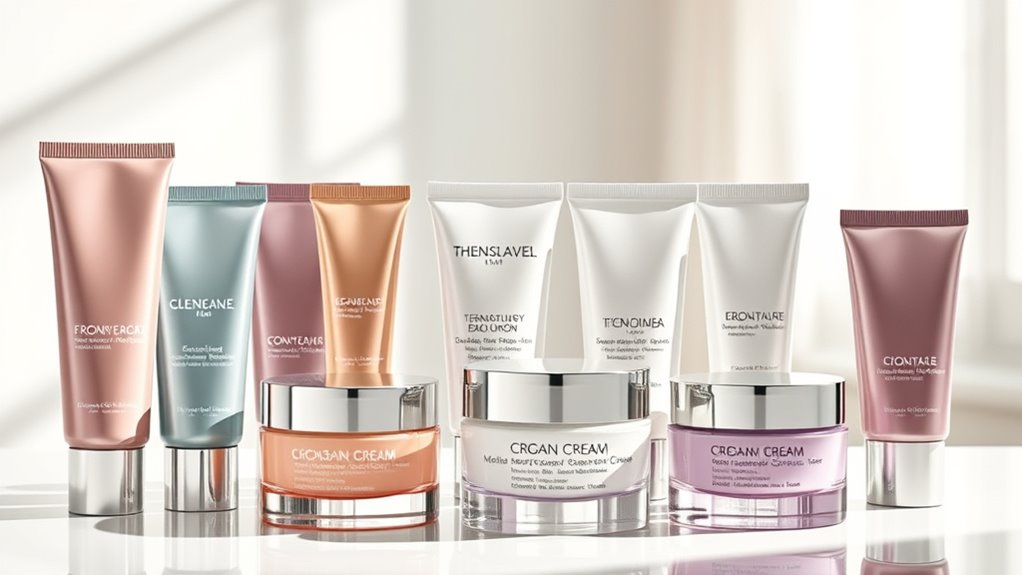

For skin barrier creams for bedsores, my best overall pick is Medline Remedy Specialized Silicone Cream for routine protection where a spreadable, unscented formula matters. Medline Remedy Essentials Zinc Oxide Paste is a stronger fit when a thicker protective layer is the priority, while TriDerma MD Pressure Sore Relief Healing Cream offers a cream-format alternative for targeted care. The main tradeoff is between a heavier barrier that may take more effort to remove and lighter creams that may need more frequent reapplication. These products support skin protection; they do not replace pressure relief, repositioning, or clinical care for an existing wound. Read on for how the eight options differ and which type of caregiver each suits.

Turn quiet afternoons into listening time
- Thousands of audiobooks, podcasts and originals
- Listen on your phone, tablet or Echo — also offline
- Cancel anytime
Complete the kit


Key Takeaways
- Medline Remedy Specialized Silicone Cream stands out for routine barrier use when an unscented cream format is preferable to a paste.
- Medline Remedy Essentials Zinc Oxide Paste offers a thicker barrier, but its paste texture may be less convenient for frequent, broad application.
- The two TriDerma listings describe the same 4 oz product, so buyers should compare the package details rather than treat them as separate formula choices.
- Terrasil appears in both 1.5 oz and 3 oz listings; the smaller listing suits a trial or compact kit, while the larger listing offers more product in the same named treatment line.
- The specialized bedsore creams vary in texture and positioning, but none substitutes for pressure redistribution or medical evaluation of damaged skin.
| Terrasil Bed Sores Treatment Cream, 1.5oz |  | Best Targeted Treatment | Size: 1.5 oz | Formulation: Cream | Listed ingredients: Allantoin, beeswax, peppermint oil, shea butter, activated minerals | VIEW ON AMAZON | See Our Full Breakdown |
| Hermon Bed Sore & Pressure Sore Fast Healing Cream |  | Best for Multi-Purpose Use | Product type: Bed sore and pressure sore cream | Stated additional uses: Chafing, minor burns, and sunburn | Intended skin: Compromised skin, according to supplied product description | VIEW ON AMAZON | See Our Full Breakdown |
| Medline Remedy Essentials Zinc Oxide Skin Protectant Paste (4 oz Tube), Unscented |  | Best for Moisture Protection | Size: 4 oz | Form: Zinc oxide skin protectant paste | Zinc oxide: 20% | VIEW ON AMAZON | See Our Full Breakdown |
| TriDerma MD Pressure Sore Relief Healing Cream, 4 oz Jar |  | Best Botanical Blend | Size: 4 oz | Form: Healing cream | Key ingredients: Calendula, AP4 Aloe Vera, allantoin, dimethicone, shea butter, colloidal oat, vitamins A and D | VIEW ON AMAZON | See Our Full Breakdown |
| Medline Remedy Specialized Silicone Cream, Unscented, 4 fl oz |  | Best Lightweight Barrier | Size: 4 fl oz | Type: Silicone cream | Dimethicone: 12.5% | VIEW ON AMAZON | See Our Full Breakdown |
| Terrasil Bed Sores Treatment Cream & Pressure Sores Cream, 3oz |  | Best for a Mineral-Based Formula | Size: 3 oz | Key ingredients: Allantoin, beeswax, peppermint oil, shea butter, activated minerals | Formulation: Natural | VIEW ON AMAZON | See Our Full Breakdown |
| TriDerma MD Pressure Sore Relief Healing Cream, 4 oz |  | Best for Aloe and Calendula | Size: 4 oz | Formulation: Cream | Key ingredients: AP4 Aloe Vera Gel, calendula | VIEW ON AMAZON | See Our Full Breakdown |
| PURESKIN Bed Sore Cream Fast-Healing – Pressure Sore Treatment and Barrier for Elderly, Bedridden & Wheelchair Users – Natural Soothing Formula – 5 oz |  | Best for a Larger, Multi-Ingredient Jar | Size: 5 oz (141 g) | Key ingredients: Aloe vera, oatmeal, madecassoside, MicroSilver, shea butter, ceramides, panthenol | Suitable for: Elderly, bedridden, wheelchair users, post-surgery, sensitive skin | VIEW ON AMAZON | See Our Full Breakdown |
| skin barrier creams for bedsore | Size | Formulation | Key ingredients |
|---|---|---|---|
| Terrasil Bed Sores Treatment C | 1.5 oz | Cream | — |
| Hermon Bed Sore & Pressure Sor | Not specified in supplied product data | Not specified in supplied product data | — |
| Medline Remedy Essentials Zinc | 4 oz | — | — |
| TriDerma MD Pressure Sore Reli | 4 oz | — | Calendula, AP4 Aloe Vera, allantoin, dimethicone, shea butter, colloidal oat, vitamins A and D |
| Medline Remedy Specialized Sil | 4 fl oz | — | — |
| Terrasil Bed Sores Treatment C | 3 oz | Natural | Allantoin, beeswax, peppermint oil, shea butter, activated minerals |
| TriDerma MD Pressure Sore Reli | 4 oz | Cream | AP4 Aloe Vera Gel, calendula |
| PURESKIN Bed Sore Cream Fast-H | 5 oz (141 g) | — | Aloe vera, oatmeal, madecassoside, MicroSilver, shea butter, ceramides, panthenol |
More Details on Our Top Picks
Terrasil Bed Sores Treatment Cream, 1.5oz
Terrasil is the most specifically positioned treatment here for bed sores and pressure sores, with allantoin, beeswax, shea butter, peppermint oil, and activated minerals in a cream. That targeted focus sets it apart from Medline Remedy Essentials Zinc Oxide Skin Protectant Paste, which is better described as a dense barrier for irritation from moisture and friction. For a small area of compromised skin, Terrasil’s 1.5-ounce tube is a more focused option; its limited size may be inconvenient when regular applications cover a wider area. The supplied product details call for use one to three times daily, so it takes a repeated-care routine. The listing also cautions that it may not suit severe or deep wounds. I’d reserve it for limited, superficial areas and seek clinical guidance for open, worsening, or deep sores.
Pros:- Formulated and marketed specifically for bed sores and pressure sores
- Includes allantoin, beeswax, and shea butter alongside activated minerals
- Listed as free of parabens, alcohols, dyes, fragrances, and steroids
- Hypoallergenic and dermatologist tested according to the product information
Cons:- The 1.5-ounce size may run out quickly with repeated or broad-area application
- Requires application one to three times daily according to the supplied information
- Product details caution that it may not be effective for severe or deep wounds
Best for: Caregivers seeking a small, targeted cream for limited areas of superficial pressure-related skin damage
Not ideal for: People managing extensive skin areas or severe, deep, open sores who need clinician-directed wound care
- Size:1.5 oz
- Formulation:Cream
- Listed ingredients:Allantoin, beeswax, peppermint oil, shea butter, activated minerals
- Application frequency:1–3 times daily, according to supplied product information
- Skin suitability:Listed as suitable for sensitive skin
- Testing:Dermatologist tested, according to supplied product information
- Free from:Parabens, alcohols, dyes, fragrances, and steroids, according to supplied product information
Our verdict“Choose Terrasil for a targeted cream routine on limited superficial areas, and seek clinical advice for deep or worsening sores.”
Hermon Bed Sore & Pressure Sore Fast Healing Cream
Hermon is presented as a broad-use recovery cream for bed sores and pressure sores as well as chafing, minor burns, and sunburn. That range may appeal to a household looking for one product for several kinds of minor skin trouble. But the supplied listing gives no ingredient or formulation details, so I can’t compare its barrier components with the clearly specified zinc oxide in Medline Remedy Essentials or dimethicone in Medline Remedy Specialized Silicone Cream. Its “fast healing” positioning also lacks supporting specifics in the product data. The tradeoff is straightforward: broader stated uses, but less information for a buyer trying to assess ingredients, sensitivities, or how the cream protects skin. I’d choose it only when those details can be confirmed from the packaging or a clinician, especially for fragile or already damaged skin.
Pros:- Described for bed sores and pressure sores as well as chafing and minor burns
- Product information says it supports recovery of compromised skin
- May suit households seeking a cream with several stated use cases
Cons:- No ingredients or formulation details are provided in the supplied product data
- Barrier type and potential sensitivities cannot be assessed from the available specs
- The fast-healing claim is not accompanied by supporting details in the supplied information
Best for: Caregivers seeking one cream described for several minor skin concerns who can verify its ingredients before use
Not ideal for: Buyers who need a clearly documented ingredient list to assess allergies, sensitivities, or barrier type
- Product type:Bed sore and pressure sore cream
- Stated additional uses:Chafing, minor burns, and sunburn
- Intended skin:Compromised skin, according to supplied product description
- Formulation:Not specified in supplied product data
- Ingredients:Not specified in supplied product data
- Size:Not specified in supplied product data
Our verdict“Consider Hermon for its stated range of minor uses only after confirming its ingredients and suitability for the intended skin area.”
Medline Remedy Essentials Zinc Oxide Skin Protectant Paste (4 oz Tube), Unscented
This paste is the clearest choice for a substantial moisture barrier, with 20% zinc oxide and 75% petrolatum listed in its formula. That makes it distinct from Medline Remedy Specialized Silicone Cream, which is described as breathable and moisturizing rather than as a thick paste. For skin exposed to sweat, chafing, or incontinence, the dense coating may help shield irritated areas from ongoing contact. The same texture is its main drawback: the supplied product details say it can be difficult to spread, which can make routine care less convenient. It is described for irritated or damaged skin and minor injuries, but this listing does not establish it as treatment for deep pressure wounds. I’d favor it for moisture-related irritation and protective coverage, while choosing a lighter cream when easy spreading matters more.
Pros:- Lists 20% zinc oxide and 75% petrolatum for a dense protective paste
- Described for irritation associated with incontinence, sweat, heat, and chafing
- Unscented, hypoallergenic, and listed as free of dyes and parabens
- Available in a 4-ounce tube
Cons:- Thick texture may be difficult to spread during routine application
- Contains petrolatum, which some buyers may prefer to avoid
- Its barrier role does not establish it as treatment for deep pressure wounds
Best for: Caregivers protecting at-risk skin from recurring moisture, sweat, friction, or incontinence-related irritation
Not ideal for: People who need a light, easy-spreading cream or are avoiding petrolatum-based products
- Size:4 oz
- Form:Zinc oxide skin protectant paste
- Zinc oxide:20%
- Petrolatum:75%
- Fragrance:Unscented
- Hypoallergenic:Yes
- Free from:Dyes and parabens
Our verdict“Choose this paste when a dense moisture barrier matters more than easy spreading or a lightweight feel.”
TriDerma MD Pressure Sore Relief Healing Cream, 4 oz Jar
TriDerma offers the broadest listed blend of skin-supporting ingredients in this group: calendula, aloe, allantoin, dimethicone, shea butter, colloidal oat, and vitamins A and D. That gives it more ingredient variety than Terrasil Bed Sores Treatment Cream, whose listed formula is more focused on a smaller set of ingredients and activated minerals. TriDerma is also described for wounds, ulcers, and chafed skin, while Medline Remedy Essentials is more clearly centered on a dense zinc oxide and petrolatum barrier. The 4-ounce jar offers more product than Terrasil’s 1.5-ounce size, though a jar may be less convenient to handle than a tube during care. It is steroid-free, fragrance-free, and paraben-free according to the supplied specs. I’d consider it for caregivers who want a multi-ingredient cream, while keeping clinician guidance central for open or worsening wounds.
Pros:- Lists botanicals, moisturizers, and skin protectants, including calendula, aloe, allantoin, and dimethicone
- 4-ounce size provides more product than Terrasil’s listed 1.5-ounce tube
- Steroid-free, paraben-free, and fragrance-free according to supplied specs
- Product description includes pressure sores, ulcers, and chafed skin
Cons:- A jar may be less convenient to handle than a tube during caregiving
- The broad ingredient blend may not suit buyers seeking a simpler formula
- Supplied information says frequent application may be needed for severe wounds
Best for: Caregivers looking for a 4-ounce, multi-ingredient cream for pressure-prone skin and chafing
Not ideal for: Buyers who prefer a simple, clearly defined zinc oxide paste or need a tube format
- Size:4 oz
- Form:Healing cream
- Key ingredients:Calendula, AP4 Aloe Vera, allantoin, dimethicone, shea butter, colloidal oat, vitamins A and D
- Fragrance-free:Yes
- Paraben-free:Yes
- Steroid-free:Yes
- Made in:USA
- Packaging:Jar
Our verdict“Pick TriDerma if you want a larger, multi-ingredient cream for pressure-prone or chafed skin and can manage a jar.”
Medline Remedy Specialized Silicone Cream, Unscented, 4 fl oz
This silicone cream is the lighter-feeling barrier option among these picks: it lists 12.5% dimethicone and is described as breathable while helping hydrate dry, irritated skin. That makes it a different fit from Medline Remedy Essentials Zinc Oxide Skin Protectant Paste, which uses zinc oxide and petrolatum for a dense coating. If a caregiver wants barrier support without the feel of a thick paste, the silicone format may be easier to work into routine skin care. Its stated purpose is protection and hydration, though, not a dedicated treatment for established bed sores. Compared with Terrasil, it also has less specifically targeted positioning for pressure sores. The tradeoff is a more general-purpose role and the presence of silicone, which some buyers avoid. I’d choose it for fragile, dry skin needing a breathable protective cream, rather than as a stand-alone wound treatment.
Pros:- 12.5% dimethicone provides a specified silicone-based barrier
- Described as breathable while helping retain moisture
- Unscented and hypoallergenic according to supplied specs
- Suitable for all ages and all skin types according to product information
Cons:- Silicone may not suit buyers who prefer to avoid it
- Its stated role focuses on skin protection and hydration rather than treating established bed sores
- The 4-ounce size may call for frequent replacement with regular use
Best for: Caregivers maintaining dry, fragile skin who prefer a breathable silicone barrier over a thick paste
Not ideal for: People seeking a product specifically positioned to treat established pressure sores or avoiding silicone
- Size:4 fl oz
- Type:Silicone cream
- Dimethicone:12.5%
- Additional ingredients:Remedy Nutrient Complex
- Fragrance:Unscented
- Hypoallergenic:Yes
- Paraben-free:Yes
- Suitable for:All skin types and all ages, according to supplied product information
Our verdict“Choose this cream for breathable daily barrier care on dry, fragile skin, not as a dedicated treatment for an established sore.”
Terrasil Bed Sores Treatment Cream & Pressure Sores Cream, 3oz
Terrasil’s activated minerals set it apart from TriDerma MD Pressure Sore Relief Healing Cream, which centers on aloe vera and calendula. Its blend also includes allantoin, beeswax, and shea butter, giving caregivers a cream intended to soothe and support the skin while forming a moisturizing layer. The fragrance-free, alcohol-free, paraben-free formula may appeal when those additives are a concern, though “natural” ingredients do not guarantee that every sensitive skin type will tolerate it.
The 3-ounce size is smaller than PURESKIN’s 5-ounce jar, so it may be less convenient for extended, frequent care. The product description says consistent use may be needed and results can vary with sore severity. I’d treat it as a topical skin-care option, not a substitute for clinical assessment of a pressure injury.
Pros:- Includes allantoin, beeswax, and shea butter alongside activated minerals.
- Formulated without parabens, alcohol, fragrance, or steroids.
- Made in the USA.
Cons:- The 3-ounce tube may run out sooner than PURESKIN’s 5-ounce option with regular use.
- The description says consistent application may be needed and effectiveness can vary with severity.
Best for: Caregivers seeking a fragrance-free cream with activated minerals and moisturizing ingredients for limited-area skin care.
Not ideal for: Households needing a larger supply for frequent, extensive application, or anyone seeking a product with evidence in the supplied details for treating severe pressure injuries.
- Size:3 oz
- Key ingredients:Allantoin, beeswax, peppermint oil, shea butter, activated minerals
- Formulation:Natural
- Free from:Parabens, alcohol, fragrance, steroids
- Made in:USA
Our verdict“Choose Terrasil if you want a small, fragrance-free cream featuring activated minerals for routine topical skin care.”
TriDerma MD Pressure Sore Relief Healing Cream, 4 oz
AP4 Aloe Vera Gel and calendula give this TriDerma cream a clear botanical focus, setting it apart from Terrasil’s activated-mineral blend. The product is described as dermatologist-tested and suitable for sensitive skin, which may make it a practical option for caregivers who want a straightforward topical cream for pressure-sore-related skin care. Its 4-ounce size sits between Terrasil’s 3 ounces and PURESKIN’s 5 ounces, balancing a moderate supply with a less bulky format.
That middle size is useful, but the supplied product details do not give a full ingredient list or clarify how the cream protects skin from moisture and friction. The description also says frequent application may be needed. I’d choose it for its aloe-and-calendula profile, while recognizing that its stated uses are topical and that pressure injuries may need professional care.
Pros:- Features AP4 Aloe Vera Gel and calendula.
- Described as dermatologist-tested and suitable for sensitive skin.
- The 4-ounce size falls between Terrasil’s 3-ounce tube and PURESKIN’s 5-ounce jar.
Cons:- The supplied product details do not specify a barrier ingredient or provide a complete ingredient list.
- Frequent application may be needed, according to the product description.
Best for: Caregivers who prefer an aloe-and-calendula cream in a moderate 4-ounce size for sensitive skin care.
Not ideal for: Buyers who want a clearly listed barrier ingredient such as zinc oxide or ceramides, or who need detailed formulation information before choosing.
- Size:4 oz
- Formulation:Cream
- Key ingredients:AP4 Aloe Vera Gel, calendula
- Suitable for:Sensitive skin, bedridden individuals
- Stated uses:Wound healing, pressure sore relief
- Testing:Dermatologist-tested
Our verdict“Pick TriDerma if aloe and calendula are your priority and a mid-size cream suits your care routine.”
PURESKIN Bed Sore Cream Fast-Healing – Pressure Sore Treatment and Barrier for Elderly, Bedridden & Wheelchair Users – Natural Soothing Formula – 5 oz
PURESKIN’s 5-ounce jar is the largest of these three, and its ingredient list is broader than either Terrasil’s mineral-focused blend or TriDerma’s aloe-and-calendula formula. Ceramides, shea butter, and panthenol are paired with aloe, oatmeal, madecassoside, and MicroSilver; the product is positioned as a soothing barrier cream for fragile skin. That combination may suit caregivers who want one jar for routine application across a larger area.
The tradeoff is that the supplied details say it is not for broken or irritated skin, which limits its fit when a pressure injury is open or the surrounding skin is irritated. A patch test is recommended before first use, and the listing specifies external use only. The non-greasy texture may ease application, but it does not replace repositioning or clinical guidance for suspected bedsores.
Pros:- Largest size among these three at 5 oz (141 g).
- Includes ceramides, panthenol, shea butter, aloe vera, and oatmeal.
- Described as non-greasy and easy to apply.
- Listed for elderly, bedridden, wheelchair, and post-surgery users.
Cons:- The product details say not to use it on broken or irritated skin.
- Patch testing is recommended before first use.
Best for: Caregivers of older adults or wheelchair users who want a larger jar for routine barrier care on intact, sensitive skin.
Not ideal for: Anyone applying cream to broken or irritated skin, or seeking a product explicitly suited to open pressure wounds.
- Size:5 oz (141 g)
- Key ingredients:Aloe vera, oatmeal, madecassoside, MicroSilver, shea butter, ceramides, panthenol
- Suitable for:Elderly, bedridden, wheelchair users, post-surgery, sensitive skin
- Texture:Non-greasy
- Use:External use only
- Use limitation:Not for broken or irritated skin
- First-use guidance:Patch testing recommended
Our verdict“Choose PURESKIN for a larger, non-greasy jar for routine barrier care on intact sensitive skin.”

How We Picked
I compared the eight listings by how clearly they serve skin protection in bedsore-prone care: barrier ingredients and format, ease of applying to vulnerable areas, scent information, package size, and how specifically each is presented for pressure sore use. I gave weight to practical distinctions caregivers can act on, such as choosing a paste for a more substantial coating or a cream for easier spreading. I also treated duplicate or closely related listings carefully: the two TriDerma entries appear to describe the same 4 oz cream, and the Terrasil entries share a treatment line but differ in listed size.
The ranking favors options with a clear role for routine barrier care and usable product information, then places more specialized, less fully described, or overlapping choices lower. This is a product comparison, not a clinical ranking of wound treatments; listing claims alone cannot establish that a cream heals pressure injuries. A suitable choice depends on the person’s skin, care routine, and clinician’s advice, especially when skin is open, worsening, or painful.
| skin barrier creams for bedsore | Formulation | Key ingredients |
|---|---|---|
| Terrasil Bed Sores Treatment C | Cream | — |
| Hermon Bed Sore & Pressure Sor | Not specified in supplied product data | — |
| Medline Remedy Essentials Zinc | — | — |
| TriDerma MD Pressure Sore Reli | — | Calendula, AP4 Aloe Vera, allantoin, dimethicone, shea butter, colloidal oat, vitamins A and D |
| Medline Remedy Specialized Sil | — | — |
| Terrasil Bed Sores Treatment C | Natural | Allantoin, beeswax, peppermint oil, shea butter, activated minerals |
| TriDerma MD Pressure Sore Reli | Cream | AP4 Aloe Vera Gel, calendula |
| PURESKIN Bed Sore Cream Fast-H | — | Aloe vera, oatmeal, madecassoside, MicroSilver, shea butter, ceramides, panthenol |
Factors to Consider When Choosing Skin Barrier Creams For Bedsores
Choosing a barrier cream starts with the care routine and the condition of the skin, not the strongest-sounding healing claim. These factors can help narrow the format and set realistic expectations.
Match the texture to the care routine
A zinc oxide paste can leave a more substantial coating, which may suit situations where caregivers want a visible protective layer. That thicker texture can also take more work to spread and clean away, especially when skin folds or larger areas are involved. Creams generally offer a different balance, with easier spreading for routine application but less of a paste-like feel. Think about how often the area is cleaned and reapplied before choosing. A product that is difficult for the caregiver to use consistently may be a poor fit even if its texture sounds protective. Follow the product label and care plan for application and removal.
Separate prevention from wound treatment
Barrier products are intended to help protect skin from moisture and friction, but a pressure injury needs assessment and a broader care plan. Redness that persists, broken skin, drainage, increasing pain, warmth, or a worsening area warrants prompt contact with a healthcare professional. Do not use a barrier cream to mask changes or delay an evaluation. Ask a clinician which products are appropriate if the skin is open or if dressings are part of care. Also clarify where and how often to apply the product, since directions differ by formulation. This distinction matters more than a label that promises fast healing.
Check ingredient and scent information
People can react differently to ingredients, and a product’s broad claim of being soothing does not guarantee it will suit sensitive skin. Unscented listings, such as the two Medline options here, provide useful information for shoppers who prefer to avoid added fragrance. Review the full ingredient list and any warnings rather than relying only on the product name. If irritation appears after use, stop and seek advice from a clinician or pharmacist. For someone with known allergies or fragile skin, ask the care team to review the label before making a new product part of daily care. Keeping the ingredient list available can also help when discussing a reaction.
Account for moisture, friction, and pressure separately
A cream can help protect the skin surface, but it cannot remove pressure from a bony area or replace repositioning. Moisture from incontinence, friction during transfers, and sustained pressure create different care challenges that may need different measures. Ask the care team how the barrier product fits with cleansing, drying, support surfaces, and a repositioning schedule. Applying extra product is not a substitute for these steps and may complicate cleaning or dressing adhesion. The best routine is the one that addresses the cause of skin stress as well as surface protection. Caregivers should get hands-on guidance when transfers or positioning are difficult.
Choose package size for use, not just convenience
A smaller container can be practical for a first try or a travel kit, while a larger package may make sense once the person’s care team approves a product and regular use is established. This roundup includes Terrasil in both 1.5 oz and 3 oz listings, so the difference is package size within the same named treatment line. Do not assume that a larger size indicates a stronger formula. Check the label for storage guidance, expiration information, and whether the package can be handled hygienically during repeated care. Shared containers can raise contamination concerns, so follow the product’s instructions and the care setting’s hygiene practices.
Frequently Asked Questions
Can I apply a barrier cream directly to an open bedsore?
Do not assume a skin protectant is suitable for an open pressure injury. These products are generally intended to protect skin, while an open wound may need a specific dressing and treatment plan. Ask a clinician to assess the wound and confirm which products may contact it. Seek prompt advice if the area is worsening, draining, increasingly painful, or showing other concerning changes. Avoid delaying care to try several creams.
Should I choose zinc oxide paste or a silicone cream for routine protection?
The choice depends on the care routine and the kind of barrier texture that is manageable. Zinc oxide paste is the thicker option in this lineup, while Medline Remedy Specialized Silicone Cream is presented as a cream and is unscented. Consider how easily the product spreads, how often it must be reapplied, and how it comes off during cleansing. Follow each label’s directions, since products are not interchangeable in application. A clinician can help select a format when skin is fragile or multiple products are used.
Are the two TriDerma listings different products?
Both entries name TriDerma MD Pressure Sore Relief Healing Cream and list a 4 oz size, so the information provided does not establish a meaningful formula difference. They may represent duplicate listings rather than separate choices. Check the packaging, ingredients, and seller details before ordering. If the product label has changed or the listing is unclear, confirm the exact item with the retailer or manufacturer. For this comparison, I treat them as one cream option rather than two distinct formula recommendations.
Is the 3 oz Terrasil listing a different formula from the 1.5 oz listing?
The two listings use closely related Terrasil Bed Sores Treatment Cream names and show different package sizes, but the supplied descriptions do not confirm whether every formula detail is identical. Compare the ingredient panels and instructions on the actual package before switching. The smaller size may be easier to try or carry, while the larger listing provides more product. Do not infer that one is more potent from the size alone. If a clinician recommended a specific product, match its label rather than choosing by name similarity.
What should I do if skin redness remains after using a barrier cream?
Persistent redness should be discussed with a healthcare professional, particularly over a bony area or when it does not fade after pressure is relieved. A barrier cream cannot diagnose or treat the cause of a pressure injury. Avoid rubbing the area or repeatedly adding product without guidance, as this can make assessment harder. Contact the care team promptly if skin is broken, painful, warm, swollen, draining, or getting worse. Ask them to review positioning, support surfaces, moisture management, and the product being used.
Conclusion
For routine barrier care, I would start with Medline Remedy Specialized Silicone Cream as the best overall choice in this lineup; caregivers who want a thicker coating should compare it with Medline Remedy Essentials Zinc Oxide Paste. The zinc oxide paste is my best value-style pick for a straightforward paste format, while the cream format and unscented label make the silicone option the best for beginners who want a clearly described everyday product. For buyers who prefer a targeted pressure sore cream, TriDerma MD is a reasonable specific-use option, though its duplicate listings add no distinct formula choice. The Terrasil 1.5 oz listing suits a compact kit, and its 3 oz counterpart makes more sense when that product line is already approved for the care routine. No pick replaces pressure relief or medical assessment; choose with the care team if skin is open or changing.
Fall Picks
fall essentials
As an affiliate, we earn on qualifying purchases.