For a professional alto saxophone, my best overall pick is the Yamaha YAS-62III in Gold Lacquer, which offers a strong balance of professional-level design and everyday versatility. The Yamaha YAS-82ZII Custom models stand out for players seeking a more specialized, premium instrument, while the Yamaha YAS-480 is a more attainable step up for advancing musicians. The main tradeoff is between a horn built for demanding professional use and a lower-cost instrument that may suit lessons, practice, or early gigging better. Finish options can affect feel and appearance, but they should not outweigh response, intonation, and setup. Read on for the full comparison and guidance on choosing the right alto for your playing.

Turn quiet afternoons into listening time
- Thousands of audiobooks, podcasts and originals
- Listen on your phone, tablet or Echo — also offline
- Cancel anytime
Complete the kit


Key Takeaways
- The Yamaha YAS-62III Gold Lacquer is the strongest all-around professional choice in this lineup; its silver-plated and amber-lacquer versions offer finish alternatives without changing the core model family.
- The YAS-82ZII models are the premium, more specialized options, making more sense for players who want a custom-series horn than for buyers who simply need a dependable professional instrument.
- The YAS-480 bridges intermediate and professional needs, while the YAS-280 is positioned for students rather than as a full professional replacement.
- Several kits and accessible models, including the Jean Paul AS-400, Eastar AS-III, and BetterSax Classic, widen the entry point, but a kit or professional-grade label alone does not establish professional readiness.
- Finish is a secondary choice, not a substitute for fit and setup: compare the gold, amber, silver, black, and matte options only after confirming response, intonation, and service support.


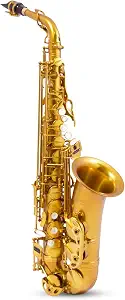


| professional alto saxophone | Model | Instrument | Finish |
|---|---|---|---|
| Jean Paul AS-400 Alto Saxophon | AS-400 | Alto saxophone | — |
| Yamaha YAS-62III Professional | YAS-62III | Alto saxophone | Gold lacquer |
| Yamaha YAS-62III Professional | YAS-62III | — | Amber lacquer |
| Eastar AS-III Alto Saxophone i | AS-III | Alto saxophone | — |
| Yamaha YAS-62III Professional | YAS-62III | Alto saxophone | Silver-plated |
| BetterSax Classic Alto Saxopho | — | Alto saxophone | Dark gold lacquer |
| Yamaha YAS-480 Intermediate Eb | YAS-480 | Eb alto saxophone | Lacquered gold |
| BetterSax Session Alto Saxopho | BetterSax Session Alto | — | Matte black |
| BetterSax Session Alto Saxopho | — | Alto saxophone | Matte dark gold |
| Yamaha YAS-280 Student Alto Sa | YAS-280 | Eb alto saxophone | Gold lacquer |
| Yamaha YAS82ZII Custom Z Profe | YAS82ZII | — | — |
| Yamaha YAS-82ZII Custom Profes | YAS-82ZII | — | Gold lacquer |
| Herche Superior X3 Alto Saxoph | Superior X3 | Alto saxophone | — |
More Details on Our Top Picks
Jean Paul AS-400 Alto Saxophone, Golden Brass Lacquered
The Jean Paul AS-400 is the most accessible fit here for a new player, rather than a true professional-level choice. Its student-focused setup and pre-shipment play-testing may help a beginner get started with fewer setup surprises, while the High F# key adds a note that is useful as repertoire grows. Compared with the Yamaha YAS-62III models, however, it is not positioned for the same level of advanced performance or stylistic range. The included ABS-reinforced case is a practical plus for school and lesson travel, but the one-year warranty and student designation make this a less compelling fit for a working player seeking a long-term professional instrument. I would choose it for learning fundamentals, not for a professional gigging setup.
Pros:- Professionally set up and play-tested before shipping
- Designed for accurate intonation
- Includes a High F# key
- Comes with an ABS-reinforced carrying case
Cons:- Student design may not meet advanced players’ performance needs
- One-year warranty is shorter than some buyers may want for a long-term instrument
Best for: Beginning alto players who want a student instrument with a High F# key, a play-tested setup, and a protective case.
Not ideal for: Advanced students and working performers who need an instrument specifically designed for professional-level playing.
- Brand:Jean Paul USA
- Model:AS-400
- Instrument:Alto saxophone
- Key:E-flat
- Material and finish:Brass, lacquered
- Weight:4.3 pounds
- Dimensions:27 x 14 x 8 inches
- Included component:Carrying case
- Warranty:1 year
Our verdict“Choose the AS-400 for a beginner’s first alto, but look to a Yamaha YAS-62III for a professional-level instrument.”
Yamaha YAS-62III Professional Alto Saxophone, Gold Lacquer
For a buyer seeking a professional alto that can cover contrasting repertoire, I rank the Yamaha YAS-62III in gold lacquer first. The product is expressly positioned for classical, jazz, and other styles, giving it a broader role than the beginner-oriented Jean Paul AS-400. A Yamaha 4C mouthpiece and durable case are included, so the instrument arrives with useful essentials rather than requiring a separate case purchase. Its main drawback in this group is the stated 14-pound weight, which may matter to players carrying gear regularly; the listing gives no detailed dimensions or construction refinements to compare with the amber-lacquer YAS-62III. I would favor this version for versatility and included accessories, while players choosing primarily by finish or specific design details may prefer the amber model.
Pros:- Designed for use across classical, jazz, and other styles
- Includes a Yamaha 4C mouthpiece
- Comes with a durable case
Cons:- Listed weight of 14 pounds may be inconvenient for frequent transport
- Provided product details do not specify neck design or key-post construction
Best for: Advanced players who need one professional alto for varied classical, jazz, and other performance settings, with a mouthpiece and case included.
Not ideal for: Players prioritizing a lighter carry or wanting documented details about the neck and key-post design before choosing.
- Brand:Yamaha
- Model:YAS-62III
- Instrument:Alto saxophone
- Key:E-flat
- Material:Brass
- Finish:Gold lacquer
- Included components:Yamaha 4C mouthpiece and case
- Weight:14 pounds
- Dimensions:30 x 10 x 15 inches
Our verdict“Choose this YAS-62III as the strongest all-around professional pick when broad style coverage and included essentials matter most.”
Yamaha YAS-62III Professional Alto Saxophone – Amber Lacquer
This amber-lacquer Yamaha YAS-62III earns a distinct place for players who want product details beyond finish and basic accessories. Its listing specifies a 62-style neck and integrated key posts, giving buyers concrete design points to compare with the gold-lacquer YAS-62III, whose supplied information emphasizes versatility and a 4C mouthpiece. The integrated posts are presented as a durability feature, a useful consideration for regular playing and transport. A case and neck receiver are included, though the listed information does not name a mouthpiece, so the gold version may be the more straightforward package for someone assembling a ready-to-play setup. This remains a professional model, not a beginner-first purchase; the product data also flags that its lacquer finish may need maintenance. I would shortlist it for experienced players who value the stated neck and post construction.
Pros:- Professional model suited to advanced players
- 62-style neck is specified in the product details
- Integrated key posts are listed as a durability feature
- Includes a case and neck receiver
Cons:- May be costly for a beginner
- Lacquer finish may require maintenance
- Product details do not list an included mouthpiece
Best for: Advanced alto players comparing professional instruments who specifically want the listed 62-style neck and integrated key posts.
Not ideal for: Beginners seeking a lower-commitment instrument or buyers who want a mouthpiece explicitly included in the package.
- Brand:Yamaha
- Model:YAS-62III
- Type:Alto saxophone
- Finish:Amber lacquer
- Neck:62-style neck
- Key-post design:Integrated key posts
- Included components:Case and neck receiver
Our verdict“Pick the amber YAS-62III if its specified neck and integrated key posts matter more to you than the gold version’s listed 4C mouthpiece.”
Eastar AS-III Alto Saxophone in E-flat with Accessory Kit
The Eastar AS-III is the practical kit choice in this lineup: its case, mouthpiece, strap, five reeds, cleaning kit, and stand cover many immediate setup needs. That breadth makes it more convenient for a new player than the Yamaha YAS-62III, whose listed package includes a mouthpiece and case but not this range of accessories. The Eastar also lists Italian leather pads, double-braced low keys, and an ergonomic layout, features aimed at comfort and construction rather than the Yamaha’s professional positioning. Its 4.2 kg listed weight and broad kit may suit a home or lesson setup, but the product data does not establish the professional performance credentials expected by working players. There is also a small setup step: protective corks must be removed before playing. I would choose it for a kit-focused beginner, not as a professional alternative to the YAS-62III.
Pros:- Includes a case, mouthpiece, strap, five reeds, cleaning kit, and stand
- Brass body with Italian leather pads
- Double-braced low keys and ergonomic key layout
- One-year warranty is specified
Cons:- Not positioned in the supplied product details as a professional-level instrument
- Protective corks need to be removed before playing
- Listed weight of 4.2 kg may be a substantial carry for some players
Best for: New alto players or families assembling a lesson setup who want reeds, cleaning supplies, a stand, and other basics in one package.
Not ideal for: Working professionals seeking an instrument expressly designed and specified for professional performance.
- Brand:Eastar
- Model:AS-III
- Instrument:Alto saxophone
- Key:E-flat
- Material and finish:Brass, gold electrophoretic finish
- Pads:Italian leather
- Included components:Case, mouthpiece, leather strap, five reeds, cleaning kit, stand
- Weight:4.2 kg
- Warranty:1 year
Our verdict“Choose the AS-III for a ready-to-assemble beginner kit, but select a Yamaha YAS-62III when professional performance is the priority.”
Yamaha YAS-62III Professional Alto Saxophone, Silver-Plated
The silver-plated YAS-62III offers the same stated professional, multi-style purpose as the gold-lacquer version, but with a finish that sets it apart for buyers choosing by appearance and surface treatment. Like its gold counterpart, it includes a Yamaha 4C mouthpiece and durable case; neither package description establishes a performance difference between finishes, so I would not treat silver plating alone as proof of a different sound. The listed 17.5-pound weight is higher than the gold model’s 14 pounds, making this the least appealing YAS-62III here for players who carry their instrument often. Compared with the amber model, this listing gives more package detail but does not specify a 62-style neck or integrated key posts. I would choose it for the silver finish and familiar accessory package, accepting the heavier listed weight.
Pros:- Designed for classical, jazz, and other musical styles
- Silver-plated finish offers an alternative to the lacquered YAS-62III models
- Includes a Yamaha 4C mouthpiece
- Comes with a durable case
Cons:- Listed weight of 17.5 pounds is higher than the gold-lacquer version’s 14 pounds
- Product details do not specify the 62-style neck or integrated key posts listed for the amber version
Best for: Professional alto players who prefer a silver-plated finish and want a Yamaha 4C mouthpiece and durable case included.
Not ideal for: Frequent commuters or gigging players who prioritize the lowest listed weight, or buyers seeking specified neck and key-post details.
- Brand:Yamaha
- Model:YAS-62III
- Instrument:Alto saxophone
- Key:E-flat
- Material:Brass
- Finish:Silver-plated
- Included components:Yamaha 4C mouthpiece and case
- Weight:17.5 pounds
- Dimensions:29 x 10 x 14.5 inches
Our verdict“Choose the silver-plated YAS-62III if that finish is your preference and you accept its higher listed weight relative to the gold-lacquer version.”
BetterSax Classic Alto Saxophone – Professional-Grade Instrument with Dark Gold Lacquer Finish – Complete Kit for Beginners and Pros
The BetterSax Classic is the most straightforward pick here for players who want a saxophone and essential accessories in one package. Its blue steel springs and Pisoni metal-resonator pads give it a more performance-minded specification than the student-focused Yamaha YAS-280, while its included mouthpiece, neckstrap, and protective case make it easier to get started without sourcing those pieces separately. The lightweight build and underslung octave key are practical draws for newer players, and the dark gold lacquer gives it a distinct vintage look. The tradeoff is that the supplied information warns it may need adjustment for best performance, so I would budget for a technician’s setup. Players seeking a clearly established advanced-performance option may prefer a different model, such as the Yamaha YAS-480.
Pros:- Includes a mouthpiece, neckstrap, and protective case
- Blue steel springs and Pisoni metal-resonator pads
- Lightweight construction suited to newer players
- Distinctive dark gold lacquer with vintage styling
Cons:- May need technician adjustments for reliable performance
- The supplied details do not establish its suitability for demanding advanced performance
Best for: Beginners and returning players who want an accessory-ready alto with performance-oriented pads and a lightweight feel.
Not ideal for: Advanced performers who need a proven stage-ready setup without possible initial adjustments.
- Finish:Dark gold lacquer
- Instrument:Alto saxophone
- Springs:Blue steel
- Pads:Pisoni metal-resonator pads
- Octave key:Underslung design
- Included accessories:Mouthpiece, neckstrap, and protective case
Our verdict“Choose the BetterSax Classic if you want a complete, lightweight kit with more performance-oriented components than a basic student model and can allow for a possible setup.”
Yamaha YAS-480 Intermediate Eb Alto Saxophone, Gold Finish
The Yamaha YAS-480 is the clearest step-up choice for advancing players who have outgrown a student instrument but do not need to jump straight to a professional-series horn. Its front F and high F# keys support access to those notes, while the adjustable thumb rest lets players refine hand position for more comfortable practice. Compared with the entry-oriented Yamaha YAS-280, the YAS-480 is specifically positioned as an intermediate instrument and adds a redesigned octave-key mechanism and a 62-style neck. It includes a case and Yamaha 4C mouthpiece, though that mouthpiece may not suit every player’s preferred response or tone. The provided specifications do not describe pad or spring materials, so buyers seeking detailed component specifications may find the BetterSax Session models easier to compare on those points.
Pros:- Intermediate model with a redesigned octave-key mechanism
- Front F and high F# keys
- Adjustable thumb rest supports a more personalized hand position
- Includes a case and 4C mouthpiece
Cons:- The included 4C mouthpiece may not match every advancing player’s preferred setup
- Provided product details do not specify pad or spring materials
Best for: Developing players moving beyond a student saxophone who want an intermediate Eb instrument with useful auxiliary keys and adjustable hand positioning.
Not ideal for: First-time buyers seeking the simplest student-oriented choice or advanced players specifically seeking a professional-series model.
- Model:YAS-480
- Instrument:Eb alto saxophone
- Finish:Lacquered gold
- Keys:Front F and high F#
- Neck:62-style
- Weight:6 kg
- Dimensions:29.2 x 9.6 x 15.2 inches
- Included accessories:Case and 4C mouthpiece
Our verdict“Pick the YAS-480 if you are advancing beyond a student horn and want an intermediate Yamaha with auxiliary keys and an adjustable thumb rest.”
BetterSax Session Alto Saxophone, Matte Black
The BetterSax Session in matte black puts playing comfort and projection at the center of its appeal. Its redesigned neck and ergonomic keywork are intended to support comfortable handling, while the described warm, focused tone and strong projection suit players who need their sound to carry. The Pisoni Pro pads with metal resonators and blue steel springs provide more specific component detail than the Yamaha YAS-480 listing, making this a useful option for buyers comparing construction features. It also arrives with a professional mouthpiece and backpack case, plus a two-year warranty. The tradeoff is a more specialized, performance-minded proposition than the beginner-friendly BetterSax Classic: its supplied description offers less emphasis on lightweight ease for newcomers, and the matte black finish may not suit players who prefer traditional lacquer.
Pros:- Warm, focused tone with strong projection
- Redesigned neck and ergonomic keywork
- Pisoni Pro pads with metal resonators and blue steel springs
- Includes a professional mouthpiece, backpack case, and two-year warranty
Cons:- Matte black finish may not appeal to players seeking a traditional look
- Its performance-focused positioning offers less explicit beginner-oriented guidance than the BetterSax Classic
Best for: Serious players who value ergonomic keywork, projection, and an included professional mouthpiece and backpack case.
Not ideal for: Beginners prioritizing a clearly lightweight, easy-entry instrument or players who prefer a traditional gold-lacquer appearance.
- Model:BetterSax Session Alto
- Model number:BS-AS-51-BK
- Finish:Matte black
- Key touches:Mother-of-pearl
- Springs:Blue steel
- Pads:Pisoni Pro with metal resonators
- Included components:Professional mouthpiece and backpack case
- Warranty:2 years
Our verdict“Choose this Session model if comfortable keywork and projection matter more to you than traditional styling or beginner-focused positioning.”
BetterSax Session Alto Saxophone Matte Dark Gold Finish
The BetterSax Session in matte dark gold is aimed at serious players who want a warm, full sound with the projection described for performance use. Its Pisoni Pro pads with metal resonators, blue steel springs, and ergonomic design give buyers useful construction details alongside the hand-finished mouthpiece and backpack case. Compared with the matte black BetterSax Session, this version shares the Session family’s performance focus but takes a more traditional dark-gold visual direction and specifies a brass body and hand engraving. That makes it a stronger match for players drawn to classic saxophone styling; it does not establish a different playing capability from the black version. Its professional orientation may be more instrument than a beginner needs, and the supplied information flags weight as a possible fatigue issue during extended playing.
Pros:- Warm tone and strong projection aimed at performance
- Brass construction with hand-engraved detailing
- Pisoni Pro pads with metal resonators and blue steel springs
- Includes a professional hand-finished mouthpiece and backpack case
Cons:- Weight may cause fatigue during extended playing
- Professional-focused features may be unnecessary for beginners
- The finish offers a more specific look than players seeking standard gold lacquer may want
Best for: Experienced players seeking a warm, projecting alto with a brass body, performance-oriented pads, and a classic dark-gold appearance.
Not ideal for: New players who want a lighter-feeling first instrument or players concerned about fatigue during long playing sessions.
- Instrument:Alto saxophone
- Finish:Matte dark gold
- Material:Brass
- Design:French tradition with hand-engraved detailing
- Pads:Pisoni Pro with metal resonators
- Springs:Blue steel
- Included accessories:Professional hand-finished mouthpiece and backpack case
Our verdict“Choose the matte dark-gold Session if you are an experienced player seeking a warm, projecting sound and traditional styling, and are comfortable with its potential weight.”
Yamaha YAS-280 Student Alto Saxophone, Eb, Gold Lacquer
The Yamaha YAS-280 is the most clearly beginner-focused choice in this group: an Eb student alto with a protective case and two auxiliary keys, high F# and front F. Those keys give students access to notes that are useful as their repertoire grows, while the gold lacquer keeps to a familiar saxophone look. Compared with the intermediate Yamaha YAS-480, the YAS-280 is positioned for students rather than players seeking an upgrade, and the product information supplies fewer details about its neck and mechanism. It is also less component-specific than the BetterSax Classic, which lists its spring and pad types and includes a mouthpiece and neckstrap. Buyers should choose the YAS-280 for its straightforward student focus, not for professional-level features or customization.
Pros:- Student-focused Eb alto saxophone
- Includes high F# and front F auxiliary keys
- Gold lacquer finish
- Protective case included
Cons:- Designed primarily for students rather than advanced performance needs
- Provided specifications offer limited detail on neck, pads, and springs
- Only the gold lacquer finish is specified
Best for: Students and first-time alto players who want an Eb instrument with a case and useful auxiliary keys.
Not ideal for: Advancing or professional players seeking intermediate or professional-series features and more detailed construction specifications.
- Model:YAS-280
- Instrument:Eb alto saxophone
- Finish:Gold lacquer
- High F# key:Yes
- Front F auxiliary key:Yes
- Included accessory:Case
Our verdict“Choose the YAS-280 as a straightforward student instrument; move to the YAS-480 if you need an intermediate upgrade.”
Yamaha YAS82ZII Custom Z Professional Alto Saxophone (Black Lacquered)
The YAS82ZII is my pick for advanced players who want room to shape tone and response rather than a more straightforward professional setup. Its one-piece bell supports a rich tonal response, while the V1 neck and adjustable front F key offer useful flexibility in playing feel and fingering. Metal resonators and a stated focus on low-end response add to its appeal for musicians who need dynamic range across the instrument. Compared with the gold-lacquer YAS-82ZII, this version is distinguished by its black lacquered brass finish and listed V1 neck; the available details do not establish a sound advantage for either finish. It is a more specialized, higher-commitment choice than the Herche Superior X3, whose included case and accessories make it a more supported package. The tradeoff is premium cost and upkeep for a feature-rich instrument.
Pros:- One-piece bell is designed for rich tonal response and enhanced low-end character.
- V1 neck and adjustable front F key provide flexibility in playing feel and fingering.
- Metal resonators support a responsive playing setup.
- Black lacquered brass gives this model a distinct finish option within the Yamaha YAS-82ZII line.
Cons:- Premium positioning may put it beyond the needs and budget of beginning players.
- Its complex features call for regular maintenance.
- The provided product details do not specify included case, mouthpiece, or accessory contents.
Best for: Advanced saxophonists seeking flexible response, expressive dynamics, and a professional instrument with adjustable playing features.
Not ideal for: Beginners or players seeking a ready-to-go accessory bundle; its premium positioning and maintenance needs may be excessive for a first saxophone.
- Type:Alto saxophone
- Model:YAS82ZII
- Material:Black lacquered brass
- Bell:One-piece
- Neck:V1
- Resonators:Metal
- Key feature:Adjustable front F key
Our verdict“Choose this YAS-82ZII if you are an advanced player who values adjustable feel and expressive response more than a bundled set of accessories.”
Yamaha YAS-82ZII Custom Professional Alto Saxophone – Gold Lacquer
This gold-lacquer YAS-82ZII suits advanced players who want a custom Yamaha alto with a warm sound description and refined key-touch details. Its brass-alloy body, metal pad resonators, and mother-of-pearl touches make it a polished professional option, while the included 4 cm mouthpiece gives buyers one specified playing component in the package. Compared with the black-lacquer YAS82ZII, this listing emphasizes its gold finish and mouthpiece rather than the other model’s one-piece bell, V1 neck, and adjustable front F key; the supplied information does not prove that one finish sounds better. The YAS-62III is another Yamaha professional option in this roundup, but this model is positioned as the custom-line choice. Its drawbacks are meaningful: it may feel heavy during long sessions, needs finish care, and its premium build may exceed what a newer player needs.
Pros:- Brass-alloy body and gold lacquer provide the specified professional build and finish.
- Metal pad resonators are included in the design.
- Mother-of-pearl key touches add a distinctive tactile detail.
- A 4 cm mouthpiece is listed as included.
Cons:- The instrument may feel heavy during extended playing.
- The gold-lacquer finish requires regular care.
- Its premium positioning may be unnecessary for beginners or developing players.
Best for: Experienced players looking for a custom Yamaha alto with a gold-lacquer finish, mother-of-pearl key touches, and an included mouthpiece.
Not ideal for: Players who prioritize a lighter instrument for long rehearsals or beginners who do not need a premium custom-level saxophone.
- Type:Alto saxophone
- Model:YAS-82ZII
- Material:Brass alloy
- Finish:Gold lacquer
- Included:4 cm mouthpiece
- Resonators:Metal pad resonators
- Key touches:Mother-of-pearl
Our verdict“Pick the gold-lacquer YAS-82ZII if you want a custom Yamaha with specified key-touch details and mouthpiece, and are comfortable with its weight and care demands.”
Herche Superior X3 Alto Saxophone
The Herche Superior X3 stands apart from the Yamaha YAS-82ZII models by putting practical ownership support in the foreground: it includes a case and basic accessories, plus a three-year manufacturer warranty and a one-year repair and maintenance plan. Its solid brass body, leather pads, metal resonators, and blue steel springs give it a professional-oriented feature set, while the High F# key extends the available range. That makes it an appealing option for players who want support and useful extras with the instrument, rather than the Yamaha models’ more clearly specified custom features such as the YAS82ZII’s V1 neck and adjustable front F key. The compromise is less detail about the individual accessories and less documented information about its playing characteristics. I would choose it for the included support, not on the assumption that it matches the Yamahas in feel or response.
Pros:- Solid brass body with a professional ribbed design.
- High F# key extends the instrument’s range.
- Includes a case, reeds, cork grease, polish cloth, and neck strap.
- Lists a three-year manufacturer warranty and one-year maintenance plan.
Cons:- Product details provide limited information about the individual accessories.
- Playing-response details are less specific than those listed for the Yamaha YAS-82ZII models.
- The included maintenance plan does not replace the need to confirm service terms with the seller.
Best for: Players seeking a solid-brass alto with a High F# key, included case and accessories, and stated repair and warranty coverage.
Not ideal for: Professionals who need detailed specifications about neck design, key adjustments, or playing response before choosing an instrument.
- Brand:Herche
- Model:Superior X3
- Instrument:Alto saxophone
- Body material:Solid brass
- Key:High F#
- Included components:Saxophone, case, reeds, cork grease, polish cloth, and neck strap
- Warranty:Three-year manufacturer warranty
- Maintenance plan:One year
Our verdict“Choose the Superior X3 if included accessories and stated support matter more to you than the Yamaha models’ more detailed custom-feature specifications.”

How We Picked
I ranked these horns by how well their stated model positioning, likely playing role, and practical ownership considerations align with the needs of a professional alto player. The main criteria were professional suitability, expected responsiveness and control, build and adjustment needs, versatility across playing settings, and whether the instrument’s role justifies choosing it over another model in this lineup. I also separated professional-series horns from student, intermediate, and kit-focused choices rather than treating every alto as an equal substitute.
The YAS-62III leads because it is the clearest balance of professional intent and broad everyday use. The YAS-82ZII Custom models follow for buyers prioritizing a premium, more specialized instrument, while the YAS-480 ranks as a practical step-up option rather than a direct peer to the professional models. The YAS-280 and lower-cost kit models rank lower for professional use because their positioning favors students or accessible entry, not because a different finish or accessory bundle changes the instrument’s role. Individual fit, condition, and technician setup can alter the right choice, so I treat specifications and model tier as a starting point rather than a guarantee of performance.
| professional alto saxophone | Instrument |
|---|---|
| Jean Paul AS-400 Alto Saxophon | Alto saxophone |
| Yamaha YAS-62III Professional | Alto saxophone |
| Yamaha YAS-62III Professional | — |
| Eastar AS-III Alto Saxophone i | Alto saxophone |
| Yamaha YAS-62III Professional | Alto saxophone |
| BetterSax Classic Alto Saxopho | Alto saxophone |
| Yamaha YAS-480 Intermediate Eb | Eb alto saxophone |
| BetterSax Session Alto Saxopho | — |
| BetterSax Session Alto Saxopho | Alto saxophone |
| Yamaha YAS-280 Student Alto Sa | Eb alto saxophone |
| Yamaha YAS82ZII Custom Z Profe | — |
| Yamaha YAS-82ZII Custom Profes | — |
| Herche Superior X3 Alto Saxoph | Alto saxophone |
Factors to Consider When Choosing Professional Alto Saxophone
Choosing a professional alto is less about finding the most decorated model and more about matching the horn to your repertoire, playing demands, and maintenance habits. These broader checks can help you avoid paying for a feature that does not improve your playing—or selecting an instrument that limits you in rehearsal or performance.
Match the instrument tier to your actual workload
Start by asking how often the horn will be used for rehearsals, performances, recording, and travel. A professional-series instrument is easier to justify when consistent response and control matter across varied settings, while an intermediate model may suit an advancing player who is still developing technique. Student instruments can be effective learning tools, but their presence in a professional-focused roundup does not make them equivalent substitutes for professional horns. A common mistake is to buy by label alone without considering whether the player can use the instrument’s capabilities. If possible, compare the horn against your current saxophone using the same music and mouthpiece. That reveals whether the upgrade helps with your specific demands.
Prioritize response and intonation over finish
Gold lacquer, amber lacquer, silver plating, and darker finishes create visible differences, but appearance should come after the instrument’s response and intonation. Check that the horn speaks consistently across its range, including low notes at soft dynamics and upper notes under control. Intonation can vary with the player, mouthpiece, reed, and setup, so a quick shop trial is more useful than assuming a finish determines sound. Avoid choosing a horn solely because a finish is described as professional or distinctive. If you cannot try it in person, use a clear return policy and have a qualified technician inspect it promptly. A reliable setup often matters more than a cosmetic preference.
Treat setup and service access as part of the purchase
A saxophone’s performance depends on pads sealing, keywork being adjusted, and the instrument arriving in playing condition. Before buying, find out whether the seller provides inspection, adjustment, or a meaningful return window. Ask whether a local technician can service the model and whether routine parts are accessible. A low initial outlay can become less attractive if the horn needs extensive work or support is difficult to obtain. Do not assume an included accessory kit replaces professional setup; accessories and mechanical condition solve different problems. For a working player, dependable service access can outweigh a small difference in listed features.
Choose a mouthpiece and reed setup that suits the horn
The instrument is only one part of the playing system: mouthpiece, reed strength, ligature, and the player’s embouchure all affect response and tone. A horn that feels resistant may be poorly matched to the current reed or mouthpiece rather than inherently unsuitable. When comparing candidates, keep your setup consistent so changes in feel are easier to attribute to the saxophone. Buyers moving up from a student instrument should avoid making several equipment changes at once. Ask a teacher or technician to help establish a workable setup before judging the horn. This reduces the chance of returning a suitable instrument because the accessories were mismatched.
Decide whether a bundled kit is genuinely useful
Kits can simplify a first purchase, but bundled accessories vary in usefulness and may not meet a working player’s preferences. Check exactly what is included and whether the case offers suitable protection for regular transport. A beginner may value having basic supplies together, while a professional player is more likely to already own preferred reeds, a mouthpiece, and maintenance tools. Do not let a long accessory list distract from the saxophone’s playability or the seller’s support. If you expect to replace most included items, compare the instrument on its own merits. A well-matched horn and dependable case matter more than a larger bundle.
Pay for specialization only when it serves your work
A premium custom-series horn can be a sensible choice when its feel and response match a player’s established style and performance needs. It is less compelling if the buyer has not yet settled on a mouthpiece setup, sound concept, or primary repertoire. Compare a premium option directly with a versatile professional model rather than assuming the higher tier is automatically better for every player. Consider whether the instrument’s particular character helps in your ensemble, solo work, or recording. If the difference is mainly visual, a standard professional model may leave more room in your budget for lessons, servicing, or accessories. Pay for specialization when you can identify the playing benefit you want.
Frequently Asked Questions
Is the Yamaha YAS-62III a better professional choice than the YAS-82ZII?
They suit different priorities rather than representing a simple better-or-worse choice. I rank the YAS-62III first as the broadest all-around professional option in this group, while the YAS-82ZII Custom models make more sense for players seeking a premium, more specialized instrument. A player’s response preferences, repertoire, and mouthpiece setup can affect which feels more suitable. If you can, play both with the same setup and compare intonation and control across the full range. Choose the Custom model when its specific playing character justifies the added specialization, not just because it sits in a higher tier.
Can an intermediate or student alto saxophone work for professional gigs?
It can cover some gigs, particularly when the player is comfortable with the instrument and its setup is sound. The YAS-480 is the more plausible step-up choice here, while the YAS-280 is positioned for students and is less directly suited to sustained professional demands. The important questions are whether the horn responds reliably at performance dynamics, holds intonation in your setup, and can be serviced promptly. A student model may be a sensible backup or learning instrument even if it is not your preferred primary horn. Judge it against the requirements of your actual work rather than the name on the bell alone.
Should I choose a gold, amber, silver, or black finish for sound?
Do not select a finish on the assumption that its appearance alone predicts how the saxophone will play. This lineup includes several finishes across different model families, so comparing finish colors does not isolate a single performance factor. Prioritize response, intonation, comfort, and mechanical condition first. If two instruments feel equally suitable, finish can be a personal preference. For remote purchases, ask the seller about the exact instrument’s condition and return terms rather than relying on finish descriptions as a sound guide.
Are the BetterSax or Eastar models suitable as a professional’s main instrument?
They may suit some players’ needs, but their accessible positioning and bundled-kit emphasis mean I would not assume they match a dedicated professional-series horn. The BetterSax Classic is presented as professional-grade and spans beginner-to-pro use, while the Eastar AS-III is offered with an accessory kit; those descriptions do not replace a play test or technician inspection. Check response, intonation, keywork adjustment, and local service options before relying on either as a primary gigging horn. They may be more attractive as accessible choices, secondary instruments, or options for a player who can verify the individual horn. For demanding professional work, compare them directly with the Yamaha professional models before deciding.
What should I check before buying a professional alto saxophone online?
Confirm the exact model and finish, what accessories are included, the instrument’s condition, and the return or warranty terms. Ask whether it receives a playing-condition inspection and whether adjustments are covered if the horn arrives with leaks or misaligned keywork. Plan for a local technician to check it soon after delivery, especially if you cannot play it before purchase. Keep your mouthpiece and reed setup consistent when evaluating it so the instrument is not judged through unfamiliar accessories. If service support is unclear or returns are restrictive, the convenience of an online listing may not outweigh the risk.
Conclusion
For most working players seeking one dependable professional alto, I recommend the Yamaha YAS-62III Gold Lacquer as the best overall balance in this roundup. Choose a YAS-82ZII Custom for the best premium and more specialized route, and consider the YAS-480 as a value-minded step-up for an advancing player who is not ready to prioritize a top-tier professional model. The YAS-280 is the clearest beginner choice, while the BetterSax Classic, Eastar AS-III, and Jean Paul AS-400 suit buyers prioritizing accessibility or bundled essentials—provided the individual instrument checks out. For specific finish preferences, compare the YAS-62III gold, amber, and silver-plated versions, or the black and gold YAS-82ZII options, but let playing fit and service support decide the purchase.