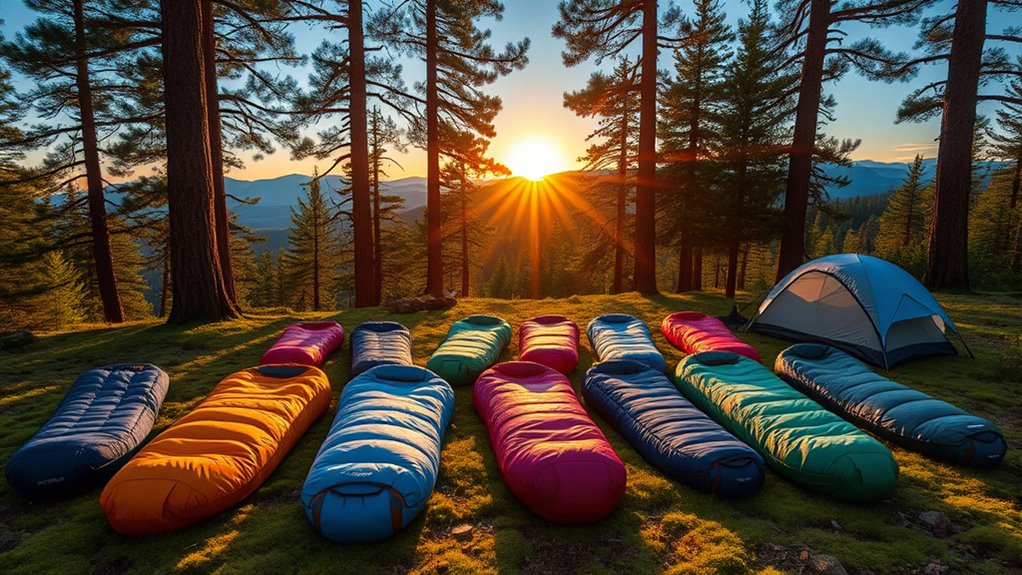

Choosing a premium backpacking sleeping bag involves balancing warmth, weight, durability, and price. The Kelty Cosmic 20 Down stands out as the best overall for its combination of performance and eco-friendly materials. The Naturehike Ultralight Down Sleeping Bag impresses with its weight and packability, making it ideal for minimalist backpackers. Meanwhile, the The North Face Cat’s Meow offers reliable warmth at a more accessible price point. The main tradeoffs in this category revolve around weight versus insulation quality, along with durability versus portability. Continue reading for a detailed breakdown of these top options and how they fit different backpacking needs.
Complete the kit


Key Takeaways
- Premium sleeping bags offer a fine balance of weight, warmth, and durability, but often involve higher costs.
- Down insulation provides superior warmth-to-weight, but synthetic fills can outperform in damp conditions and are often more affordable.
- Packability and weight savings are central to premium models, especially for multi-day backpackers aiming to minimize load.
- Eco-conscious features like recycled fabrics and PFAS-free treatments are increasingly common in high-end options.
- Choosing the right sleeping bag depends heavily on your typical climate, trip length, and backpacking style, rather than just price or brand.


| premium backpacking sleeping bag | Material | Weight | Temperature Rating |
|---|---|---|---|
| ECOOPRO Warm Weather Sleeping | Nylon outer, 100% Polyester lining | 1.7 lbs | — |
| Kelty Cosmic Synthetic Fill 0 | — | — | 0°F |
| 3-in-1 Lightweight Down Sleepi | 400T 40D nylon outer shell, Pongee inner lining | 2.42 lbs | — |
| Naturehike Ultralight Down Sle | 400T 20D ripstop nylon | 2 lbs (910 g) | 40.4℉ |
| Kelty Cosmic 20 Down Mummy Sle | — | 2 lbs. 6 oz. | ISO limit 21°F |
| Kelty Cosmic Synthetic Fill 20 | 380T nylon taffeta | 2 lbs 13 oz | 0 to 40 degrees |
| Sea to Summit Hamelin Syntheti | Recycled fabrics and insulation | 2.48 pounds | 30 Degrees |
| Teton 20F and 5F Degree Sleepi | — | — | +20°F |
| The North Face Stormbreak 35F | Recycled polyester with non-PFC DWR | Short 1 lb 14 oz (839 g) | 35°F (1.7°C) |
| Down Sleeping Bag with Pillow | 400T 40D nylon, Pongee lining | 2.16 lbs | — |
| Teton LEEF Lightweight Mummy S | Polyester | — | — |
| NewDoar Ultralight Backpacking | 380T ripstop nylon | 1.5 lbs | — |
| Naturehike 0 Degree RDS Down M | Nylon | — | — |
| The North Face Cat’s Meow 20F | Recycled nylon shell and insulation | 2 lbs 6.9 oz (Short), 2 lbs 11.4 oz (Regular), 2 lbs 15.5 oz (Long) | 20°F / -7°C |
More Details on Our Top Picks
ECOOPRO Warm Weather Sleeping Bag – Portable, Waterproof, Lightweight for Camping and Backpacking
This sleeping bag stands out for its exceptional lightweight design and waterproof features, making it ideal for summer backpacking or hot-weather camping. Its nylon outer shell and polyester lining provide weather resistance, but the limited insulation means it isn’t suitable for colder nights—unlike the Kelty Cosmic Synthetic Fill 0 Degree, which offers reliable warmth down to 0°F. The ECOOPRO’s compact form and weight of just 1.7 lbs make it perfect for ultralight travelers prioritizing portability, yet it sacrifices cold-weather versatility. Its primary tradeoff is its temperature range, which restricts use to mild conditions. Compared with heavier options, this bag is less suited for extended winter trips but excels for quick, warm-weather adventures.
Pros:- Extremely lightweight and easy to carry
- Waterproof and weatherproof design enhances outdoor durability
- Suitable for both adults and children, adding versatility
Cons:- Limited insulation makes it unsuitable for cold nights
- Temperature range may not keep you warm in temperatures below 55°F
Best for: Backpackers needing a lightweight, waterproof bag for warm-weather trips or summer camping
Not ideal for: Cold-weather campers or those venturing into chilly conditions below 55°F
- Material:Nylon outer, 100% Polyester lining
- Temperature Range:55-60℉
- Dimensions:83″ L x 30″ W
- Weight:1.7 lbs
- Packed Size:11″ height
Our verdict“This bag is best suited for backpackers who prioritize ultra-light portability and warm weather comfort over winter warmth.”
Kelty Cosmic Synthetic Fill 0 Degree Backpacking Sleeping Bag, Regular
The Kelty Cosmic Synthetic Fill sleeping bag offers dependable warmth down to 0°F, making it a top choice for cold-weather backpacking. Its synthetic Cirroloft insulation provides insulating properties even in damp conditions, unlike the ECOOPRO’s limited warmth. The spacious footbox and comfortable fit make it suitable for longer nights, though the 4.5-pound weight may be a drawback for ultralight enthusiasts. While it excels in colder temperatures, it is heavier and bulkier than lighter down options like the Naturehike Ultralight Down Bag, which might be less suitable for fast-paced or minimalist trips. This model’s main tradeoff is its weight—better for comfort and insulation than for weight-conscious hikers.
Pros:- Reliable warmth down to 0°F
- Synthetic insulation resists moisture, maintaining insulation in damp weather
- Spacious footbox and comfortable fit for extended use
- Includes compression sack for easy packing
Cons:- Heavier than ultralight down bags, limiting packability
- Temperature range up to 40°F, not suitable for extreme cold or winter conditions
Best for: Cold-weather backpackers and those needing reliable insulation in damp or variable conditions
Not ideal for: Ultralight hikers or travelers prioritizing minimal pack weight over warmth in cold conditions
- Temperature Rating:0°F
- Size:Regular (fits up to 6ft)
- Fill Weight:55oz
- Total Weight:4lbs 6oz
- Pack Size:17×11 inches
Our verdict“This bag is ideal for cold-weather backpackers who need dependable warmth and moisture resistance, accepting extra weight for comfort and insulation reliability.”
3-in-1 Lightweight Down Sleeping Bag for Adults and Teens with Detachable Hood, 20°F-45°F, Rectangular, Compact for Camping and Outdoor Use
This 3-in-1 sleeping bag offers impressive flexibility, functioning as a sleeping bag, blanket, or quilt, with a detachable hood for customizable comfort. The high-quality 680FP traceable white duck down provides excellent warmth-to-weight ratio, making it suitable for temperatures between 20°F and 45°F. Its rectangular shape offers generous space for sleeping comfortably, and the water-repellent outer shell enhances outdoor durability. Compared with the more specialized Kelty Cosmic, this bag’s adaptability makes it better suited for varied conditions, but the need for a recovery period after compression—up to an hour—may be inconvenient. Zippers can snag if not handled carefully, representing a small but real drawback.
Pros:- Highly versatile 3-in-1 design for sleeping, lounging, or extra warmth
- High-quality, lightweight duck down for excellent insulation
- Durable, water-repellent outer shell for outdoor durability
- Spacious rectangular shape for comfort
Cons:- Requires about an hour to regain full loft after compression
- May be too warm for temperatures above 45°F
- Zippers can snag if not handled delicately
Best for: Campers seeking a versatile, multi-functional sleeping solution for various outdoor activities and temperature ranges
Not ideal for: Winter adventurers or those needing maximum insulation for extreme cold
- Material:400T 40D nylon outer shell, Pongee inner lining
- Fill:680FP traceable white duck down
- Weight:2.42 lbs
- Temperature Range:20°F to 45°F
- Dimensions:220cm x 80cm
Our verdict“This bag is perfect for those who want a flexible, lightweight sleeping solution that adapts to different outdoor conditions but accept some inconvenience with packing and zipping.”
Naturehike Ultralight Down Sleeping Bag, 650FP Backpacking Sleeping Bag for Adults, 40.4℉ Waterproof Sleeping Bags for Camping, Hiking, Traveling with Compression Sack
The Naturehike Ultralight Down Sleeping Bag excels in portability, weighing only 2 pounds with a compact packed size. Its combination of envelope and mummy designs maximizes warmth and comfort around 40.4℉, making it a strong choice for late spring or summer trips. The 650 fill power RDS-certified duck down and waterproof ripstop nylon shell provide reliable insulation and durability, comparable to the more versatile 3-in-1 bag but with a focus on minimalism. Its limited temperature rating restricts winter use, and the zippers require careful handling to prevent snags, a common issue with ultralight gear. Overall, this model prioritizes weight savings without sacrificing essential warmth for mild conditions.
Pros:- Extremely lightweight and highly portable
- Warm enough for late spring and summer conditions
- Waterproof ripstop nylon adds durability
- Includes compression sack for easy packing
Cons:- Limited to 40.4°F, not suitable for winter conditions
- Zippers may snag if not handled carefully
- Less insulation for very cold environments
Best for: Travelers and backpackers needing an ultralight, durable sleeping bag for warm conditions and fast-paced trips
Not ideal for: Cold-weather or winter campers, or those needing maximum insulation in freezing temperatures
- Material:400T 20D ripstop nylon
- Fill Power:650
- Temperature Rating:40.4℉
- Weight:2 lbs (910 g)
- Packed Size:13.8” x 7.1”
Our verdict“This ultralight bag is best suited for warm-weather adventures where minimizing pack weight is a priority, accepting limited cold-weather performance.”
Kelty Cosmic 20 Down Mummy Sleeping Bag for Backpacking, Campers, 550 Fill Power, Recycled Fabrics with PFAS-Free DWR, Designed in Sunny Colorado
The Kelty Cosmic 20 strikes a balance between sustainability and performance, offering 550 fill power ethically sourced down in a recycled fabric shell with a PFAS-free DWR coating. Its ISO comfort limit of 21°F makes it suitable for cool to cold conditions, though it won’t replace high-end winter bags rated for much colder temperatures. The use of recycled fabrics appeals to environmentally conscious backpackers, and its weight of just over 2.5 pounds keeps it fairly portable. Compared to the more insulated Kelty Cosmic Synthetic Fill, this down version is lighter and more packable but sacrifices some water resistance and insulation in very damp conditions. For those prioritizing eco-friendly materials and moderate cold-weather use, this is a compelling choice.
Pros:- Made with recycled fabrics and ethically sourced down
- Lightweight and easy to pack
- Reliable warmth down to 21°F
- PFAS-free water repellent coating adds some moisture resistance
Cons:- Limited to 21°F, not suitable for extreme cold
- Weight may be slightly less portable than ultralight models
- Recycled fabrics may be less durable than premium materials
Best for: Eco-conscious backpackers seeking reliable performance in cool to cold conditions with sustainability in mind
Not ideal for: Extreme winter campers or those who need maximum insulation and water resistance in very damp environments
- Fill Power:550
- Fabrics:Recycled nylon and polyester taffeta
- Weight:2 lbs. 6 oz.
- Temperature Rating:ISO limit 21°F
- Size Options:Short, Regular, Long
Our verdict“This bag offers a strong eco-friendly option for backpackers needing dependable warmth in cool conditions, with some compromises on extreme cold performance.”
Kelty Cosmic Synthetic Fill 20 Degree Backpacking Sleeping Bag
The Kelty Cosmic Synthetic Fill 20 Degree Sleeping Bag stands out for its dependable warmth across a wide temperature range, especially in damp conditions where synthetic insulation excels over down. Compared to the Down Sleeping Bag with Pillow, it offers better moisture resistance but at a weight penalty, making it less ideal for ultralight trips. The spacious footbox and durable construction make it suited for extended backpacking in variable weather, though its weight of nearly 3 pounds may deter ultralight enthusiasts. Its synthetic fill ensures consistent insulation even if the bag gets damp, but this added warmth comes with a tradeoff in bulk and weight. Overall, it’s best for backpackers prioritizing reliability in cold, moist environments who don’t mind a bit more weight.
Pros:- Reliable warmth in cold and damp conditions
- Highly compressible with included stuff sack
- Spacious footbox for added comfort
- Durable Kelty craftsmanship
Cons:- Weight may be heavy for ultralight backpackers
- Temperature range may not suit extreme cold conditions
Best for: Backpackers seeking versatile warmth in damp or variable conditions, especially those prioritizing durability over ultralight weight
Not ideal for: Ultralight hikers or minimalist travelers who need the lightest possible gear and are willing to compromise on moisture resistance
- Temperature Rating:0 to 40 degrees
- Weight:2 lbs 13 oz
- Fill Weight:30.5 oz
- Stuff Size:16×9 inches
- Material:380T nylon taffeta
- Size:Regular (fits up to 6ft), length options for 5’8” to 6’6”
Our verdict“This sleeping bag offers excellent all-around performance for backpackers who need reliable warmth and durability in challenging weather, accepting some added weight.”
Sea to Summit Hamelin Synthetic Sleeping Bag
The Sea to Summit Hamelin Synthetic Sleeping Bag makes the most sense for backpackers who value versatility, thanks to its ability to convert into a flat quilt, offering multiple uses in one piece. Compared to the Kelty Cosmic Synthetic Fill 20 Degree, it provides similar synthetic insulation but adds the convenience of conversion, ideal for warmer conditions or when weight savings are desired. Its recycled fabrics and water-repellent finish appeal to eco-conscious travelers, though its 30-degree rating limits use in colder weather. The bag’s slightly lighter weight and compact packability enhance its appeal for multi-day trips, though it’s less suitable for winter camping. This pick is best for backpackers who want flexibility in different climates and value sustainable materials.
Pros:- Convertible into a flat quilt for added versatility
- Made with recycled fabrics and water-repellent finish
- Comfortable in varied climates
- Lightweight and packable
Cons:- Limited to 30-degree temperature rating
- Weight may be heavy compared to ultralight options
Best for: Backpackers seeking a versatile, eco-friendly sleeping solution for variable climates, especially those who appreciate multi-use gear
Not ideal for: Cold-weather campers or those needing a reliable bag for sub-freezing temperatures, due to its 30-degree limit
- Temperature Rating:30 Degrees
- Size:77 x 31 inches
- Weight:2.48 pounds
- Material:Recycled fabrics and insulation
Our verdict“This bag offers a flexible, eco-conscious choice for backpackers who prioritize multi-use functionality in moderate conditions.”
Teton 20F and 5F Degree Sleeping Bag – Lightweight, Warm Weather Mummy Sleeping Bags for Adults and Kids
The Teton 20F and 5F Degree Sleeping Bag excels as a lightweight, warm-weather mummy bag, ideal for those who prioritize portability during summer or shoulder season trips. Its microfiber insulation offers good loft, but compared to synthetic-filled options like the Kelty Cosmic, it sacrifices some moisture resistance in exchange for lighter weight and packability. Its design with a vaulted footbox and draft tube enhances warmth retention at lighter weights, making it suitable for backpackers who need a compact sleep system for milder conditions. However, in colder environments, its 20°F rating means it will require layering or additional gear. This choice is best for active outdoor enthusiasts needing a balance of warmth and minimal pack size for warm conditions.
Pros:- Lightweight and highly portable
- Effective insulation with microfiber loft
- Draft tube and vaulted footbox improve warmth retention
- Includes compression sack for easy packing
Cons:- Designed primarily for warm weather; not suitable for very cold conditions
- May require additional gear in colder environments
Best for: Backpackers and hikers heading into warm or transitional weather, where weight savings are crucial
Not ideal for: Winter travelers or those venturing into extremely cold conditions, due to its limited cold-weather performance
- Temperature Rating:+20°F
- Insulation Material:Microfiber
- Design:Mummy with hood
- Includes:Compression sack
Our verdict“This lightweight mummy bag is perfect for backpackers needing a warm, compact sleeping solution in mild conditions, accepting its cold-weather limitations.”
The North Face Stormbreak 35F / 1.7C Backpacking Sleeping Bag
Compared to the Kelty Cosmic Synthetic Fill, the The North Face Stormbreak 35F offers a well-rounded, insulated design with a water-repellent finish, making it a solid choice for unpredictable weather. Its synthetic insulation and recycled polyester shell provide warmth and moisture resistance without excessive weight, suitable for typical backpacking conditions. Its 35°F rating makes it less ideal for cold winter nights but perfect for shoulder seasons or variable weather, especially with its packability. The inclusion of a compression stuff sack adds convenience, though the slightly higher weight than ultralight models could be a concern for minimalist hikers. This bag is a versatile, dependable choice for all-season backpacking in moderate climates.
Pros:- Water-repellent finish enhances moisture resistance
- Recycled polyester material is eco-friendly
- High-performance synthetic insulation for warmth-to-weight balance
- Includes compression sack for portability
Cons:- Limited to 35°F, not suitable for winter camping
- Weight may be less appealing to ultralight trekkers
Best for: Backpackers looking for a reliable, water-resistant sleeping bag for variable spring or fall adventures
Not ideal for: Cold-weather backpackers or those seeking ultralight gear, due to its weight and temperature limit
- Material:Recycled polyester with non-PFC DWR
- Insulation:Heatseeker Pro 85%-recycled synthetic
- Temperature Rating:35°F (1.7°C)
- Weight:Short 1 lb 14 oz (839 g)
Our verdict“This bag offers dependable all-season performance for backpackers in moderate climates, accepting its weight and temperature constraints.”
Down Sleeping Bag with Pillow, Ultralight and Compact for Camping and Hiking
The Down Sleeping Bag with Pillow makes a compelling choice for ultralight backpackers who need maximum warmth for minimal pack size. With 680FP high-quality duck down, it outperforms synthetic options in cold conditions, especially in dry weather, offering excellent loft and insulation. Its compactness—packing into an 11.8 x 6.3-inch bag—makes it a favorite for those prioritizing weight savings, but it’s less suitable in damp environments unless supplemented with a dry sack. Compared with synthetic bags like the Kelty Cosmic, it sacrifices moisture resistance for superior warmth and packability. Its limited temperature range (20°F to 45°F) makes it ideal for late spring, summer, or mild winter conditions. This bag is best for experienced backpackers who want maximum warmth in a tiny package and are prepared to manage down’s sensitivities.
Pros:- Extremely lightweight and compact
- High-quality 680FP down insulation
- Durable water-repellent outer shell
- Includes removable pillow for added comfort
Cons:- Limited temperature range; not ideal for extreme cold
- Sensitive to moisture; requires dry storage
Best for: Ultralight backpackers needing a warm, compact sleeping bag for dry conditions and moderate cold
Not ideal for: Wet climate travelers or those unfamiliar with down care, as moisture compromises insulation performance
- Material:400T 40D nylon, Pongee lining
- Fill Power:680FP
- Weight:2.16 lbs
- Temperature Range:20°F to 45°F
Our verdict“This down bag is perfect for weight-conscious backpackers aiming for warmth and minimal pack size in dry, moderate conditions, with the caveat of needing careful moisture management.”
Teton LEEF Lightweight Mummy Sleeping Bag for Camping, Hiking, Backpacking; Cold Weather Option, Compression Sack Included
The Teton LEEF Lightweight Mummy Sleeping Bag stands out for its balance of weight, comfort, and temperature options, making it an excellent choice for backpackers who prioritize versatility. Compared to the North Face Cat’s Meow, it offers a more compact carry and a roomier fit, though it does limit its cold weather capability to temperatures above 0°F. Its lightweight polyester shell and mummy design optimize mobility without sacrificing warmth, but the limited cold weather ratings mean it’s less suitable for winter expeditions. The multiple temperature options allow users to select based on their specific trip conditions, providing flexibility. Tradeoffs include a design that is less insulated for extreme cold and a focus on adult users, excluding children or larger individuals. Overall, this bag makes the most sense for active backpackers needing a reliable, packable solution in moderate to cold conditions.
Pros:- Lightweight and highly packable for easy backpacking
- Multiple temperature ratings for flexibility
- Roomier mummy shape improves comfort and mobility
Cons:- Limited to adult users, not suitable for children or larger individuals
- Temperature ratings may not suffice for extreme cold conditions
Best for: Backpackers seeking a lightweight, versatile sleeping bag suitable for a range of temperatures and conditions
Not ideal for: Cold-weather enthusiasts planning trips below 0°F or users needing a bag with a more insulated or warmer design
- Material:Polyester
- Temperature Ratings:0°F, 20°F, 30°F
- Included:Compression sack
- Design:Mummy, lightweight, roomier fit
Our verdict“This bag is an ideal pick for active backpackers who need a lightweight, adaptable sleeping solution for moderate cold weather.”
NewDoar Ultralight Backpacking Sleeping Bag – 50-70°F, 1.5lbs, Waterproof & Machine Washable, 2-Way Zipper for Teens, Couples, Women, Men, Compact for Hiking/Camping (M/L Sizes)
The NewDoar Ultralight Backpacking Sleeping Bag excels in offering lightweight convenience and multi-functionality, with a weight of just 1.5 pounds and a compact pack size that appeals to minimalist backpackers. Unlike the Kelty Cosmic Synthetic Fill 20 Degree, which is geared more toward colder conditions, this model is optimized for temperatures between 50-70°F, making it better suited for three-season trips. Its waterproof shell and breathable lining ensure comfort and durability, while the 2-way zipper allows linking two bags or transforming into a blanket—adding versatility. The inclusion of a bottom zipper for ventilation is a thoughtful touch. However, its fit may be restrictive for taller or shorter users outside the specified size range, and it isn’t designed for winter use. Handling the zipper carefully is necessary to prevent snags, which can be an annoyance. This pick makes the most sense for active travelers seeking a packable, adaptable sleeping bag for moderate weather conditions.
Pros:- Extremely lightweight and packable for backpacking
- Can be linked or used as a blanket for added versatility
- Waterproof shell and breathable lining enhance durability
Cons:- Limited temperature range makes it unsuitable for cold conditions
- May not fit taller or shorter users comfortably
Best for: Spring and summer backpackers, couples, and solo travelers needing a lightweight, versatile sleeping bag
Not ideal for: Cold-weather campers or taller individuals over 6’3″ needing more insulation and room
- Weight:1.5 lbs
- Temperature Range:50-70°F
- Material:380T ripstop nylon
- Features:Waterproof, machine washable, 2-way zipper, compression sack, bottom zipper
Our verdict“This sleeping bag is perfect for backpackers wanting a lightweight, adaptable option for mild to warm weather trips, especially couples or solo travelers.”
Naturehike 0 Degree RDS Down Mummy Sleeping Bag for Adults, 650 Fill Power, Cold Weather Backpacking Sleeping Bag for Camping, Hiking, -1℉ to 30℉, YKK Zipper
The Naturehike 0 Degree RDS Down Mummy Sleeping Bag offers exceptional warmth with 650 fill power RDS-certified down, making it a top choice for winter backpacking. Compared with the Kelty Cosmic Synthetic Fill 0 Degree, it provides superior insulation and a more compact form when packed, ideal for cold conditions. Its windproof design and internal features like a U-neck collar enhance heat retention, although some models lack a dedicated windshield strip or U-neck collar, which can slightly diminish warmth if not properly pre-fluffed. The limited size options might not suit all users, especially those requiring larger or longer bags. Pre-fluffing the down before use is necessary to maximize insulation, adding a prep step. This bag’s stellar warmth and packability make it suitable for winter camping, but it demands careful handling and sizing considerations. It’s best for those who prioritize warmth and lightweight performance in cold environments.
Pros:- High-quality 650 fill power down for excellent warmth-to-weight ratio
- Windproof design with internal features for heat retention
- Compact and lightweight for winter backpacking
Cons:- Limited size options may not fit all users comfortably
- Requires pre-fluffing for optimal insulation performance
Best for: Winter campers and cold-weather outdoor enthusiasts needing reliable, lightweight insulation
Not ideal for: Summer backpackers and users requiring larger sizes or more customizable fit
- Fill Power:650
- Temperature Range:-1℉ to 30℉
- Down Content:85%
- Zipper:YKK two-way
- Material:Nylon
- Certifications:RDS, IDS
Our verdict“This bag is ideal for cold-weather adventurers seeking a lightweight, highly insulative sleeping bag for winter expeditions.”
The North Face Cat’s Meow 20F / -7C Backpacking Sleeping Bag
The The North Face Cat’s Meow is a well-rounded synthetic-insulated bag designed for backpackers who need dependable warmth down to 20°F. Its use of recycled nylon shell and insulation emphasizes environmental responsibility without sacrificing performance. Compared to the Kelty Cosmic Synthetic Fill 20 Degree, it offers a slightly lighter and more packable option, thanks to its thoughtful design and full insulation coverage. The 2/3 zip allows quick access and ventilation, but can slightly restrict airflow compared to full-length zippers, making it less ideal in wet or highly variable weather. The water-repellent shell enhances durability, though synthetic insulation typically isn’t as breathable as down, impacting comfort in warmer conditions. Weighing approximately 2.5 to 3 pounds depending on size, it balances warmth and portability for general backpacking trips. This bag suits those seeking a reliable, eco-friendly option for moderate conditions with some weather resistance.
Pros:- Reliable warmth down to 20°F (-7°C)
- Water-repellent and recycled shell fabric for durability
- Lightweight and easy to pack for backpacking
Cons:- Temperature rating can fluctuate with weather variability
- Synthetic insulation less breathable than down
Best for: Backpackers needing a versatile, environmentally conscious sleeping bag for moderate climates
Not ideal for: Extremely cold conditions or ultralight minimalist backpackers who prioritize weight savings
- Temperature Rating:20°F / -7°C
- Insulation:Synthetic
- Water-Repellent Finish:Yes, non-PFC DWR
- Zipper:2/3 length
- Material:Recycled nylon shell and insulation
- Weight:2 lbs 6.9 oz (Short), 2 lbs 11.4 oz (Regular), 2 lbs 15.5 oz (Long)
Our verdict“This sleeping bag offers a dependable, eco-friendly solution for moderate temperature backpacking with good packability and weather resistance.”

How We Picked
To select these premium backpacking sleeping bags, I focused on key factors that matter most to serious backpackers: warmth-to-weight ratio, build quality, insulation type, packability, and durability. I prioritized products with proven performance in cold or variable conditions, and considered materials like high-fill down and advanced synthetic fills. Cost was secondary to performance and longevity, ensuring each pick offers good value for its premium price. The ranking reflects a balance of these factors, favoring versatility and reliability for demanding outdoor adventures.Factors to Consider When Choosing Premium Backpacking Sleeping Bags
When choosing a premium backpacking sleeping bag, understanding core factors such as insulation, weight, and weather suitability can prevent costly mistakes. A well-selected bag enhances comfort and safety on longer trips, so investing in the right features is essential. Here are key considerations to guide your decision:Insulation Type and Temperature Ratings
Deciding between down and synthetic insulation is fundamental. Down offers superior warmth-to-weight and compressibility but is vulnerable to moisture. Synthetic fills are more resilient in damp conditions and generally dry faster, but tend to be heavier. Pay close attention to temperature ratings; a bag rated for 20°F is suitable for most alpine summer conditions, but for colder trips, opt for ratings around 0°F or lower. Matching the insulation type and rating to your typical climate ensures comfort and safety without unnecessary weight.
Weight and Packability
Premium backpackers often prioritize lightweight gear to maximize efficiency on long treks. Down bags tend to be lighter and more compressible, freeing up space in your pack. However, synthetic bags are often bulkier and heavier but can be more durable in rough handling. Consider the tradeoff between packing size and durability—if you frequently travel in damp environments, a slightly heavier synthetic option might serve you better, even if it compromises some weight savings.
Durability and Material Quality
High-end sleeping bags should withstand the rigors of backpacking, so look for features like reinforced zippers, ripstop fabrics, and water-resistant treatments. Eco-friendly fabrics, such as recycled nylon or DWR coatings free of PFAS, add a sustainability angle. Yet, these materials can sometimes increase costs or reduce breathability. Balance durability with comfort by selecting bags with proven construction quality, especially if you plan to use the bag frequently or in challenging conditions.
Design and Features
Design elements such as hoods, draft collars, and zipper configurations influence comfort and temperature control. Mummy shapes typically offer better insulation efficiency, while rectangular bags provide more space but may be less warm. Detachable hoods and two-way zippers enhance versatility, especially when adjusting for temperature fluctuations. Be cautious of overly complex features that might add weight or reduce durability; opt for simplicity alongside functionality for the best balance in a premium bag.
Price and Longevity
Investing in a premium sleeping bag means considering its lifespan. Higher-quality down and synthetic fills, along with robust shell fabrics, generally last longer if properly cared for. While these bags command higher prices upfront, their durability can translate into years of dependable service. Avoid choosing overly budget-conscious options that may require replacement sooner, especially if you plan frequent or extended backpacking trips. Proper maintenance, like regular cleaning and storage, also extends the life of your investment.
Frequently Asked Questions
Should I choose down or synthetic insulation for my premium backpacking sleeping bag?
Down insulation is preferred for its lightweight and high warmth-to-weight ratio, making it ideal for multi-day trips where minimizing weight is critical. However, it performs poorly when wet and requires more care to maintain loft. Synthetic insulation, on the other hand, resists moisture better, dries faster, and typically costs less, though it is heavier and less compressible. Your choice should depend on the expected weather conditions, trip duration, and your ability to keep the bag dry.
How important is the temperature rating when selecting a premium sleeping bag?
The temperature rating indicates the lowest temperature at which the bag will keep you comfortable. For most backpackers, selecting a bag with a rating around 20°F to 30°F covers a broad range of conditions, but if you venture into colder environments, choosing a bag rated for 0°F or below is wise. Keep in mind that individual warmth needs vary, so consider your personal comfort, trip altitude, and weather forecast when choosing the appropriate rating.
Is it worth paying extra for eco-friendly or recycled materials in a premium sleeping bag?
Eco-friendly features like recycled fabrics and PFAS-free DWR coatings are increasingly common in premium bags. They reduce environmental impact and often meet rigorous durability and performance standards. While these features can add to the cost, they contribute to sustainability without sacrificing quality. If environmental concerns are important to you, investing in a bag with these features can be a meaningful choice, especially if it aligns with your overall outdoor ethics.
How does weight affect the choice of a premium backpacking sleeping bag?
Weight directly impacts your overall pack load, especially on long or strenuous hikes. Premium down bags are typically lighter and more packable, which can make a significant difference in energy expenditure and comfort. However, lighter bags may come with a higher price tag and sometimes less durability. Evaluate your trip length, terrain, and physical capacity to decide whether a lighter, more expensive bag outweighs a sturdier, slightly heavier alternative.
What maintenance is required to keep a premium sleeping bag in top condition?
Proper care extends the lifespan of a high-end sleeping bag. Regularly airing it out after trips, storing it loosely in a breathable bag, and avoiding compression for long periods help maintain loft and insulation properties. Washing according to manufacturer instructions, often with gentle, down-safe detergents, keeps it clean and odor-free. Avoiding exposure to direct sunlight and moisture when not in use preserves fabric integrity, ensuring your investment remains reliable over many seasons.
Conclusion
For those seeking the best overall performance, the Kelty Cosmic 20 Down offers a superb balance of warmth, weight, and durability. If budget constraints are a concern but you still want high quality, the The North Face Cat’s Meow stands out as a reliable choice. Backpackers who prioritize ultra-light gear will find the Naturehike Ultralight Down or NewDoar Ultralight ideal, particularly for summer or shoulder-season trips. Beginners or occasional backpackers might prefer more straightforward, affordable models, while seasoned adventurers should consider investing in bags with advanced features like waterproof treatments or eco-conscious fabrics. Matching your trip conditions and personal priorities with these options will ensure your sleep system supports your outdoor pursuits effectively.