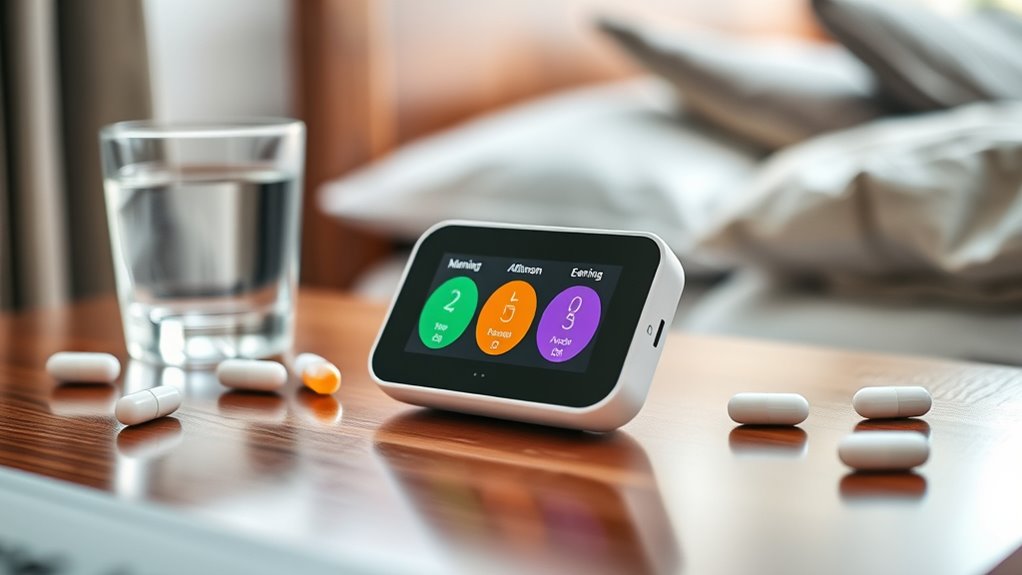

Finding the right medication reminder device for seniors can be challenging, as it involves balancing simplicity, reliability, and features. The Med-Q Digital Pill Box stands out for its audible alarms and flashing lights, making it ideal for those with hearing or vision impairments. The ORKA Talking Clock offers customizable alarms and a large display, perfect for seniors who need clear visual and audio cues. However, many devices require tradeoffs between feature complexity and ease of use, especially for users with cognitive or sensory challenges. Continue reading for a detailed comparison of the top options and what makes each suitable for different needs.
Prime for Young Adults — start your free trial
Fast free delivery, streaming and member deals for eligible 18–24 year olds.
Try it freeAs an affiliate, we earn on qualifying purchases.
Complete the kit


Key Takeaways
- Devices with both visual and audio alerts tend to serve seniors with varying sensory needs more effectively.
- Simple, large-display clocks are often the most reliable for those with cognitive decline or memory issues.
- Multi-dose pill boxes with alarms provide comprehensive support but can be overwhelming for tech-averse users.
- Customization options vary widely; the best devices allow tailored reminders without adding complexity.
- Affordability and ease of maintenance are key factors, especially for long-term use or caregivers managing multiple users.
| Medication Reminder Digital Calendar Clock for Seniors with Large Screen and Multiple Alarms |  | Best Overall for Visual Clarity and Ease of Use | Screen Size: 8 inches | Display: High Resolution Digital | Alarms: 5 Normal + 3 Medication | VIEW ON AMAZON | See Our Full Breakdown |
| Med-Q Digital Pill Box with Alarms and Flashing Lights |  | Best for Visual and Audible Reinforcement | Compartments: 14 large compartments | Alarm Features: Flashing lights and beeping every 25-30 min | Capacity: Up to 23 pills per compartment | VIEW ON AMAZON | See Our Full Breakdown |
| Pill Dispenser with App Reminder – 4 Daily Doses, Senior & Adult Use, No Batteries Needed |  | Best for Tech-Savvy Active Seniors and Travelers | Capacity: Up to 11 pills per compartment | Compartments: 4 daily doses | Power: Battery-free | VIEW ON AMAZON | See Our Full Breakdown |
| TabTime Pill Reminder with 8 Alarms per Day, Medication Tracker and Timer |  | Best for On-the-Go Medication Management | Number of alarms: 8 | Battery: Replaceable | Design: Pocket-sized | VIEW ON AMAZON | See Our Full Breakdown |
| Digital Talking Medication Alarm Clock for Seniors |  | Best for Visually Impaired and Hearing-Impaired Users | Display Type: Digital | Additional Features: Snooze | Operation Mode: Electrical | VIEW ON AMAZON | See Our Full Breakdown |
| Medication Tracker & Pill Reminder – Visual 7-Day AM/PM Reminder for Elderly |  | Best for Simplicity and Visual Monitoring | Type: Medication Tracker & Pill Reminder | Duration: 7 days | Reminders: AM/PM | VIEW ON AMAZON | See Our Full Breakdown |
| Live Fine Automatic Pill Dispenser with 28-Day Electronic Medication Organizer, 6 Dosage Templates, LCD Display, Sound & Light Alerts, Key |  | Best for Automated, Secure Medication Management | Capacity: 28-day organizer | Dosage Templates: 6 | Display: LCD | VIEW ON AMAZON | See Our Full Breakdown |
| MedCenter 31-Day Pill Organizer System with 4-Time Talking Alarm |  | Best for Long-Term, Audible Reminders | Number of compartments: 4 per day | Duration: 31 days | Alarm: Talking alarm | VIEW ON AMAZON | See Our Full Breakdown |
| GOLOZA 7” Digital Dementia Clock, Talking Clock with 10 Volumes, 6 Display Themes, 10 Color Modes, Auto Dimmable, Alarms & Reminders for Seniors |  | Best for Visual and Dementia-Friendly Clarity | Display Size: 7 inches | Volume Levels: 10 | Display Themes: 6 | VIEW ON AMAZON | See Our Full Breakdown |
| ORKA Talking Clock with Customizable Alarms and Large Display for Seniors and Visually Impaired |  | Best for Multilingual, High-Volume Alerts | Display Size: 5.69 x 9.63 x 2.68 inches | Digit Height: 1.93 inches | Languages: English-USA, English-UK, Spanish, German, French, Italian | VIEW ON AMAZON | See Our Full Breakdown |
More Details on Our Top Picks
Medication Reminder Digital Calendar Clock for Seniors with Large Screen and Multiple Alarms
This digital clock stands out for its large, high-resolution display, making it ideal for seniors with impaired vision or cognitive challenges, especially compared to the smaller, simpler models like the Digital Talking Medication Alarm Clock. Its multiple alarms—five for medication and three for other reminders—offer flexibility, though it lacks smart features like Wi-Fi connectivity, which some caregivers might prefer for remote monitoring. The auto-dimming and adjustable brightness improve readability in various lighting conditions, but the basic design might feel too simplistic for tech-savvy users seeking more integrated solutions. Its battery backup preserves settings during outages, providing reliability where power stability is an issue. Overall, this clock offers a straightforward, highly visible medication reminder option, but its limited connectivity may be a drawback for those wanting a smarter system.
Pros:- Large, high-resolution display enhances readability for impaired vision
- Multiple alarms support routine management and flexibility
- Supports eight languages and auto-dimming for customizable viewing
Cons:- Lacks Wi-Fi or smart connectivity for remote updates or alerts
- Battery backup only preserves settings, not continuous power
- Design is functional but may seem too basic for some users
Best for: Seniors with impaired vision or dementia who need a clear, simple visual reminder with multiple alarms
Not ideal for: Tech-savvy seniors or caregivers seeking smart features or remote monitoring capabilities
- Screen Size:8 inches
- Display:High Resolution Digital
- Alarms:5 Normal + 3 Medication
- Languages:8
- Brightness Adjustment:Level 1-10
- Auto Dimmer:Yes
- Battery Backup:Yes
Our verdict“This clock is best for seniors needing a straightforward, highly visible reminder device without smart features.”
Med-Q Digital Pill Box with Alarms and Flashing Lights
This electronic pill dispenser excels at reinforcing medication adherence through flashing LEDs and beeping alarms, making it suitable for users who respond well to visual and auditory cues. Its large compartments accommodate multiple pills, easing daily or weekly dosing, and the removable design enhances portability. Compared with the TabTime Pill Reminder, it offers more persistent alarms with repetitions every 30 minutes, reducing missed doses. However, its alarm volume may not be adjustable, and some users unfamiliar with electronic devices might find the interface slightly complex. Battery life isn’t specified, which could affect long-term use without frequent replacements. Overall, this device provides robust reminders but might be less intuitive for first-time users or those with hearing impairments who need adjustable volume.
Pros:- Effective flashing lights and sound reinforce medication times
- Large compartments simplify medication organization
- Removable, portable design for travel or on-the-go use
Cons:- Alarm sound volume may not be adjustable
- Battery life details are unclear, requiring replacement planning
- Some users may find the interface slightly complex
Best for: Caregivers or seniors who benefit from multi-sensory reminders and large pill compartments
Not ideal for: Older adults unfamiliar with electronic devices or those requiring adjustable alarm volume
- Compartments:14 large compartments
- Alarm Features:Flashing lights and beeping every 25-30 min
- Capacity:Up to 23 pills per compartment
- Design:Easy-open finger tabs, removable
- Usage Duration:7-14 days
Our verdict“Ideal for seniors who need strong visual and auditory cues to maintain medication adherence, especially in a home setting.”
Pill Dispenser with App Reminder – 4 Daily Doses, Senior & Adult Use, No Batteries Needed
This smart, battery-free dispenser offers a modern approach by pairing physical compartments with a companion app, providing customizable reminders and medication tracking. It’s a step up from basic electronic boxes like the TabTime due to its app integration, which allows remote control and personalized alerts. Its capacity is limited—only four doses daily—making it less suitable for complex regimens, but ideal for those who prefer simple, manageable schedules. The need for a smartphone might pose challenges for less tech-inclined seniors, and the capacity could be insufficient for users with many medications. Still, the elimination of batteries and the convenience of app-based alerts make it appealing for active users who value digital connectivity.
Pros:- Battery-free design reduces maintenance and clutter
- App provides customizable reminders and medication tracking
- Lightweight, travel-friendly, with easy organization
Cons:- Requires smartphone for full functionality, limiting use for some seniors
- Limited to four doses per day, not suitable for complex regimens
- Capacity may be insufficient for users with many pills
Best for: Tech-literate seniors or caregivers managing simple medication routines, especially those often on the move
Not ideal for: Seniors with multiple daily medications or who prefer non-smart, standalone devices
- Capacity:Up to 11 pills per compartment
- Compartments:4 daily doses
- Power:Battery-free
- App Compatibility:iOS and Android
- Additional Features:Reminders, last-dose indicator, stickers
Our verdict“This dispenser makes the most sense for active, tech-savvy seniors with simple medication routines or those comfortable managing app notifications.”
TabTime Pill Reminder with 8 Alarms per Day, Medication Tracker and Timer
This compact reminder offers eight independent alarms, making it suitable for users with multiple daily doses who need dependable alerts. Its simple setup—using just three buttons—appeals to seniors seeking an easy-to-operate device, especially compared to more complex electronic dispensers. However, its reliance on replaceable batteries means ongoing upkeep, which might be inconvenient. The device’s basic alarm functions don’t include volume adjustment or smart features, limiting its flexibility for users with hearing impairments or those wanting remote monitoring. Still, its pocket-sized design and straightforward operation make it a practical choice for travel or busy schedules, provided users are comfortable with manual battery replacements.
Pros:- Eight alarms prevent missed doses throughout the day
- Compact, pocket-sized design for portability
- Simple setup with minimal buttons
Cons:- Battery replacement required for continued use
- Limited to basic alarm functions without volume control
- No smart features or remote connectivity
Best for: Seniors who need multiple alarms daily and prioritize portability and ease of use
Not ideal for: Users needing adjustable volume or advanced smart features
- Number of alarms:8
- Battery:Replaceable
- Design:Pocket-sized
- Setup:Simple with three buttons
- Language:English instructions
Our verdict“This device is best for active seniors needing multiple alarms on the go, willing to handle regular battery changes.”
Digital Talking Medication Alarm Clock for Seniors
This talking clock provides personalized, voice-enabled medication reminders, making it particularly suitable for seniors with vision or hearing challenges. Its large, easy-to-read display and loud alarms enhance comprehension and alertness, especially compared to non-verbal visual clocks like the Medication Reminder Digital Calendar Clock. The inclusion of snooze and multiple alarms supports flexible scheduling, but it requires two AA batteries, which need periodic replacement—a potential inconvenience. Its lack of smart home integration limits remote management options. Overall, this clock excels at delivering clear, audible reminders, but it’s limited to indoor use and manual battery replacements might be a minor hassle.
Pros:- Supports personalized voice reminders for medication
- Large, easy-to-read display enhances visibility
- Loud alarms designed for hearing-impaired users
Cons:- Requires 2 AA batteries, which need replacement over time
- Limited to indoor use only
- No smart home compatibility for remote control
Best for: Seniors with visual or hearing impairments needing loud, clear, voice reminders
Not ideal for: Individuals seeking smart home integration or longer-term battery solutions
- Display Type:Digital
- Additional Features:Snooze
- Operation Mode:Electrical
- Batteries Included:Yes
- Size:5.25″ x 2.25″ x 3.75″
- Material Type:Plastic
Our verdict“This talking clock is ideal for visually or hearing-impaired seniors who need loud, clear, voice reminders at home.”
Medication Tracker & Pill Reminder – Visual 7-Day AM/PM Reminder for Elderly
This medication tracker excels in providing a straightforward, non-electronic way to monitor pill intake, making it ideal for seniors who prefer manual methods or caregivers seeking a customizable visual cue system. Unlike electronic options like the Live Fine Automatic Pill Dispenser, it doesn’t offer alarms or alerts, which may limit its usefulness for those needing immediate reminders. Its wall-mountable and fridge-friendly design offers versatile placement, but the lack of sound alerts means users must pay closer attention. Its reusable stickers allow for easy updates, yet manual tracking can be prone to errors or forgetfulness. Compared with electronic dispensers, this device prioritizes simplicity over automation, making it less suitable for users with memory issues or complex medication schedules.
Pros:- Simple and easy to use without electronic alarms
- Versatile placement options (counter, wall, fridge)
- Reusable and customizable with stickers
Cons:- No electronic alert or sound for reminders
- May require manual updating for tracking
- Limited to visual cues only
Best for: Seniors or caregivers seeking a simple, visual tool to track medication without alarms
Not ideal for: Users who need real-time alerts or automated medication management due to forgetfulness
- Type:Medication Tracker & Pill Reminder
- Duration:7 days
- Reminders:AM/PM
- Features:Visual indicator, wall-mountable, fridge-friendly, customizable stickers
- Battery-Free:Yes
Our verdict“This visual tracker is best suited for those who prefer manual, non-electronic medication monitoring with minimal tech reliance.”
Live Fine Automatic Pill Dispenser with 28-Day Electronic Medication Organizer, 6 Dosage Templates, LCD Display, Sound & Light Alerts, Key
This electronic pill dispenser stands out for its 28-day capacity, customizable dosage templates, and integrated alarms, making it well-suited for seniors managing complex medication regimens. Compared with the MedCenter 31-Day Pill Organizer System, which relies on manual filling and a talking alarm, the Live Fine Dispenser offers automated dispensing and secure lock features, reducing the risk of missed doses or accidental double dosing. However, setup may be intimidating for some seniors unfamiliar with electronics, and its battery life isn’t specified, which could impact reliability. The LCD display enhances usability, but the absence of battery information makes it harder to assess long-term dependability. Ideal for tech-savvy users or caregivers seeking automation with security features, this device might be less suitable for those preferring simple, manual options or with limited technical comfort.
Pros:- Easy-to-read LCD display for clear information
- Customizable dosage templates simplify complex schedules
- Sound and light alerts ensure medication adherence
- Secure key lock prevents accidental access
Cons:- No detailed information on battery life
- Potentially complex setup for some users
Best for: Seniors or caregivers needing a secure, automated medication dispenser with customizable dosing
Not ideal for: Individuals uncomfortable with complex setup or limited technical experience
- Capacity:28-day organizer
- Dosage Templates:6
- Display:LCD
- Alerts:Sound & Light
- Security:Key lock
Our verdict“This dispenser is ideal for users who prefer automated, secure medication management with flexible dosing options.”
MedCenter 31-Day Pill Organizer System with 4-Time Talking Alarm
The MedCenter 31-Day Pill Organizer with a talking alarm excels at providing clear, audible reminders, making it a reliable choice for seniors with visual impairments or memory challenges. Its large, high-contrast labels improve visibility, and the built-in talking alarm ensures users hear reminders even if they have difficulty seeing small displays. Compared to the ORKA Talking Clock, which offers multiple alarms and extensive customization, the MedCenter’s focus on daily medication management simplifies routine adherence. However, it requires batteries for the alarm, and its bulkiness may pose challenges for travel or storage. The removable daily boxes facilitate easy loading, but the device’s size and reliance on batteries may limit portability for some users. This product is best suited for those who need a straightforward, audible reminder system, but it’s less ideal for users seeking compact or highly portable options.
Pros:- Large, high-contrast labels for easy visibility
- Built-in talking alarm for reliable reminders
- Removable daily boxes for easy loading and checking
- Supports long-term medication management
Cons:- Requires batteries for the alarm (not specified)
- May be bulky for travel
Best for: Seniors with visual impairments or those who prefer audible medication cues
Not ideal for: Travelers or users needing a compact, lightweight device
- Number of compartments:4 per day
- Duration:31 days
- Alarm:Talking alarm
- Material:Plastic
Our verdict“This talking pill organizer is best for seniors who depend on audible cues and need a long-term, easy-to-use medication system.”
GOLOZA 7” Digital Dementia Clock, Talking Clock with 10 Volumes, 6 Display Themes, 10 Color Modes, Auto Dimmable, Alarms & Reminders for Seniors
This 7-inch digital clock is tailored for seniors with dementia or vision impairments, combining large, easy-to-read digits with voice time announcements that support orientation. Compared to the ORKA Talking Clock, which offers multiple alarms and customization, the GOLOZA clock emphasizes visual clarity, auto-dimming, and aesthetic flexibility with themes and color modes. It’s ideal for users who need both visual cues and auditory reminders, but its wired power requirement limits portability, and some may find its array of features initially overwhelming. The auto-dimmer and night mode promote comfortable viewing, yet the necessity for an outlet makes it less suitable for quick relocation. This clock makes the most sense for users with cognitive or visual impairments who value customizable visuals alongside auditory cues, but it might be too complex for those preferring simple clocks.
Pros:- Voice time announcements assist users with impairments
- Customizable alarms and reminders support medication adherence
- Auto dimmer and night mode enhance night-time usability
- Multiple themes and colors for customization
Cons:- Requires a power outlet, limiting portability
- Some users may find the numerous features overwhelming
Best for: Seniors with dementia or significant vision impairments needing visual and auditory time cues
Not ideal for: Travelers or users seeking battery-powered, portable solutions
- Display Size:7 inches
- Volume Levels:10
- Display Themes:6
- Color Modes:10
- Brightness Levels:10
- Power Source:Wired (adapter and USB cable included)
Our verdict“This clock is best for seniors needing both visual and auditory cues, especially those with cognitive impairments or dementia.”
ORKA Talking Clock with Customizable Alarms and Large Display for Seniors and Visually Impaired
The ORKA Talking Clock offers a large, easy-to-read display and up to 8 alarms with a loop system, making it highly adaptable for seniors with visual or hearing challenges. Compared with the MedCenter Talking Alarm Clock, which focuses primarily on medication timing, ORKA provides multilingual support and a high maximum volume of 90 decibels, ensuring alerts are heard even in noisy environments. Its recordable alarms and mute switch add further customization, but setup can be complex for those unfamiliar with technology. The AC power dependency limits portability, and the device’s breadth of features might intimidate users seeking a straightforward clock. This pick is ideal for seniors needing multiple alarms, loud alerts, and multilingual support, but less suitable for those who prefer simple, battery-operated devices.
Pros:- Large, easy-to-read display with extra-large digits
- Customizable voice alarms in multiple languages
- Supports up to 8 alarms with a 30-minute loop
- Adjustable volume up to 90 decibels
Cons:- Requires AC power, not battery operated for continuous use
- Setup may be complex for some users
Best for: Seniors with visual or hearing impairments requiring multiple, loud, and multilingual alarms
Not ideal for: Users who want a portable, battery-powered clock or minimal features
- Display Size:5.69 x 9.63 x 2.68 inches
- Digit Height:1.93 inches
- Languages:English-USA, English-UK, Spanish, German, French, Italian
- Alarm Count:Up to 8
- Volume:Up to 90 dB
- Power Source:AC with battery backup
Our verdict“This clock is best for seniors needing loud, multilingual alarms and multiple reminders, especially in noisy environments.”

How We Picked
The products were evaluated based on usability, reliability, display size, alert options, and overall value. Priority was given to devices that balance simplicity with effective reminder features, especially for seniors with sensory or cognitive impairments. We also considered build quality, battery life, and user interface clarity. The ranking reflects how well each device addresses real daily needs, avoiding overly complicated setups or features that might intimidate non-tech-savvy users.Factors to Consider When Choosing Medication Reminder Devices For Seniors
Choosing a medication reminder device for seniors involves several critical factors. It’s essential to focus on ease of use, as complicated interfaces can discourage consistent use. Visual clarity, such as large displays or clear labels, helps users with visual impairments. Reliable alarms—whether audio, visual, or both—are key to ensuring medications are taken on time. Compatibility with existing routines and simplicity in setup can significantly improve adherence. Finally, consider maintenance needs and how well the device integrates into daily life to avoid frustration or missed doses.Ease of Use and User Interface
Devices should feature intuitive controls and straightforward setup to encourage consistent use. Large buttons, simple navigation, and minimal menus reduce confusion, especially for seniors with cognitive challenges. Avoid overly complex interfaces or excessive features that can overwhelm users. Devices that offer quick access to alarms and medication schedules tend to foster better adherence.
Display Size and Clarity
A large, high-contrast display makes reading time and medication details easier for users with visual impairments. Some devices incorporate backlit screens or auto-dimming features to adapt to different lighting conditions. Clear, bold fonts and simple layouts reduce errors and frustration, especially important for seniors with age-related vision decline.
Alarm Options and Customization
Effective medication reminders combine auditory and visual signals to accommodate hearing or vision impairments. Look for devices that allow customizable alarms, including different sounds, volume levels, and flashing lights. Some devices also enable multiple alarms per day, supporting complex medication schedules without confusion.
Maintenance and Battery Life
Long-lasting batteries and simple charging or replacement methods are vital for reliable operation. Devices that require frequent maintenance or complicated setups are less likely to be used consistently. Consider whether the device has battery indicators or alerts for low power to prevent missed doses.
Cost and Value
While premium devices may offer advanced features, basic models often provide sufficient support at a lower price point. Weigh the cost against the specific needs—extra features might be unnecessary for users who just need simple reminders. Durable build quality and warranty coverage can also influence long-term value, particularly for daily use.
Frequently Asked Questions
Can these devices be used for multiple medications or complex schedules?
Many devices in this roundup support multiple alarms and can be programmed for complex medication schedules. For example, some pill dispensers and electronic clocks allow setting up to 8 or more alarms per day, accommodating various dosing times. However, simpler devices like basic clocks may only support one or two reminders, making them less suitable for complex routines. Carefully consider the number of medications and timing when choosing a device to ensure it meets your specific needs.
Are these devices suitable for seniors with cognitive decline?
Yes, devices with large displays, simple interfaces, and clear alarms are particularly effective for seniors experiencing cognitive decline. Visual cues like big numbers and straightforward operation reduce confusion and missed doses. Talking clocks and devices with audible reminders also support users with memory issues, ensuring they receive the necessary prompts without navigating complicated menus.
How important is battery life in choosing a medication reminder device?
Battery life is a critical factor because a dead battery can result in missed doses, which might be dangerous. Devices with long-lasting batteries or easy-to-replace power sources reduce the risk of interruptions. Some models include low-battery alerts, adding an extra layer of reliability. Overall, a device that requires minimal maintenance and is dependable keeps medication routines consistent.
Should I prioritize digital features or simplicity for my senior loved one?
Choosing between digital features and simplicity depends on the user’s comfort level with technology. For seniors with limited tech experience or cognitive challenges, simple devices with large displays and straightforward alarms tend to work best. Digital features like app connectivity or multiple alarms are beneficial but may introduce unnecessary complexity for some users. Balancing functionality with ease of use is key to sustained adherence.
Are talking clocks or visual alarms better for visually impaired seniors?
Talking clocks generally provide a clear audio cue, making them ideal for seniors with visual impairments. Large, high-contrast visual alarms support those with partial sight or who prefer visual reminders. Combining both features—such as a talking clock with a large display—offers the most inclusive support. Evaluate the specific sensory needs of the user to select the most effective type of reminder device.
Conclusion
For caregivers and seniors seeking a straightforward solution, the Medication Reminder Digital Calendar Clock offers large displays and simple alarms, making it ideal for beginners. Families managing multiple medications on a budget might prefer the Med-Q Digital Pill Box for its combination of alarms and light alerts, delivering good value. Those with sensory impairments or cognitive challenges should consider premium options like the ORKA Talking Clock or GOLZA Digital Dementia Clock, which provide customizable, multi-sensory alerts. For long-term reliability, prioritize models with durable batteries and simple operation to support consistent medication adherence across different needs and tech comfort levels.
Fall Picks
fall essentials
As an affiliate, we earn on qualifying purchases.