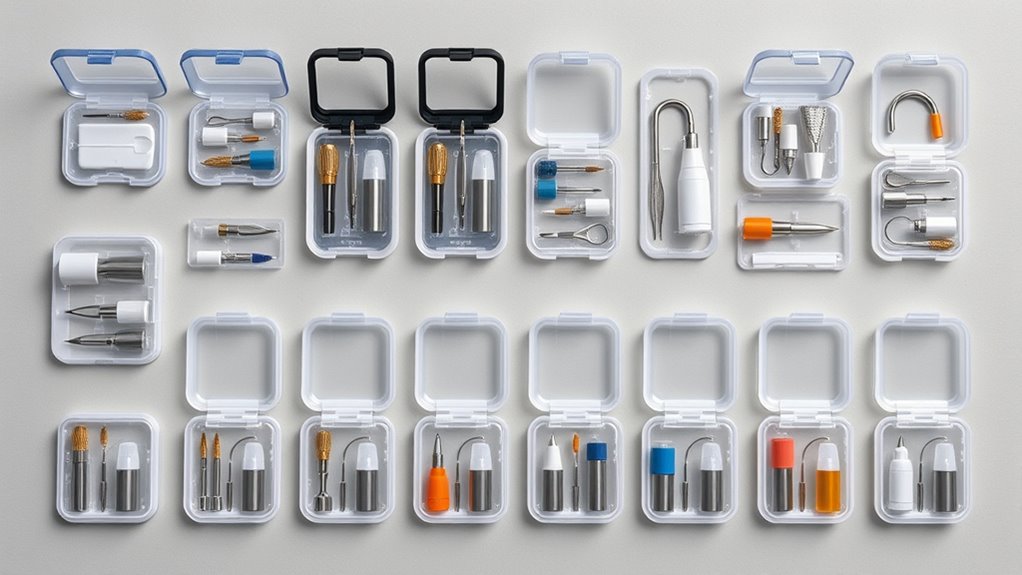

A hearing aid cleaning kit can make routine care easier, but the right choice depends on whether you need basic brushes, tools for several device types, or a more specialized cleaning method. I’d choose the 13-piece kit with brushes, magnifier, and storage bag as the best overall for its broad tool selection, while the Patelai 12-piece kit suits buyers who want a substantial set and the NanoClean strands offer a different approach for narrow openings. The main tradeoffs are tool variety versus simplicity, a compact case versus more storage, and general-purpose accessories versus device-specific fit. A larger kit is not automatically better if you will use only a brush and wax loop. Read on for the full comparison and guidance on matching a kit to your hearing aids and cleaning habits.

Turn quiet afternoons into listening time
- Thousands of audiobooks, podcasts and originals
- Listen on your phone, tablet or Echo — also offline
- Cancel anytime
Complete the kit

Key Takeaways
- The 13-piece kit stands out as the best overall: its brushes, magnifier, and storage bag offer more inspection and organization options than the smaller eight-piece kits.
- Patelai’s 12-piece set and the 13-piece kit suit tool-oriented buyers: both offer broader assortments than the seven-piece Mudder kit, which is a simpler choice for routine upkeep.
- Device compatibility deserves a closer look than piece count: the kit made for Oticon, Phonak, and rechargeable models is the most targeted option, but buyers should still confirm that its tools match their particular devices.
- The NanoClean strands take a different approach: they are ready to use and intended for narrow openings, while brush-and-loop kits offer reusable tools for broader routine care.
- Multi-use kits bring a compromise: the 10-piece and eight-piece hearing aid and earbud kits can suit households with both device types, though a dedicated hearing aid set may be a better fit for buyers focused only on hearing aids.
| Hearing Aid Cleaning Kit with Case, 8 Pieces |  | Best for Basic Maintenance | Pieces: 8 | Included tools: Steel pick, vent cleaner, screwdriver, cleaning brush, vent brush tube tool, microfiber cloth, and compact case | Compatible devices: Hearing aids, earbuds, ear molds, earplugs, and earphones | VIEW ON AMAZON | See Our Full Breakdown |
| Hearing Aid Cleaning Kit for Oticon, Phonak, and Rechargeable Models |  | Best for Rechargeable Hearing Aids | Compatibility: Rechargeable Bluetooth hearing aids, including Oticon and Phonak models | Included tools: Precision pen, brush, spray, cloth, magnetic tip, and case | Brush material: Soft nylon | VIEW ON AMAZON | See Our Full Breakdown |
| Hearing Aid Cleaning Kit – 13 Pieces with Brushes, Magnifier, and Storage Bag |  | Best for Detailed Home Cleaning | Package content: 13 pieces | Included tools: Storage bag, cleaning line, magnifier, dry wipe, screwdriver, tube brush, disassembly tool, multipurpose brushes, ventilation rods, and fine-tuning rod | Material: Described as premium materials for safety and durability | VIEW ON AMAZON | See Our Full Breakdown |
| 10-Piece Hearing Aid and Earbud Cleaning Kit with Storage Case |  | Best for Multi-Size Brushing | Quantity: 10 pieces | Materials: ABS plastic and nylon | Included items: Multifunction brushes in four sizes, screwdriver, cleaning cloth, and storage case | VIEW ON AMAZON | See Our Full Breakdown |
| Hearing Aid and Earbud Cleaning Tool Kit with Case, 8 Pieces |  | Best Lightweight Travel Pick | Brand: Anico | Number of items: 8 | Included components: Brush and wand | VIEW ON AMAZON | See Our Full Breakdown |
| Patelai 12-Piece Hearing Aid Cleaning Kit |  | Best for Detailed Maintenance | Included items: 7 precision cleaning tools, standard cleaning brush, vent pin, four-hole brush, vent rod, microfiber cloth, and storage pouch | Compatibility: Most BTE and ITE hearing aids, ear molds, earbuds, and small audio devices | Battery tool: Magnet tip for removing and inserting small batteries | VIEW ON AMAZON | See Our Full Breakdown |
| Mudder 7-Piece Hearing Aid Cleaning Kit |  | Best Compact Carry Kit | Number of pieces: 7 | Included components: Steel pick, vent cleaner, screwdriver, magnet brush, multipurpose tool, microfiber cloth, and velvet bag | Materials: Metal and microfiber | VIEW ON AMAZON | See Our Full Breakdown |
| NanoClean All-in-1 Hearing Aid Cleaning Kit – 20 Ready-to-Use Strands |  | Best for Fine-Tube Cleaning | Material: Non-metallic soft nylon | Strand length: 10 inches | Quantity: 20 pre-cut strands | VIEW ON AMAZON | See Our Full Breakdown |
More Details on Our Top Picks
Hearing Aid Cleaning Kit with Case, 8 Pieces
This kit earns its place through a practical mix of tools for routine cleaning and simple upkeep. The steel pick, vent cleaner, and brushes target debris in narrow openings, while the screwdriver can help with small screws or battery access. A compact case keeps the set together between uses. Compared with the 10-Piece Hearing Aid and Earbud Cleaning Kit, this one includes a steel pick and vent-focused tools rather than several brush sizes, so it suits buyers who want more than brushes alone. The tradeoff is that its small metal tools call for a steady hand, and the set is not a repair kit. Choose it for everyday cleaning; skip it if you need powered cleaning or service for a damaged device.
Pros:- Includes a steel pick and vent cleaner for narrow openings
- Screwdriver supports basic access to small screws and batteries
- Microfiber cloth is useful for wiping accessories
- Compact case stores the tools for travel
Cons:- Small tools require careful handling
- Supports cleaning and basic maintenance, not repairs
Best for: Hearing aid owners who want a compact set for routine cleaning plus basic screw and battery access
Not ideal for: People with limited hand dexterity or anyone seeking tools to repair damaged hearing aids
- Pieces:8
- Included tools:Steel pick, vent cleaner, screwdriver, cleaning brush, vent brush tube tool, microfiber cloth, and compact case
- Compatible devices:Hearing aids, earbuds, ear molds, earplugs, and earphones
- Case:Compact and portable
- Maintenance scope:Cleaning and basic maintenance
- Screw access:Screwdriver included
Our verdict“Choose this kit for portable routine cleaning with a few basic maintenance tools, provided you are comfortable handling small implements.”
Hearing Aid Cleaning Kit for Oticon, Phonak, and Rechargeable Models
Buyers with rechargeable Bluetooth hearing aids may value this kit’s precision pen, soft nylon brush, spray, and cloth, which cover several parts without relying on a collection of rigid picks. Its magnetic tip can help handle small batteries, and the lightweight case makes the set easy to carry. Compared with the Hearing Aid Cleaning Kit with Case, 8 Pieces, this option emphasizes a gentler, multi-tool cleaning routine over a steel pick and screwdriver for basic access. That makes it a better fit for regular surface and sound-tube care, though the listed compatibility with Oticon and Phonak models may vary by device. Check your manufacturer’s cleaning guidance before using the spray, and skip this set if you need a broad, model-independent tool assortment.
Pros:- Combines a precision pen, brush, spray, and cloth for different cleaning tasks
- Soft nylon bristles are designed for gentle cleaning
- Magnetic tip can assist with handling batteries
- Lightweight case is convenient for storage and travel
Cons:- Compatibility may vary across specific hearing aid models
- Spray use may not suit every device or manufacturer’s care guidance
Best for: Owners of rechargeable Bluetooth hearing aids, including compatible Oticon or Phonak models, who want a portable cleaning routine
Not ideal for: Buyers who need model-verified compatibility or prefer a kit centered on mechanical picks and screwdrivers
- Compatibility:Rechargeable Bluetooth hearing aids, including Oticon and Phonak models
- Included tools:Precision pen, brush, spray, cloth, magnetic tip, and case
- Brush material:Soft nylon
- Use:Removes earwax, dust, and debris
- Battery handling:Magnetic tip
- Storage:Lightweight case
Our verdict“Pick this set if your rechargeable model is compatible and you want portable, gentle cleaning tools in one case.”
Hearing Aid Cleaning Kit – 13 Pieces with Brushes, Magnifier, and Storage Bag
With 13 pieces, including a magnifier, cleaning line, tube brush, ventilation rods, and fine-tuning rod, this set offers the broadest manual toolkit among these five picks. The range can help owners of different hearing aid styles choose a tool for a specific opening or task instead of relying on a single brush. Compared with the Hearing Aid and Earbud Cleaning Tool Kit with Case, 8 Pieces, it adds inspection and more specialized implements, but that breadth asks for more sorting and hands-on work. The storage bag and compact build support carrying the set, though a pouch may not keep every small tool as orderly as a fitted case. It makes the most sense for careful home maintenance; casual users may find several pieces unnecessary.
Pros:- Thirteen pieces cover a wide range of manual cleaning tasks
- Magnifier supports closer inspection of small areas
- Includes cleaning line, tube brush, ventilation rods, and fine-tuning rod
- Compact, lightweight set can be carried between home and work
Cons:- The number of tools may be excessive for occasional basic cleaning
- Cleaning requires manual effort
- No electronic cleaning features are included
Best for: Hearing aid owners who clean different device styles at home and want specialized manual tools plus a magnifier
Not ideal for: Casual users who want only a few easy-to-identify tools or anyone seeking an electronic cleaning system
- Package content:13 pieces
- Included tools:Storage bag, cleaning line, magnifier, dry wipe, screwdriver, tube brush, disassembly tool, multipurpose brushes, ventilation rods, and fine-tuning rod
- Material:Described as premium materials for safety and durability
- Compatibility:Behind-the-ear, in-the-ear, and other hearing aids
- Portability:Compact and lightweight
- Cleaning method:Manual tools
Our verdict“Choose this set for detailed manual upkeep across hearing aid styles if you are willing to organize and use a larger assortment.”
10-Piece Hearing Aid and Earbud Cleaning Kit with Storage Case
Four brush sizes are the main reason to choose this kit: they give buyers a simple way to match a soft nylon brush head to different small devices and openings. The screwdriver adds a little basic maintenance utility, while the cloth and storage case round out a straightforward carry set. Compared with the Hearing Aid Cleaning Kit with Case, 8 Pieces, this kit favors varied brushes over a steel pick and dedicated vent tools, so it is easier to use for broad surface cleaning but less specialized for clearing narrow vents. Its hearing aid and earbud compatibility also suits households cleaning several small electronics. The listed materials are ABS plastic and nylon, and exact size or color may vary. Skip it if you specifically need a pick or vent cleaner.
Pros:- Four brush sizes suit different small cleaning tasks
- Nylon brush heads are designed for gentle contact
- Magnetic screwdriver can help handle small screws
- Storage case keeps the tools together
Cons:- Does not list a steel pick or dedicated vent cleaner
- Exact size and color may vary
Best for: People who clean hearing aids, earbuds, and other small devices and want several soft brush sizes in one case
Not ideal for: Hearing aid owners who need a steel pick or dedicated vent-cleaning tool for targeted debris removal
- Quantity:10 pieces
- Materials:ABS plastic and nylon
- Included items:Multifunction brushes in four sizes, screwdriver, cleaning cloth, and storage case
- Brush head material:Nylon
- Compatible uses:Hearing aids, earbuds, headphones, phone charging ports, and other small items
- Screwdriver:Magnetic
- Variation:Exact size and color may vary
Our verdict“Pick this kit for versatile soft brushing across hearing aids and earbuds, but choose a more specialized set for vent debris.”
Hearing Aid and Earbud Cleaning Tool Kit with Case, 8 Pieces
At 1.12 ounces and under four inches long, this Anico set is the most clearly specified lightweight option here. Seven nylon brushes and tools focus on removing earwax and dust, while a brush-head magnet can help with battery handling. The portable case makes it an easy choice for a bag or travel kit. Compared with the 10-Piece Hearing Aid and Earbud Cleaning Kit, it gives up the four explicitly sized brush heads and magnetic screwdriver in favor of a smaller, lighter set with a battery-handling magnet. Its compact tools may also be easier to misplace, and it is intended for cleaning rather than repair. Choose it for simple upkeep on the go; look elsewhere for more specialized vent tools.
Pros:- Lightweight at 1.12 ounces
- Seven nylon cleaning brushes and tools address earwax and dust
- Brush-head magnet can assist with battery handling
- Portable case keeps reusable tools together
Cons:- Small tools may be easy to misplace
- Designed for cleaning and basic maintenance, not repairs
- Does not list a dedicated vent cleaner or screwdriver
Best for: Travelers who want a lightweight, compact brush set for routine hearing aid and earbud cleaning
Not ideal for: Buyers who need a screwdriver, dedicated vent tools, or a larger assortment for detailed maintenance
- Brand:Anico
- Number of items:8
- Included components:Brush and wand
- Materials:Nylon, plastic, and metal
- Handle material:Plastic
- Dimensions:3.9 × 1.5 × 1.1 inches
- Weight:1.12 ounces
- Color:Black
- Special features:Lightweight, portable, reusable
Our verdict“Choose this Anico kit for lightweight routine cleaning on the go if a compact brush assortment covers your needs.”
Patelai 12-Piece Hearing Aid Cleaning Kit
The Patelai 12-Piece Hearing Aid Cleaning Kit suits owners who want several ways to reach vents, tubes, and small openings. Its vent pin, four-hole brush, vent rod, and seven precision tools offer more variety for targeted external cleaning than the narrower NanoClean strand set. The magnet tip also helps position small batteries, while the microfiber cloth and pouch make it easier to keep the tools together between sessions.
That range calls for a careful hand: the pointed tools need gentle handling, and this kit is for external cleaning only. Compared with the Mudder 7-Piece kit, Patelai emphasizes a broader selection of cleaning shapes over a compact maintenance assortment. It makes the most sense for someone comfortable choosing the right tool for each opening; beginners who want a simpler routine may find the selection fussy.
Pros:- Multiple precision tools target different vents, tubes, and small openings
- Magnet tip helps handle small hearing aid batteries
- Compatible with most common BTE and ITE hearing aids
- Microfiber cloth and storage pouch keep the kit portable and organized
Cons:- Pointed tools require a gentle, controlled touch
- External cleaning only; it does not address internal device maintenance
- The range of tools may feel excessive for someone who only needs basic surface cleaning
Best for: Hearing aid owners who routinely clean several device styles and want specialized tools for vents, tubes, and battery handling
Not ideal for: Beginners who prefer a minimal routine, or anyone seeking tools for internal device cleaning
- Included items:7 precision cleaning tools, standard cleaning brush, vent pin, four-hole brush, vent rod, microfiber cloth, and storage pouch
- Compatibility:Most BTE and ITE hearing aids, ear molds, earbuds, and small audio devices
- Battery tool:Magnet tip for removing and inserting small batteries
- Use:External cleaning only
- Kit size:12 pieces
- Storage:Storage pouch
Our verdict“Choose Patelai if you want a varied set of external cleaning tools and can use its finer implements carefully.”
Mudder 7-Piece Hearing Aid Cleaning Kit
The Mudder 7-Piece Hearing Aid Cleaning Kit is a compact choice for people who want cleaning and basic maintenance tools in one small package. The set pairs a steel pick and vent cleaner with a screwdriver, multipurpose tool, and magnet brush, so it covers more than the fine-tube focus of NanoClean’s nylon strands. Its microfiber cloth and velvet bag help keep the reusable tools together when traveling.
That broader utility comes with some handling tradeoffs. The small screwdriver and tools can be fiddly, and the product notes that tools need time to air out after cleaning before the device is worn again. Patelai offers more specialized cleaning implements, while Mudder favors a smaller, mixed-purpose kit. Choose Mudder for portable upkeep; skip it if you need a larger set of distinct brush and vent shapes.
Pros:- Combines cleaning tools with a screwdriver and multipurpose tool
- Magnet brush can help retrieve small batteries
- Works with most hearing aids as well as earbuds and headphones
- Velvet storage bag keeps the reusable tools together
Cons:- Small screwdriver and other tools may be fiddly to handle
- Tools need time to air out after cleaning before wearing the device
- Seven-piece assortment offers fewer specialized cleaning shapes than Patelai’s larger kit
Best for: Hearing aid and earbud owners who want a small carry kit with cleaning and basic maintenance tools
Not ideal for: People who need an extensive range of specialized brushes or find small metal tools difficult to handle
- Number of pieces:7
- Included components:Steel pick, vent cleaner, screwdriver, magnet brush, multipurpose tool, microfiber cloth, and velvet bag
- Materials:Metal and microfiber
- Handle material:Alloy steel
- Item weight:1.12 ounces
- Color:Black
- Special feature:Reusable tools
Our verdict“Pick Mudder for a portable mix of cleaning and basic maintenance tools, provided you are comfortable handling small implements.”
NanoClean All-in-1 Hearing Aid Cleaning Kit – 20 Ready-to-Use Strands
NanoClean takes a focused approach: it supplies 20 pre-cut, 10-inch nylon strands for reaching into small hearing aid tubes. Their non-metallic, thread-fine construction is intended to clean narrow passages without the hard contact of a metal pick. The pull-out dispenser also makes it simple to take a strand when needed. For this specific task, the strands are more direct than the broader Patelai or Mudder kits, which include multiple tools for different openings and maintenance jobs.
The tradeoff is limited coverage. Single-use strands can run out with frequent cleaning, and they may not shift heavy wax as effectively as a brush or pick. This is best as a focused option for fine tubes and earbuds, rather than a complete kit for device upkeep. Buyers who need battery handling or varied brush shapes should choose Patelai or Mudder instead.
Pros:- Soft non-metallic nylon is suited to cleaning narrow tubes
- Ten-inch strands can reach into small passages
- Pre-cut strands are ready to use from the dispenser
- Also suitable for earbuds and fine instruments
Cons:- Single-use strands may run out with regular cleaning
- May be less effective on heavy wax buildup than a brush or pick
- Does not include battery tools, a cloth, or a broader selection of cleaning implements
Best for: Hearing aid owners who regularly need to clear narrow tubes and prefer soft, non-metallic disposable strands
Not ideal for: People seeking a full maintenance kit, reusable tools, or help with heavy wax buildup
- Material:Non-metallic soft nylon
- Strand length:10 inches
- Quantity:20 pre-cut strands
- Packaging:Pull-out dispenser box
- Uses:Hearing aids, earbuds, and fine instruments
Our verdict“Choose NanoClean for routine fine-tube cleaning if you value soft disposable strands over a multi-tool maintenance set.”

How We Picked
I compared these eight options by the practical jobs a cleaning kit needs to support: removing surface debris, reaching small openings with appropriate tools, keeping accessories together, and making routine care manageable. I also looked at whether a kit offers inspection help, a compact storage case, broader tool variety, a specific compatibility focus, or a distinct cleaning format such as ready-to-use strands. These differences matter because a large assortment only helps when its tools match the device and the user’s routine.
The ranking favors versatility and useful organization for the best overall position, then distinguishes value-oriented, beginner-friendly, compact, multi-use, and specialized picks by their clearest strengths. The 13-piece set ranks first for its combination of brushes, magnifier, and storage; the simpler Mudder kit is easier to approach but offers fewer tools. Compatibility claims and product names can guide a shortlist, but I would check the included tool shapes and the hearing aid maker’s care instructions before buying.
Factors to Consider When Choosing Hearing Aid Cleaning Kit
Choosing a kit is less about collecting the most tools than finding a routine you can follow safely. These broader checks can help you decide what belongs in your cleaning case and what you can leave out.
Match the tools to the parts you clean
Start by identifying the areas your manufacturer says you can clean at home, such as the casing, microphone openings, or wax guard. A soft brush is suited to surface debris, while a loop or pick may help with visible buildup around an opening when the device instructions allow it. Avoid pushing a tool into a port or receiver simply because its tip fits. A kit with many narrow tools can be less useful if you are unsure where each one belongs. If the care instructions name a particular tool or method, use that as your guide rather than relying on a generic kit description. This check can prevent a broad assortment from turning into guesswork.
Choose simplicity or a wider assortment
Think about the routine you are likely to maintain, not the number of accessories in the package. Buyers who clean only visible surfaces may do better with a small brush-focused set that is easy to store and retrieve. More tools can help when you want options for different parts or devices, but they also take time to identify and keep organized. A magnifier may help someone inspect small areas, while an elaborate set can be unnecessary for someone who already knows their routine. Before choosing a larger kit, check whether its extra tools perform distinct jobs. The best balance is a set you can use confidently and put away consistently.
Check compatibility beyond brand names
A kit listing may name hearing aid brands or rechargeable models, but the model name alone does not show whether every included tool is suitable. Compare the shape and cleaning guidance for your device, especially around receiver openings, vents, and wax guards. Some hearing aids have replaceable components or specific cleaning accessories that a general kit may not include. Rechargeable devices still need routine care, but charging contacts and battery areas call for device-specific instructions. If you share a kit across more than one model, make sure the tools suit each one and can be kept clean between uses. When compatibility remains unclear, the manufacturer’s care guide is a better reference than a broad product label.
Decide whether you need one kit for earbuds too
Multi-use sets can be handy when a household cleans both hearing aids and earbuds, since one case can keep small accessories together. The tradeoff is that a tool designed for earbuds may not be the right choice for every hearing aid opening. Separate storage or clearly assigned tools can reduce mix-ups, especially when devices are shared between people. If you only own hearing aids, a dedicated kit may make the tool selection easier to understand. If you want dual use, check that the kit includes tools suited to the hearing aid tasks you perform, rather than assuming every accessory works equally well for both. Keep the device maker’s instructions in charge of how each tool is used.
Plan for storage and replacement
A case or bag helps keep small tools from disappearing and makes it easier to maintain a regular routine. A larger storage pouch can hold more accessories, but it may take up more room than a compact case on a bedside table or when traveling. Check whether the tools appear reusable and whether the listing identifies any consumable parts that need replacement. Ready-to-use strands offer a different format from reusable brushes and loops, so consider whether convenience or repeat use matters more to you. Keep cleaning accessories dry and free of debris according to their instructions. Storage is part of the routine: tools that stay clean and easy to find are more likely to be used appropriately.
Frequently Asked Questions
Is a larger hearing aid cleaning kit better than a smaller one?
Not necessarily. A larger kit can provide more tool choices or inspection help, as with the 13-piece set’s magnifier and storage bag, but extra pieces do not add value if they do not match your cleaning routine. A smaller option such as the Mudder seven-piece set may be easier to keep organized for basic care. Check what each tool is meant to do and compare that with your device’s care instructions. Choose the smallest set that covers the tasks you actually perform safely.
Can I use the same cleaning kit for hearing aids and earbuds?
Some kits are marketed for both, including the 10-piece and eight-piece multi-use options in this roundup. That can be convenient, but it does not mean every tool is appropriate for every device opening. Follow the care instructions for each product and avoid using a tool in a port unless the maker permits it. Keeping separate or clearly assigned tools can help prevent residue from one device being transferred to another. If hearing aids are your only concern, a dedicated kit may be simpler to choose and use.
Should I choose a kit made for my hearing aid brand?
A brand-specific listing can help narrow your options, as with the kit naming Oticon, Phonak, and rechargeable models. Still, brand names alone do not confirm that every accessory suits every model in that family. Check the included tool shapes against your device’s instructions, particularly for wax guards, receivers, and microphone openings. Some models need replacement parts or care tools that a general cleaning kit does not supply. If you cannot confirm fit, follow the device maker’s recommendations before using an unfamiliar tool.
Are ready-to-use cleaning strands a substitute for brushes?
They serve a different role. NanoClean’s strands are presented as a ready-to-use option for narrow openings, while brushes in a traditional kit are intended for routine surface cleaning. One format may not cover every cleaning task, and the instructions for your hearing aids determine what is appropriate. Consider whether you want a tool for a specific opening or a reusable assortment for several care tasks. Do not force a strand or brush into an opening if the device maker’s guidance does not call for it.
What should a first-time hearing aid owner prioritize in a cleaning kit?
Prioritize clear, simple tools and an easy-to-follow routine over a high piece count. A compact kit with a brush and case can be less confusing than an assortment whose tools have unclear purposes. A magnifier may help you inspect visible buildup, but it does not replace the device’s cleaning instructions. Before using any pick, loop, or strand, learn which areas of your hearing aid are safe to clean at home. The beginner-friendly choice is the kit whose contents you can identify and use as directed.
Conclusion
I’d make the 13-piece kit with brushes, magnifier, and storage bag my best overall pick for buyers who want a broad, organized set. For best value in practical tool coverage, the Patelai 12-piece kit is a strong alternative; choose it when you want a sizable assortment without needing the magnifier-and-bag combination to define your choice. The Mudder seven-piece kit is best for beginners who prefer a simpler set, while the Oticon, Phonak, and rechargeable-model kit is the targeted option for shoppers checking compatibility with those devices. For a specialized format, consider NanoClean’s ready-to-use strands; for households that also clean earbuds, look at one of the multi-use kits. Match the final choice to your device instructions and the tools you will actually use.