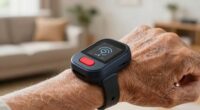
Choosing the right fall detection system for an elderly loved one involves balancing safety features, ease of use, and cost. For those seeking a comprehensive wearable with automatic alerts, the SecuLife Medical Alert Pendant offers extended battery life and customizable zones, while the SecuLife Smartband combines GPS, fall detection, and heart monitoring in a sleek design. For in-home setups, the NOMO Smart Care System provides WiFi-based monitoring with minimal installation. If avoiding monthly fees is key, the Caregiver Pager System relies on WiFi and manual alerts. Here, I’ll help you understand which system suits your specific needs by comparing these options directly.
Complete the kit


Key Takeaways
- Automatic fall detection enhances safety but often requires a subscription fee.
- Wearable devices with GPS provide real-time location info, crucial for outdoor safety.
- In-home systems eliminate monthly fees but depend heavily on WiFi reliability.
- Battery life varies significantly, influencing how often devices need charging or replacement.
- Ease of use and comfort are vital for elderly users, affecting adherence and effectiveness.
| SecuLife Medical Alert Pendant for Seniors with Fall Detection and GPS Tracking |  | Best for Automatic Safety and Long Battery Life | Fall Detection: Automatic | GPS Tracking: Yes | Battery Life: Up to 6 days | VIEW ON AMAZON | See Our Full Breakdown |
| SecuLife SOS Wristband for Seniors with Fall Detection, GPS Tracking, and Two-Way Calling |  | Best for Comfort and Ease of Activation | Fall Detection: Yes | GPS Tracking: Yes | Waterproof: IP67 | VIEW ON AMAZON | See Our Full Breakdown |
| Life Alert System No Monthly Fee, Caregiver Pager Call Button for Seniors with App, Waterproof Necklace & Wrist Buttons, 2.4GHz Wi-Fi Receiver |  | Best for No-Subscription, In-Home Assistance | Connectivity: Wi-Fi 2.4GHz | Includes: Waterproof call button, receiver | Use: Indoor areas like bedroom, bathroom | VIEW ON AMAZON | See Our Full Breakdown |
| NOMO Smart Care Medical Alert System with Fall Detection and WiFi Monitoring |  | Best for In-Home Safety with Privacy Focus | System Type: In-home monitoring | Components: Smart Hub, Satellites, Tags | Connectivity: WiFi | VIEW ON AMAZON | See Our Full Breakdown |
| Seculife Medical Alert Smartband for Seniors with Fall Detection and GPS |  | Best for All-in-One Safety and Health Monitoring | Fall Detection: Yes | GPS Tracking: Yes | Heart Rate Monitor: Yes | VIEW ON AMAZON | See Our Full Breakdown |
| fall detection systems for elderly | Fall Detection | Waterproof | Connectivity | GPS Tracking |
|---|---|---|---|---|
| SecuLife Medical Alert Pendant | Automatic | IP67 | 2-Way Calling | Yes |
| SecuLife SOS Wristband for Sen | Yes | IP67 | Two-Way Calling | Yes |
| Life Alert System No Monthly F | — | Yes | Wi-Fi 2.4GHz | — |
| NOMO Smart Care Medical Alert | Yes | — | WiFi | — |
| Seculife Medical Alert Smartba | Yes | IP67 | — | Yes |
More Details on Our Top Picks
SecuLife Medical Alert Pendant for Seniors with Fall Detection and GPS Tracking
This wearable pendant excels in automatic fall detection, making it ideal for seniors who may not always activate alerts manually. Compared with the wristband option, it offers a larger, easier-to-press SOS button, and its extended battery life of up to 6 days reduces daily charging concerns. Its waterproof design allows safe use in showers, a crucial feature often overlooked. However, the monthly fee of $20 can add up over time, and its simplicity means it lacks a display or additional functionalities found in more advanced devices. Nonetheless, for those prioritizing automatic safety and minimal maintenance, this device provides reliable protection.
Pros:- Automatic fall detection enhances safety without user activation
- Long battery life reduces daily charging
- Waterproof for shower use
- Large SOS button for easy emergency calls
Cons:- Monthly subscription fee may be a barrier
- Limited functionalities beyond safety features
- Requires ongoing subscription for full features
Best for: Seniors who need automatic fall detection with extended battery life and simple operation
Not ideal for: Caregivers seeking a device with a screen or extra features, or for users who dislike ongoing costs
- Fall Detection:Automatic
- GPS Tracking:Yes
- Battery Life:Up to 6 days
- Waterproof:IP67
- Connectivity:2-Way Calling
- Subscription Cost:$20/month
Our verdict“This device is ideal for seniors who need automatic fall detection, long battery life, and a straightforward interface.”
SecuLife SOS Wristband for Seniors with Fall Detection, GPS Tracking, and Two-Way Calling
The SecuLife SOS Wristband is designed for those who prefer a lightweight, unobtrusive device with quick emergency activation. Its waterproof build makes it suitable for daily wear, and the one-button call feature simplifies emergency response. Compared with the pendant, it may lack some of the extended battery life options, and the subscription fee of $25 per month adds ongoing costs. The wristband’s lack of a display means users rely entirely on caregiver apps for updates, which could be a drawback for those requiring more visual cues. Nonetheless, its simplicity and comfort make it perfect for seniors who want quick, intuitive access to help.
Pros:- Easy to activate with one button
- Waterproof and comfortable for all-day wear
- Real-time GPS and geofence alerts
- User-friendly app for caregivers
Cons:- Monthly fee might be prohibitive
- Limited battery info provided
- No display or extra features
Best for: Elderly individuals who prioritize comfort and quick emergency activation
Not ideal for: Those needing longer battery life or detailed on-device information
- Fall Detection:Yes
- GPS Tracking:Yes
- Waterproof:IP67
- Battery Life:Not specified
- Subscription:$25/month
- Connectivity:Two-Way Calling
Our verdict“Best suited for seniors who value simplicity, comfort, and quick emergency access, despite ongoing costs.”
Life Alert System No Monthly Fee, Caregiver Pager Call Button for Seniors with App, Waterproof Necklace & Wrist Buttons, 2.4GHz Wi-Fi Receiver
For families seeking a set-it-and-forget-it solution, the Life Alert System offers a no-monthly-fee setup that relies on WiFi and caregiver notifications. Its waterproof pendant and wrist buttons provide manual emergency calls, making it suitable for users who might prefer or require manual activation. Compared with GPS-based devices, this system lacks outdoor tracking but excels in environments where WiFi is stable. The main tradeoff is the need for a reliable WiFi connection and limited range information, making it less suitable for outdoor use or homes with spotty internet. Still, it’s a dependable choice for in-home safety without ongoing costs.
Pros:- No monthly fee or subscription required
- Includes waterproof call and SOS buttons
- Supports app notifications for family members
- Simple installation and operation
Cons:- Battery life details are unclear
- Dependent on WiFi stability
- Limited coverage outside WiFi range
Best for: Elderly individuals at home who prefer a no-cost, straightforward alert system
Not ideal for: Users needing outdoor GPS tracking or in areas with poor WiFi coverage
- Connectivity:Wi-Fi 2.4GHz
- Includes:Waterproof call button, receiver
- Use:Indoor areas like bedroom, bathroom
- Battery:Not specified
- Subscription:None
- Waterproof:Yes
Our verdict“Ideal for those who want a reliable, no-cost in-home alert system without GPS or cellular dependencies.”
NOMO Smart Care Medical Alert System with Fall Detection and WiFi Monitoring
The NOMO Smart Care system offers a comprehensive in-home safety monitoring solution that combines fall detection, emergency alerts, and two-way communication. Its WiFi-connected hub supports motion and sound sensors, along with wearable tags, providing a customizable safety network. Compared to standalone wearables, this setup offers broader coverage and integration, but it requires a monthly subscription of $19.99 after a trial period. Its camera-free, privacy-conscious design makes it appealing for those wary of constant video monitoring. It’s best suited for caregivers who want a flexible, in-home safety network, though its reliance on WiFi limits use in homes with internet issues.
Pros:- Easy plug-and-play setup, no wiring needed
- Includes fall detection and caregiver alerts
- Two-way voice communication
- No camera, privacy-focused
Cons:- Monthly subscription required after trial
- WiFi-dependent, no cellular backup
- Tags may need charging or replacement
Best for: Families seeking a comprehensive, in-home safety system with privacy considerations
Not ideal for: Those needing outdoor GPS tracking or in areas with unstable WiFi
- System Type:In-home monitoring
- Components:Smart Hub, Satellites, Tags
- Connectivity:WiFi
- Fall Detection:Yes
- Emergency Response:24/7 monitoring
- Subscription:$19.99/month
Our verdict“Best for families wanting a flexible, privacy-conscious in-home safety system with broad coverage.”
Seculife Medical Alert Smartband for Seniors with Fall Detection and GPS
The Seculife Smartband combines fall detection, GPS, and heart rate monitoring in a wearable device designed for active seniors. Its user-friendly design with large buttons simplifies emergency calls, and its waterproof build supports daily wear, including in the rain or shower. Compared with the pendant options, this smartband offers additional health tracking, but the extended subscription costs from $25 per month can be a concern for some. Battery life details are limited, and reliance on app connectivity means consistent network access is vital. For seniors wanting a multi-function device on their wrist, this pick offers a good balance of safety and health features.
Pros:- Automatic fall detection and emergency calls
- GPS tracking and heart rate monitoring
- Waterproof and easy to use
- Real-time location history up to 1 year
Cons:- Monthly fee from $25; costs can add up
- Limited battery life info
- Dependent on network and app connection
Best for: Active seniors who want comprehensive safety and health tracking in one device
Not ideal for: Caregivers seeking solely fall detection without health monitoring or those with limited internet
- Fall Detection:Yes
- GPS Tracking:Yes
- Heart Rate Monitor:Yes
- Waterproof:IP67
- 2-Way Calling:Yes
- Subscription Cost:From $25/month
Our verdict“Suitable for active seniors seeking an all-in-one device that combines safety and health monitoring, despite higher ongoing costs.”
How We Picked
My selection process focused on devices that specifically target fall detection for seniors, emphasizing reliability, ease of use, and safety features. I compared technical specifications like GPS accuracy, battery life, waterproofing, and subscription costs, considering real-world tradeoffs such as convenience versus ongoing expenses. Devices were also evaluated based on user-friendliness for elderly users, integration with caregivers, and whether they support automatic versus manual alerts. This approach ensures that each recommendation matches different safety needs and budgets, offering a curated, practical guide for families seeking elder fall safety solutions.
| fall detection systems for elderly | Fall Detection | Waterproof | Subscription |
|---|---|---|---|
| SecuLife Medical Alert Pendant | Automatic | IP67 | — |
| SecuLife SOS Wristband for Sen | Yes | IP67 | $25/month |
| Life Alert System No Monthly F | — | Yes | None |
| NOMO Smart Care Medical Alert | Yes | — | $19.99/month |
| Seculife Medical Alert Smartba | Yes | IP67 | — |
Factors to Consider When Choosing Fall Detection Systems For Elderly
Finding the right fall detection system depends on a variety of factors like lifestyle, environment, and budget. While wearable devices excel in outdoor safety and automatic alerts, in-home systems are often more suitable for seniors mostly staying indoors. Understanding the differences in features such as GPS, battery life, and subscription costs will help you pick a system that aligns with your priorities, whether that’s continuous outdoor safety, in-home monitoring, or avoiding ongoing fees. The following sections will break down these considerations to guide your decision-making process.Types of Fall Detection Systems
Wearable devices like pendants and smartbands provide mobility and outdoor safety, automatically detecting falls and tracking locations. In contrast, in-home systems use sensors and WiFi to monitor safety within the house, often with manual alert buttons. Hybrid options combine both approaches for comprehensive coverage. Choosing the right type depends on the senior’s daily routine, environment, and whether outdoor activity is common.
Automatic vs. Manual Alerts
Automatic fall detection offers peace of mind by alerting caregivers immediately after a fall, which is crucial if the senior can’t activate an emergency call. Manual systems require the user to press a button, which may be less reliable if the user is incapacitated. Consider the senior’s mobility and cognitive ability when selecting between these options.
Battery Life and Connectivity
Battery longevity influences daily use; longer-lasting batteries mean less frequent charging. Gadgets requiring WiFi or cellular connectivity depend on stable internet connections, which can limit effectiveness if the network is unreliable. Devices with cellular backup or extended batteries tend to be more dependable, especially for outdoor use.
Subscription Costs and Hidden Fees
Many advanced safety systems come with monthly fees, which can accumulate over time. Some in-home options avoid ongoing costs but might lack outdoor tracking. Weigh ongoing expenses against the device’s features, and consider whether the added safety benefits justify the recurring costs.
Frequently Asked Questions
How accurate is fall detection technology?
Most modern fall detection systems use accelerometers and gyroscopes to monitor sudden movements, providing reliable detection in most cases. However, false positives can occur, especially during vigorous activities, and some systems may miss very slow or soft falls. Automatic detection is generally trustworthy, but it’s always wise to choose a device with adjustable sensitivity settings if available.
Can these systems be used outdoors?
Yes, many devices like the SecuLife wristband and pendant feature GPS tracking and are designed for outdoor use. Devices relying solely on WiFi, like in-home systems, won’t work outside the covered area. Battery life and signal strength are critical factors for outdoor safety, so choose a device with a good GPS and extended battery life if outdoor activity is frequent.
Are there privacy concerns with these systems?
In-home systems that include cameras or continuous monitoring may raise privacy issues, but many, like NOMO, are designed to be camera-free and focus on motion and sound sensors. Wearable devices generally collect minimal data, mainly location and fall information. Carefully review privacy policies and choose systems that align with your comfort level and privacy expectations.
What are the ongoing costs associated with these systems?
Most wearable systems require a monthly subscription, which can range from $20 to $25. In contrast, in-home WiFi-based systems like the Caregiver Pager do not have ongoing fees but depend heavily on internet stability. Be sure to factor in these costs when assessing your long-term budget for elderly safety.
How easy are these devices for seniors to use?
Ease of use varies; simple one-button devices like the SecuLife wristband are ideal for seniors with limited dexterity. Devices with large screens, clear interfaces, and minimal setup are generally more user-friendly. Training and caregiver support can also significantly improve usability, especially for seniors unfamiliar with technology.
Conclusion
For seniors who are mostly active outdoors, a GPS-enabled device with automatic fall detection, like the SecuLife pendant or smartband, makes the most sense. Those preferring a simple, no-fuss in-home solution should consider WiFi-based systems like the Caregiver Pager, especially if they want to avoid ongoing fees. Caregivers looking for a comprehensive safety network with privacy considerations may find the NOMO system ideal, despite its reliance on WiFi. Ultimately, the best choice hinges on the individual’s lifestyle, health needs, and budget constraints, but understanding these key differences will help you make an informed decision.