
TL;DR

Turn quiet afternoons into listening time
- Thousands of audiobooks, podcasts and originals
- Listen on your phone, tablet or Echo — also offline
- Cancel anytime
A Sixty and Me contributor, writing after completing a walk on the Camino in Portugal and Spain, says online advice about equipment can be contradictory and shaped by personal experience or marketing. The essay argues that travelers can learn from recommendations without treating them as universal rules, while distinguishing personal opinions from qualified, evidence-based guidance.
A contributor to Sixty and Me has described receiving a surge of social media posts, emails and advertisements about Camino equipment after returning from a walk in Portugal and Spain, using the experience to argue that other travelers’ recommendations do not automatically fit an individual’s needs. The essay points to conflicting advice about boots, backpacks and walking poles, and distinguishes personal preferences and marketing from qualified guidance.
The writer says advice was useful while preparing for the trip in September, when only a few posts appeared each day. After returning, the contributor’s social feeds and inbox filled with recommendations, including what to pack and wear, which shoes to buy and whether to use poles. The writer suggests social media systems had registered interest in the Camino but had not recognized that the walk was already complete.
Some recommendations contradicted one another: wear hiking boots or avoid them; use walking poles or leave them behind. The contributor says this is not simply a matter of too much information. Advice can be presented as a universal rule despite being based on an individual’s experience or connected to product marketing, the essay argues.
The piece says a pilgrim carrying a full pack may need different equipment from someone using luggage transfers, while accommodation choices also affect what a traveler needs. The writer describes preparing for months, revising plans as new information emerged, and ultimately making choices based on personal abilities, concerns and preferred experience.
How Personal Needs Shape Gear Choices
The essay’s practical point is that equipment decisions depend on the traveler, not just on a product list or another pilgrim’s account. A recommendation that suits one person’s feet, route and carrying arrangements may not work for someone else. Treating every suggestion as essential can lead travelers to buy or carry items they do not need.
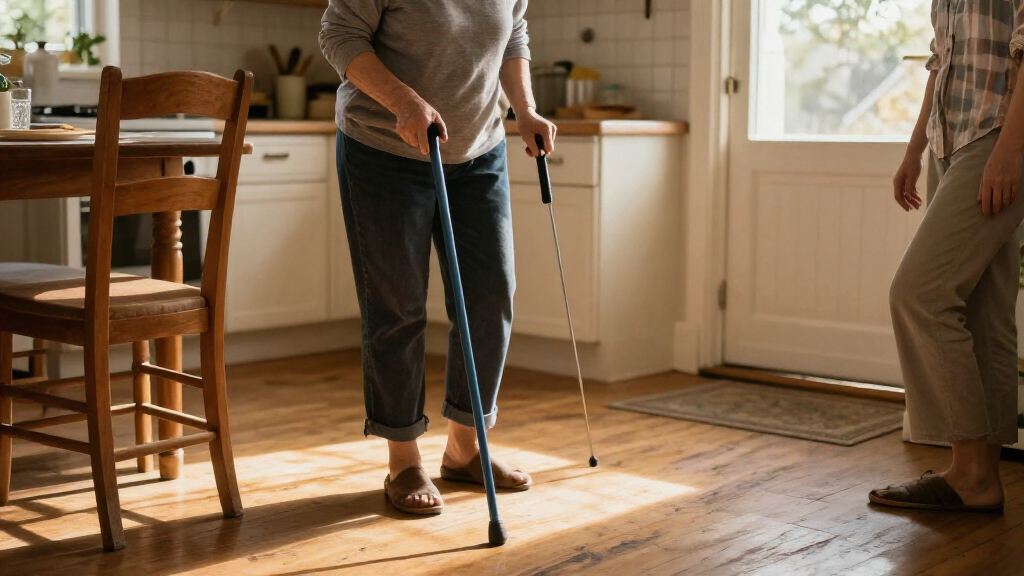
The writer uses walking poles to illustrate the distinction. The contributor says poles can help on difficult terrain and used them in those conditions, but does not consider them necessary for every pilgrim or every route. The essay also reports seeing poles left at accommodation for other walkers to take. That observation is the writer’s account, not a measure of how often pilgrims abandon poles.
The argument extends beyond travel to decisions about retirement, exercise, relationships and finances. Those subjects can carry greater consequences, however. The contributor explicitly cautions against treating this argument as a reason to disregard qualified experts or evidence-based health and safety advice. The distinction is between considered professional guidance and a person’s preferences presented as rules for everyone.
Products Worth Considering

BowFlex Results Series SelectTech Adjustable Dumbbells (Pair)

Bowflex SelectTech 840 Adjustable Kettlebell

Therabody Theragun Mini 3rd Generation Massage Gun, Black
As an affiliate, we earn on qualifying purchases.
From Trip Preparation to Advice Overload
The contributor’s account follows a clear timeline: preparation for a Camino walk in September, a period of researching the route and equipment, the walk itself, and a return home followed by a wave of targeted content. The source does not specify the year of the trip or the article’s publication date.
During preparation, the writer researched gear and changed plans as understanding of the journey developed. After the walk, the contributor reconsidered which items had seemed essential and which proved less important. The essay presents this as an individual experience, not as a gear guide or a survey of Camino walkers.
Its broader concern is how a large volume of reviews, videos, advertisements and personal recommendations can make decisions feel harder. The writer says that contradictory information may send people back to researching rather than helping them settle on a choice. The proposed response is not to reject advice, but to weigh it against personal circumstances and decide when enough information has been gathered.
““What bothers me isn’t necessarily the advice itself. It’s the authority with which it’s delivered.””
— Sixty and Me contributor, describing the advice encountered after returning
What the Essay Does Not Establish
The source is a first-person essay, not a comparative equipment study or a poll of pilgrims. It does not establish how widespread the reported social media advertising is, how many travelers find poles unnecessary, or whether particular boots or packs are best for a given route. The contributor’s experience should not be read as a general finding about all Camino walkers.
The source also provides no publication date, exact route, equipment inventory or detailed account of terrain. It does not name the specific advertisements or explain how the platforms determined the writer had been interested in the Camino. Those details remain unreported, so the essay cannot establish why the recommendations continued after the trip.
For health, safety or other high-stakes decisions, the piece does not offer professional advice. It says directly that its argument is not a call to ignore qualified experts or evidence-based recommendations. Individual needs and the appropriate source of advice depend on the decision at hand.
Applying Advice to Your Own Plans
The essay reports no formal follow-up, product test or planned change by Sixty and Me. Its immediate takeaway for readers planning a walk is to compare recommendations with their own route, fitness, equipment-carrying arrangements and comfort rather than assume another traveler’s choices will transfer directly.
Readers can still use other people’s experiences to identify questions to research. For example, a traveler considering poles can weigh the route and terrain against personal preference; someone choosing footwear can focus on fit and their own needs rather than treating a favorite shoe as universally suitable. The contributor’s account does not prescribe one answer.
For advice involving health or safety, the article points readers toward a different standard: qualified guidance and evidence rather than personal preference alone. The source does not identify a next milestone or say whether the contributor plans another Camino trip.
Key Questions
What is the Sixty and Me essay about?
It recounts a contributor receiving extensive Camino gear recommendations after returning from a walk in Portugal and Spain, and argues that advice based on someone else’s experience may not fit every traveler.
Does the contributor say walking poles are useless?
No. The contributor says poles can help on difficult terrain and used them in those conditions, while arguing that whether they are needed depends on the person, route and circumstances.
Why does the writer question online gear recommendations?
The essay describes conflicting recommendations and says some advice may reflect personal experience or marketing while being delivered as if it applied to everyone.
Does the essay recommend ignoring professional advice?
No. The contributor specifically distinguishes personal preferences from qualified, evidence-based guidance and says the essay is not a reason to disregard expert advice, particularly on health and safety.
Is the essay a study of what Camino walkers need?
No. It is a first-person account. It does not provide survey results, comparative equipment testing or evidence that the writer’s preferences apply to other pilgrims.
Source: sixtyandme.com