

When planning a potluck with dietary needs in mind, start by asking guests about allergies, intolerances, and special diets early on. Communicate clearly about ingredients and label dishes with allergy information and dietary options. Offer a variety of inclusive choices like vegan, gluten-free, and nut-free dishes. Keep the menu diverse, colorful, and well-organized, and stay flexible to make adjustments during the event. If you want practical tips to ensure everyone feels welcome, keep exploring.
Key Takeaways
- Collect guest dietary restrictions early and label dishes with ingredients and allergen information.
- Include a variety of options such as vegan, gluten-free, and nut-free dishes to accommodate diverse needs.
- Communicate clearly with guests about menu choices, substitutions, and ingredient details for transparency.
- Prepare allergy-safe dishes separately to prevent cross-contamination and ensure safety.
- Use attractive presentation and diverse food options to create an inclusive, welcoming potluck experience.

Zonon 1000 Pieces 2 Roll Gluten Free Stickers Labels for Food with Self Adhesive Seals 1.5 Inch Gluten Food Rotating Label Stickers for Containers Jars Glass Bottle Envelopes Bread Bags, 500 Pcs/Roll
Gluten pattern: the gluten sticker roll design has won the love of people who pursue healthy eating; Each…
As an affiliate, we earn on qualifying purchases.
As an affiliate, we earn on qualifying purchases.
Assessing Dietary Restrictions of Your Guests
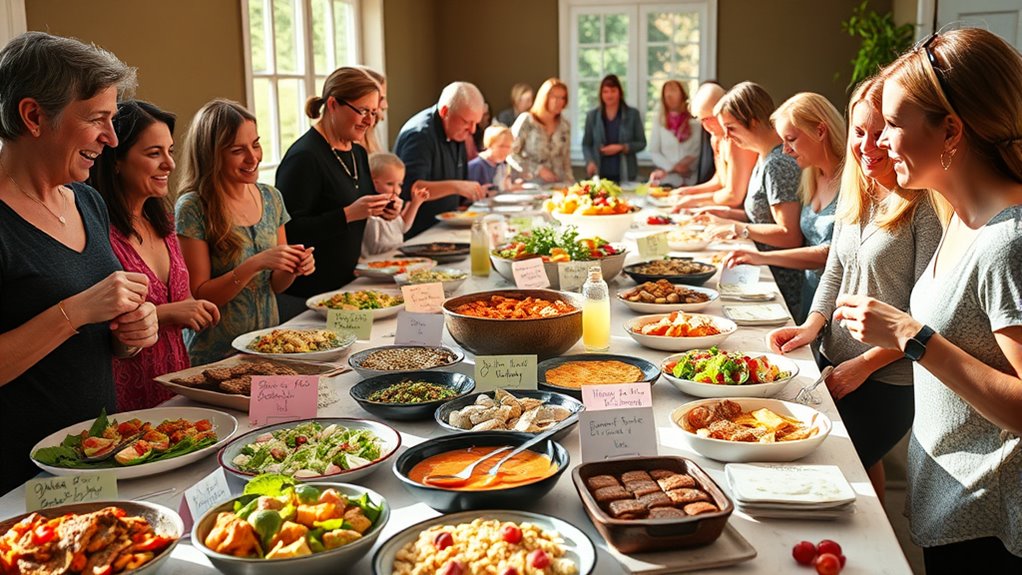
Before planning your potluck menu, it’s essential to identify any dietary restrictions your guests may have. Knowing guest attendance helps you anticipate how many people will join, making dietary tracking more manageable. Reach out to your guests early to gather information about allergies, intolerances, or special diets like vegetarian, vegan, or gluten-free. This step ensures you include suitable options for everyone and avoid last-minute surprises. Keeping a simple record of dietary restrictions helps you organize the menu efficiently and ensures you meet everyone’s needs. Additionally, understanding the operating hours of local grocery stores can help you plan shopping trips to pick up specific ingredients with ease. By understanding your guests’ dietary restrictions upfront, you set the foundation for a successful, inclusive potluck where everyone feels considered and comfortable. Proper assessment minimizes food waste and streamlines your planning process.

Amazon Basics Glazed Stoneware Serving Bowls, 3-Piece Set, Dishwasher-Safe, Microwave-Safe, Olive
3-PIECE SERVING BOWL SET: 3-piece serving bowl set; suitable for everyday use and special occasions
As an affiliate, we earn on qualifying purchases.
As an affiliate, we earn on qualifying purchases.
Communicating About Food Choices Effectively
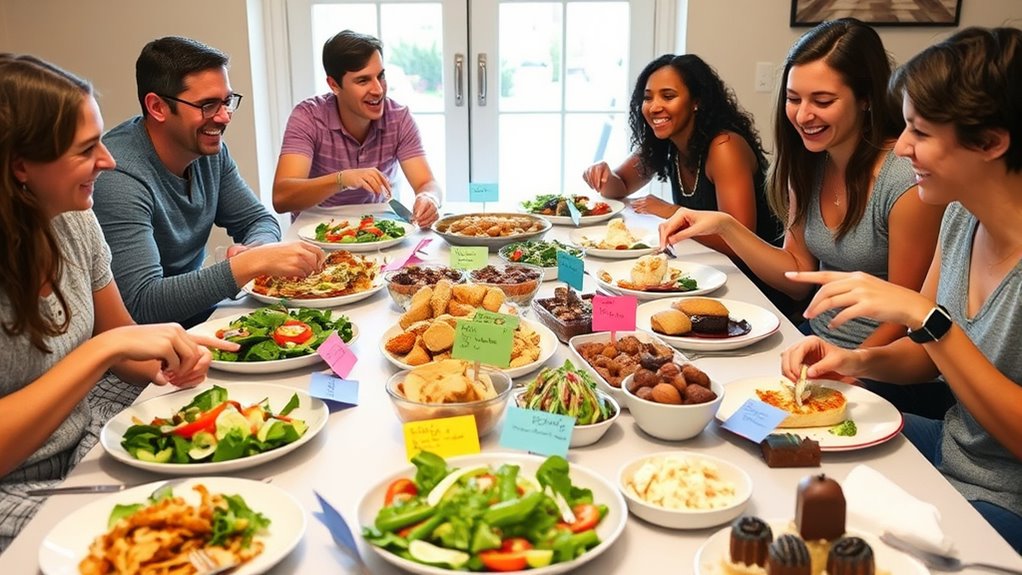
Talking openly about dietary preferences helps guarantee everyone’s needs are met without discomfort. Use respectful dialogue strategies to encourage honesty and avoid assumptions. When you communicate clearly, you create a welcoming environment where all guests feel valued and included. Incorporating best practices for communication can further improve understanding and cooperation among guests.
Clear Dietary Preferences
To guarantee everyone’s dietary needs are respected at a potluck, clear communication is essential. You should clarify dietary preferences upfront, considering ingredient substitutions and cultural considerations. Sharing a detailed list of ingredients helps guests identify safe options and avoid surprises. Use a simple table like this:
| Dietary Preference | Considerations |
|---|---|
| Vegetarian | No meat, look for plant-based ingredients |
| Vegan | No animal products, check for hidden animal-derived ingredients |
| Gluten-Free | No wheat, barley, or rye, verify ingredient labels |
| Cultural Restrictions | Respect religious or cultural food laws |
| Allergies | Identify common allergens, provide alternatives |
This approach ensures everyone’s needs are understood, reducing confusion and fostering an inclusive atmosphere. Being aware of cultural considerations can further enhance inclusivity. Clear, open communication is key to a successful potluck.
Respectful Dialogue Strategies
Effective communication about food choices requires approaching conversations with respect and openness. To navigate cultural sensitivities and language barriers, keep these strategies in mind:
- Ask open-ended questions to better understand individual preferences and restrictions.
- Use simple, clear language, avoiding jargon or idioms that might cause confusion.
- Be patient and attentive, especially if someone has difficulty expressing themselves due to language barriers.
- Show genuine respect for different cultural food practices, avoiding assumptions or judgments.
- Being aware of color accuracy and how it influences visual perception can help in understanding diverse dietary preferences related to food presentation and appearance.

Airtight Food Storage Containers with Lids, Vtopmart 24 pcs Plastic Kitchen and Pantry Organization Canisters for Cereal, Dry Food, Flour and Sugar, BPA Free, Includes 24 Labels,Black
Help Organize Your Kitchen and Pantry— Imagine every time walking to your kitchen or pantry, found everything is…
As an affiliate, we earn on qualifying purchases.
As an affiliate, we earn on qualifying purchases.
Planning a Diverse Menu to Accommodate All

Creating a diverse menu guarantees everyone at the potluck has something to enjoy. To achieve this, focus on meal presentation, making dishes look appealing and inviting. Include a variety of flavors, textures, and dietary options, so guests feel considered. When planning, think about portion control; offering smaller, manageable servings ensures guests can try multiple dishes without waste or overwhelm. Balance hearty options with lighter choices, and consider including vegetarian, gluten-free, and allergen-friendly dishes. By thoughtfully arranging the menu, you create an inclusive atmosphere that respects everyone’s preferences and needs. Incorporating food presentation techniques can elevate simple dishes and make the meal more inviting. A well-planned, diverse menu not only satisfies different tastes but also showcases your effort in making the event welcoming for all attendees.
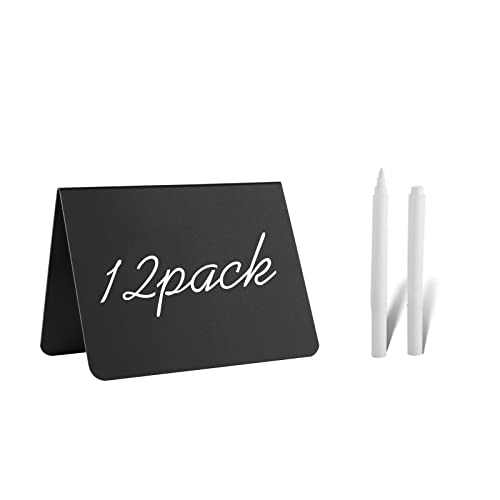
12 Pack 4"x3"Mini Chalkboard Signs for Chalk Sign for Food – Party – Buffet – Table Sign Chalkboard – Wedding – Bakery – Small
Dimensions: 4 inches x 3 inches
As an affiliate, we earn on qualifying purchases.
As an affiliate, we earn on qualifying purchases.
Labeling Dishes Clearly and Thoughtfully
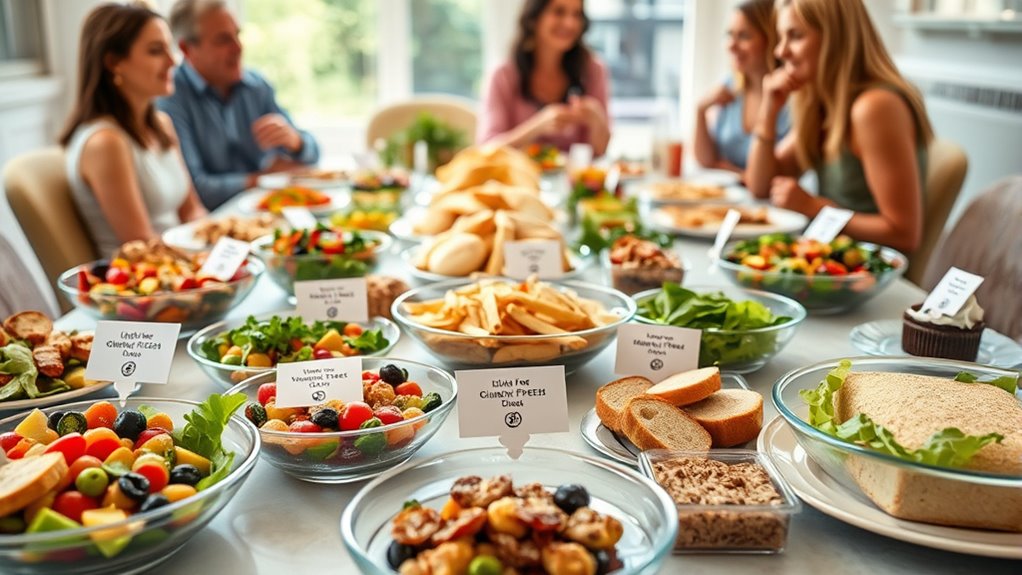
You should label each dish clearly so everyone knows what’s inside. Make sure to include all ingredients, especially common allergens or special dietary items. Thoughtful labeling helps guests make safe choices and enjoy the meal without worry. Using descriptive labels with clear and detailed information can further enhance understanding and safety.
Use Clear Labels
Clear labels are essential for ensuring everyone knows what’s in each dish and can make safe choices. Well-designed labels enhance food presentation and add to the table decoration, making the setup inviting. To maximize clarity, consider these tips:
- Clearly state the dish name and primary ingredients.
- Highlight common allergens or dietary info (e.g., gluten-free, vegan).
- Use legible, contrasting fonts and place labels at eye level.
- Keep labels consistent in size and style for a polished look.
Including inspirational quotes about fatherhood can also serve as a heartwarming touch to your gathering, fostering a sense of connection and appreciation among guests.
This thoughtful labeling helps guests quickly identify suitable options, reducing confusion and ensuring dietary needs are respected. It also encourages a more organized and inviting table, where everyone feels comfortable choosing what suits them best. Clear labels are a simple but powerful way to promote safety and inclusivity.
Include All Ingredients
Including all ingredients on your dish labels guarantees guests can make informed choices and avoid potential health risks. Clear labels also enhance presentation styles, making dishes more appealing and accessible. When labeling, list ingredients thoroughly, noting common allergens and special dietary components. Consider how food pairing influences flavor combinations—highlight key ingredients that complement each other. Use the table below to illustrate the importance of transparency and thoughtful presentation:
| Ingredient | Potential Allergens | Dietary Suitability |
|---|---|---|
| Nuts | Tree nuts, peanuts | Vegan, gluten-free |
| Dairy | Milk, cheese | Vegetarian |
| Gluten | Wheat, barley | Not gluten-free |
Being mindful of food allergies and dietary restrictions ensures everyone can enjoy the potluck safely and confidently.
Providing Allergy-Friendly and Special Diet Options

Ensuring there are allergy-friendly and special diet options at a potluck shows consideration for all guests’ needs. To do this effectively, start with smart meal prep ideas that accommodate common allergies or dietary restrictions. Here are four helpful tips:
- Label dishes clearly with ingredients and allergy info to guide guests.
- Prepare allergy-safe options separately to prevent cross-contamination.
- Incorporate variety in meal prep, including vegan, gluten-free, and nut-free choices.
- Use event decor, like colorful tags, to highlight special diet options for easy identification.
- Consider self watering plant pots when planning outdoor or decorative table settings to add functional and attractive elements to your event.
Tips for Managing and Adjusting During the Event

When managing a potluck, staying flexible is key to accommodating unexpected needs or issues that arise. Guest participation can vary, so be ready to adapt by rearranging or offering alternative options if certain dishes run out or aren’t suitable. Keep an eye on event timing, as some guests may need to leave early or arrive late; adjusting the schedule or moving certain activities can help everyone feel included. If you notice dietary restrictions aren’t fully met, quickly suggest substitutions or additional servings to fill gaps. Communicate openly with guests about any changes, ensuring everyone stays informed. Being adaptable helps create a positive atmosphere, making sure all attendees enjoy the meal without stress or inconvenience. Incorporating raw food options can also appeal to diverse dietary preferences and add variety to the offerings.
Frequently Asked Questions
How Can I Handle Last-Minute Dietary Restrictions?
When last-minute dietary restrictions arise, stay calm and quickly check with your guests for emergency substitutions. Keep a few versatile options, like gluten-free crackers or dairy-free snacks, on hand. Confirm any dietary needs as soon as possible to avoid surprises. This way, you can adapt your menu seamlessly, ensuring everyone feels included and safe. Being prepared with emergency substitutions and dietary confirmation makes handling last-minute changes much easier.
What Are Common Hidden Allergens in Potluck Dishes?
Ever wonder what hidden ingredient might cause an allergic reaction? Common hidden allergens include soy, nuts, gluten, and dairy, often concealed in sauces or processed foods. Cross contamination is also a big concern, especially if utensils or surfaces aren’t thoroughly cleaned. To keep everyone safe, ask about ingredients and consider labeling dishes to highlight potential cross contamination or hidden allergens. Isn’t peace of mind worth the extra effort?
How Do I Ensure Vegan and Gluten-Free Options Are Appealing?
You can guarantee vegan and gluten-free options are appealing by using creative presentation techniques that highlight their freshness and vibrancy. Incorporate colorful vegetables, herbs, and stylish serving dishes to make them visually enticing. Enhance flavor with bold spices, marinades, and dips that complement the dishes. When you pay attention to presentation and flavor, your vegan and gluten-free options will stand out and attract everyone’s appetite.
What Tools Can Help Track Dietary Needs Efficiently?
Think of digital dietary tracking tools as your kitchen’s GPS, guiding you through complex dietary terrain. Use allergy management apps and digital dietary tracking to keep tabs on guests’ needs effortlessly. These tools help you organize preferences, allergens, and restrictions in one place, making planning smoother. With them, you can guarantee all options are safe and appealing, turning your potluck into a feast everyone can enjoy without worry.
How Should I Respond to Guests’ Dietary Concerns During the Event?
You should prioritize guest communication by actively listening to their dietary concerns and asking clarifying questions. Express appreciation for their input and reassure them you’re mindful of allergy awareness. Clearly label dishes with ingredients and potential allergens, and be ready to suggest safe options. Maintaining an open, respectful tone helps guests feel comfortable sharing concerns, ensuring everyone enjoys the event safely and inclusively.
Conclusion
By weaving together thoughtful communication and a diverse menu, you create a tapestry of inclusivity that welcomes every guest like a warm embrace. Label dishes with care, like signposts guiding everyone through a culinary landscape rich in flavor and understanding. As the potluck unfolds, stay attentive and adaptable, turning potential pitfalls into opportunities for connection. With each mindful step, you craft an event where everyone’s needs are not just met but celebrated, transforming the gathering into a harmonious feast for all.