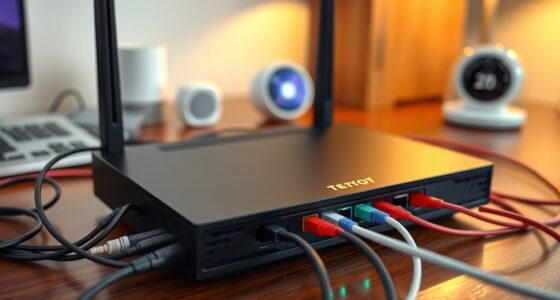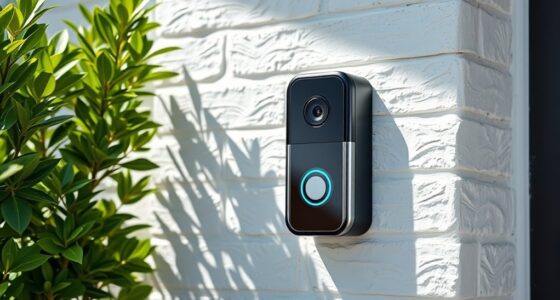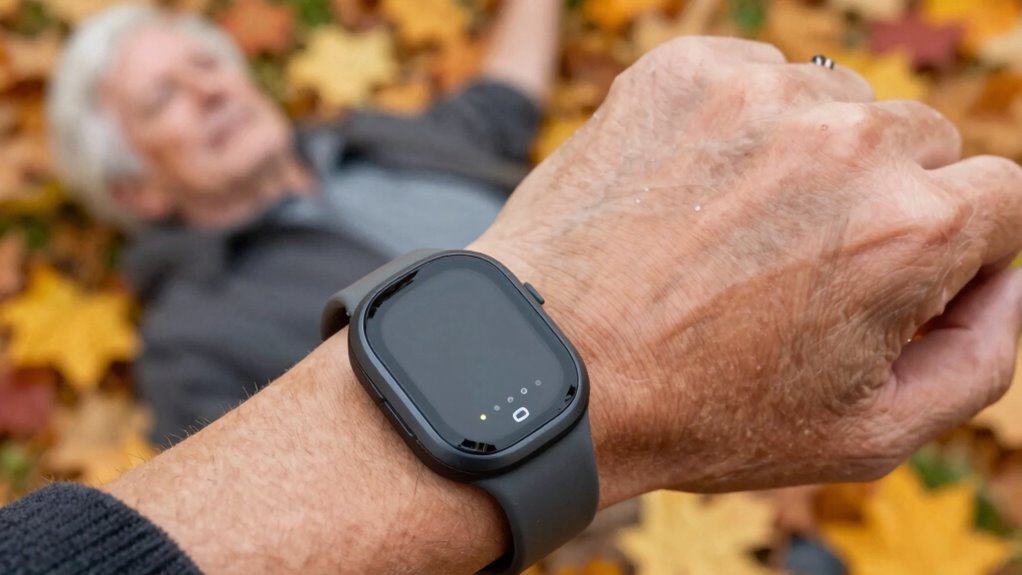

Modern alert devices use built-in sensors like accelerometers and gyroscopes that monitor your movements continuously. These sensors detect sudden impacts, quick changes in position, and rotational movements to identify a fall. Advanced algorithms analyze this data to distinguish between actual falls and normal activities, reducing false alarms. Factors like device placement, environment, and user habits impact accuracy. For a deeper understanding of how these systems stay reliable, explore the details of their technology and future innovations.
Open a free Amazon Business account
Business pricing, bulk buying and tax-exempt orders.
As an affiliate, we earn on qualifying purchases.
Key Takeaways
- Wearable devices use sensors like accelerometers and gyroscopes to monitor movement continuously.
- Advanced pattern recognition and machine learning differentiate falls from normal activities.
- Real-time data analysis triggers alerts if sudden impacts or unusual position changes are detected.
- Proper device placement and calibration are essential for accurate fall detection.
- Continuous technological improvements enhance accuracy, reduce false alarms, and adapt to various environments.
As an affiliate, we earn on qualifying purchases.
What Is Fall Detection Technology and How Does It Work?
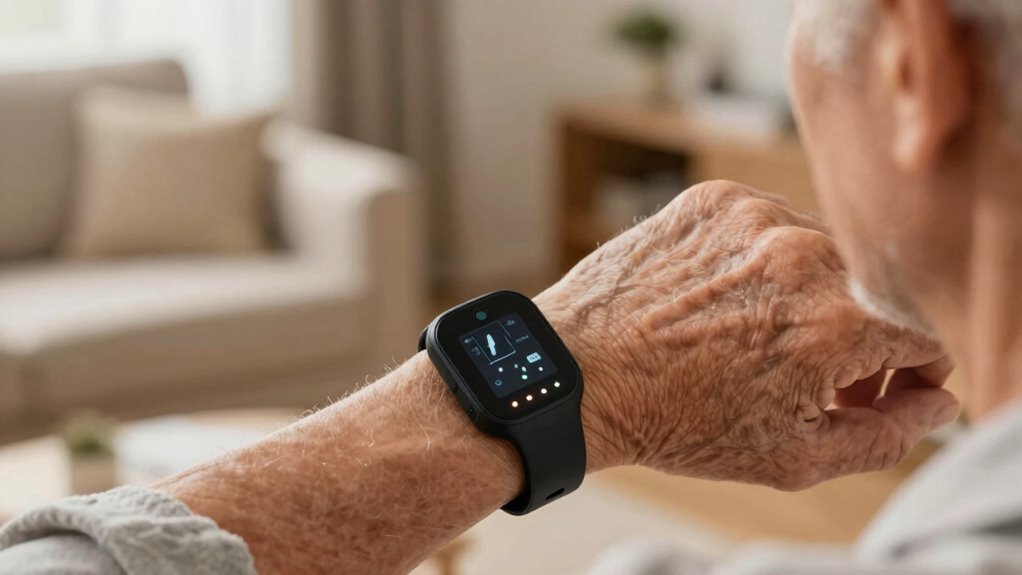
Have you ever wondered how modern alert devices can automatically detect falls? It all starts with advanced fall detection technology built into a sleek wearable design. These devices use sensors that monitor your movements continuously. When they detect unusual patterns—like a sudden, hard impact or a rapid change in position—they trigger an alert. The user interface is simple, often featuring one-touch controls or automatic alerts, making it easy to activate or respond to emergencies. The goal is to provide quick, reliable detection without interrupting your daily routine. The seamless integration of hardware and software guarantees that the device can distinguish between normal activity and actual falls. Incorporating contrast ratio considerations ensures that the device’s display remains clear and readable in various lighting conditions, enhancing user experience. Additionally, understanding sensor accuracy plays a crucial role in minimizing false alarms and ensuring dependable detection. Continuous software updates are also essential to keep the device’s detection capabilities current and effective. This combination of wearable design and intuitive user interface makes fall detection both effective and user-friendly. Newer devices also utilize advanced algorithms to improve detection precision and reduce false positives. Moreover, ongoing advancements in machine learning help these devices adapt to individual movement patterns for even greater accuracy.
How Do Sensors Detect Falls in Alert Devices?
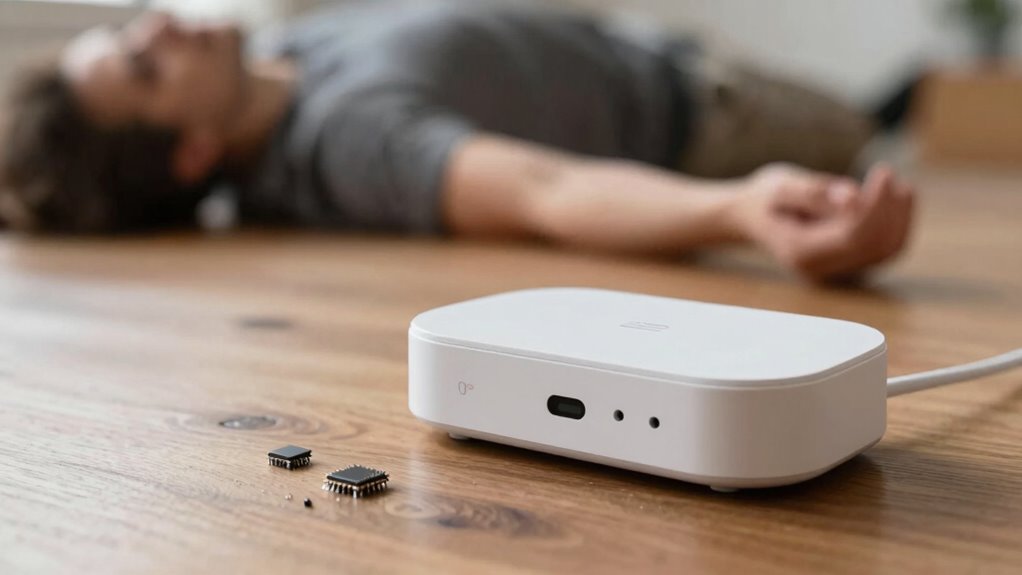
Sensors in alert devices use a combination of accelerometers and gyroscopes to detect falls accurately. Accelerometers measure sudden changes in speed and direction, while gyroscopes track rotational movements. When you experience a fall, these sensors detect rapid shifts in motion that differ from normal activities like walking or sitting. This real-time data helps the device identify potential falls quickly, ensuring your personal safety is prioritized. Additionally, smart sensor protocols enable these devices to improve detection accuracy over time through adaptive learning. These protocols incorporate machine learning algorithms that analyze patterns in sensor data to refine fall detection capabilities. Once a fall is detected, the device can automatically trigger an emergency response, alerting caregivers or emergency services. This quick detection minimizes risks and provides peace of mind. The seamless integration of these sensors allows modern alert devices to distinguish between everyday movements and actual falls, making them essential for reliable personal safety and timely emergency response. Continuous sensor calibration further enhances accuracy by adjusting to individual movement patterns, reducing false alarms and ensuring dependable alerts. Moreover, ongoing calibration helps the device adapt to individual activity levels, maintaining accurate detection over time. Additionally, advancements in sensor technology continue to improve the sensitivity and reliability of fall detection systems.
How Do Fall Detection Algorithms Differentiate Falls From Normal Movements?
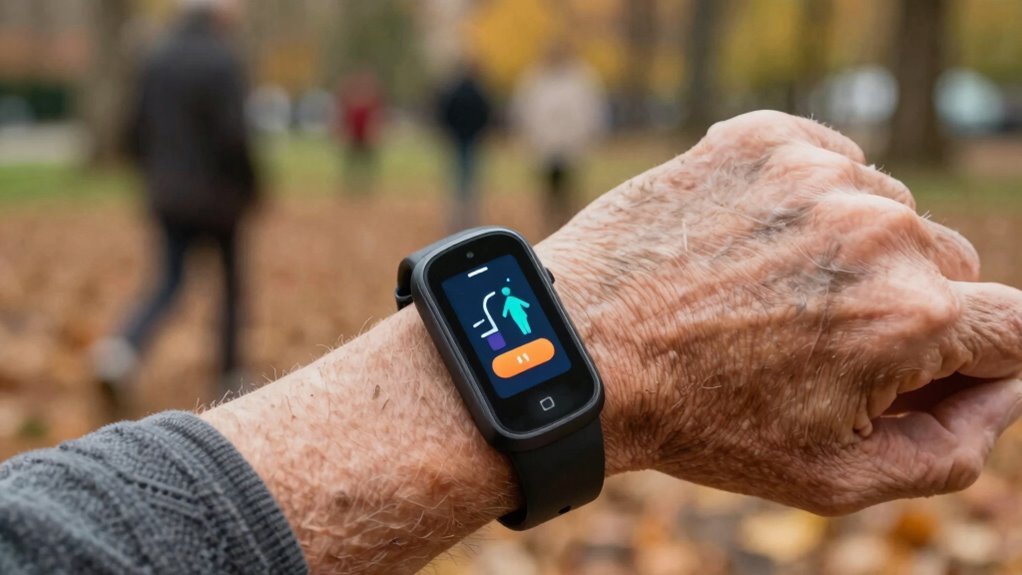
Fall detection algorithms use sophisticated pattern recognition techniques to distinguish actual falls from everyday movements. Gait analysis plays a vital role by examining walking patterns, speed, and body posture to identify anomalies typical of falls. Machine learning models are trained on large datasets of both falls and normal activities, enabling the system to learn subtle differences. These algorithms analyze sensor data in real-time, looking for sudden changes in acceleration, orientation, and movement dynamics. If the data matches fall-like patterns—such as rapid acceleration followed by a lack of movement—the system flags it as a fall. Conversely, normal movements like sitting or bending are recognized through established gait patterns, reducing false alarms. This combination guarantees accurate differentiation between falls and regular activities. Additionally, incorporating media literacy helps users better understand how these devices interpret data and enhances trust in their alerts. Understanding the sensor technology involved can further improve user confidence and the system’s overall reliability.
What Factors Affect Fall Detection Accuracy?

Several factors influence how accurately fall detection systems can identify actual falls and minimize false alarms. Environmental factors, like poor lighting or uneven surfaces, can interfere with sensors, making it harder to detect genuine falls. User behavior also plays a role; sudden movements, rapid changes in activity, or atypical postures may trigger false alarms or miss real falls. Additionally, device placement impacts accuracy—if worn loosely or incorrectly, sensors may not capture the right data. To improve performance, consider:
Proper device fit, environment awareness, and activity monitoring enhance fall detection accuracy.
- Ensuring proper device placement and fit.
- Minimizing environmental hazards and clutter.
- Monitoring user activity patterns to adjust sensitivity settings. Regularly updating the device’s software can also enhance its ability to distinguish between normal activity and falls by sensor calibration and improving detection algorithms. Understanding potential sensor limitations can help users better interpret alerts and maintain device effectiveness. Proper device maintenance and regular cleaning can also prevent dust or debris from affecting sensor performance, indirectly supporting accurate fall detection. Being aware of environmental interference can further help users optimize device settings for better accuracy.
Challenges and Future Trends in Fall Detection Technology
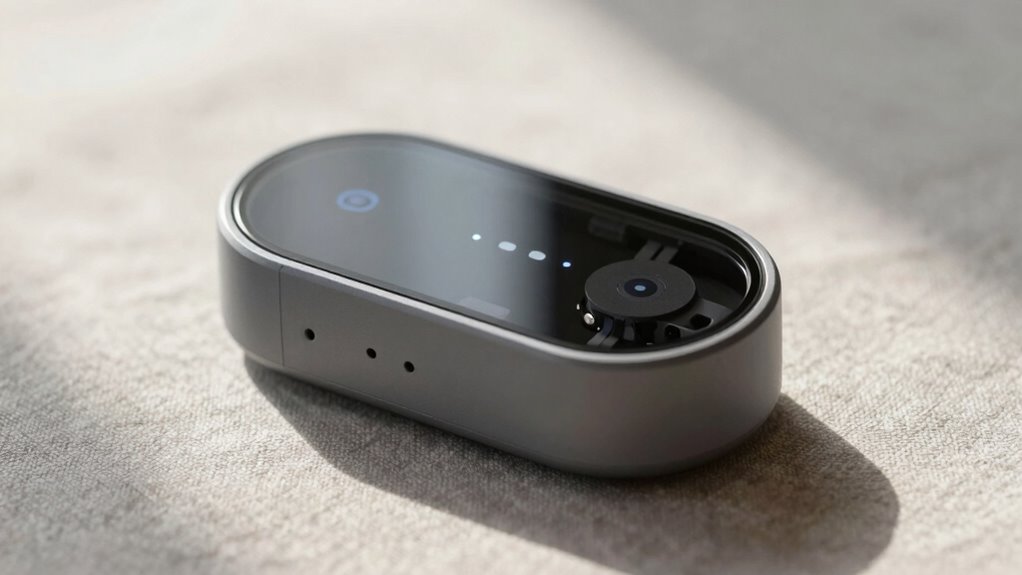
Despite significant advancements, fall detection technology still faces numerous challenges that hinder its effectiveness. One major issue is sensor calibration; if sensors aren’t properly calibrated, false alarms or missed falls can occur. Ensuring sensors adapt accurately to different environments and user behaviors remains difficult. Additionally, user adaptability plays a *vital* role—devices must be intuitive and customizable to individual needs, but many fall short in this area. Future trends aim to improve sensor calibration techniques, making devices more reliable across diverse users and settings. Developers are also focusing on enhancing user adaptability through smarter interfaces and machine learning algorithms that learn from user activity patterns. Overcoming these challenges will lead to more accurate, responsive fall detection systems that better serve users’ safety needs, and ongoing innovations in device versatility are crucial for expanding applications across various environments. Furthermore, integrating battery technology can extend device operation time, ensuring continuous protection in real-world scenarios. Incorporating adaptive algorithms that learn individual movement patterns could greatly enhance accuracy and reduce false alarms in the future. Additionally, advancements in sensor calibration techniques are vital for maintaining system reliability over time and varying conditions. Innovations in sensor technology are expected to further improve the robustness and precision of fall detection systems, making them more dependable for users.
Frequently Asked Questions
Can Fall Detection Devices Work Offline Without Internet?
Yes, some fall detection devices can work offline without internet, thanks to their offline functionality. These devices operate independently, using built-in sensors to detect falls without relying on external networks. This device independence means you can use them anywhere, even in areas with no Wi-Fi or cellular coverage. Just keep in mind, some features like emergency alerts might need internet access to notify contacts, but basic fall detection often works offline.
Are Fall Detection Alerts Customizable for Individual Needs?
Yes, fall detection alerts often come with personalization features, allowing you to customize sensitivity levels based on your activity and risk factors. Sensory calibration enables you to fine-tune the device’s response, reducing false alarms or missed detections. By adjusting these settings, you guarantee the alert system better fits your individual needs, providing more accurate and reliable assistance, especially for those with specific health conditions or mobility challenges.
How Long Does a Typical Fall Detection Device’s Battery Last?
A typical fall detection device’s battery lasts between 24 to 48 hours on a full charge. You can extend its battery lifespan by practicing good power management, like turning off the device when not needed or activating power-saving modes. Regularly charging the device guarantees it stays reliable, especially during emergencies. Keep an eye on the battery indicator to avoid unexpected power loss, ensuring constant protection.
What Privacy Measures Are in Place for Fall Detection Data?
A stitch in time saves nine, and protecting your data is no different. You can trust that fall detection devices use data encryption to safeguard your sensitive information. Plus, strict privacy policies guarantee your data isn’t shared without permission. These measures keep your personal health details private, giving you peace of mind. Rest assured, your safety and privacy are top priorities, just like the old saying suggests.
Are There Ethical Concerns With Automated Fall Detection Systems?
Yes, there are ethical concerns with automated fall detection systems. You might worry about privacy concerns, as these devices collect sensitive health data. Additionally, ethical implications arise around consent, data security, and potential false alarms that could cause unnecessary anxiety or interventions. It’s essential that manufacturers prioritize transparency, secure data handling, and user control to address these concerns and guarantee that technology benefits users without compromising their rights.
Conclusion
Understanding how fall detection works can truly be a game-changer for your safety. These devices are like your personal guardians, tirelessly working to keep you safe and independent. While no technology is perfect, advancements continue to improve accuracy and reliability. Embrace these innovations—they’re not just gadgets but lifelines that could save your life when you least expect it. Stay informed and proactive; your safety is worth more than a thousand words.
NFL season / tailgating Picks
team gear
As an affiliate, we earn on qualifying purchases.