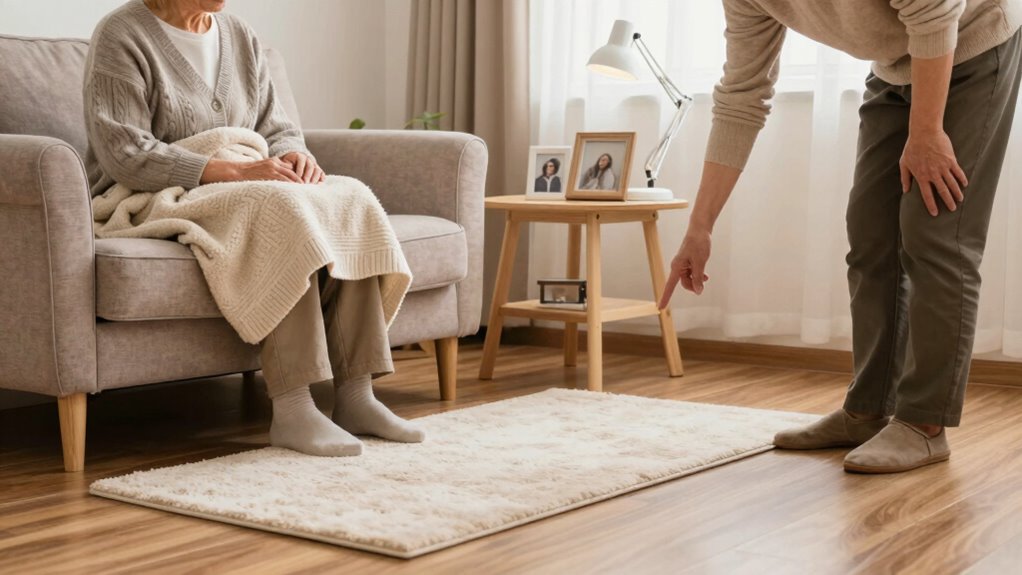

To help your aging parent accept small home changes, start by involving them in planning and listening to their feelings. Show empathy and respect their dignity, emphasizing how modifications support their safety and independence. Introduce changes gradually, highlighting benefits and demonstrating new features patiently. Use positive messaging, offer practical support, and include them in decision-making. Staying adaptable with adjustments ensures their home remains safe and comfortable over time. Keep exploring tips to make this shift smoother and less stressful.
Open a free Amazon Business account
Business pricing, bulk buying and tax-exempt orders.
As an affiliate, we earn on qualifying purchases.
Key Takeaways
- Involve your parent in planning modifications to foster a sense of control and address their preferences.
- Introduce changes gradually, emphasizing benefits to safety and independence.
- Respect their emotional responses; listen and validate feelings to ease acceptance.
- Use positive messaging and demonstrate how small adjustments improve daily life.
- Regularly reassess the home for safety and adapt modifications as needs evolve.
As an affiliate, we earn on qualifying purchases.
Why Small Home Changes Can Make a Big Difference for Your Aging Parent

Small changes around the home can substantially enhance your aging parent’s safety and independence. These adjustments often trigger emotional reactions, as they can feel like a loss of control or independence. Understanding this helps you approach modifications with empathy. Family dynamics play a big role too; loved ones may have differing opinions about what’s necessary or safe. Your parent might resist changes to avoid feeling vulnerable or dependent. By recognizing these emotional responses and involving your parent in the decision-making, you foster trust and cooperation. Small, thoughtful modifications show you care without overwhelming, helping your parent see them as supportive rather than invasive. Additionally, being aware of home technology features can further assist in creating a safer environment. Incorporating home safety assessments can help identify specific areas for improvement tailored to your parent’s needs. Recognizing the importance of adaptable solutions can make the transition smoother and more acceptable. Implementing modifiable features can also allow for easy adjustments as your parent’s needs evolve. Taking into account aging-in-place principles can guide you in making these changes more effectively. Over time, these small steps can markedly improve their quality of life and reassure everyone that safety and independence go hand in hand.
Understanding How Your Parent Feels About Home Modifications
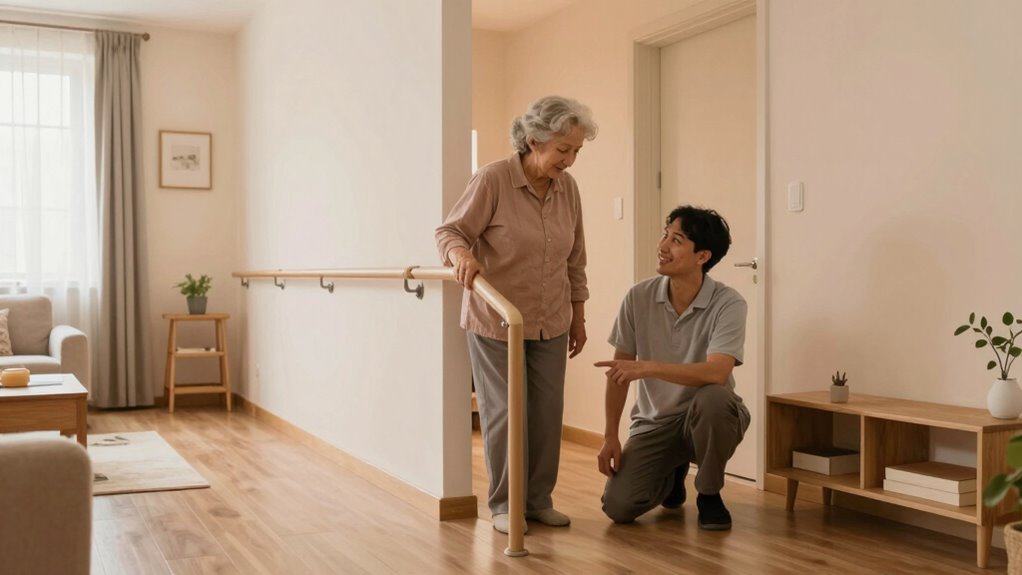
Understanding how your parent feels about home modifications is essential for a smooth shift. You need to gauge their emotional readiness and listen carefully to their feelings. Initiate gentle family conversations to explore their concerns and preferences. Some parents may see modifications as loss of independence, while others may feel relief or gratitude. Respect their emotions and avoid pushing too hard. Recognize that acceptance often takes time and patience. By openly discussing their feelings, you help them feel heard and valued. This open dialogue can also reveal emotional responses that influence their willingness to adapt. Acknowledging home safety concerns and addressing them thoughtfully can further ease their apprehensions about changes. Additionally, understanding the importance of lifestyle for longevity may help them see the benefits of modifications that promote healthier habits at home. Recognizing the role of home environment in overall well-being can also encourage acceptance of changes. This understanding allows you to tailor your approach, making changes feel less like impositions and more like supportive adjustments. Building trust through honest conversations creates a foundation for successful home modifications that your parent can embrace willingly. Incorporating landscaping elements or outdoor features carefully can also help them see the modifications as enhancements rather than losses.
How to Assess Your Parent’s Home Safety Needs
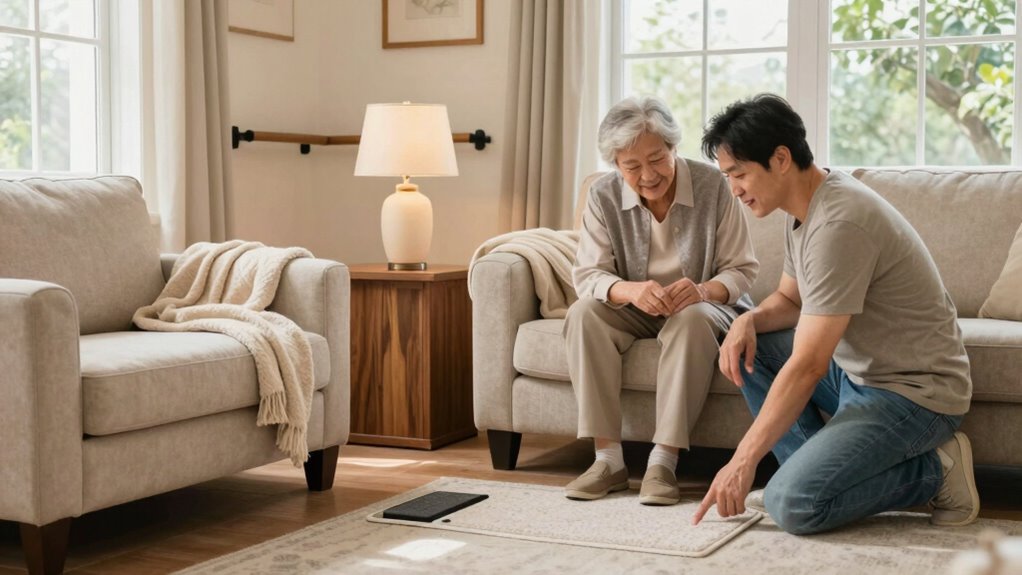
Once you’ve listened to your parent’s feelings about potential home modifications, it’s time to evaluate their current safety needs. Walk through their home and notice areas where falls or accidents could happen. Consider how home decor might be impacting safety—rugs, clutter, or furniture placement can create hazards. Check lighting in hallways and staircases, ensuring they’re bright enough. For gardening tips, look at outdoor spaces—are paths even and free of obstacles? Assess if kitchen counters and bathroom fixtures are within easy reach or if grab bars are needed. Pay attention to small details, like loose railings or uneven flooring. Additionally, inspecting for water damage and mold can prevent health issues that may affect your parent’s safety and comfort. Regularly reviewing home safety assessments ensures ongoing protection as needs change. Staying informed about home modification options can help you implement effective solutions tailored to your parent’s evolving needs. Understanding chronic health conditions that may impact mobility can further guide necessary adjustments in the home. Being aware of environmental hazards around the house can also help you take proactive steps to reduce risks. Taking these steps helps you identify specific safety risks, making it easier to plan necessary modifications that feel natural and supportive for your parent.
Involving Your Parent in Planning Home Changes

Involving your parent in planning home changes is essential for ensuring that modifications feel respectful and supportive. Engage them by discussing how changes might enhance their favorite activities, like gardening hobbies or preparing favorite recipes. Ask for their input on which areas need adjustments and listen carefully to their preferences. For example, if they love gardening, consider moving flower beds or installing raised planters together. If they cherish cooking, explore kitchen modifications that improve accessibility. This collaborative approach helps your parent feel valued and in control, reducing resistance to shift. Incorporating elements of cultural preservation into home modifications can also help maintain their personal identity and traditions. Understanding home safety considerations is crucial to making meaningful adjustments that protect their well-being. Additionally, considering electric power generation options, like small bike generators, can provide sustainable energy solutions for their daily needs. Employing innovative energy solutions can further enhance their independence. By actively involving them, you foster trust and make the shift smoother, ensuring that the home adjustments truly support their independence and enjoyment. Moreover, being aware of water system impacts can help you identify practical modifications that improve overall comfort and efficiency in their home.
Simple Tips for Gently Introducing Home Modifications
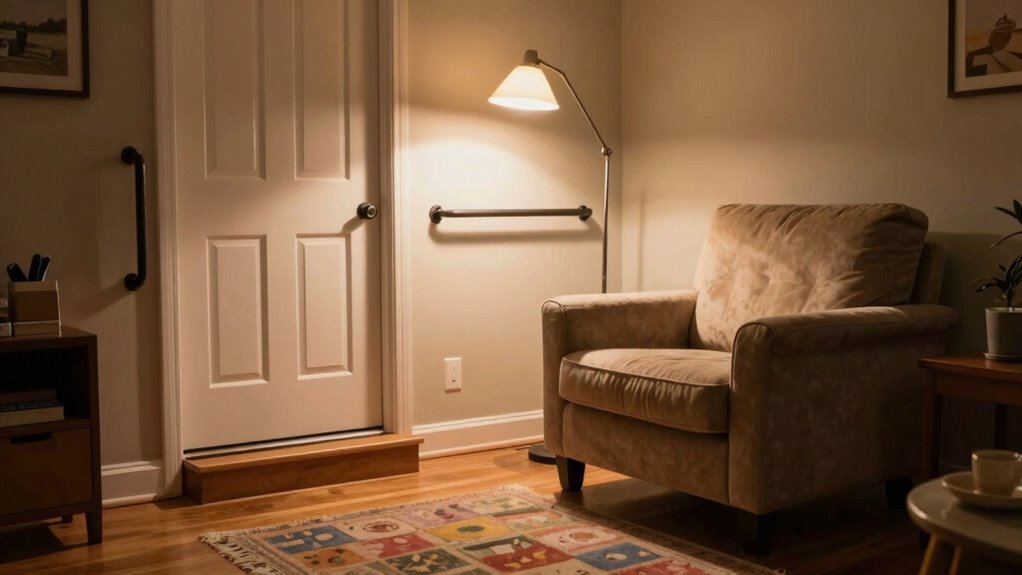
After involving your parent in planning home changes, it’s helpful to introduce those modifications gradually and thoughtfully. Start with small, manageable updates, like simple garden enhancements that make outdoor spaces safer and more enjoyable. You can also incorporate technology integration gradually, such as installing easy-to-use devices or voice-activated systems, to improve safety and convenience. When presenting these changes, emphasize how they improve daily life without taking away independence. Demonstrate each new feature patiently, allowing your parent to become comfortable with them at their own pace. Keep conversations positive and supportive, focusing on the benefits. Acceptance of change can be fostered by showing empathy and understanding throughout the process. Using eco-friendly craft ideas such as repurposing materials in small home projects can also make the transition more engaging and sustainable. Incorporating ergonomic principles into your home modifications can further enhance comfort and reduce strain, making everyday tasks easier and safer. Additionally, understanding home safety principles can guide you in prioritizing modifications that support your parent’s well-being. By easing into modifications step-by-step, you help your parent accept and adapt to changes more comfortably, fostering a sense of control and security at home. Consider application techniques that make styling and updates more effective and less overwhelming.
Overcoming Your Parent’s Fears About Losing Independence
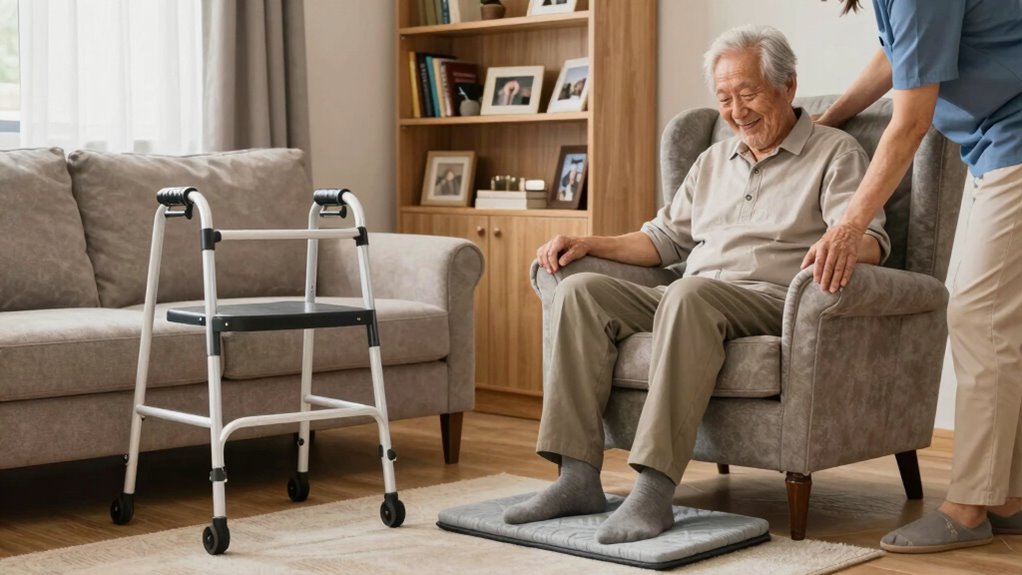
Fears about losing independence are common among aging parents, and addressing these concerns openly can make a big difference. You can help build their emotional resilience by reassuring them that small changes aim to support, not limit, their freedom. Encourage honest family communication, where they feel heard and understood. Use the table below to identify common fears and effective responses:
| Fear | How to Address |
|---|---|
| Losing ability to drive | Discuss alternative transportation options |
| Dependence on others | Emphasize maintaining control through safety |
| Losing social connections | Promote social activities at home or nearby |
| Feeling like a burden | Reassure they’re still valued and loved |
| Changing routines | Involve them in planning small adjustments |
This approach fosters trust and emotional resilience, easing their fears.
Finding Support and Resources for Safe Home Updates

Taking proactive steps to update your home safely often requires additional support and resources. Community resources can be invaluable, offering local programs, grants, or workshops focused on aging-in-place modifications. Contacting professionals for consultations ensures you receive tailored advice on necessary changes, such as installing grab bars or improving lighting. Many communities have aging-in-place specialists or home modification experts who can evaluate your parent’s home and recommend practical solutions. Additionally, local senior centers or organizations may provide resources or referrals to trusted contractors familiar with accessibility updates. By leveraging these community resources and professional consultations, you’ll be better equipped to plan effective, safe home updates that respect your parent’s needs and foster independence.
How to Respect Your Parent’s Dignity During the Transition

Respecting your parent’s dignity during the change requires approaching conversations with sensitivity and genuine empathy. Recognize their privacy concerns and involve them in decisions about changes to their home. Avoid making them feel embarrassed or powerless; instead, focus on collaborative solutions that honor their preferences. Acknowledge the emotional impact of these adjustments, as they can evoke feelings of loss or frustration. Reassure your parent that your goal is to support their independence and well-being, not diminish their autonomy. Maintain respectful communication, listen actively, and validate their feelings. By showing understanding and respecting their boundaries, you help preserve their sense of self-worth during this challenging shift.
Ensuring Your Parent Maintains Independence After Changes

Once you’ve made necessary modifications to your parent’s home, the goal is to help them stay as independent as possible. To do this, consider their emotional readiness and how family dynamics might influence their comfort with changes. Encourage open conversations about their needs and preferences, respecting their autonomy. Show patience and reassurance, emphasizing that these adjustments are meant to support their independence, not restrict it. Maintain consistent routines to foster familiarity, and involve them in decision-making to boost confidence. Remember, their sense of control is essential.
- Regularly check in on their feelings about the changes
- Respect their pace in adapting to new setups
- Foster family support to ease emotional concerns
- Celebrate small successes to boost confidence
Keeping Home Modifications Flexible and Comfortable Over Time

To keep home modifications adaptable and comfortable, you should focus on flexible design features that can easily be adjusted as your parent’s needs change. Regular safety assessments help identify areas that may require updates or additional support. By staying proactive, you guarantee the home remains a safe and welcoming space over time.
Adaptable Design Features
Designing home modifications with flexibility in mind guarantees that changes can adapt as your parent’s needs evolve. This approach guarantees their comfort and safety over time without constant renovations. Incorporate features like smart lighting, which can be easily adjusted for brightness and color, helping your parent navigate the home comfortably. Use ergonomic furniture that supports proper posture and can be modified or replaced as needed. Consider modular solutions, such as adjustable grab bars or removable ramps, to provide versatility. These adaptable design features help your parent feel more in control and reduce resistance to change. By planning for flexibility, you create a home that evolves with their needs, making adjustments seamless and less disruptive.
Regular Safety Assessments
Regular safety assessments are essential for ensuring that home modifications remain effective and comfortable as your parent’s needs change. By routinely evaluating the environment, you can identify new hazards or areas where adjustments are needed. Incorporate home automation systems to improve safety and independence, such as smart lighting or voice-controlled devices. Check that mobility aids like walkers or stairlifts are still suitable and functioning properly. As your parent’s mobility and vision evolve, so should their home setup. These assessments allow you to make timely updates, keeping the space flexible and comfortable. Regular check-ins help prevent accidents, boost confidence, and maintain their independence while adapting to changing needs over time.
Frequently Asked Questions
How Can I Encourage My Parent to Embrace Small Home Changes?
You can encourage your parent to embrace small home changes by highlighting how assistive technology improves safety and independence. Offer emotional support by listening to their concerns and involving them in decision-making. Show patience and positivity, sharing success stories of others who benefited from similar adjustments. Reassure them that these small changes are meant to enhance their comfort, making them feel more in control and confident at home.
What Are Subtle Ways to Suggest Safety Modifications?
Think of suggesting safety modifications as gently guiding a boat into calmer waters. You can subtly introduce Assistive Technology like grab bars or better lighting, framing them as tools for independence. Offer emotional support by highlighting how these changes keep their familiar space safe and comfortable. Instead of direct requests, share stories or examples that show safety upgrades as caring gestures, making the suggestion feel natural and less overwhelming.
How Do I Handle My Parent’s Resistance to Home Adjustments?
You handle your parent’s resistance by providing emotional support and emphasizing that safety modifications preserve their independence. Gently explain how these changes can make daily life easier and safer without limiting their freedom. Listen to their concerns without judgment, validating their feelings. Offer reassurance that you’re there to support them and involve them in decision-making, helping them see these adjustments as empowering rather than restrictive.
When Is the Right Time to Consider More Significant Home Modifications?
You should consider more significant home modifications when your parent’s independence starts to decline and they show signs of emotional readiness. Studies show that 90% of seniors prefer to age in place, but safety concerns grow over time. If small adjustments no longer support their daily activities or safety, it’s time to plan major changes. Recognizing these signs helps guarantee your parent maintains independence while feeling comfortable and secure at home.
How Can I Ensure My Parent Feels in Control During Updates?
You can guarantee your parent feels in control during updates by providing emotional support and involving them in every decision. Ask about their preferences, listen attentively, and respect their choices to preserve independence. Explain each change clearly and let them decide what feels right. This approach helps them feel empowered, maintains their dignity, and reassures them that their independence is valued throughout the process.
Conclusion
By approaching small home changes with patience, you create a comforting landscape where your parent feels safe and respected. Imagine their home as a gentle river, flowing smoothly with subtle adjustments that keep it strong yet adaptable. Your careful choices and understanding can help them navigate this new chapter confidently, like a steady boat steering through calm waters. With compassion and support, you’ll help preserve their independence and dignity in the familiar sanctuary they cherish.
Evergreen bestsellers Picks
bestsellers
As an affiliate, we earn on qualifying purchases.