
TL;DR
Fit&Well reports that a personal trainer recommends the bodyweight good morning for walkers who do not have time for a full cool-down. The move uses a hip hinge to stretch muscles along the back of the body; the source presents it as a practical suggestion, not evidence that it prevents stiffness or replaces a complete routine.
Fit&Well has published a personal trainer’s recommendation for walkers short on time after exercise: perform a bodyweight good morning, a standing hip-hinge movement intended to stretch the muscles along the back of the body. The report frames it as a brief alternative for clients who skip a full cool-down, not as a complete replacement for one.

Turn quiet afternoons into listening time
- Thousands of audiobooks, podcasts and originals
- Listen on your phone, tablet or Echo — also offline
- Cancel anytime
The trainer says walking is a low-impact way to improve cardio fitness and that some of their clients do not stretch after their walks because they lack time. The report says occasional skipped stretching is not a concern, while regularly neglecting it may contribute to stiff muscles; that is the trainer’s guidance in the article, rather than a finding supported there with research or quantified evidence.
The recommended movement is the bodyweight good morning. The article describes it as targeting the posterior chain: the glutes, muscles alongside the spine, hamstrings and calves. The movement also asks the walker to hinge at the hips, which the trainer says helps with joint mobility. Fit&Well lists a time of 60 seconds for the exercise.
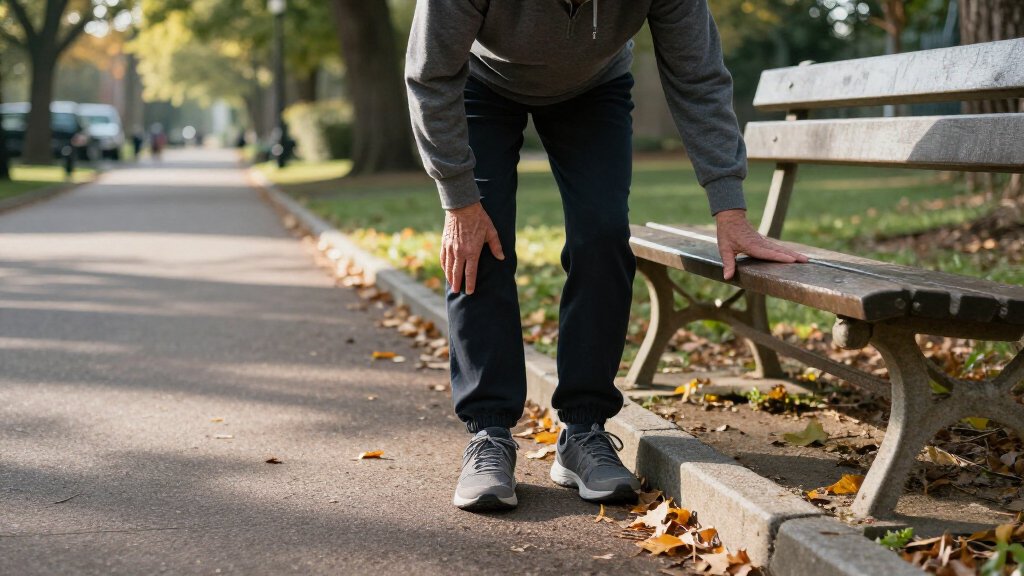
To perform it, stand with feet hip-width apart and knees slightly bent, with hands on the hips or beside the ears. Push the hips back and lower the torso while keeping the back flat and shoulder blades engaged. Stop when the torso is parallel to the floor or when a stretch is felt in the backs of the legs, then drive the hips forward to stand. The trainer advises keeping the knees slightly bent rather than straightening them.
A Brief Option After a Walk
The recommendation addresses a practical barrier: some walkers do not have time for a full-body cool-down. A single movement may be easier to fit into a routine than a longer sequence, and the article gives readers a clear, equipment-free option to try after a stroll.
Its scope should remain clear. Fit&Well reports a trainer’s advice, but the supplied material does not compare this stretch with other cool-downs or establish that a 60-second good morning prevents stiffness, improves recovery, or provides all the benefits of a longer routine. The significance is its simplicity, not proof that it is necessary or sufficient for every walker.
Products Worth Considering
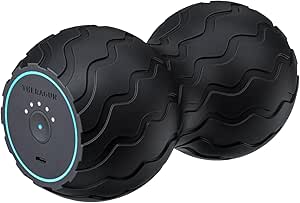
Therabody WaveDuo Contoured Vibrating Back and Neck Roller

Garmin Forerunner 970 GPS Running and Triathlon Smartwatch, 47mm, Carbon Gray DLC Titanium with Black/Whitestone Band

Withings BPM Connect Wi-Fi and Bluetooth Blood Pressure Monitor
As an affiliate, we earn on qualifying purchases.
Why the Trainer Chose a Hip Hinge
The article’s trainer recommends walking to personal-training clients as a form of low-impact cardio activity. The post-walk stretch is presented as a response to a recurring habit: clients often skip stretching when they cannot fit in a full-body routine.
A good morning involves bending from the hips rather than simply rounding the back. In the report’s instructions, the hips move behind the body as the torso lowers, then move forward to return to standing. This explains why the trainer associates the move with the backs of the legs and with hip movement. The source does not provide a research review, study results or a comparison with other exercises.
““Focus on pushing your hips behind you for best results.””
— Fit&Well’s exercise instructions, reflecting the trainer’s advice
Limits of the Stretch Advice
The supplied report does not name the trainer, provide a publication date, or cite studies supporting the claims about stiffness, joint mobility or the exercise’s effects. It is also not clear from the source whether the move suits every walker, including people with pain, injury or mobility limitations. The article does not say that the stretch replaces a full cool-down; it presents the movement as a practical suggestion when time is short.
Readers with health concerns or discomfort during movement should not treat this report as individualized medical advice. The source offers no modifications or guidance for people who find the exercise difficult.
How to Try the Movement Safely
The report provides no scheduled follow-up or new study. Its next step for readers is simply the exercise itself: try the movement slowly, keep a slight bend in the knees and stop at a comfortable stretch rather than forcing the torso down. The listed duration is 60 seconds, though the source does not specify whether that means one continuous hold or repeated movements.
Whether this brief option works for an individual walker depends on comfort and personal circumstances. Anyone experiencing pain or unsure whether the movement is appropriate can seek advice from a qualified health professional. The source does not announce further evidence or a broader exercise plan.
Key Questions
What stretch does the Fit&Well trainer recommend after walking?
The trainer recommends a bodyweight good morning, a standing movement in which the person bends forward from the hips and returns to standing.
How do you do a bodyweight good morning?
Stand with feet hip-width apart and knees slightly bent. Push the hips back while lowering the torso with a flat back, stop at a comfortable stretch, then move the hips forward to stand.
How long does the article say to do the stretch?
Fit&Well lists 60 seconds. The supplied instructions do not clarify whether that is one hold or several repetitions.
Does the stretch replace a full cool-down?
The article describes it as a simple option for people without time for a full routine. It does not establish that the movement provides the same effects as a complete cool-down.
Is the recommendation supported by a study in the report?
No study or research citation is included in the supplied material. The recommendation and statements about potential benefits are attributed to the personal trainer featured by Fit&Well.
Source: rss