
Choosing between in-home and mobile medical alert systems depends on your lifestyle and safety needs. In-home systems are best if you mostly stay at home, offering easy access with landline or Wi-Fi. Mobile devices suit active seniors who spend time outdoors, with GPS and cellular features for safety on the go. Each type helps maintain independence and quick emergency response, but understanding their differences will guide you to the right choice. Keep exploring to discover which system fits you best.
Key Takeaways
- In-home systems are ideal for seniors primarily at home, offering landline or Wi-Fi connectivity with features like fall detection.
- Mobile alert systems suit active seniors, providing GPS tracking and cellular connectivity for safety outside the house.
- Choice depends on daily routines, environment, mobility needs, and whether quick response or outdoor independence is prioritized.
- Mobile systems enhance outdoor activity and social engagement, while in-home systems focus on safety within the residence.
- Cost, connectivity reliability, and ease of use influence the best system option for individual safety and independence needs.
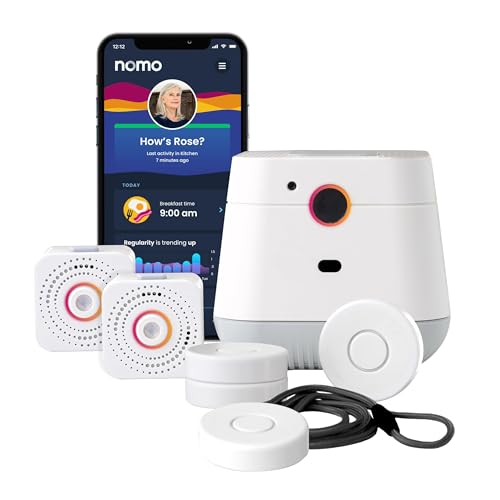
NOMO Smart Care Medical Alert System, Fall Detection for Seniors, WiFi in Home Monitoring Safety System, Emergency Call Button, Custom Fall Alert, Virtual Caregiver, 60-Day Trial, Monthly Subscription
- Complete In-Home Safety System: Includes Hub, Satellites, Tags, and App
- Secure WiFi Connection: No landline needed for protection
- Easy Plug-and-Play Setup: Quick installation without tools or technicians
As an affiliate, we earn on qualifying purchases.
As an affiliate, we earn on qualifying purchases.
In-Home vs. Mobile Medical Alert Systems: Which Is Right for You?
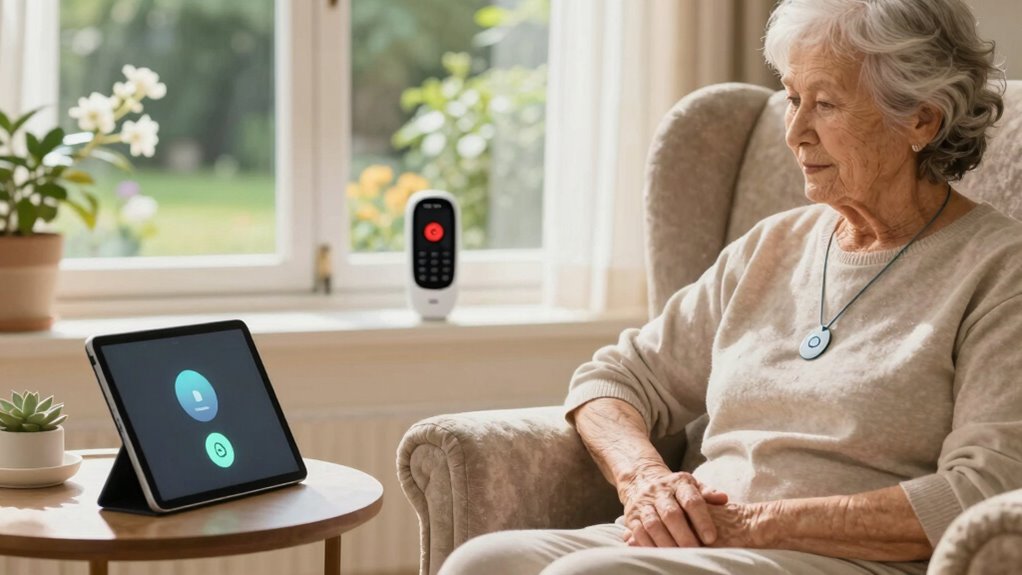
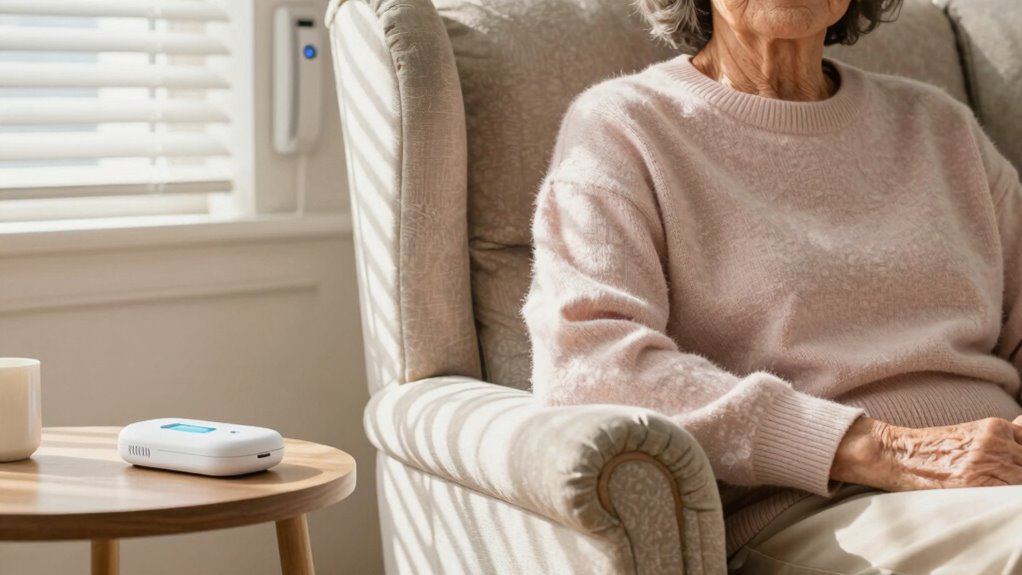
Choosing between in-home and mobile medical alert systems depends on your lifestyle and needs. If you spend most of your time at home, an in-home system offers seamless technology integration with landline or Wi-Fi connections, providing quick access to emergency protocols. These systems often include features like wall-mounted devices or pendants that automatically alert responders when needed. On the other hand, if you’re active outside your residence, a mobile system guarantees safety on the go, with GPS tracking and cellular connectivity. Consider how each system handles emergency protocols—some automatically detect falls, while others require manual activation. Your choice hinges on your daily routine and environment, ensuring you get reliable assistance exactly when and where you need it most. Incorporating Free Floating options can enhance flexibility and coverage for varied lifestyles, especially when understanding the parts of plant herbs can be useful for other health-related decisions. Additionally, understanding the power and speed capabilities of different systems can help tailor safety solutions to your activity level. Recognizing the coverage area of each system can also influence your decision, particularly if you frequently travel or spend time outdoors. Being aware of common system malfunctions can help you choose a more reliable option tailored to your needs.
How Do In-Home Medical Alert Systems Improve Safety and Independence?
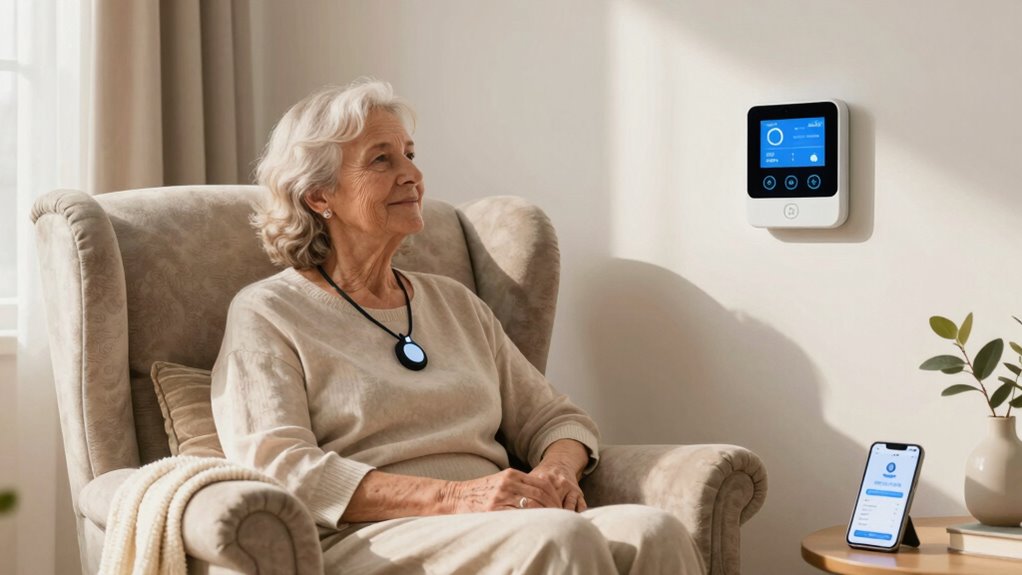
In-home medical alert systems greatly enhance safety and independence by providing immediate access to emergency assistance whenever you need it. They support emergency preparedness by offering quick response times during falls or health issues, reducing risks. Technology integration allows these systems to connect seamlessly with other devices, such as medical monitors or home automation. This integration helps you maintain control over your environment while staying safe. Here’s how they improve safety and independence:
| Feature | Benefit | Example |
|---|---|---|
| Emergency Response | Fast assistance during emergencies | Immediate help after a fall |
| Fall Detection | Alerts caregivers automatically | Reduces injury risk |
| Home Automation | Enhances safety and convenience | Locking doors remotely |
| Medical Monitoring | Keeps health data in check | Heart rate tracking |
Ensuring reliable connectivity is also essential for maintaining continuous safety and support. Additionally, ongoing advancements in technology continually improve the effectiveness of these systems, making them more reliable and user-friendly. Incorporating wireless communication capabilities further ensures that alerts are transmitted promptly, even in areas with weaker signals. A focus on connectivity reliability is crucial for optimal system performance, especially in environments where indoor air quality can impact sensor accuracy.
What Are the Benefits of Mobile Medical Alert Devices for Active Seniors?
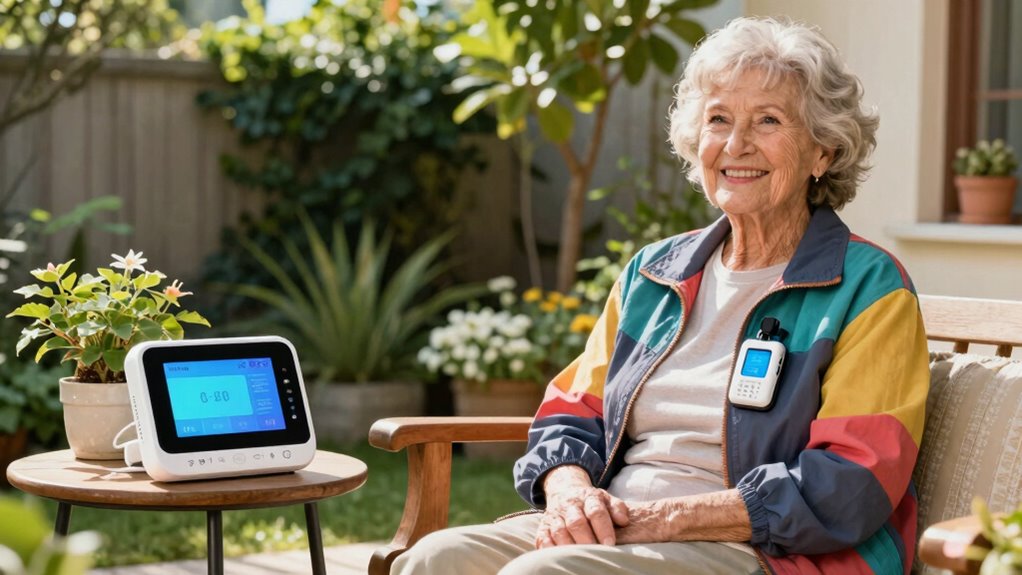
Mobile medical alert devices give you increased mobility and the freedom to go where you want without worry. They provide immediate emergency response, so help is always just a button press away. Plus, they boost your confidence outdoors, making it easier to stay active and independent. This sense of work-life harmony can positively impact overall well-being and reduce stress. Incorporating performance-enhancing features can further improve your experience by ensuring reliable connectivity and quick assistance when needed. Integrating wearable biosensors can also provide real-time health data, alerting you and caregivers to potential issues before they become emergencies. Additionally, understanding home soundproofing can help create a quieter, more comfortable environment that supports better sleep and relaxation, which is vital for maintaining elderly independence.
Enhanced Mobility and Freedom
For active seniors who enjoy staying on the move, mobile medical alert devices offer a significant boost in mobility and freedom. With these devices, you can go about your day confidently, knowing that remote monitoring keeps you connected to help if needed. You’re no longer confined to your home, allowing you to visit friends, run errands, or pursue outdoor activities without worry. The freedom to explore enhances your social engagement, helping you stay connected with loved ones and your community. These devices provide peace of mind, enabling you to maintain independence while still being protected. By removing barriers to movement, mobile alert systems empower you to live a more active, fulfilling lifestyle. Regular use of user-friendly technology ensures that seniors can operate their devices effectively, further supporting their independence. Understanding training concepts and gear fundamentals and safety practices can also help seniors feel more secure and confident in their environment. Incorporating emergency response protocols into daily routines can enhance the overall safety experience for active seniors. Additionally, being aware of home safety considerations can further reduce risks and support ongoing independence outside of mobile alerts.
Immediate Emergency Response
When an emergency occurs, every second counts, and mobile medical alert devices are designed to provide rapid assistance. They connect you instantly to emergency responders, ensuring help arrives quickly. This immediate response can be vital in situations like falls, sudden health issues, or accidents. Plus, many devices support medication management alerts, reminding you to take medications on time, which helps prevent emergencies caused by missed doses. These devices also promote social connectivity by enabling quick calls to loved ones or caregivers, reducing feelings of isolation. With mobile alert systems, you stay confident that support is always within reach, no matter where you are. This combination of rapid emergency response, medication management, and social connectivity makes mobile devices especially beneficial for active seniors who value independence.
Increased Confidence Outdoors
Active seniors often enjoy exploring the outdoors, but concerns about safety can hold them back. Mobile medical alert devices help remove that worry, allowing you to participate confidently in outdoor activities. Knowing you can quickly summon help if needed boosts your confidence, making outdoor adventures more enjoyable. These devices provide immediate access to emergency assistance, no matter where you are—whether walking in the park or hiking nearby trails. With increased confidence outdoors, you’re more likely to stay active, maintain independence, and enjoy your favorite activities without hesitation. Mobile alert systems empower you to explore the world around you while feeling secure, knowing help is just a button press away. This sense of security is key to embracing an active, adventurous lifestyle. Understanding the digital concepts behind these devices can also help you make more informed choices about your safety options.
Choosing the Best Medical Alert System for Your Lifestyle and Health Needs
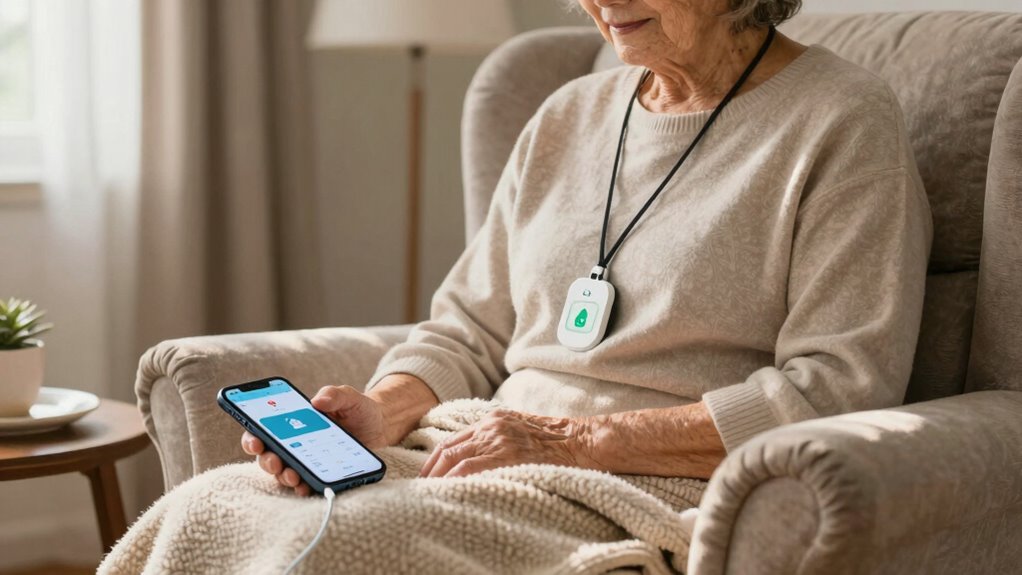
Choosing the right medical alert system depends on understanding your unique lifestyle and health needs. If you’re active and frequently outdoors, a mobile system with GPS and reliable technology integration is essential for safety and peace of mind. For those who mostly stay home, an in-home system with easy access to help and strong connectivity may be best. Consider how much family involvement you want; some systems offer remote monitoring options, allowing loved ones to stay informed and involved without being intrusive. Evaluate your health conditions—if you have mobility issues or require frequent assistance, prioritize systems with quick response times and all-inclusive features. Additionally, privacy policy can help you understand how your data is protected, which is especially important for health-related information. Understanding your emotional well-being and comfort level with technology can also influence your choice, ensuring you feel secure and supported. It’s also helpful to assess the technology features that each system offers to ensure they align with your comfort level and needs. Ultimately, selecting a system tailored to your daily routine and medical requirements helps ensure you receive timely support when needed.
Limitations and Considerations of In-Home and Mobile Medical Alert Systems
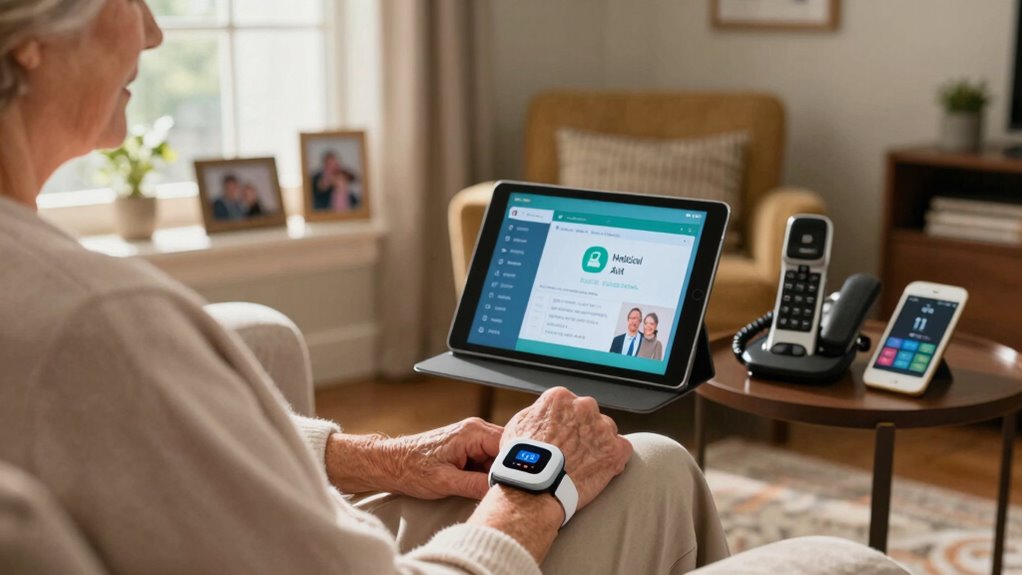
Both in-home and mobile medical alert systems have limitations you should consider. Connectivity issues and coverage gaps can prevent help from reaching you when needed. Additionally, costs and ongoing maintenance may impact your long-term use and affordability.
Connectivity and Coverage Limits
Connectivity and coverage are crucial factors to take into account when selecting a medical alert system, as they directly impact your safety and response times. The system’s network stability determines whether your device can maintain a reliable connection during emergencies. Poor signal strength in certain areas can cause dropped calls or delayed alerts, putting you at risk. In-home systems typically depend on your home’s internet or landline, which can be interrupted or unstable. Mobile systems rely on cellular networks, so coverage gaps in rural or remote areas may prevent alerts from reaching help promptly. Before choosing a system, consider your living environment and check coverage maps or network reviews to guarantee consistent connectivity. Reliable signal strength is essential for effective communication when you need it most.
Cost and Maintenance Factors
Cost and ongoing maintenance are key considerations when selecting a medical alert system, as they can substantially affect your long-term affordability and convenience. You need to plan your budget carefully, considering subscription costs and potential extra charges. In-home systems often require upfront equipment fees and possibly installation costs, while mobile systems usually have higher monthly fees but no installation. These expenses can add up, so it’s vital to weigh them against your budget.
- Feel confident knowing you’re making a responsible choice without financial surprises.
- Avoid feeling overwhelmed by unexpected costs that could strain your finances.
- Guarantee you’re investing in a system that offers peace of mind without breaking the bank.
Which Medical Alert System Best Supports Aging in Place?
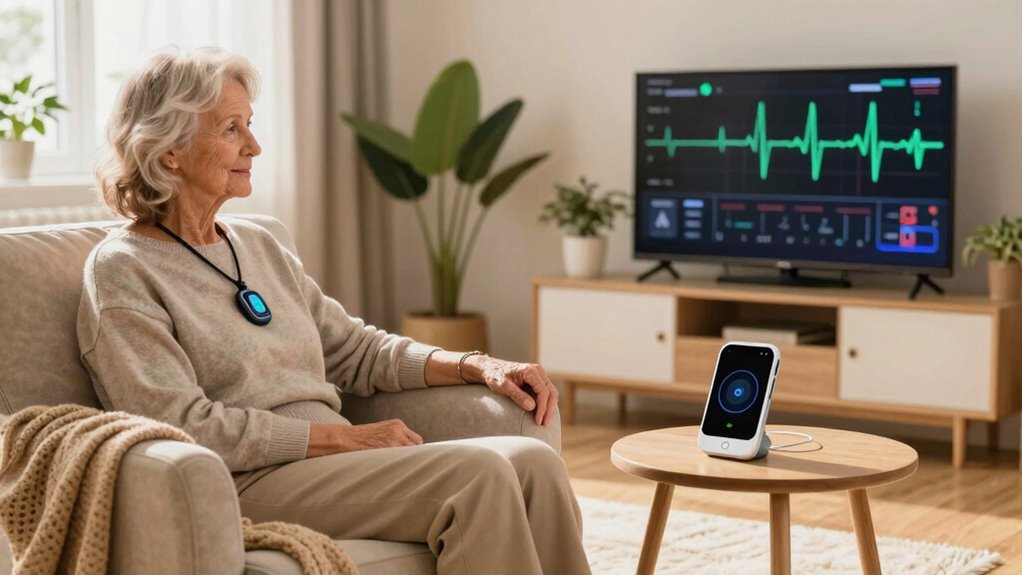
Choosing the right medical alert system is essential for supporting aging in place, as it guarantees you can get help quickly when needed. The best system offers seamless technology integration, ensuring devices communicate effortlessly and provide real-time updates. Look for options that support caregiver support, allowing family members or caregivers to monitor your status and respond swiftly in emergencies. In-home systems often have landline connectivity and fall detection features, making them reliable for daily use. Mobile systems add flexibility with GPS tracking and cellular connectivity, ideal if you’re frequently outside your home. Consider your lifestyle and needs, and opt for a system that combines ease of use with advanced features to promote independence and safety while aging comfortably in your familiar environment.
Frequently Asked Questions
What Are the Costs Associated With In-Home Versus Mobile Medical Alert Systems?
You’ll find that in-home medical alert systems often have lower initial costs, with flexible pricing options and durable equipment designed for long-term use. Mobile systems tend to be pricier upfront but offer more versatility, especially for active seniors. Monthly fees vary based on features like GPS or cellular connectivity. Consider equipment durability and your lifestyle needs to choose the best option, balancing affordability with reliable safety features.
How Reliable Is the Connectivity of Mobile Alert Devices Outside the Home?
Think of mobile alert devices as a bird soaring through the sky—they depend on strong cell signals to stay connected. When outside, cell signal reliability can vary, affecting emergency response speed. In areas with good coverage, your device will be a swift messenger, ensuring help arrives promptly. However, in areas with poor reception, connectivity may falter, making it essential to check coverage zones to keep your safety flying high.
Can These Systems Be Integrated With Other Smart Home Technologies?
Yes, many medical alert systems now offer smart home integration, allowing you to connect them with devices like smart locks, lights, and thermostats. However, you might face compatibility issues depending on the brand and technology standards. To guarantee smooth operation, check the system’s compatibility with your existing smart home setup before purchasing. This integration can enhance safety and convenience by automating alerts and responses seamlessly.
What Training Is Needed to Effectively Use Each Type of Alert System?
You’ll need training on the user interface to navigate the alert system confidently. For in-home systems, learn how to activate emergency protocols manually and understand device features. Mobile systems may require familiarization with buttons for quick assistance and GPS functions. Practice using the equipment regularly to guarantee quick response times during emergencies. Clear understanding of emergency protocols and interface operation helps you feel secure and independent with either system.
Are There Any Privacy Concerns With Monitoring Features in These Devices?
Yes, privacy concerns exist with monitoring features on these devices. You should guarantee data security measures are in place to protect personal information. It’s also essential to follow clear consent procedures, informing the elderly adult about what data is collected and how it’s used. By staying proactive about privacy, you help safeguard their personal details while still providing necessary safety features.
Conclusion
Ultimately, choosing between in-home and mobile medical alert systems depends on your lifestyle. While in-home devices offer reliable safety within your familiar space, mobile systems provide freedom to stay active outside, with continuous support. You’re not limited to one option; instead, you can combine both for thorough coverage. This way, you enjoy independence and peace of mind, knowing help is always within reach—whether at home or on the go.