To guarantee your smoke and carbon monoxide detectors work properly, test them monthly by pressing the test button until the alarm sounds. Replace batteries immediately if they don’t respond or when you hear a low-battery chirp. Replace the entire unit every 8-10 years and follow manufacturer instructions for installation and placement. Regular checks and proper maintenance help keep your home safe. Keep going to discover more tips for confident safety.
Key Takeaways
- Test detectors monthly by pressing the test button until alarm sounds to ensure proper functionality.
- Replace batteries immediately if the detector does not respond during testing or if low-battery chirps occur.
- Change entire smoke or CO detectors every 8-10 years, following manufacturer guidelines for safe operation.
- Use high-quality batteries, such as alkaline or lithium, and perform routine monthly checks for reliable alerts.
- Proper placement—on every level, outside sleeping areas, mounted high on walls or ceilings—maximizes detection and safety.
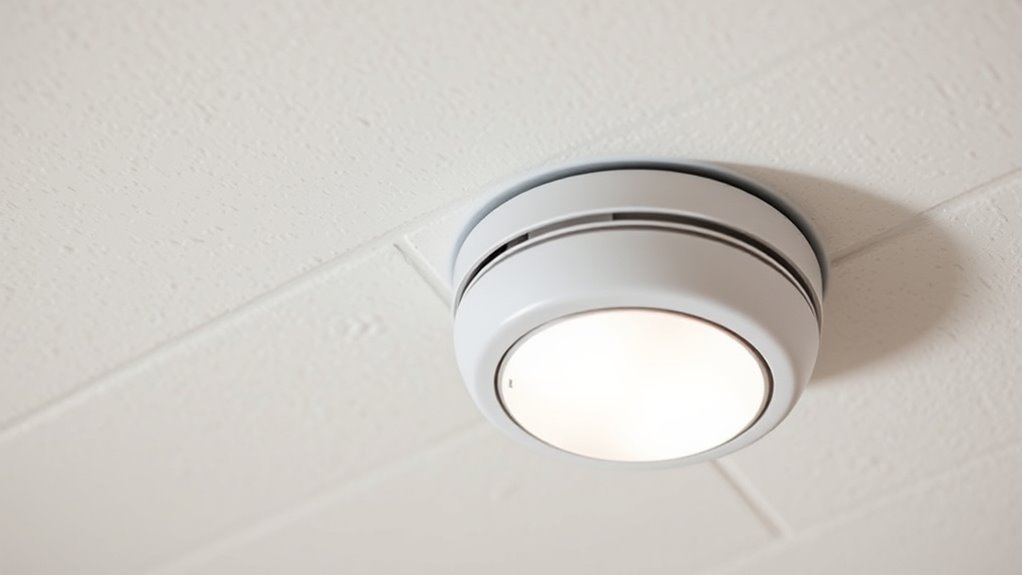
Smoke and carbon monoxide detectors are indispensable safety devices that can save lives by alerting you to dangerous fires and gas leaks early on. To guarantee they work effectively, you need to pay attention to battery maintenance and installation tips. Proper battery maintenance is critical because a detector’s ability to alert you depends on a dependable power source. You should check the batteries at least once a month and replace them at least once a year, or as soon as you hear the low-battery chirp. Using high-quality, fresh batteries, like alkaline or lithium, helps prevent false alarms and ensures the detector functions when needed. Never wait until the detector’s alarm goes off to change the batteries; make it a routine part of your home safety checks.
When it comes to installation tips, placement matters just as much as maintenance. Install smoke detectors on every level of your home, including the basement, and outside sleeping areas. For carbon monoxide detectors, position them near bedrooms and on every floor to guarantee early detection of gas leaks. Mount detectors on the ceiling or high on the wall, as smoke and gases rise. Keep them at least 10-15 feet away from cooking appliances to minimize false alarms. Avoid installing detectors in humid areas like bathrooms or near windows and vents, which can interfere with their sensors. Use the manufacturer’s instructions for mounting to guarantee they are securely attached and positioned correctly for maximum sensitivity. Proper placement also helps prevent the buildup of dust and debris that can impair sensor performance.
Regular testing is also essential. Test your detectors monthly by pressing the test button until you hear a loud alarm. This simple step confirms that the device’s circuitry and batteries are functioning properly. If the detector doesn’t respond during testing, replace the batteries immediately. When it’s time to replace the entire unit, usually every 8-10 years, follow the manufacturer’s guidelines for disposal and installation of a new detector. Remember, a well-maintained and correctly installed smoke or carbon monoxide detector can be the difference between life and death in emergencies. Staying proactive with battery maintenance and following installation tips guarantees these devices provide reliable alerts when you need them most. Keep your home safe by making these small but essential checks a routine part of your safety plan. Regularly checking air quality can also help identify potential hazards early and enhance your overall safety measures.
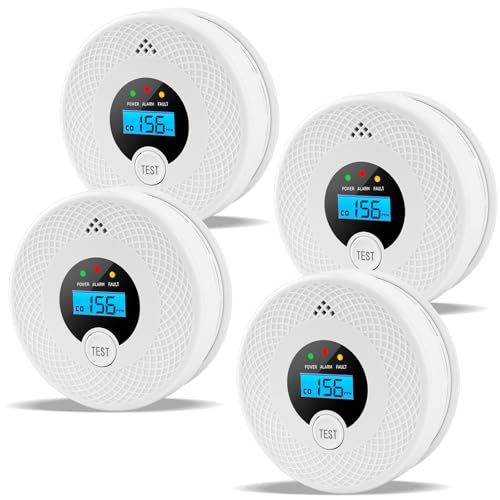
4 Pack Smoke and Carbon Monoxide Detector with Test Button, 85dB Loud Beep, LCD Display, Battery-Operated Smoke Detector Carbon Monoxide Detector Combo for House, Apartment, Kitchen, Garage Use
Equipped with advanced photoelectric and electrochemical sensors, this smoke and carbon monoxide detector responds swiftly to both slow-burning…
As an affiliate, we earn on qualifying purchases.
As an affiliate, we earn on qualifying purchases.
Frequently Asked Questions
How Often Should I Test My Detectors if I Live in a Small Apartment?
You should test your detectors monthly to guarantee apartment safety. Regular testing helps catch issues early and keeps you prepared. Even in a small apartment, remember that detector lifespan varies—usually around 8-10 years—so replace them as needed. Staying proactive with testing and knowing when to replace your detectors maintains a safe living environment, giving you peace of mind and protecting your space effectively.
Can I Install Smoke and CO Detectors Myself or Should I Hire a Professional?
You can definitely do a DIY installation of smoke and CO detectors if you’re comfortable with basic tools and following instructions. Many detectors come with easy-to-follow guides, making it straightforward to install yourself. However, if you’re unsure or want to guarantee everything’s done perfectly, hiring a professional inspection can offer peace of mind. Proper placement and installation are essential, so choose what’s best for your safety and confidence.
Are There Any Specific Maintenance Tips for Detectors in Humid Climates?
Imagine your detectors standing guard in a humid climate, where moisture can quietly cause trouble. To keep them in top shape, regularly check for signs of humidity issues and clean them gently with a soft cloth. Consider installing units with corrosion prevention features, and make certain they’re kept dry and free from dust. These simple steps help your detectors stay reliable, providing peace of mind even in the dampest environments.
What Are the Signs That a Detector’s Sensor Has Failed Prematurely?
If your detector’s sensor malfunctions, you’ll notice it either fails to alarm when needed or triggers false alarms unexpectedly. These signs indicate the sensor’s premature failure. You might also see it respond inconsistently or stop working altogether. Regular testing helps catch these issues early. When you detect sensor malfunction or false alarms, replace the unit promptly to guarantee your safety and proper detection of smoke or carbon monoxide.
How Do I Dispose of Old or Expired Smoke and CO Detectors Safely?
Think of old smoke and CO detectors as time capsules of safety, but they need proper disposal. You shouldn’t toss them in the trash, as they contain hazardous materials. Instead, opt for recycling options or proper disposal methods. Check local regulations or recycling centers that accept electronic waste. Proper disposal guarantees you protect the environment and stay compliant, turning your outdated devices into a responsible, eco-friendly act.

Amazon Basics 4-Pack 9V Long-Lasting Alkaline Batteries for Smoke Detector, Electronics & Audio, 5-Year Shelf Life
IN THE BOX: 4-pack of 9-volt alkaline batteries for reliable performance across a wide range of devices
As an affiliate, we earn on qualifying purchases.
As an affiliate, we earn on qualifying purchases.
Conclusion
Just like a lighthouse guides ships safely to shore, your detectors protect your loved ones from unseen dangers. Regular testing and timely replacement guarantee they’re always ready to alert you at a moment’s notice. Don’t wait for a warning sign—be proactive. Remember, safety isn’t just about devices; it’s about peace of mind. Keep your home a fortress of security, so when the unexpected strikes, you’re prepared to face it with confidence.

First Alert Smoke Alarm, 10-Year Sealed Battery Detector with Test & Silence Button, SMI110, 1-Pack
First Alert's Precision Detection advanced sensing technology complies with new industry standards to reduce cooking nuisance alarms and…
As an affiliate, we earn on qualifying purchases.
As an affiliate, we earn on qualifying purchases.
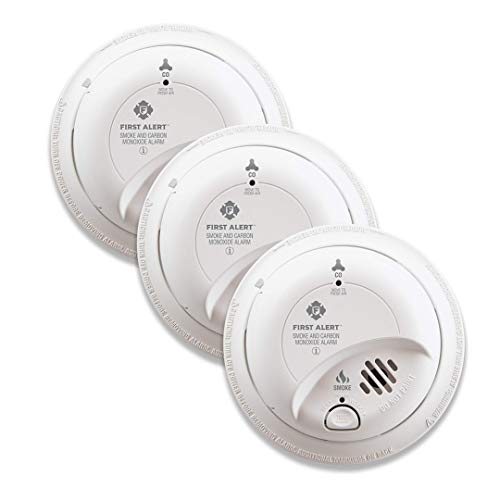
FIRST ALERT BRK SC9120B-3 Hardwired Smoke and Carbon Monoxide (CO) Detector with Battery Backup, White, Pack of 3
Keep your family safe with this 3-pack of hardwired smoke and carbon monoxide alarm; The battery backup means…
As an affiliate, we earn on qualifying purchases.
As an affiliate, we earn on qualifying purchases.