To keep your pantry safe and organized, regularly check expiration dates and practice rotation by using older items first. Understand labels like “best by” and “use by” to identify when foods are no longer safe to eat. Organize shelves with clear labels and create a system to monitor freshness. By staying on top of expiration checks and using efficient storage, you’ll waste less and ensure nutritious meals—more helpful tips await if you continue.
Key Takeaways
- Organize pantry items by category and use clear labels with purchase and expiration dates for easy identification.
- Implement the FIFO system by placing newer items behind older stock to prioritize older products.
- Regularly inspect pantry shelves weekly or biweekly to check for expired or spoiled items.
- Discard expired or spoiled goods promptly following safety guidelines, and clean storage areas afterward.
- Use digital or physical tracking tools to monitor expiration dates and set reminders for timely rotation.

SAVVY & SORTED Expiration Date Pantry Labels, 160 Waterproof Food Expiration Date Label for Containers, Kitchen Stickers for Food Freshness, Use by Meal Prep Labels, Best by Write On Labels
160 WHITE EXPIRATION STICKER LABEL – Part of Savvy & Sorted Minimalist Preprinted Spice & Pantry Labels Range
As an affiliate, we earn on qualifying purchases.
As an affiliate, we earn on qualifying purchases.
Understanding the Importance of Pantry Rotation
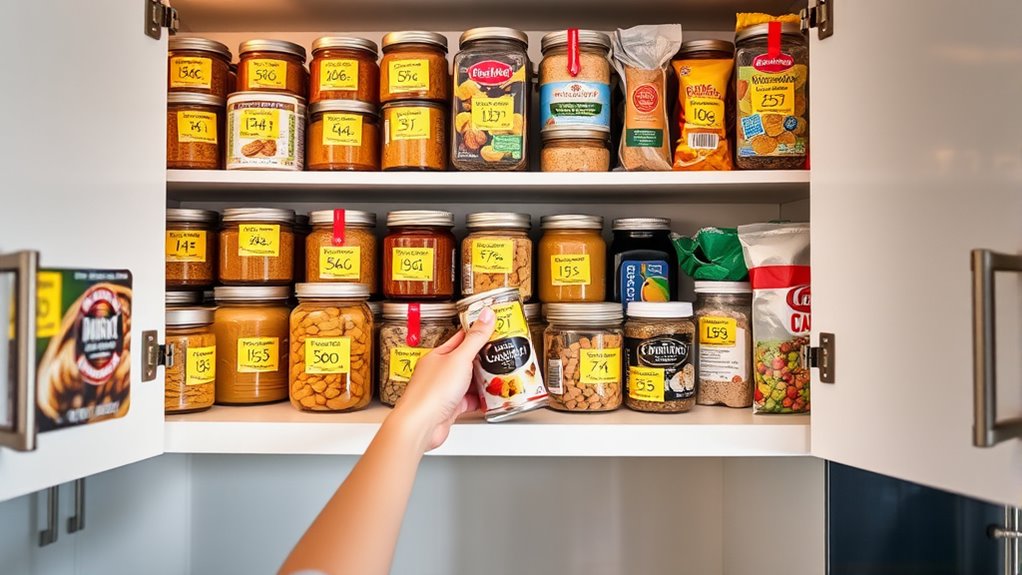
Have you ever wondered why pantry rotation is essential? Proper rotation helps maintain food safety by preventing spoilage and reducing the risk of foodborne illnesses. When you regularly check and move items, you ensure older products are used first, reducing waste and contamination. Additionally, rotation preserves the nutritional value of your food; fresh items retain more vitamins and minerals than those stored too long. Implementing a systematic organization system in your pantry can make rotation easier and more effective. By organizing your pantry with a rotation system, you minimize the chance of consuming expired or compromised foods, safeguarding your health. It’s a simple step that promotes better hygiene and keeps your pantry efficient. Overall, understanding the importance of pantry rotation helps you enjoy safe, nutritious meals while reducing waste and saving money.

iSPECLE Expandable Can Organizer for Pantry, Large Capacity 60 Cans Can Storage Organizer Pantry Rack, Auto Rolling Dispenser & Stackable Metal Wire Holder for Deep Pantry Shelves, Black
Expandable for Deep Shelves: Designed as a fully expandable can organizer, this rack adjusts from 17.9" to 29.9"….
As an affiliate, we earn on qualifying purchases.
As an affiliate, we earn on qualifying purchases.
Recognizing Common Expiration Labels and Dates
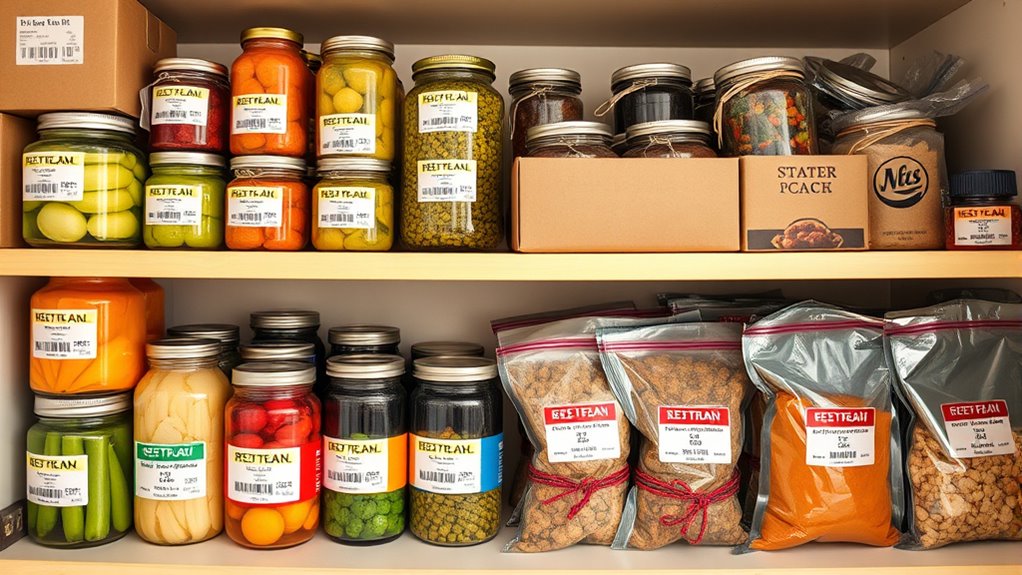
Understanding how to recognize common expiration labels and dates is key to maintaining a safe and organized pantry. Expiration date formats vary, including terms like “best by,” “use by,” and “sell by,” each indicating different guidance. Familiarize yourself with these formats to assess food freshness accurately. Additionally, look for common labeling symbols such as open jar symbols for shelf life after opening or recycling symbols that may include date codes. Some packages have printed dates, while others use stamped or embossed markings. Recognizing these labels and symbols helps you identify expired or nearing-expiration items quickly. By understanding the meaning behind these labels, you can prevent food waste, ensure safety, and maintain an efficient pantry rotation system. Being aware of date coding systems used by manufacturers can further improve your ability to interpret expiration information effectively.
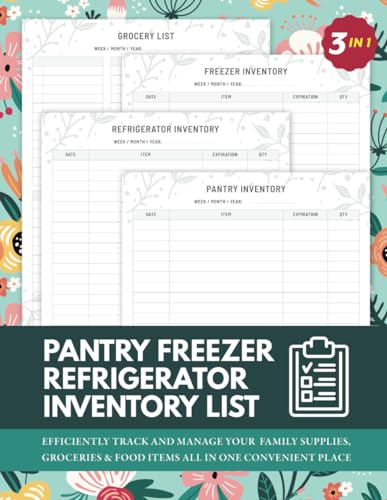
3 In 1 Pantry Freezer Refrigerator Inventory List: Simple Inventory Log Book To Keep Record of Grocery & Food Items, Quantity and Expiration Date
As an affiliate, we earn on qualifying purchases.
As an affiliate, we earn on qualifying purchases.
Organizing Your Pantry for Easy Access and Inspection
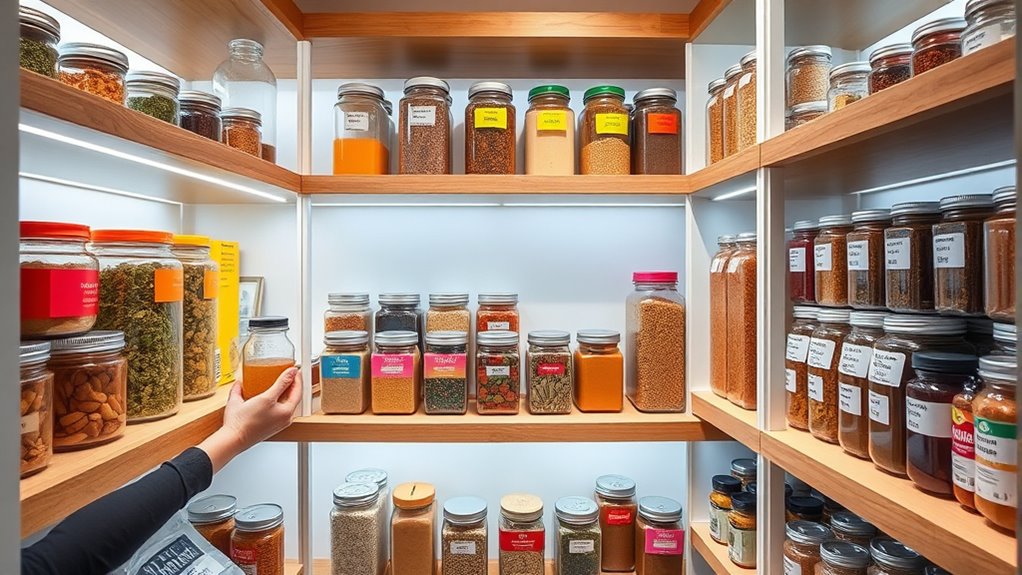
To keep your pantry organized for quick inspections, start by categorizing your food items so everything has a designated spot. Store frequently used items at eye level for easy access, saving you time and effort. A well-structured pantry makes it simpler to see what you have and spot expired products before they become a problem. Incorporating grocery savings strategies can help you manage your pantry more efficiently and reduce waste over time.
Categorize Food Items
Organizing your pantry begins with categorizing food items into logical groups. This makes food storage more efficient and simplifies your inspection process. Group similar items together, such as grains, canned goods, snacks, and baking supplies. Use clear containers for items like flour and sugar, which also helps with food storage and keeps them fresh. Implement labeling techniques to identify contents and expiration dates easily, preventing forgotten or expired items. Label each container and shelf clearly, so you can quickly find what you need and know when to use or replace items. Proper categorization not only streamlines access but also reduces clutter, making your pantry more functional. Additionally, understanding the importance of expiration checks can help prevent food waste and ensure safety. With everything organized by category, tracking expiration dates and maintaining freshness becomes straightforward.
Store at Eye Level
Placing frequently used items at eye level guarantees you can quickly see and access them without rummaging through your pantry. This simple step streamlines your cooking techniques and makes grocery shopping more efficient. When you organize your shelves this way, it’s easier to spot ingredients you need regularly, reducing the risk of forgetting about items that could expire. Store staples like spices, oils, and snacks at eye level for quick retrieval. Less-used items can go on higher or lower shelves. Consistent placement minimizes clutter and saves time during meal prep. Plus, it encourages regular inspections of your pantry, making expiration checks straightforward. Being aware of expiration signs helps you identify spoiled items before use. By maintaining this organized system, you’ll keep your pantry tidy, prevent waste, and simplify your overall grocery shopping experience.

Talented Kitchen Labels for Food Containers – 135 Count, Preprinted Black Cursive on Clear Backing, Water-Resistant – Pantry & Kitchen Storage Labels for Jars & Bins – Easy Peel & Stick
Elegant Organization: Transform your kitchen with Talented Kitchen's black cursive pantry labels. This comprehensive set of 135 labels…
As an affiliate, we earn on qualifying purchases.
As an affiliate, we earn on qualifying purchases.
Implementing the First-In, First-Out (FIFO) System
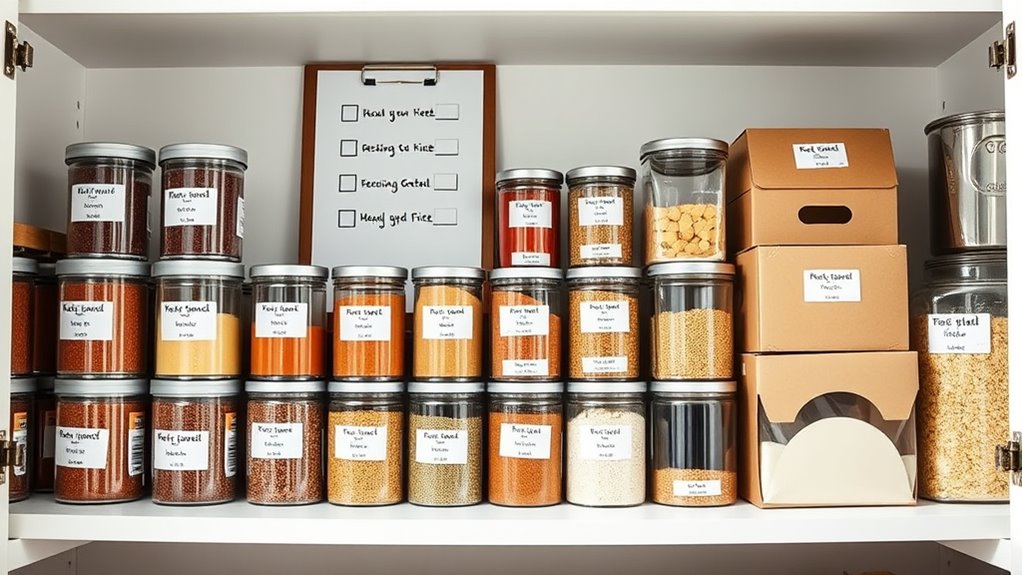
Implementing the First-In, First-Out (FIFO) system helps you guarantee that older items are used before newer ones, reducing waste and maintaining freshness. This approach is essential for food safety, as it minimizes the risk of consuming expired or spoiled products. To effectively execute FIFO, place newly purchased items behind older stock so that the oldest items are always at the front and easiest to access. Labeling shelves or containers with dates supports clear stock rotation, ensuring you’re consistently using food in order of arrival. Regularly review your pantry to confirm that items are properly rotated, preventing unnecessary spoilage. Incorporating wall organization systems can further enhance your pantry’s efficiency by creating designated spaces for different food categories. By applying FIFO principles, you keep your pantry organized, promote food safety, and make the most of your supplies.
Regularly Checking and Auditing Your Pantry Items

To keep your pantry organized and safe, you should schedule regular inspections to spot expired or spoiled items. Efficient organization makes it easier to track expiration dates and maintain inventory. By staying on top of these checks, you’ll prevent waste and guarantee your pantry remains reliable. Incorporating safety guidelines ensures your storage practices meet essential standards.
Schedule Routine Inspections
Scheduling regular inspections of your pantry guarantees that you catch expired or spoiled items before they become a problem. By routinely checking your food storage, you maintain pantry safety and prevent potential health hazards. Set a schedule—monthly or biweekly—to review all items, focusing on expiration dates and signs of spoilage. This habit helps you identify items that need to be used or discarded, reducing waste and ensuring your pantry remains organized. Keeping track of what’s in stock also makes shopping more efficient, as you know what needs replenishing. Consistent inspections promote a proactive approach to pantry management, making sure your food storage stays safe and reliable. Incorporating proper storage techniques into your routine can further extend the shelf life of your pantry items. With regular checks, you’ll save money, prevent foodborne illnesses, and keep your pantry stocked with fresh, safe items.
Organize Pantry Efficiently
Regularly checking and auditing your pantry guarantees that everything remains organized and easily accessible. Start by tidying up snack organization, grouping similar items together and discarding outdated packages. This prevents clutter and makes snacks easier to find. Also, pay attention to spice storage—store spices in a cool, dry place away from sunlight to preserve flavor and prevent spoilage. Consider using clear containers or labeled jars to keep spices visible and organized. Regular audits help you identify items you no longer need or that are nearing expiration, reducing waste. Maintaining a system that works for you, such as tiered shelves or baskets, to streamline access. Staying consistent with these practices ensures your pantry remains tidy, efficient, and ready for meal prep. Additionally, keep in mind that expiration dates can vary, so regularly inspecting items helps ensure food safety and quality.
Track Expiration Dates
Keeping your pantry organized isn’t enough; you also need to stay on top of expiration dates. Regularly checking expiration labels helps you identify which items are approaching or have passed their freshness window. Implement a simple system for date tracking—mark the date when you buy or open items. This way, you can rotate older products to the front and use them first, reducing waste. Make it a habit to review your pantry weekly or biweekly, noting any items nearing their expiration. If an item is expired or about to expire, decide whether to use it soon or discard it. Staying diligent with expiration labels and date tracking ensures your pantry remains safe, efficient, and clutter-free. Incorporating proper food storage techniques can further extend the freshness of your pantry items.
Properly Disposing of Expired or Spoiled Goods
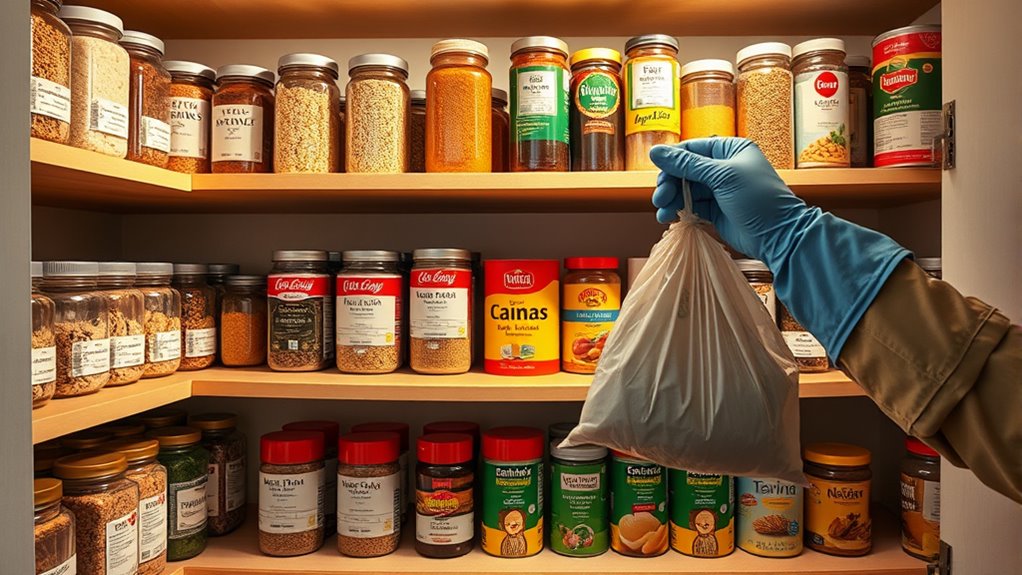
Properly disposing of expired or spoiled goods is essential to maintaining a safe and organized pantry. When discarding items, you need to take into account hazardous waste regulations, especially for chemicals, cleaning supplies, or spoiled perishable products. Improper disposal could harm the environment or pose health risks. Check local guidelines for hazardous waste and follow proper procedures for disposal. If the product is still safe and unopened, think about donation guidelines; however, spoiled or expired items should never be donated. Instead, seal them securely in a bag and dispose of them in your regular trash. Always clean the area afterward to prevent contamination or odors. Proper disposal not only keeps your pantry safe but also ensures you’re following environmental and safety standards.
Tips for Using Near-Expiration Products Before They Go Bad
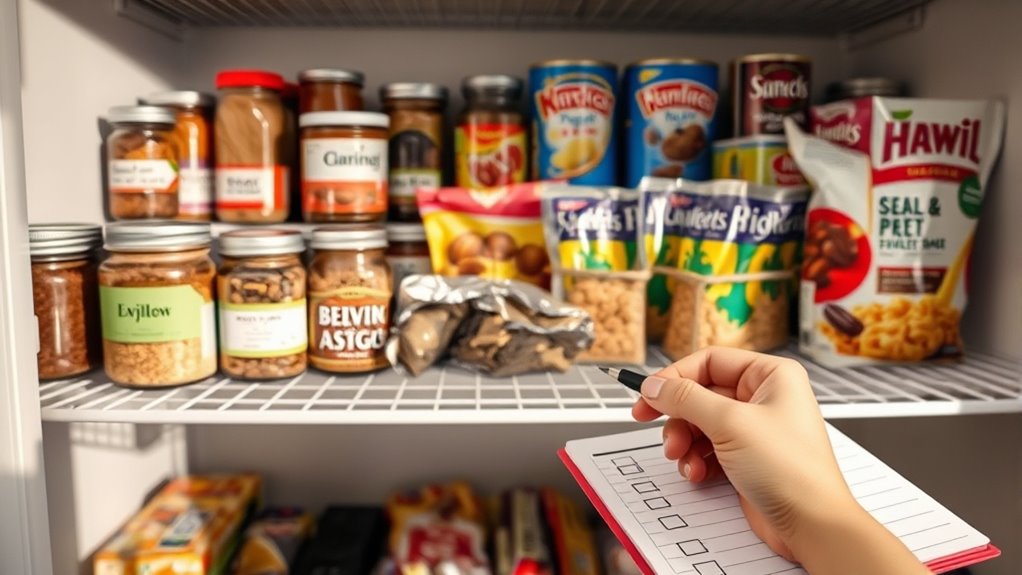
When you notice that some of your pantry items are nearing their expiration date, it’s a great opportunity to get creative and prevent waste. Incorporate near-expiration products into your meal prep to maximize their use. Plan dishes that highlight these ingredients, like soups, casseroles, or smoothies, before they spoil. Proper food storage guarantees these items stay fresh longer, giving you more time to use them. Use this table to prioritize items based on perishability:
| High Priority | Medium Priority | Low Priority |
|---|---|---|
| Dairy, fresh produce | Canned goods | Dried pasta, rice |
| Perishables | Condiments | Baking supplies |
| Items with imminent date | Items with a bit longer shelf life | Long-term storage items |
This approach reduces waste and streamlines your food management.
Maintaining a Pantry Inventory for Better Management
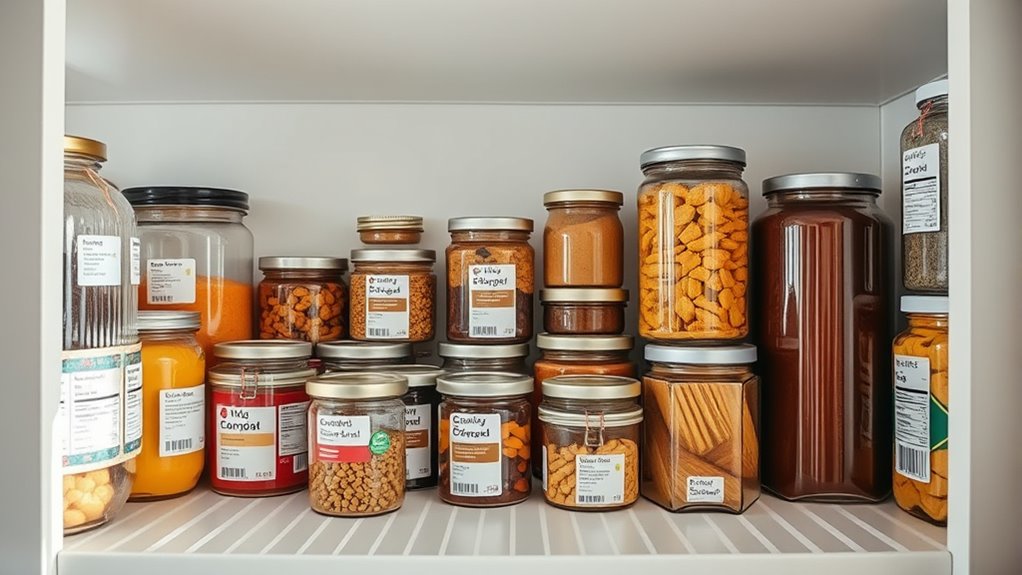
Organizing your pantry inventory helps guarantee you know what supplies you have on hand and can plan meals more efficiently. Keeping track of items like canned goods and snack storage ensures you’re never caught off guard. Start by categorizing your items: place all canned goods together, so you see what’s available at a glance. Use clear containers or bins for snacks, making it easy to access and monitor quantities. Regularly update your inventory list to reflect new purchases or used items. Visual cues like stacking cans neatly or grouping snacks by type help prevent overbuying. This system simplifies rotation, reduces waste, and saves you time when shopping or meal planning. A well-maintained inventory keeps your pantry organized and guarantees you always know what’s available.
Simple Tools and Products to Help You Track Expiration Dates
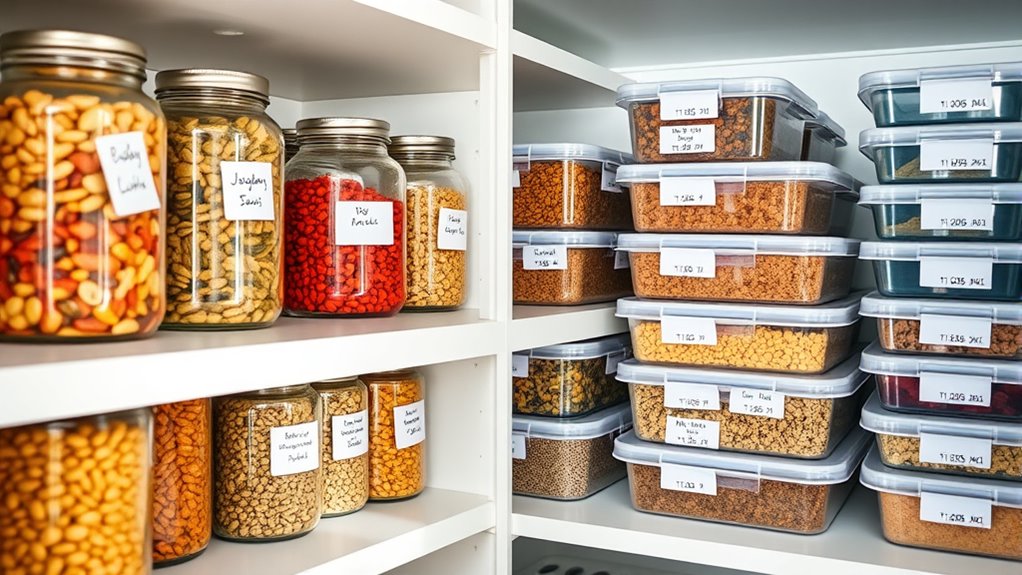
Using simple tools and products can make tracking expiration dates much easier and more efficient. Digital trackers are a great way to stay organized; they allow you to log items and receive reminders before products expire. These apps often sync across devices, so you can check your pantry status anytime. Expiration labels are another helpful tool; you can write dates directly on containers or packaging, making it easy to identify which items need to be used first. Clear, visible labels reduce the risk of overlooking expired food. Combining digital trackers with physical expiration labels offers a thorough system to keep your pantry fresh and safe. These tools save time, prevent waste, and help you maintain better control over your food inventory.
Frequently Asked Questions
How Often Should I Perform a Full Pantry Expiration Check?
You should perform a full pantry expiration check at least every three to six months. Following an expiration schedule helps you stay on top of perishable items and avoid waste. During your pantry inspection, discard expired foods and reorganize items to make sure older products are used first. Regular checks keep your pantry organized, safe, and ready for meal prep, saving you time and money in the long run.
What Are the Best Methods to Prevent Pantry Pests?
To prevent pantry pests, you should store food in airtight, pest-resistant packaging and use sturdy storage containers. Keep your pantry clean by regularly wiping shelves and promptly discarding spoiled items. Avoid leaving food out in open containers, and inspect new purchases before storing. Consider adding natural repellents like bay leaves or dried herbs. These steps create an inhospitable environment for pests and keep your pantry pest-free.
Can I Reuse or Repurpose Expired Pantry Items?
You can often reuse or repurpose expired pantry items with some food preservation tips and DIY pantry hacks. For example, expired spices can be dried and ground into new blends, while overripe fruits make great smoothies or jams. Always check for mold or off smells first. Get creative with your food preservation tips, like making bread crumbs or composting, instead of throwing away items that have passed their expiration date.
How Do I Handle Recalled or Contaminated Food Products?
When you encounter a food recall or suspect contamination, it’s best to act swiftly. Follow food recall procedures by removing the product from your pantry and placing it in a designated disposal bin. For contaminated food disposal, make sure you double-bag the items to prevent further risk. Always wash your hands thoroughly afterward and consult official guidance to stay safe, preventing any accidental consumption of compromised products.
What Are Affordable Tools to Automate Pantry Expiration Tracking?
You can use affordable digital scanners and smartphone apps to automate pantry expiration tracking easily. Digital scanners let you quickly scan barcodes of food items, storing expiration dates automatically. Smartphone apps are user-friendly and often free or inexpensive, allowing you to set reminders for expiration dates, organize your pantry, and receive alerts when items are nearing expiry. These tools save time, reduce waste, and help you keep your pantry well-organized efficiently.
Conclusion
By staying vigilant with your pantry rotation and expiration checks, you’ll naturally develop better habits that save money and reduce waste. Sometimes, a simple glance can reveal forgotten treasures or urgent needs, reminding you that careful management is a quiet act of care—for yourself and the environment. In the end, a well-maintained pantry isn’t just about food; it’s about nurturing mindful choices that ripple into your everyday life.