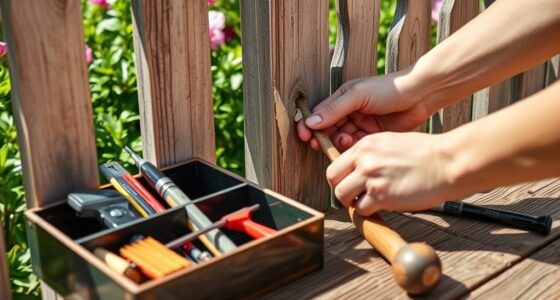
To keep your home safe and comfortable, follow a monthly maintenance routine focused on essential areas. Check smoke and carbon monoxide detectors, test GFCI outlets, and inspect heating and cooling systems, replacing filters as needed. Seal drafts around windows and doors, examine for pests, and make sure your emergency supplies are up to date. Also, review stairways, handrails, and clear clutter for safety. Keeping up with these tasks helps protect your home—more tips await if you explore further.

Turn quiet afternoons into listening time
- Thousands of audiobooks, podcasts and originals
- Listen on your phone, tablet or Echo — also offline
- Cancel anytime
Key Takeaways
- Regularly test smoke and carbon monoxide detectors, replace batteries, and ensure devices are clean and within expiration dates.
- Inspect and replace HVAC filters monthly, and schedule biannual professional maintenance for heating and cooling systems.
- Check windows and doors for drafts, seal gaps, and improve insulation to enhance energy efficiency and safety.
- Clean gutters, inspect plumbing for leaks, and repair structural elements like stairs and handrails to prevent hazards.
- Keep emergency supplies accessible, clear clutter from exits, and ensure lighting and safety devices are functional.
Products Worth Considering

Levoit Vital 100S-P Air Purifier with Washable Pre-Filter

Levoit Core 400S-P Smart Air Purifier for Large Rooms

LEVOIT Vital 200S-P Smart Air Purifier for Large Rooms
As an affiliate, we earn on qualifying purchases.
Check Smoke and Carbon Monoxide Detectors
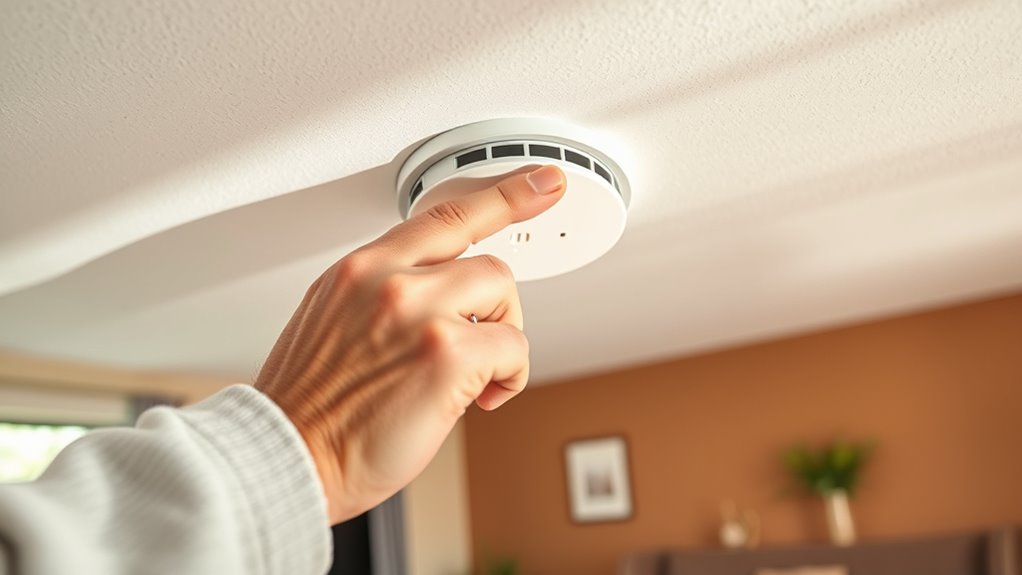
It’s important to regularly check your smoke and carbon monoxide detectors to guarantee they’re working properly. Proper detector maintenance is essential for fire safety and peace of mind. Start by pressing the test button on each detector; if it doesn’t sound the alarm, replace the batteries immediately. Check the expiration date—most detectors need replacing every 8-10 years. Keep the sensors clean by gently dusting or vacuuming around them to prevent dust buildup that can impair function. Ensure the detectors are installed in key areas like the kitchen, bedrooms, and hallways. Regular maintenance ensures your detectors will alert you promptly in an emergency, helping keep you safe. Remember, well-maintained detectors are your first line of defense against fire and carbon monoxide hazards. Incorporating detector testing into your routine can further enhance your safety measures.
Inspect Heating and Cooling Systems
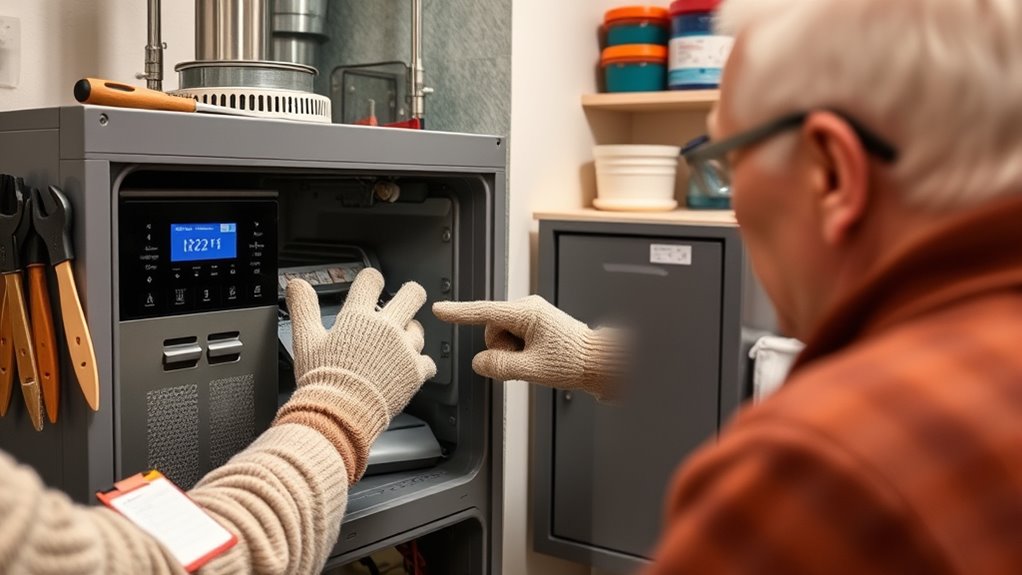
Make sure to check your air filters regularly to keep your heating and cooling systems running efficiently. Replacing dirty filters can improve air quality and reduce energy costs. Additionally, scheduling professional maintenance twice a year helps catch potential issues before they become major problems.
Check Air Filters Regularly
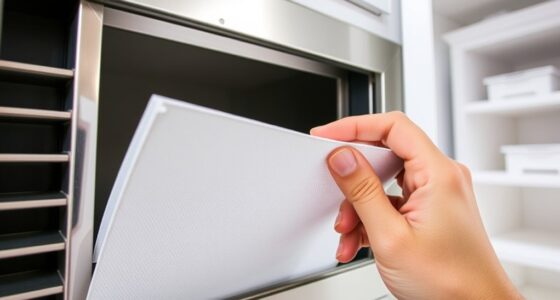
Regularly checking your air filters guarantees your heating and cooling systems run efficiently and helps maintain good indoor air quality. Dirty filters block airflow, reducing air circulation and forcing your system to work harder, which can shorten their lifespan. Aim to inspect filters every month, especially during peak seasons. If filters look dusty or clogged, replace them promptly. Using the right filters improves system efficiency and air quality. Here’s a quick guide:
| Filter Condition | Action Needed |
|---|---|
| Clean and clear | Keep in place |
| Slight dusting | Check again next month |
| Very dirty | Replace immediately |
| Old filters | Replace regularly |
| Filters with debris | Replace promptly |
Staying on top of filter maintenance helps save energy and ensures your system operates smoothly. Additionally, understanding quality assessment of filters can help you select the most effective options for your home.
Schedule Professional Maintenance
Scheduling professional maintenance for your heating and cooling systems guarantees they operate efficiently and safely throughout the year. Regular inspections help prevent costly repairs and ensure peak comfort. When you arrange for a licensed technician, consider these key tasks:
- Check and clean ductwork to improve air quality and system efficiency.
- Inspect thermostats for accuracy, reducing energy costs.
- Test safety controls to ensure safe operation, which can impact your home insurance coverage.
- Review system performance to identify potential issues that could affect property taxes or home value.
Additionally, having a technician perform a system diagnostic can help detect underlying problems early and extend the lifespan of your HVAC equipment.
Clean or Replace Air Filters

Clean or replace your air filters regularly to maintain good indoor air quality. If you notice dust buildup, musty odors, or your heating and cooling seem less effective, it’s time for a change. Typically, filters should be replaced every 1 to 3 months to keep your home healthy and comfortable. Proper communication during filter replacement can ensure you address issues promptly and maintain a healthy environment.
Importance of Air Quality
Since air filters directly impact the quality of the air you breathe, maintaining them clean or replacing them regularly is essential. Clean filters ensure better airflow and reduce allergens, benefiting your overall health. To improve indoor air quality further, consider adding indoor plants, which naturally filter toxins. When selecting an air purifier, look for models with HEPA filters to capture tiny particles effectively. Regularly checking and updating your air filters can prevent dust buildup and improve the efficiency of your heating and cooling system. Additionally, avoid blocking vents and keep your home well-ventilated for maximum air quality. Proper placement of your air purifier is also key to maximizing its effectiveness. Remember, good air quality helps reduce respiratory issues and promotes a healthier living environment. Prioritizing these steps keeps your home fresh and safe.
Signs of Dirty Filters
How can you tell if your air filter is dirty? Look for reduced airflow, increased dust, or musty odors, which indicate decreased cleanliness. A noticeably dirty filter can strain your HVAC system and lower indoor air quality. Check the filter monthly; if it appears gray, clogged, or covered in debris, it’s time to clean or replace it. Regular inspections help maintain optimal air quality and system performance.
Replacement Tips and Timing
Knowing when to replace your air filter is essential for maintaining indoor air quality and system efficiency. Regularly check your home appliance and replace filters at appropriate times to keep your HVAC running smoothly. Seasonal timing is key: during high-use months, such as winter and summer, filters clog faster. Here are some tips:
- Replace every 1-3 months or sooner if visibly dirty.
- Consider the manufacturer’s recommendations for your specific filter.
- Inspect filters monthly, especially during seasonal changes.
- Use high-efficiency filters if you have allergies or respiratory issues.
Sticking to these guidelines ensures your system remains effective, saving energy and improving air quality. Proper timing prevents strain on your home appliance and keeps your living environment healthier year-round.
Test GFCI Outlets and Circuit Breakers
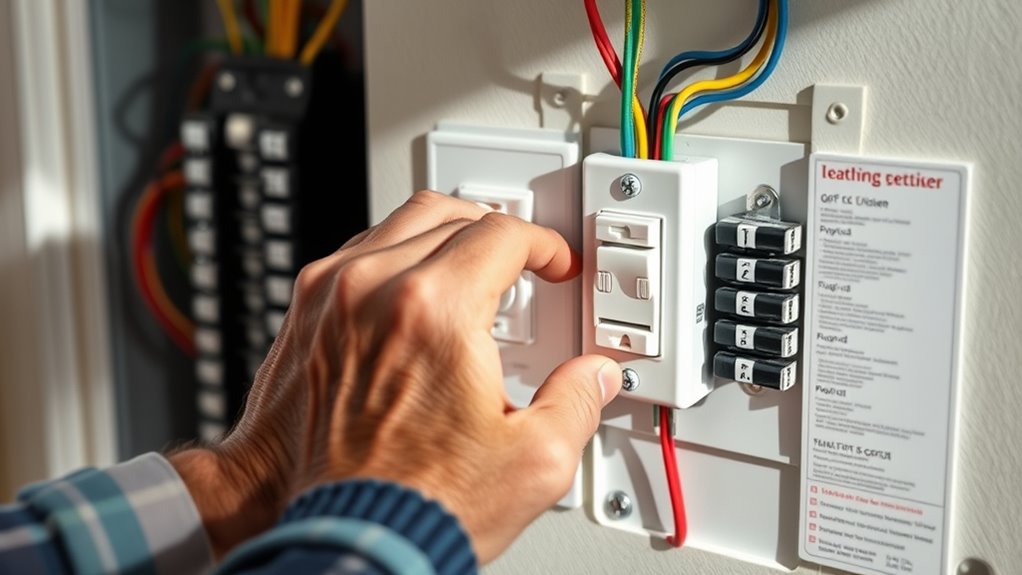
Regularly testing your GFCI outlets and circuit breakers is essential for maintaining home safety. These devices protect you from ground fault hazards that could cause electric shocks or fires. To test your GFCIs, press the “test” button; if it trips, press “reset” to restore power. For circuit breakers, switch them off and on again to ensure proper operation. Keep an eye on labels indicating which circuits protect sensitive areas like bathrooms and kitchens. Here’s a quick visual:
| GFCI Outlet | Circuit Breaker |
|---|---|
| Protects against ground faults | Prevents overloads |
| Located in bathrooms | Found in main panel |
| Test button | Off/On switch |
| Reset button | Reset to restore power |
| Ensures circuit safety | Maintains home safety |
Additionally, understanding industry trends can help you stay informed about new safety devices and recommended maintenance practices.
Examine and Seal Windows and Doors for Drafts
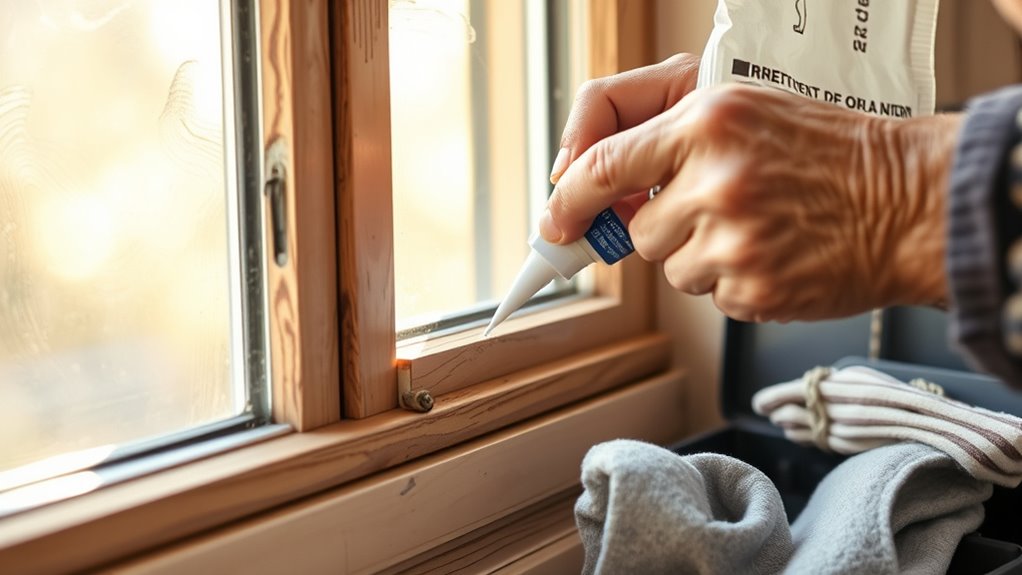
After testing your GFCI outlets and circuit breakers, it’s wise to inspect your windows and doors for drafts. Proper window insulation is key to maintaining a comfortable home and preventing energy loss. To enhance draft prevention, follow these steps:
- Check around window frames and door edges for gaps or cracks.
- Use weatherstripping or caulk to seal leaks effectively.
- Consider adding draft stoppers or door sweeps to block cold air.
- Test with a candle or tissue to identify unseen drafts and address them promptly.
- Incorporate vertical storage solutions and multi-functional furniture to optimize space and reduce clutter, which can also contribute to better insulation and energy efficiency.
Sealing these gaps improves insulation, reduces heating costs, and keeps your home cozy. Regularly examining and sealing your windows and doors guarantees draft prevention and adds to your overall home safety.
Review and Clear Clutter From Emergency Exits
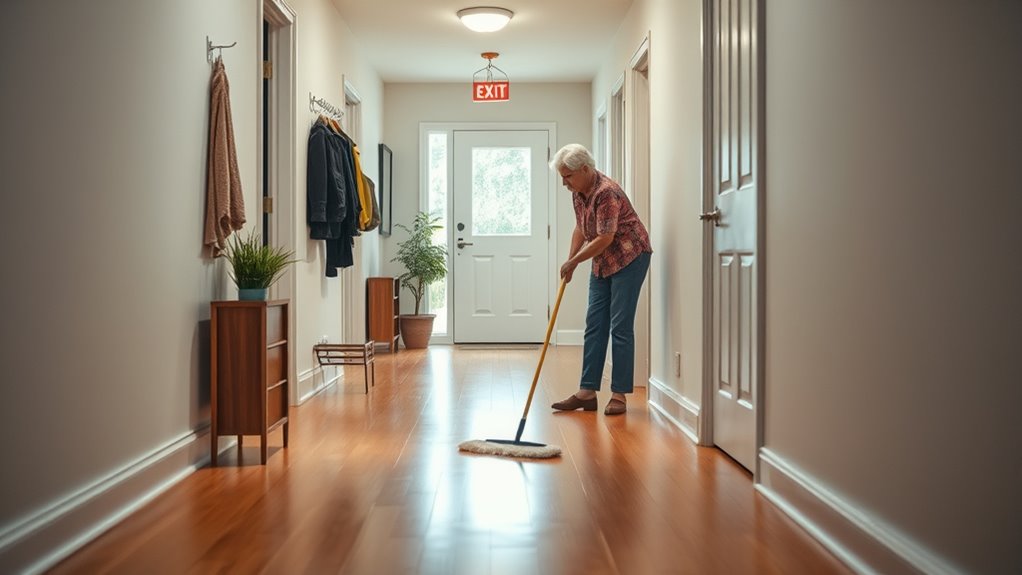
Make sure your emergency exits are free of clutter and easy to access. Check that your escape routes aren’t blocked by furniture or other items. Clearing obstructions now can save precious time if you ever need to evacuate quickly. Incorporating practical exercises to identify potential hazards can further enhance your home safety.
Check Exit Routes
Ensuring your emergency exit routes are clear and accessible is crucial for your safety. Regularly check your evacuation routes to make sure safety pathways are free of obstructions. This guarantees you can evacuate quickly during an emergency. Additionally, familiarizing yourself with the location of your nearest exits can save valuable time in an emergency layout and design. Here are four key steps:
- Inspect all exits to ensure doors open easily without resistance.
- Remove any furniture, rugs, or objects blocking doorways and hallways.
- Verify that lighting along evacuation routes is functional and bright enough.
- Keep emergency equipment, like flashlights, nearby and accessible along these routes.
Remove Obstructions
Clearing clutter from your emergency exits is a crucial step in maintaining a safe and quick escape route. Make certain pathways are free of garden weeds and other obstructions that could cause trips or delays. Regularly check your doors, windows, and exits to guarantee nothing blocks key escape points. Remove any debris, fallen leaves, or overgrown plants near doorways that could slow you down during an emergency. Clear pathways of rocks, tools, or furniture that might hinder movement. Keep emergency exits easily accessible and visible at all times. By routinely reviewing and tidying up these areas, you reduce hazards and ensure a safe escape route whenever needed. Staying proactive about removing obstructions helps protect your safety and peace of mind.
Inspect Plumbing for Leaks or Drips
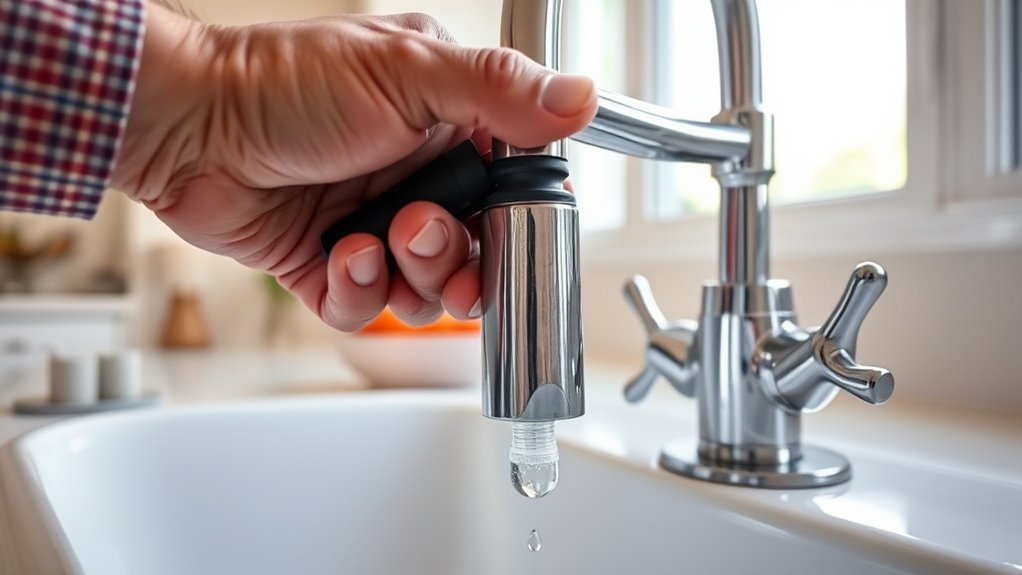
Since leaks can often go unnoticed until they cause significant damage, it’s important to regularly check your plumbing for drips or moisture. Leak detection is key to preventing costly repairs and water waste. Start by inspecting visible pipes for signs of corrosion, discoloration, or dampness. Listen for sounds of dripping or running water when no fixtures are in use. Feel around connections and joints for moisture or puddles. To ensure proper pipe maintenance, consider these steps:
- Check under sinks and around toilets for leaks or water stains.
- Examine exposed pipes for corrosion or cracks.
- Tighten loose fittings or connections.
- Schedule professional inspections if you notice persistent leaks or suspect hidden pipe issues.
Regular checks help catch problems early and maintain your plumbing’s integrity.
Clean Gutters and Downspouts
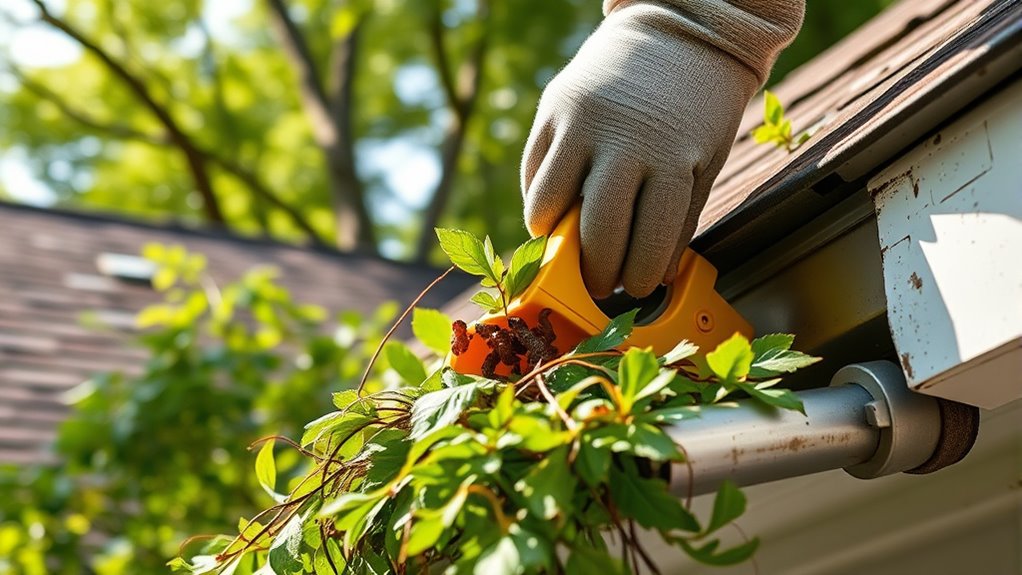
Regularly cleaning your gutters and downspouts is essential to prevent water damage and maintain your home’s foundation. Over time, leaf debris, twigs, and dirt accumulate, causing blockages that can lead to overflowing gutters. This excess water can seep into your roof, walls, or basement, creating costly damage. While cleaning, check for any gutter repairs needed, such as loose brackets or leaks. Clear out all debris from the gutters and ensure the downspouts direct water away from your home’s foundation. Consider installing gutter guards if you notice frequent clogging. Regular maintenance not only protects your home but also reduces the risk of water-related issues, saving you time and money in the long run. Stay proactive to keep your home safe and sound.
Check for Signs of Pest Infestation
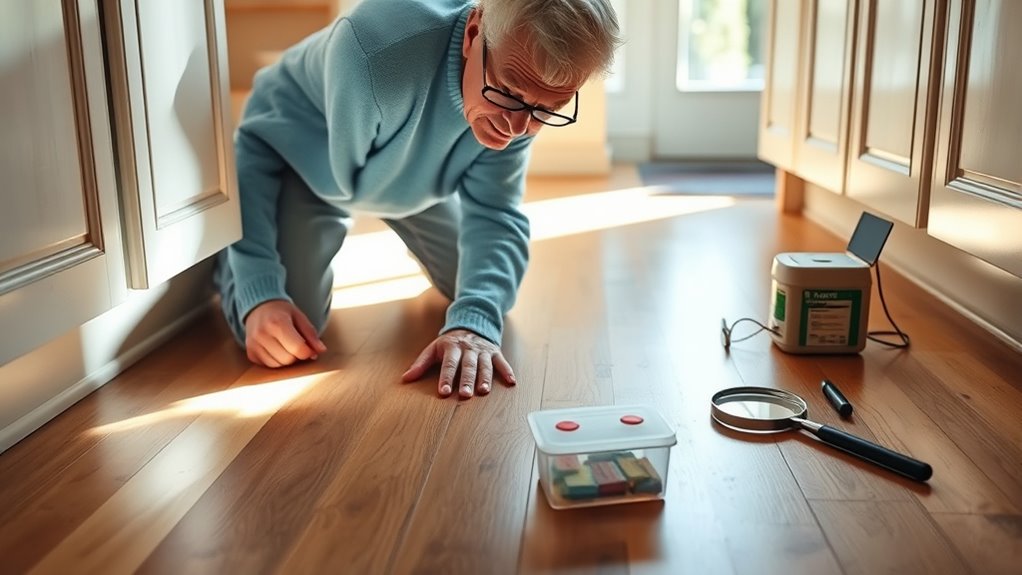
After cleaning your gutters and downspouts, it’s a good idea to inspect your home for signs of pest infestation. Look for droppings, gnaw marks, or damaged wood, which can indicate pests like termites or rodents. Pay attention to musty odors or unusual sounds in walls, signaling hidden pests. Check for small holes or cracks around windows and doors, providing entry points. Additionally, keep an eye out for nests or shed skins. Detecting signs of pest infestation early allows you to schedule effective pest control treatments before the problem worsens. Regular inspections help maintain a pest-free home and prevent costly repairs. Staying vigilant ensures your home remains safe, comfortable, and protected from unwelcome invaders.
Review and Update Emergency Supplies

Reviewing and updating your emergency supplies guarantees you’re prepared for unexpected events. Start by checking your emergency kits and ensuring all items are within their expiration dates. Restock essentials like bottled water, non-perishable snacks, batteries, and first aid supplies. Take inventory of your supply inventory to identify missing or low-stock items. Make sure medications, flashlights, and portable chargers are in working condition. Confirm that your emergency kit is easily accessible and stored in a designated, known location. If you notice any items are damaged or expired, replace them immediately. Regularly updating your emergency supplies ensures you’re ready to respond quickly during a power outage, natural disaster, or other emergencies, giving you peace of mind and safety when you need it most.
Inspect Handrails, Walkways, and Stairs for Safety
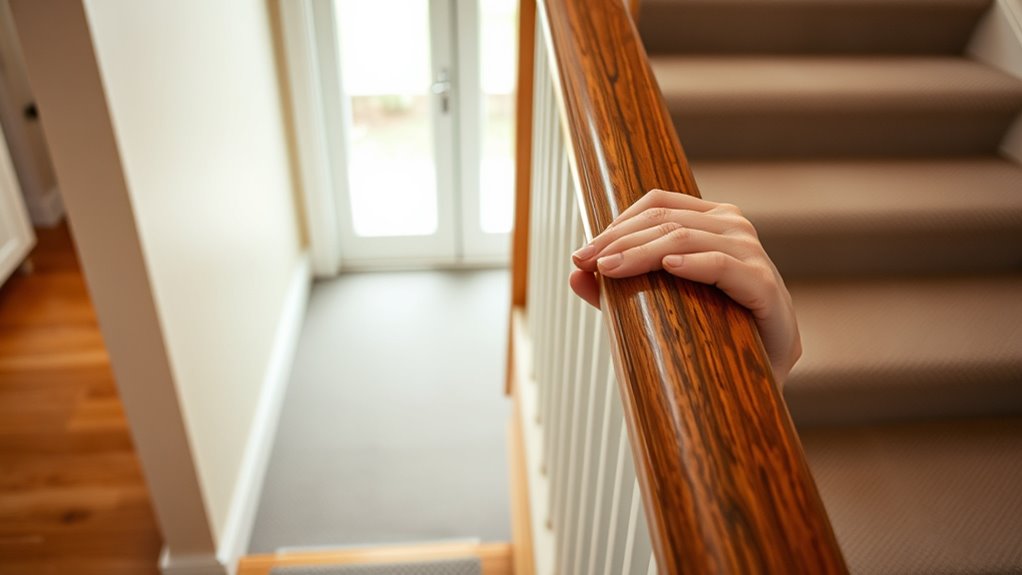
Ensuring your handrails, walkways, and stairs are secure and in good condition is essential for preventing trips and falls. Regularly check porch handrails for stability and tightness, and ensure garden pathways are free of loose stones or debris. Inspect stairs for cracks, uneven surfaces, or loose treads that could cause slipping. Pay special attention to outdoor areas used frequently.
Consider these key steps:
- Tighten loose bolts or screws on porch handrails.
- Repair cracks or uneven spots on stairs and garden pathways.
- Add non-slip tread covers to stairs and walkways.
- Clear debris, leaves, or ice that may cause slipping hazards.
This proactive approach helps keep your home safe and accessible.
Test and Replace Batteries in Essential Devices
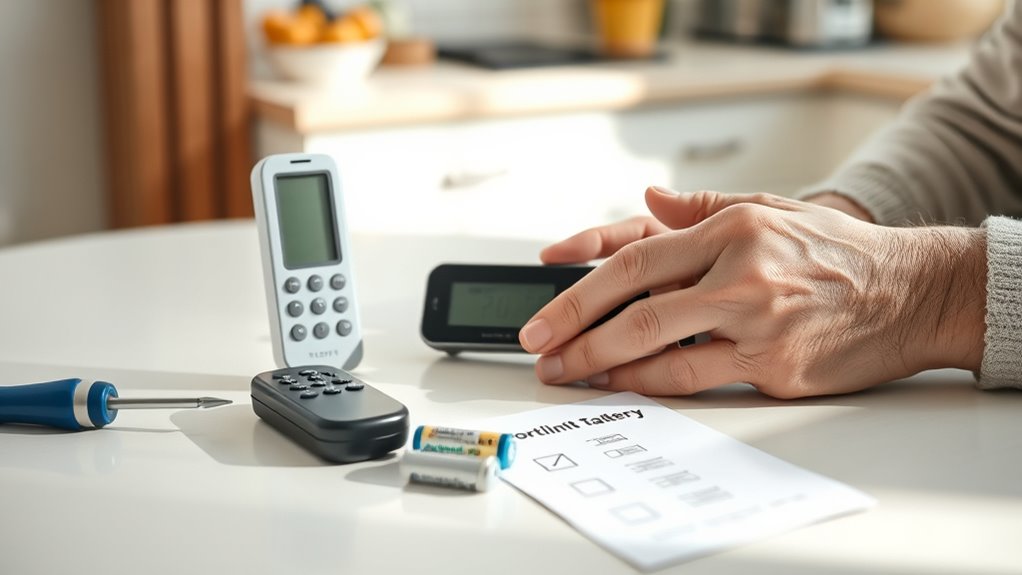
Regularly testing and replacing batteries in your home’s essential devices helps maintain safety and peace of mind. Proper device maintenance guarantees batteries function correctly, preventing failures during emergencies. Use a battery tester to check devices like smoke alarms, carbon monoxide detectors, and flashlights. Keep spare batteries handy and replace them at least once a year or when you notice dimming or weak signals. To visualize, consider the following:
| Device | Battery Safety Tips |
|---|---|
| Smoke alarms | Test monthly, replace batteries yearly |
| Flashlights | Check brightness, replace batteries if dim |
| Thermostats | Change batteries during seasonal checks |
Staying proactive with battery maintenance reduces risks and keeps your home safe.
Frequently Asked Questions
How Often Should I Schedule Professional Home Inspections?
You should schedule professional home inspections at least once a year to maintain your home’s safety and value. Regular inspections help you identify issues early, ensuring your home insurance remains valid and effective. Additionally, consider pest control visits every few months to prevent infestations. Staying proactive with these inspections keeps your home secure, reduces unexpected repairs, and guarantees a safe environment tailored to your needs.
What Safety Precautions Should I Take When Inspecting Electrical Systems?
Oh, what could go wrong with electrical safety during inspections, right? To stay safe, turn off the power before inspecting, use insulated tools, and wear rubber-soled shoes. Keep one hand behind your back to avoid completing circuits. Always follow inspection precautions carefully, and if you’re unsure, call a professional. Remember, electrical systems can be dangerous—treat them with respect and caution to prevent accidents.
How Can I Prevent Mold Growth in My Home During Winter?
To prevent mold growth in your home during winter, focus on ventilation improvements and moisture control. Keep vents clear and use exhaust fans in kitchens and bathrooms to reduce humidity. Regularly check for leaks or condensation, and use dehumidifiers if needed. Proper insulation also helps prevent cold spots that can cause moisture buildup. By managing moisture and enhancing airflow, you create an environment less prone to mold growth.
Are There Specific Maintenance Tasks for Homes in Humid Climates?
In humid climates, you should focus on humidity control and mold prevention. Use dehumidifiers to keep indoor humidity levels below 60%, and guarantee proper ventilation in bathrooms and kitchens. Regularly check for leaks and fix them promptly to prevent excess moisture. Clean and dry any damp areas immediately, and consider installing exhaust fans. These tasks help reduce humidity and prevent mold growth, keeping your home safer and healthier.
When Is the Best Time to Perform Seasonal Home Maintenance?
Timing takes tact; the best time for seasonal home maintenance is during spring and fall. This allows you to tackle tasks like seasonal gardening and furniture upkeep before extreme weather hits. Spring is perfect for sprucing up outdoor spaces and inspecting windows, while fall offers an ideal opportunity to prepare your home for winter’s weather. Staying proactive guarantees your home remains healthy, happy, and hazard-free year-round.
Conclusion
Staying on top of your home maintenance keeps everything running smoothly and your loved ones safe. Don’t wait until a small issue turns into a big problem—regular checkups are the best insurance you’ve got. Remember, an ounce of prevention is worth a pound of cure. Keep up with this monthly checklist, and you’ll be able to catch issues early, giving yourself peace of mind and a safer, more comfortable home all year round.