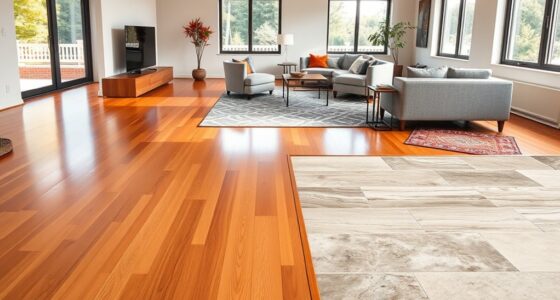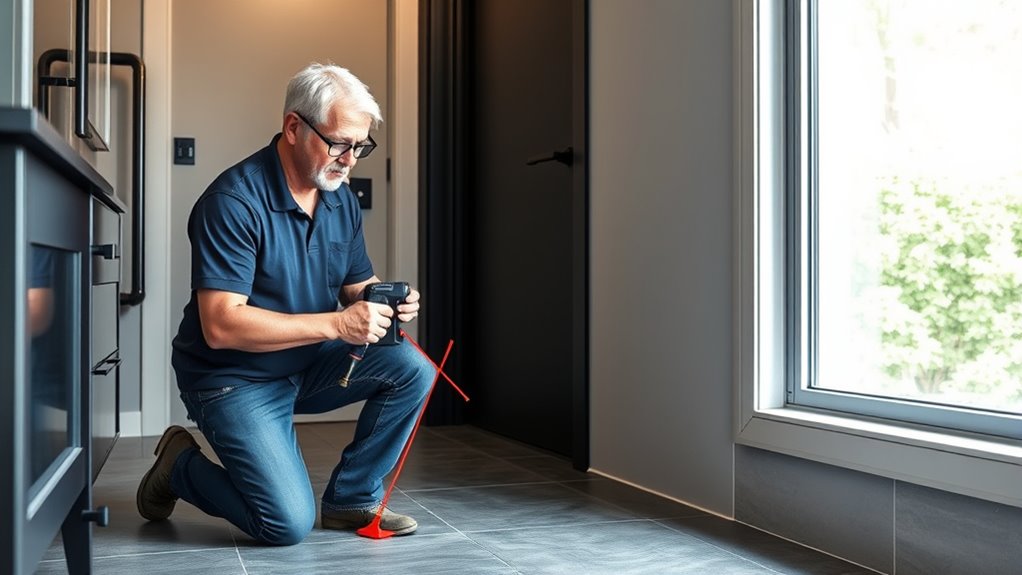

Working with a Certified Aging-in-Place Specialist helps you create a home that’s safe, accessible, and tailored to your changing needs. They evaluate your space, identify safety hazards, and recommend smart technology, as well as accessibility upgrades like wider doorways and grab bars. They also guarantee your renovations meet industry standards and stay within budget. Stay with us to get expert tips on selecting the right specialist and customizing your home for long-term comfort.
Key Takeaways
- Ensure the specialist has relevant certifications, experience, and expertise in aging-in-place strategies and smart technology integration.
- Communicate your personal goals and safety needs clearly to align the modifications with your lifestyle.
- Collaborate on a comprehensive assessment to prioritize safety, accessibility, and comfort in your home design.
- Confirm that the specialist adheres to building codes and safety standards for durable, compliant modifications.
- Discuss budget options and material choices to balance quality, safety, and long-term value in your home improvements.

TAILI Grab Bars for Bathtubs and Showers 2 Pack Suction Grab Bar, Heavy Duty Shower Handle Removable Bath Handrails for Seniors and Elderly, Bathroom Safety Grip No Drilling Waterproof,Grey
Matters need Attention: Only suitable for tiles measuring 4×4 inches or larger. For the safety of the seniors…
As an affiliate, we earn on qualifying purchases.
As an affiliate, we earn on qualifying purchases.
Understanding the Role of a CAPS
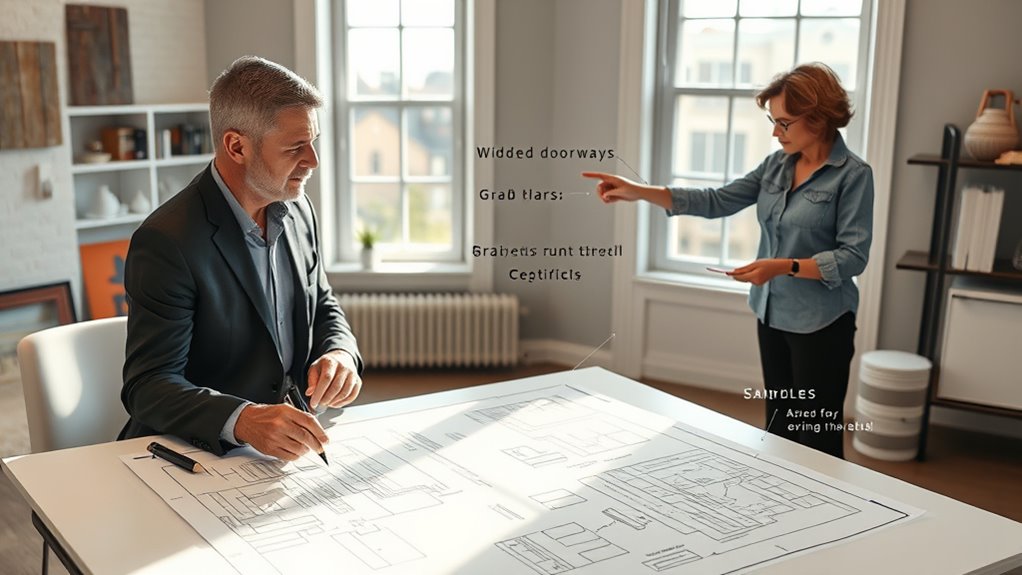
Have you ever wondered what sets a Certified Aging-in-Place Specialist apart from other home modification professionals? A CAPS focuses on creating safe, accessible living spaces tailored to your needs. They leverage smart technology, like voice-activated systems and automated lighting, to enhance safety and independence. Environmental modifications are also central to their expertise—think wider doorways, grab bars, and improved lighting. These professionals assess your current home setup and recommend practical changes that promote mobility and security. Unlike general contractors, CAPS prioritize aging-in-place strategies, ensuring your home adapts as your needs evolve. Their goal is to help you maintain comfort and independence, making your home safer without sacrificing style or convenience. That’s what truly differentiates a CAPS from other specialists. Additionally, they are knowledgeable about Potential Pitfalls in Adopting New Payment Technologies, ensuring that safety features and modifications comply with relevant standards and regulations.
wider doorways for aging in place
As an affiliate, we earn on qualifying purchases.
As an affiliate, we earn on qualifying purchases.
Assessing Your Home’s Needs and Goals
To start evaluating your home’s needs, consider how accessible your space currently is and what modifications might be helpful. Think about your personal lifestyle goals and how your home can support them now and in the future. This will help you identify key areas to prioritize for safety, comfort, and independence. Engaging in creative practice can also help you explore new ideas for modifications and adaptations that suit your evolving needs.
Home Accessibility Evaluation
Evaluating your home’s needs and goals is a crucial first step in creating a safe and accessible living environment. During this assessment, consider how features like a smart home system can enhance safety and convenience, especially for emergency preparedness. Smart technology can automate lighting, monitor door locks, and alert you to hazards, making everyday living safer. Focus on key areas such as entryways, bathrooms, and kitchens to identify potential hazards or barriers. Think about how your current setup supports mobility, balance, and safety. Additionally, understanding how vehicle modifications like suspension upgrades or performance improvements can make transportation safer and more reliable is an important aspect of comprehensive accessibility planning. By understanding your specific needs and goals, you can prioritize modifications that improve accessibility and safety, ensuring your home remains a secure, comfortable space as your needs evolve.
Personal Lifestyle Goals
Understanding your personal lifestyle goals helps shape your home modifications to truly support your daily life. Consider how your garden design can enhance outdoor enjoyment or provide a relaxing retreat. Think about integrating smart technology, like voice-activated lighting or security systems, to simplify routines and increase safety. Your goals might include maintaining independence, entertaining guests, or pursuing hobbies. Clarifying these priorities guides your Certified Aging-in-Place Specialist in recommending specific upgrades that align with your vision. Whether it’s creating an accessible kitchen, installing easy-to-use smart devices, or designing a garden that’s both beautiful and functional, your lifestyle goals ensure your home evolves to meet your needs. Incorporating home modification technology, such as hydrocolloid patches for skin health, can further support your well-being and comfort as your needs change. This personalized approach helps you stay comfortable, engaged, and secure as your needs change.

WiFi Door Alarm System, Wireless DIY Smart Home Security System, with Phone APP Alert, 8 Pieces-Kit (Alarm Siren, Door Window Sensor, Remote), Work with Alexa, for House, Apartment, by tolviviov
WIFI Network: WIFI connection, Only works on 2.4GHz WiFi network, does NOT support 5GHz WiFi networks.
As an affiliate, we earn on qualifying purchases.
As an affiliate, we earn on qualifying purchases.
Planning Your Aging-in-Place Renovation
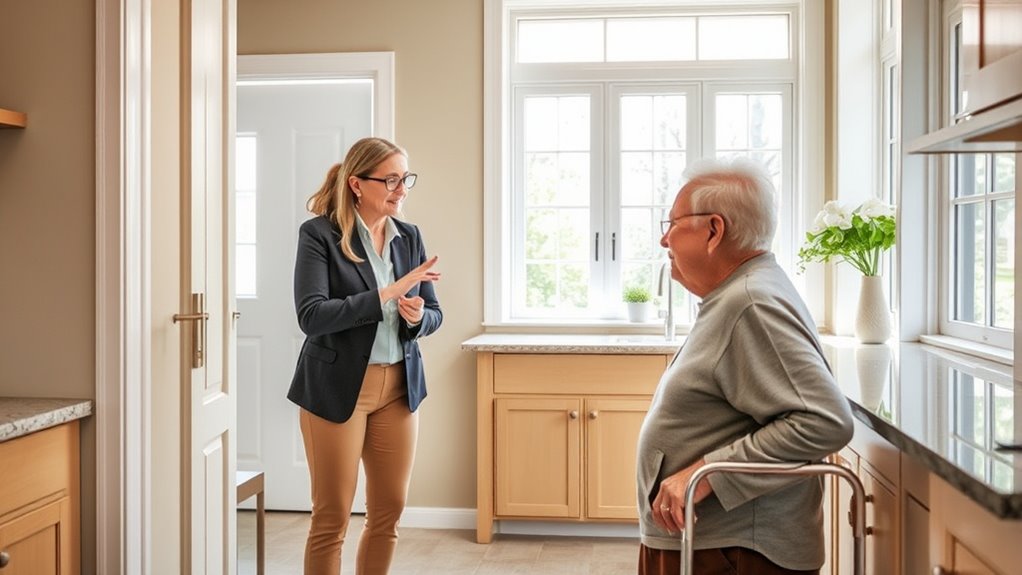
Planning your aging-in-place renovation begins with evaluating your current living space and identifying specific needs for safety, accessibility, and comfort. Consider how home automation can enhance your daily routines by providing easy control over lighting, thermostats, and security systems. Integrate senior-friendly appliances that are user-friendly and reduce the risk of accidents, like lever-style door handles or touch-controlled devices. Think about layout modifications such as wider doorways or grab bars in bathrooms. Prioritize features that promote independence while maintaining aesthetics. Create a detailed plan that addresses your immediate needs and future changes. Incorporating essential safety features early in your planning can significantly improve your overall quality of life. Working with a Certified Aging-in-Place Specialist can help you develop a holistic renovation plan aligned with your lifestyle goals and safety requirements.

Kitchen Matters: More than 100 Recipes and Tips to Transform the Way You Cook and Eat — Wholesome, Nourishing, Unforgettable
As an affiliate, we earn on qualifying purchases.
As an affiliate, we earn on qualifying purchases.
Selecting the Right Certified Specialist
Choosing the right Certified Aging-in-Place Specialist is essential to ensuring your renovation meets safety, accessibility, and aesthetic goals. Look for someone experienced with smart technology integration that enhances daily living. They should understand how exterior landscaping can improve safety and curb appeal, creating a seamless passage from outdoors to indoors. Use this table to evaluate potential specialists:
| Experience & Credentials | Specialization & Innovation | Customer Feedback |
|---|---|---|
| Years in the field | Focus on smart tech | Positive reviews |
| Certifications | Expertise in exterior landscaping | Project success stories |
| Relevant training | Modern accessibility solutions | Client referrals |
| Local knowledge | Incorporation of smart home tech | Repeat clients |
| Portfolio variety | Creativity in design | Overall satisfaction |
Additionally, assessing a specialist’s ability to translate trustworthy information into practical solutions can ensure your project is both effective and sustainable. Choose someone aligned with your vision, knowledgeable, and attentive to details.
Navigating the Design and Modification Process

Guiding the design and modification process requires clear communication and careful planning to guarantee your renovation aligns with your needs and goals. Your Certified Aging-in-Place Specialist will help you prioritize features like smart technology, which enhances safety and convenience through automation and monitoring systems. When considering outdoor modifications, focus on accessible pathways, ramps, and well-lit areas that improve safety and usability. Be open about your preferences and daily routines so your specialist can suggest tailored solutions. Regularly review design plans and ask questions to ensure everything reflects your lifestyle. Staying engaged throughout the process helps prevent surprises and ensures your modifications support long-term independence and comfort. Incorporating safety features such as non-slip flooring and grab bars further enhances your environment. With careful planning and open collaboration, you’ll create a functional, safe environment that meets your evolving needs.
Ensuring Compliance With Industry Standards

Ensuring your renovation complies with industry standards is essential for safety, durability, and legal peace of mind. You must adhere to codes that cover everything from structural integrity to accessibility. Incorporate home automation features responsibly, making sure they meet safety guidelines. Aesthetic enhancements should also align with standards to ensure they don’t compromise functionality. Use this table as a quick reference:
| Standard Aspect | Key Focus |
|---|---|
| Accessibility | Ramps, doorways, grab bars |
| Electrical Safety | Wiring, outlets, automation systems |
| Structural Integrity | Load-bearing elements, flooring |
| Aesthetic Compliance | Design, finishes, visual harmony |
| Building Codes | Local regulations, permits |
Staying compliant guarantees your project is safe, functional, and legally sound. Ensuring your project aligns with building codes can prevent costly modifications and delays during inspections.
Managing Costs and Budget Considerations

Managing costs and sticking to your budget is essential to completing your aging-in-place renovation without financial stress. Working with a Certified Aging-in-Place Specialist helps you identify cost effective solutions that balance quality and affordability. They can recommend budget friendly modifications that meet your needs without overspending, ensuring your project stays within your financial limits. Prioritizing essential upgrades, such as grab bars or ramps, allows you to allocate funds wisely. Avoid unnecessary expenses by focusing on modifications that provide the greatest impact for safety and convenience. Your specialist will help you explore options that maximize value while minimizing costs. Staying mindful of your budget throughout the project ensures a smooth process, turning your home into a safer, more accessible space without breaking the bank. Additionally, understanding different types and varieties of materials can help you choose cost-effective options that still meet your durability and safety standards.
Maintaining Your Home for Long-Term Accessibility
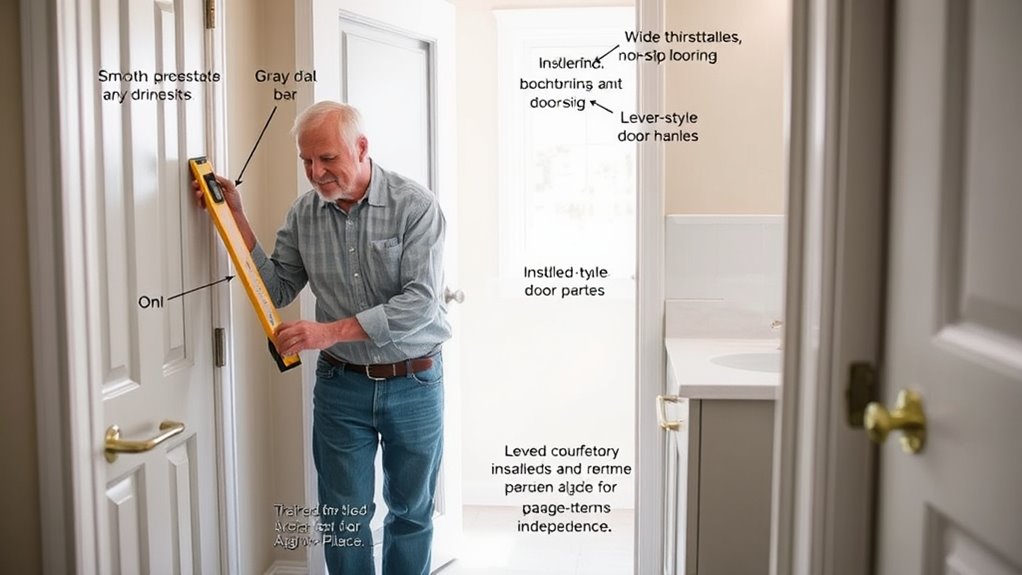
To keep your home accessible for the long term, adopting universal design principles guarantees it remains usable for everyone. Regular safety assessments help identify potential hazards before they become serious issues. By staying proactive, you can maintain a safe and functional environment as your needs change.
Universal Design Principles
Universal design principles focus on creating a home that remains functional and accessible for everyone, regardless of age or ability. You can achieve this by incorporating smart technology that simplifies daily tasks and enhances safety, such as automated lighting or voice-activated controls. Using eco-friendly materials not only benefits the environment but also promotes healthier indoor air quality and durability. These materials—like low-VOC paints and sustainable flooring—support long-term comfort and sustainability. By designing with accessibility in mind, you reduce future remodeling needs and ensure your home adapts to changing needs. Signs of spoilage are important to consider when selecting materials to ensure safety and longevity. Universal design emphasizes simplicity, safety, and inclusivity, making your home more livable now and in the future. A Certified Aging-in-Place Specialist can guide you through implementing these principles effectively.
Regular Safety Assessments
Regular safety assessments are essential for preserving your home’s accessibility and ensuring it continues to meet your evolving needs. By regularly evaluating key areas, you can identify potential hazards before they become serious issues. Incorporating home automation systems can enhance safety, allowing you to monitor environments, control lighting, and respond quickly to emergencies. These systems also support emergency preparedness by enabling remote alerts and automated responses during power outages or medical emergencies. During assessments, check for loose handrails, clear pathways, and proper lighting. Updating safety features as your needs change keeps your home safe and functional. Regular evaluations help you maintain long-term accessibility, giving you peace of mind and confidence in your home’s ability to support your independence over time.
Frequently Asked Questions
How Do I Verify a CAPS Professional’s Credentials?
To verify a CAPS professional’s credentials, start by checking their certification through the official Aging-in-Place Specialist program. Confirm they hold valid contractor licensing in your state, ensuring they meet local home safety standards. You can also ask for references or reviews from previous clients. Always verify their credentials online or through licensing boards, so you’re confident they’re qualified to improve your home’s safety and accessibility.
What Should I Ask During My Initial Consultation?
Think of your initial consultation as a first date—ask questions to see if you’re compatible. Focus on home safety, like grab bars and ramps, and discuss budget planning upfront. Inquire about their experience with similar projects, certifications, and how they prioritize safety features. Also, ask for a detailed estimate and timeline. This helps guarantee they understand your needs and that you’re both on the same page for a successful aging-in-place plan.
How Long Does a Typical Aging-In-Place Project Take?
A typical aging-in-place project usually takes about 4 to 8 weeks, depending on the scope of home safety updates and contractor selection. You’ll want to plan for some flexibility, as delays can happen. To stay on track, communicate clearly with your contractor and make certain all safety features, like grab bars and ramps, are prioritized. This way, your home becomes safer and more accessible efficiently.
Can Modifications Be Reversed if Needed Later?
Reversibility concerns are common, but most modifications are designed with flexibility in mind, like a puzzle piece that can be moved. You can usually reverse or adapt aging-in-place modifications later if needed, especially when working with an expert. While some changes are more permanent, many improvements are made to guarantee modification flexibility, giving you peace of mind knowing you can adapt your home without major disruptions.
What Maintenance Is Required to Keep Modifications Functional?
To keep modifications functional, you should regularly check home safety features and maintain mobility aids. Clean and inspect grab bars, ramps, and non-slip surfaces to confirm they remain secure and effective. Replace worn or damaged parts promptly. Schedule routine maintenance for electrical and plumbing systems to prevent issues. Staying proactive ensures your home stays safe and accessible, allowing you to sustain independence and peace of mind as you age.
Conclusion
Working with a Certified Aging-in-Place Specialist guarantees your home adapts to your changing needs, offering safety and independence for years to come. By understanding their role, planning carefully, and managing costs, you create a space that truly supports your lifestyle. Are you ready to take the steps toward a safer, more accessible home? Remember, investing in these modifications isn’t just about today—it’s about securing your comfort and freedom for tomorrow.