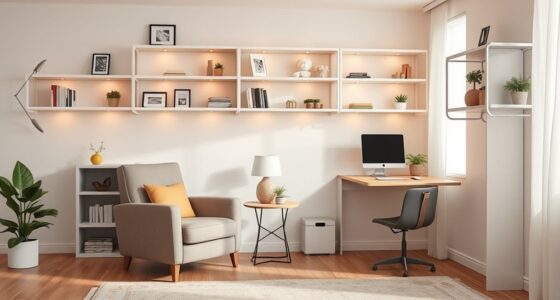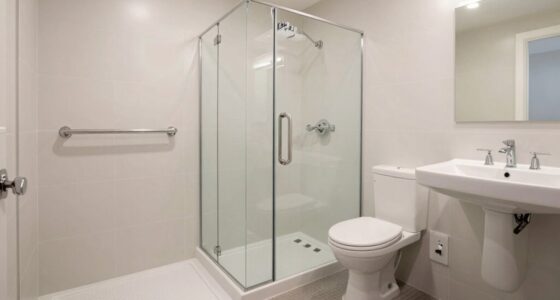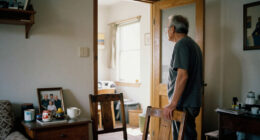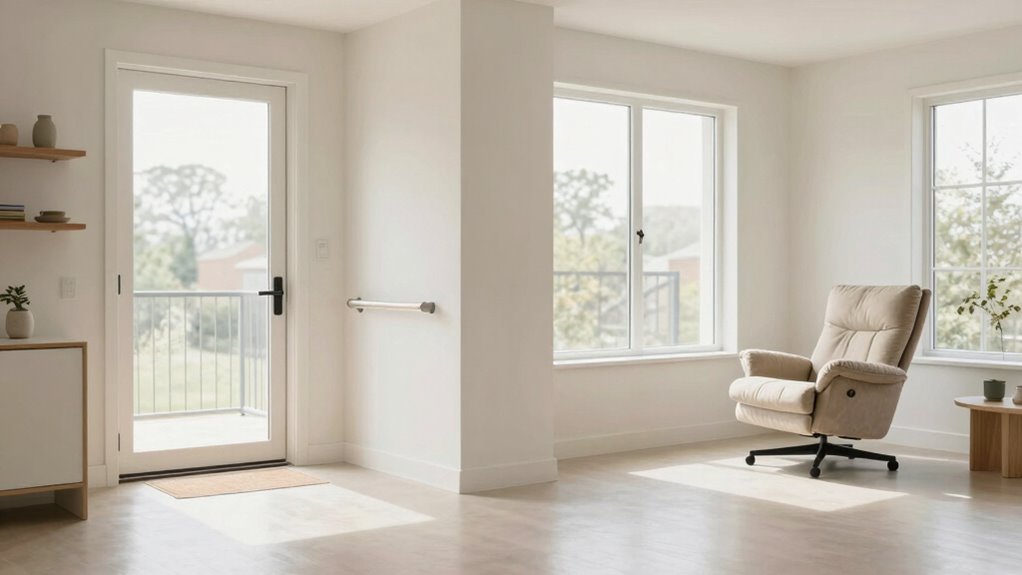

To phase your aging-in-place remodel by priority, start by evaluating your home’s key areas like bathrooms and hallways for safety flaws or accessibility issues. Focus first on essential updates like adding grab bars, improving lighting, or installing non-slip flooring. Set clear goals and create a phased schedule based on your budget, prioritizing safety and accessibility. Communicate openly with contractors and stay flexible. If you keep exploring, you’ll discover how to make each step smooth and effective.

Turn quiet afternoons into listening time
- Thousands of audiobooks, podcasts and originals
- Listen on your phone, tablet or Echo — also offline
- Cancel anytime
Key Takeaways
- Identify and prioritize safety, accessibility, and essential upgrades before less critical aesthetic or luxury features.
- Develop a phased schedule focusing on high-impact improvements first, aligned with budget and urgency.
- Create a detailed plan with clear milestones, adjusting phases based on evolving needs and financial capacity.
- Communicate priorities effectively with contractors to ensure focus on critical updates during each phase.
- Incorporate future-proofing elements, such as smart technology and adaptable layouts, early in the remodeling process.
As an affiliate, we earn on qualifying purchases.
How to Assess Your Home for Aging-In-Place Needs
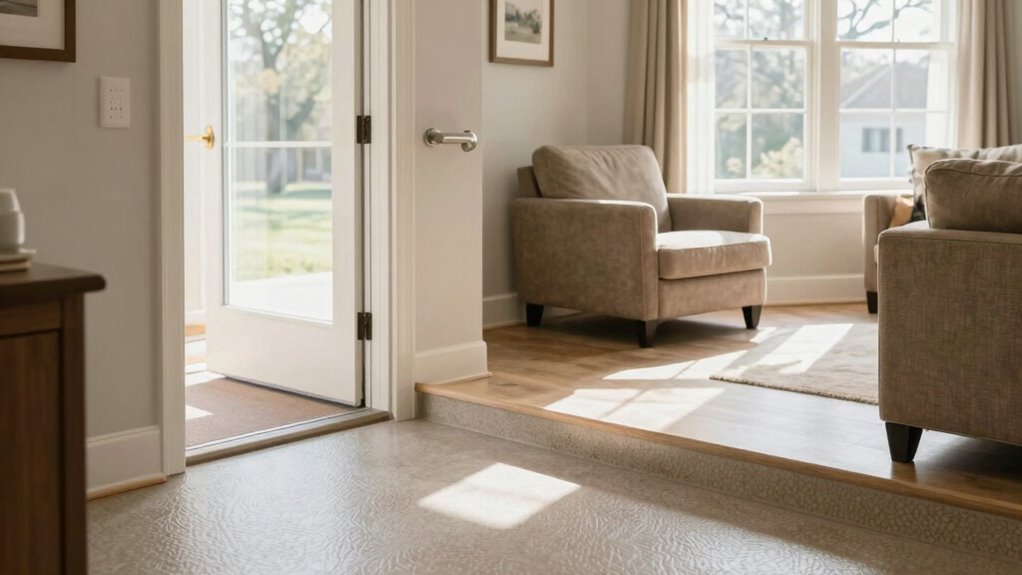
Evaluating your home for aging-in-place modifications begins with a thorough assessment of its current condition and your specific needs. Start by inspecting key areas like doorways, hallways, bathrooms, and the kitchen to identify potential barriers. Consider whether your home requires accessibility upgrades, such as wider doorways, step-free entrances, or lever-style handles. Think about your mobility, vision, and dexterity needs now and in the future. Take note of uneven flooring, loose rugs, or poor lighting that could pose safety issues. It’s helpful to create a checklist that covers both structural changes and convenience features. Paying attention to home safety features can also help ensure your home remains secure and adaptable over time. Incorporating outdoor living spaces like seating areas or fire pits can further enhance your home’s comfort and usability as your needs evolve.
What Safety Features Should You Prioritize First?
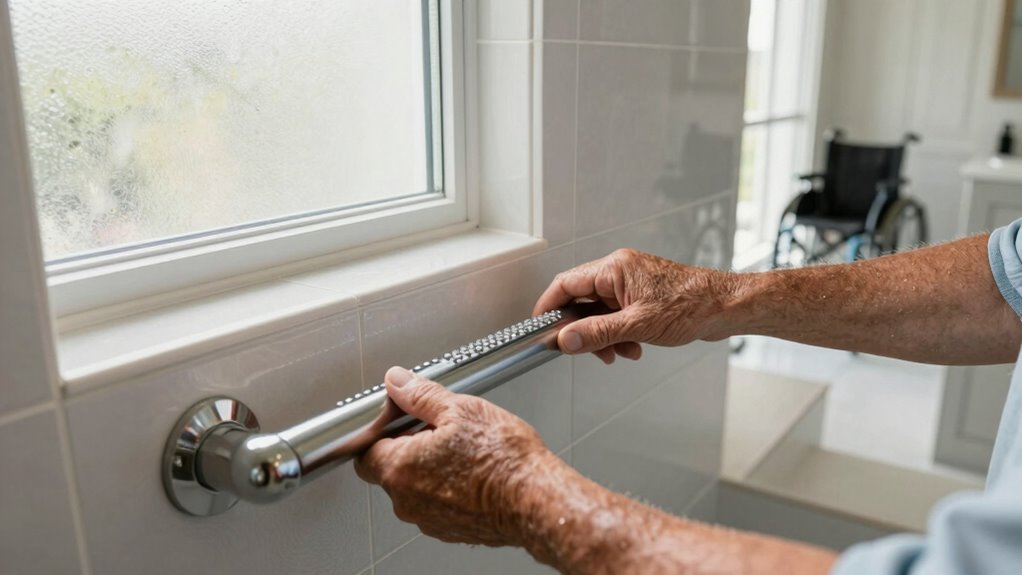
After evaluating your home’s current condition, it’s important to identify which safety features should be tackled first to create a secure environment. Prioritize installing smart technology, such as automated lighting, security systems, and emergency alerts, to enhance safety and provide peace of mind. Accessibility upgrades should also be at the top of your list, including grab bars, widened doorways, and non-slip flooring, to reduce fall risks and improve mobility. Smart technology can alert you to hazards in real-time, while accessibility modifications make daily activities safer and more manageable. Addressing these safety features early ensures your home is both secure and adaptable as your needs evolve, laying a strong foundation for a successful aging-in-place remodel. Staying informed about inclusive casting trends can also help you explore innovative safety solutions through emerging technologies. Considering home safety innovations that integrate seamlessly with your existing setup can further enhance your home’s protection and functionality. Additionally, understanding nail biology and proper care can be beneficial for maintaining your nails’ health as you age, preventing issues that could impact your overall safety and hygiene. Incorporating AI cybersecurity measures can also protect your digital safety and personal information in an increasingly connected environment.
How to Set Clear Goals for Your Remodel Phases
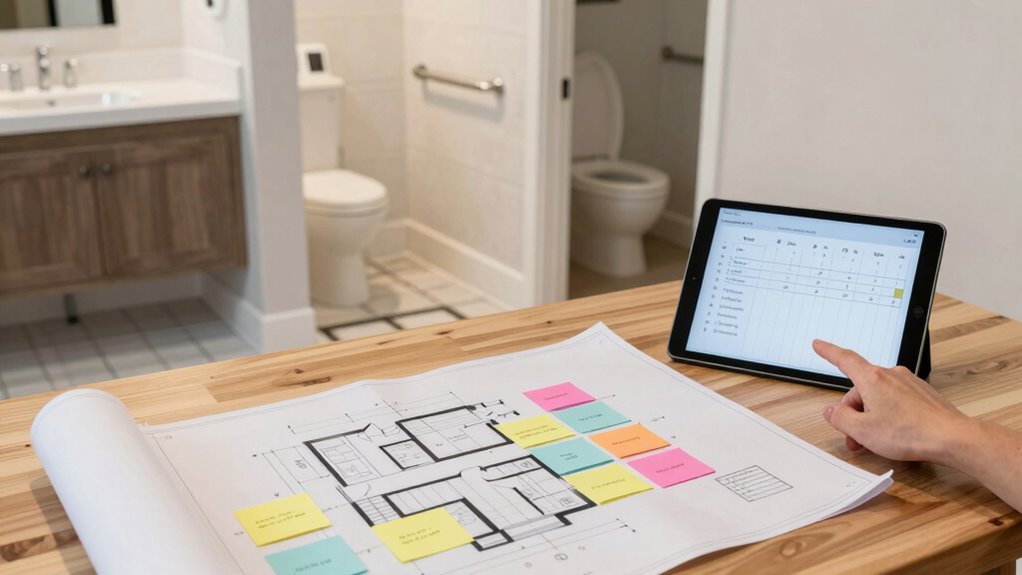
Have you ever wondered how to keep your remodeling project on track and manageable? Setting clear goals for each phase helps you stay focused and organized. Start by identifying your priorities, such as home automation or aesthetic updates, and define specific, measurable objectives for each. Break down larger goals into actionable steps, like installing smart lighting or updating paint colors. Use a table to clarify your plan:
| Phase | Goal | Key Features |
|---|---|---|
| Safety | Guarantee accessibility | Grab bars, ramps |
| Technology | Improve home automation | Voice control, smart devices |
| Aesthetic | Refresh appearance | New paint, fixtures |
| Future Planning | Prepare for upgrades | Wiring, structural updates |
Clear goals streamline your remodel and ensure every phase aligns with your vision. Prioritization helps you focus on what matters most at each step. Additionally, understanding emerging trends in digital publishing can provide valuable insights into modern design ideas and innovative solutions. Recognizing the importance of astrological influences can also inspire personalized touches that boost your confidence and satisfaction with the space. Incorporating future trends into planning can help ensure your remodel remains relevant and adaptable over time. Being aware of philosophical insights about authenticity and existence can also influence how you personalize your space to reflect your true self.
Creating a Flexible Remodel Plan for Future Changes
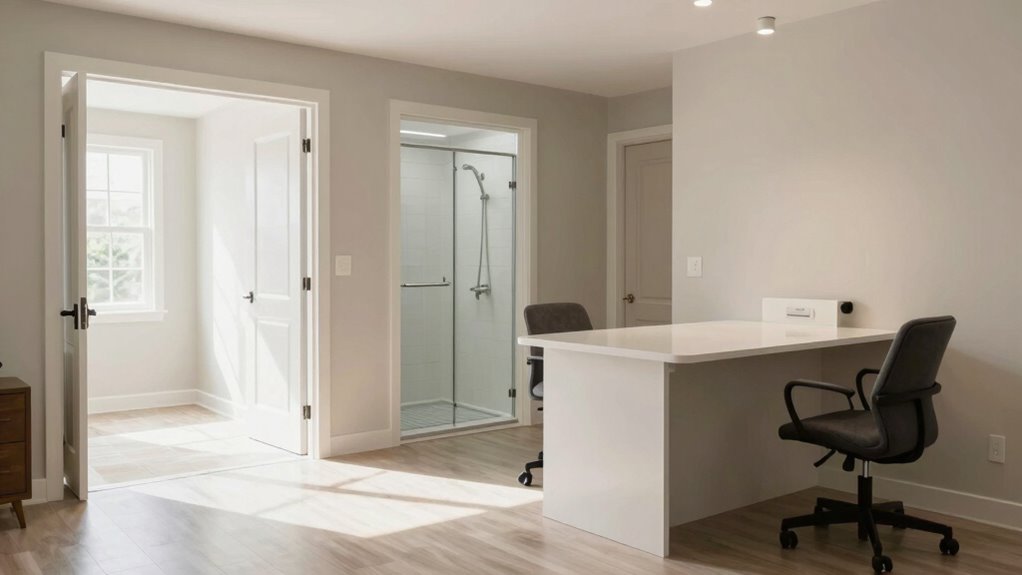
To guarantee your remodel can adapt to future needs, focus on incorporating adaptable design principles that allow for easy modifications. Implement future-proofing strategies, like flexible layouts and accessible features, so your space remains functional over time. By planning ahead, you create a home that evolves with you, reducing the need for costly updates later.
Adaptable Design Principles
Designing your remodel with adaptability in mind guarantees that your space can meet evolving needs without requiring complete overhauls. Incorporate universal design principles, which focus on creating environments usable by everyone, regardless of age or ability. This approach naturally includes accessibility upgrades, such as wider doorways, lever handles, and no-step entries, making future modifications easier. Prioritize flexible layouts that can easily accommodate changes, like movable walls or adaptable furniture. Use durable, versatile materials that can withstand wear and tear while maintaining a cohesive look. Additionally, understanding survival gear maintenance and usage can inspire you to select durable and easy-to-maintain materials for your remodel, ensuring longevity and ease of care. By embedding these adaptable design principles, you assure your home remains functional and comfortable as your needs change, minimizing costly renovations down the line. This forward-thinking approach future-proofs your space effectively.
Future-Proofing Strategies
Thinking ahead can make or break your aging-in-place remodel. To future-proof your home, incorporate smart technology that adapts to your evolving needs, such as voice-activated lighting or security systems. These innovations make daily tasks easier and enhance safety. Also, embrace universal design principles—widen doorways, install lever handles, and eliminate thresholds—so your home remains accessible as mobility changes. Planning with flexibility allows your space to adapt without costly renovations later. Keep in mind, technology and design should work together seamlessly, creating a home that evolves with you. Neural interfaces can also play a role in customizing home environments for better accessibility and control. By focusing on smart technology and universal design, you set the foundation for a resilient, adaptable living environment that supports aging in place comfortably and safely.
How to Develop a Phased Remodel Schedule Based on Budget
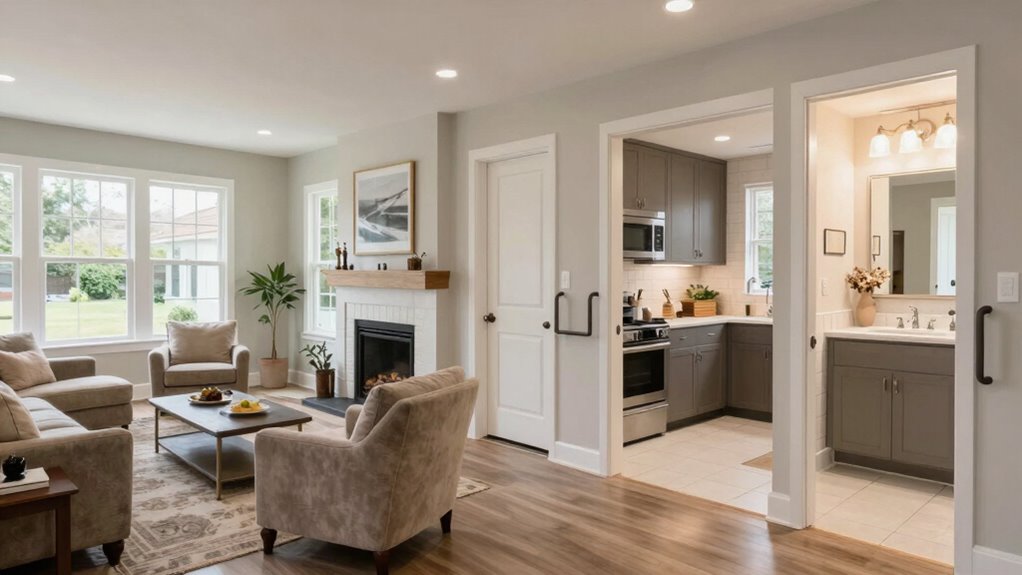
Creating a phased remodel schedule that fits your budget requires careful planning and prioritization. Begin by listing essential updates first, like installing home automation systems that improve safety and convenience. Next, consider aesthetic considerations, such as updating paint or fixtures, to enhance comfort and appeal. Allocate funds for each phase based on urgency and impact, focusing on improvements that support aging-in-place. Break the project into manageable stages, guaranteeing each phase aligns with your financial capacity. Be flexible, allowing adjustments as costs or priorities shift. This approach helps you avoid overspending while steadily progressing toward your ultimate goal. Remember, a well-structured schedule keeps the project manageable and ensures each step adds value to your home and daily life. Incorporating smart HVAC controls can further optimize comfort and energy efficiency during each phase.
How to Communicate Your Phasing Strategy Effectively to Contractors

Clear communication is essential when explaining your phasing strategy to contractors, guaranteeing everyone understands the project timeline and priorities. Use straightforward communication strategies, like detailed written plans and visual timelines, to keep everyone aligned. Meet with your contractors early and regularly to discuss progress and address concerns, fostering contractor collaboration. Be transparent about your priorities and flexible when necessary, so contractors can adapt their work accordingly. Clearly define each phase’s scope, deadlines, and expectations, and confirm understanding through follow-up discussions. Open dialogue prevents misunderstandings and delays, keeping your remodel on track. Remember, effective communication builds trust, encourages teamwork, and ensures your aging-in-place remodel proceeds smoothly through every phase.
Frequently Asked Questions
How Do I Choose the Right Contractor for Phased Remodeling?
To choose the right contractor for phased remodeling, start by checking their credentials and verifying their licensing and insurance. Ask for references and review past projects to evaluate their expertise. Discuss your remodeling timeline upfront to guarantee they can meet your phased approach without delays. A reliable contractor communicates clearly, adheres to deadlines, and understands your needs, making them the best fit to handle your aging-in-place remodel smoothly.
What Are the Common Pitfalls in Aging-In-Place Remodeling?
You might find that overlooking design consistency and aesthetic considerations causes your aging-in-place remodel to feel disjointed. Failing to plan for seamless shifts can create a disjointed look, making spaces less inviting. To avoid this, prioritize cohesive design elements and thoughtful aesthetics, ensuring that each phase aligns visually and functionally. This approach keeps your home beautiful and comfortable, fostering a space that truly feels like your sanctuary throughout every stage of aging in place.
How Can I Budget for Unexpected Remodeling Costs?
You should set aside a financial contingency fund for unexpected remodeling costs, ideally about 10-20% of your project budget. Building an emergency fund guarantees you’re prepared for surprises, like unforeseen structural issues or material price shifts. Regularly review your budget as the project progresses, and keep some funds flexible. This approach helps you stay financially secure and avoid stress when surprises inevitably arise during your aging-in-place remodel.
What Are Some Eco-Friendly Upgrades for Aging-In-Place Homes?
You can upgrade your aging-in-place home with eco-friendly options like sustainable materials for flooring, cabinetry, and countertops to reduce environmental impact. Focus on energy efficiency by installing LED lighting, high-efficiency windows, and appliances. Adding solar panels can further cut energy costs. These upgrades make your home greener, more comfortable, and easier to maintain, ensuring safety and sustainability as you age in place.
How Do I Ensure Accessibility Needs Are Met Long-Term?
Think of your home as a well-tended garden that needs consistent care. To guarantee accessibility needs are met long-term, you should focus on future proofing adaptations like wider doorways and lever handles, and plan for ongoing maintenance of these features. Regular inspections and updates keep your home safe and functional, preventing small issues from becoming big problems. Staying proactive guarantees your space adapts with you, offering comfort and independence for years to come.
Conclusion
Think of your aging-in-place remodel as planting a sturdy tree. You start with the roots—safety features that ground your home—and gradually grow the branches—future upgrades and personal touches. By prioritizing wisely and planning each phase carefully, you’ll create a space that supports you now and adapts as your needs change. With patience and a clear roadmap, your home will flourish into a safe, comfortable sanctuary—strong and beautiful, season after season.
Cold & flu season Picks
humidifiers
As an affiliate, we earn on qualifying purchases.