
When managing permits and inspections, you can expect a process that guarantees your project meets safety and building codes. First, you’ll submit an application and pay fees, then work with local authorities for approval. Inspections happen at key stages to confirm compliance, and you should prepare by reviewing regulations and maintaining clear documentation. Staying organized and in contact with inspectors helps keep things smooth—continue exploring to discover ways to streamline your permit journey.
Key Takeaways
- Submit permit applications and ensure plans meet zoning and safety standards before approval.
- Schedule and prepare for inspections by reviewing code requirements and having proper documentation ready.
- Expect multiple inspections at different project stages to verify compliance and safety.
- Address any issues or deficiencies identified during inspections promptly to avoid delays.
- Maintain organized records of permits, plans, and inspection reports for smooth project progression.

Permit Bags – 10 Pack – Original Patent Pending Outdoor Permit Bags – Construction Job SITE Permit Box Replacement – Waterproof, WRITEABLE Area, Highly Visible, Easily Mounted, Made in USA
WEATHER-RESISTANT DESIGN: Patent pending heavy-duty plastic construction with zip-bottom closure ensures complete protection of important documents from water…
As an affiliate, we earn on qualifying purchases.
As an affiliate, we earn on qualifying purchases.
Understanding the Purpose of Permits and Inspections

Have you ever wondered why permits and inspections are necessary for construction and renovation projects? The permit importance lies in ensuring your project complies with local codes and safety standards. Without permits, you risk costly fines or having to undo work later. Inspections benefit everyone involved by catching potential issues early, preventing future hazards, and confirming that work meets legal requirements. They serve as a safeguard for your investment, safeguarding health and safety for occupants and neighbors. Permits and inspections also offer peace of mind, knowing that your project adheres to regulations designed to protect property and lives. Additionally, understanding the role of building technology can help you appreciate how modern project oversight enhances safety and compliance throughout construction. Overall, understanding the purpose behind permits and inspections helps you appreciate their role in delivering safe, reliable, and compliant construction outcomes.

Home Inspection Checklist: Simplify your home inspections with an easy and inclusive home inspection checklist!
As an affiliate, we earn on qualifying purchases.
As an affiliate, we earn on qualifying purchases.
The Permitting Process: Step-by-Step Overview

The permitting process guides your project from planning to completion by providing clear, step-by-step procedures to follow. First, you submit an application, guaranteeing your project complies with zoning regulations. Next, your application gets reviewed, during which permit fees are assessed. Once approved, you receive your permit, allowing you to proceed. Throughout this process, you’ll need to stay in contact with local authorities and provide any additional documentation requested. To help visualize, here’s a quick overview:
| Step | What You Do | Key Details |
|---|---|---|
| Submit Application | Complete forms and pay permit fees | Check zoning regulations first |
| Review & Approval | Wait for approval from authorities | Ensure all paperwork is correct |
| Permit Issuance | Receive your permit | Ready to start construction |
| Final Checks | Prepare for inspections | Confirm compliance with zoning regulations |
Additionally, understanding permits and inspections can help you anticipate potential delays and requirements during your project.

Code Check Building 5th Edition: An Illustrated Guide to the Building Codes
As an affiliate, we earn on qualifying purchases.
As an affiliate, we earn on qualifying purchases.
Preparing for and Navigating Inspections

After obtaining your permit and completing the necessary steps, preparing for inspections becomes an essential part of keeping your project on track. Familiarize yourself with the building codes relevant to your project, so you know what inspectors will be checking. Review the inspection schedules provided by your local authorities, and mark them clearly on your calendar. Make sure your work is up to code and meets all safety standards before each inspection. Keep detailed records of all work done, including permits, plans, and any changes. Arrive prepared with necessary documentation and access to the work site. Being proactive and organized helps you navigate inspections smoothly, avoiding delays and ensuring your project stays compliant with regulations. Additionally, understanding local building codes and permits can help you anticipate potential issues before inspections.
Home Solar Records, Warranty, and Transfer Workbook: A Homeowner's Records Organizer for Solar Contracts, Warranties, Permits, Utility Approval, Liens, Insurance Notes, and Home Sale Handoff
As an affiliate, we earn on qualifying purchases.
As an affiliate, we earn on qualifying purchases.
Common Challenges and How to Address Them
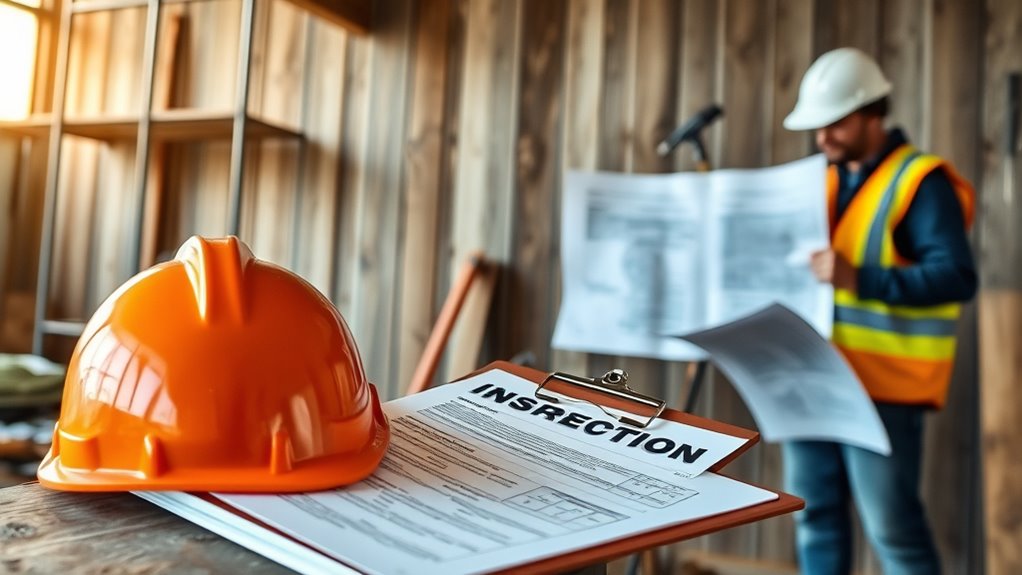
Handling inspections can present several common challenges that may disrupt your project’s progress. Zoning conflicts often surface when plans don’t align with local regulations, causing delays or requiring redesigns. To address this, double-check zoning requirements early and consult with local authorities to clarify restrictions. Effective contractor communication is essential; misunderstandings can lead to missed inspections or non-compliance. Keep all parties informed about inspection schedules, required documentation, and any changes to plans. Regular updates help prevent surprises and ensure everyone’s on the same page. Addressing these challenges proactively minimizes delays and keeps your project on track. By understanding potential zoning conflicts and maintaining clear communication with your contractor, you can navigate inspections more smoothly and avoid unnecessary setbacks. Additionally, understanding inspection procedures can help prepare you for what to expect during each step of the process.
Tips for Staying Compliant and Keeping Your Project on Track

Staying compliant with permits and inspections requires proactive planning and consistent communication throughout your project. Don’t fall for permit myths that suggest you can skip or rush the process; this can cause delays and fines. To keep your project on track, double-check permit requirements early on and maintain organized documentation. Be aware of potential inspection delays by scheduling inspections well in advance and preparing thoroughly. Keep open lines of communication with your local building department so you’re informed of any issues. Regularly review progress against permit conditions to catch issues early. Being familiar with pool-specific regulations can help you avoid unexpected compliance problems. By staying proactive and informed, you reduce the risk of costly setbacks, ensure compliance, and keep your project moving smoothly from start to finish.
Frequently Asked Questions
How Do I Find the Right Permits for My Specific Project?
To find the right permits for your project, start by researching local permit requirements on your city or county’s official website. You’ll need to identify which permits apply based on your project’s scope, such as building or electrical permits. Check the inspection criteria linked to each permit, ensuring you meet all standards. If unsure, contact your local permitting office—they can guide you through the process and clarify what’s needed.
What Are the Consequences of Skipping a Permit or Inspection?
Skipping a permit or inspection can lead to serious consequences. Permit violations often result in hefty fines and legal penalties, which could delay your project indefinitely. You might also face mandatory demolition or costly repairs if authorities discover the violation later. Don’t risk these issues—obtaining the proper permits guarantees your project stays legal and on track, saving you time, money, and future headaches.
How Long Does the Entire Permitting and Inspection Process Typically Take?
The entire permitting and inspection process usually takes anywhere from a few days to several weeks, depending on your project’s complexity. Permit delays can extend this timeline, especially if paperwork is incomplete or errors occur. Inspection scheduling might also add wait times, but staying proactive and responsive helps speed things up. Planning ahead and communicating with local authorities can minimize delays, ensuring your project continues smoothly without unnecessary setbacks.
Can I Make Changes to My Project After Permits Are Approved?
Yes, you can make project modifications after permits are approved, but you’ll need to request permit adjustments. Contact your local permitting office to discuss your planned project modifications and submit the necessary documents. Keep in mind that some changes may require additional review or inspections, which could delay your project. Always verify your permit adjustments are approved before proceeding with any project modifications to stay compliant with regulations.
Who Do I Contact if My Inspection Is Failed?
When your inspection falls flat like a balloon losing air, don’t panic. You should contact the authorities responsible for inspections to find out what went wrong. They’ll guide you through the steps to correct the issues and schedule a re-inspection. Think of it as hitting the reset button—your project’s progress depends on addressing the inspection failure promptly, so reach out to the right contacts and get back on track.
Conclusion
Navigating permits and inspections may feel like steering through a maze, but with the right knowledge, you can keep your project on course. Think of permits as the map guiding your journey and inspections as checkpoints ensuring you’re on the right path. Stay prepared, stay compliant, and don’t let hurdles derail your progress. With patience and attention to detail, you’ll reach your destination smoothly—turning obstacles into stepping stones along your construction adventure.