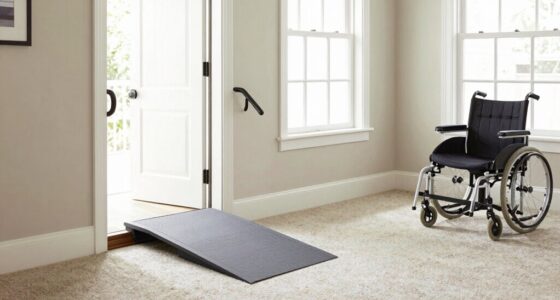
To reduce falls and fatigue, choose flooring like rubber or cushioned vinyl that offers slip resistance and shock absorption. Non-slip coatings can be applied over tile, concrete, or wood surfaces to enhance traction, especially in wet areas. These materials also provide comfort and reduce fatigue during long periods of standing or walking. By selecting the right combination of safety features, you can create a safer, more comfortable environment—keep exploring to find the best options for your space.
Prime for Young Adults — start your free trial
Fast free delivery, streaming and member deals for eligible 18–24 year olds.
As an affiliate, we earn on qualifying purchases.
Key Takeaways
- Choose flooring with non-slip coatings to increase traction and prevent slips in wet or high-traffic areas.
- Opt for cushioned surfaces like rubber or foam-backed vinyl to absorb shocks and reduce fatigue during prolonged standing.
- Combine slip-resistant features with comfort-enhancing materials for optimal safety and fatigue reduction.
- Use flooring materials designed with technological advances, such as AI-integrated safety features, for enhanced fall prevention.
- Prioritize versatile options like rubber or cushioned vinyl, suitable for various environments like homes, gyms, and healthcare facilities.
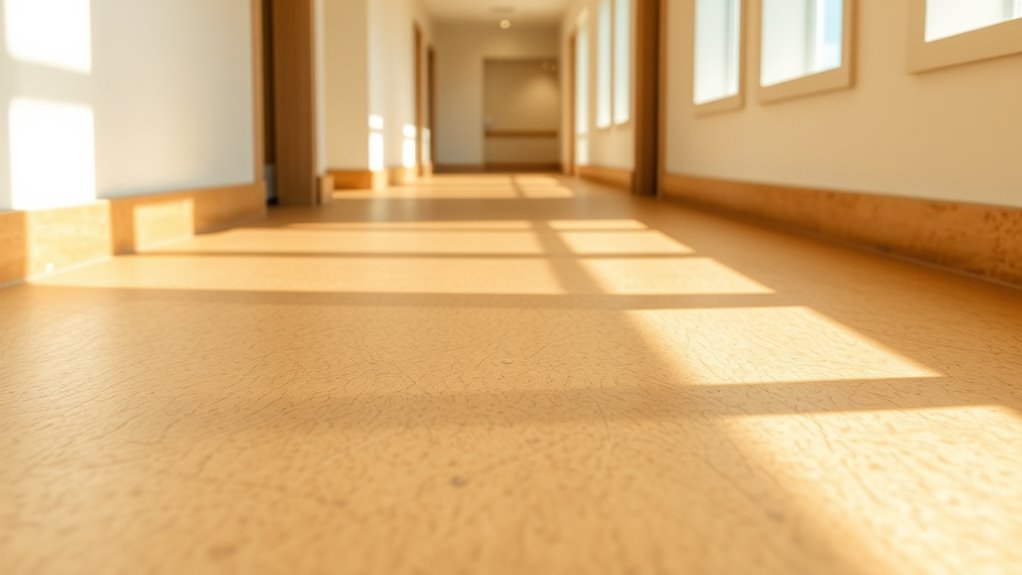
Choosing the right flooring can considerably impact the look and feel of your space, so it’s important to explore your options carefully. If you’re concerned about safety, especially in high-traffic areas or spaces prone to moisture, focusing on flooring options that reduce falls and fatigue is essential. One effective approach is to look for flooring materials that come with non-slip coatings. These coatings add a layer of traction, markedly decreasing the risk of slips, especially when the floor is wet or slick. Non-slip coatings are versatile and can be applied over various surfaces, including tile, concrete, and even wood. They’re a smart investment for kitchens, bathrooms, or outdoor patios, where accidents are more likely. By choosing flooring with these coatings, you create a safer environment without compromising on style.
Another vital factor to consider is cushioned surfaces. Flooring with a cushioned or shock-absorbing layer can make a substantial difference in reducing fatigue, especially if you spend long hours standing or walking. These surfaces provide extra comfort underfoot, helping to absorb impact and lessen strain on your joints and muscles. Options like rubber or foam-backed vinyl are popular for their cushioning properties, making them ideal for busy kitchens, gyms, or play areas. Not only do cushioned surfaces enhance comfort, but they also contribute to safety by providing a gentler landing if you do fall. This added softness can be particularly beneficial in homes with children or elderly residents, where falls are more concerning.
Combining non-slip coatings with cushioned surfaces can create a flooring solution that’s both safe and comfortable. For instance, rubber flooring often comes with inherent slip resistance and cushioning, making it a practical choice for gyms, healthcare facilities, or homes where safety is a priority. Similarly, cushioned vinyl floors with non-slip treatments can deliver a durable, slip-resistant surface that reduces fatigue and prevents accidents. When selecting flooring, always consider the specific needs of your space, factoring in foot traffic, moisture levels, and whether comfort or safety takes precedence. Advances in AI safety technologies and safety measures are also being incorporated into flooring solutions to enhance overall safety standards. Investing in flooring that incorporates these features not only helps prevent falls but also minimizes fatigue, making your space more welcoming and functional for everyone.
As an affiliate, we earn on qualifying purchases.
Frequently Asked Questions
How Do Different Flooring Materials Affect Mobility and Balance?
Different flooring materials markedly impact your mobility and balance. You’ll want surfaces with good slip resistance to prevent falls, especially in wet areas. Cushioned flooring provides extra comfort and absorbs shock, reducing fatigue during prolonged standing or walking. By choosing floors with ideal slip resistance and cushioning properties, you improve your stability and safety, making movement easier and more comfortable on a daily basis.
Are There Specific Colors That Help Prevent Falls?
Did you know that high-contrast colors can reduce falls by up to 70%? Color psychology and visual contrast play vital roles in fall prevention. Using bold, contrasting colors for edges, stairs, or hazards helps your eyes distinguish changes in floor levels quickly. Bright, contrasting shades like yellow or white against darker backgrounds improve visibility, making it easier to navigate safely and avoid accidents.
What Maintenance Is Required for Safety-Oriented Flooring?
To keep your safety-oriented flooring effective, you need to follow proper cleaning protocols regularly, removing dirt and spills that can cause slips. It’s crucial to maintain slip resistance by inspecting and cleaning textured surfaces and applying appropriate treatments when needed. Regularly check for wear or damage, and promptly repair or replace sections to ensure consistent safety. Consistent maintenance helps prevent accidents and extends your flooring’s lifespan.
Can Flooring Choices Impact Joint Pain or Muscle Fatigue?
Yes, your flooring choices can impact joint pain and muscle fatigue. Soft, cushioned surfaces provide better joint support, reducing strain during standing or walking. Conversely, hard floors may increase muscle strain and joint discomfort over time. By selecting flooring with good shock absorption, you can help minimize joint pain and support overall comfort, especially if you spend long hours on your feet. Proper flooring promotes better posture and reduces fatigue.
How Does Flooring Influence Sound Insulation and Noise Levels?
Imagine a quiet sanctuary amid chaos—that’s what good flooring can create. Your choice directly impacts sound absorption and noise reduction, transforming noisy spaces into peaceful retreats. Carpets and soft materials absorb sound, reducing echoes and muffling footsteps, while harder floors allow noise to bounce around. So, selecting the right flooring isn’t just about aesthetics; it’s about crafting a calm environment where sound is controlled and serenity prevails.
Conclusion
Now that you know which flooring options can help reduce falls and fatigue, are you ready to make the switch? Imagine walking confidently, knowing your floors support your safety and comfort. But the real question is—what choice will you make next? The right flooring could transform your space and your well-being forever. Don’t wait too long—your safer, more comfortable home might be just a decision away. Are you prepared to take that step?
Fall yard work Picks
leaf blowers
As an affiliate, we earn on qualifying purchases.