
TL;DR

Turn quiet afternoons into listening time
- Thousands of audiobooks, podcasts and originals
- Listen on your phone, tablet or Echo — also offline
- Cancel anytime
A severe heat wave is hitting the US, affecting major cities and sporting events like the World Cup. Experts recommend hydration, shade, and cooling techniques for safety. The situation underscores the importance of heat preparedness for everyone.
A major heat wave is currently impacting several US cities, with temperatures expected to reach near 100°F in places like Philadelphia and Kansas City. This development poses health risks for millions and affects outdoor events, including upcoming World Cup matches. Experts warn that both athletes and the general public need to take precautions to avoid heat-related illnesses.
The heat wave has prompted extreme-heat warnings in multiple states, with temperatures in Kansas City forecasted to reach into the 90s and close to 100 in Philadelphia. The situation mirrors conditions faced by World Cup athletes, who have prepared through heat acclimatization strategies such as outdoor heat training and hydration protocols. Many teams have spent weeks in hot climates to adapt, but some arrived late or had limited time to acclimate, increasing their vulnerability.
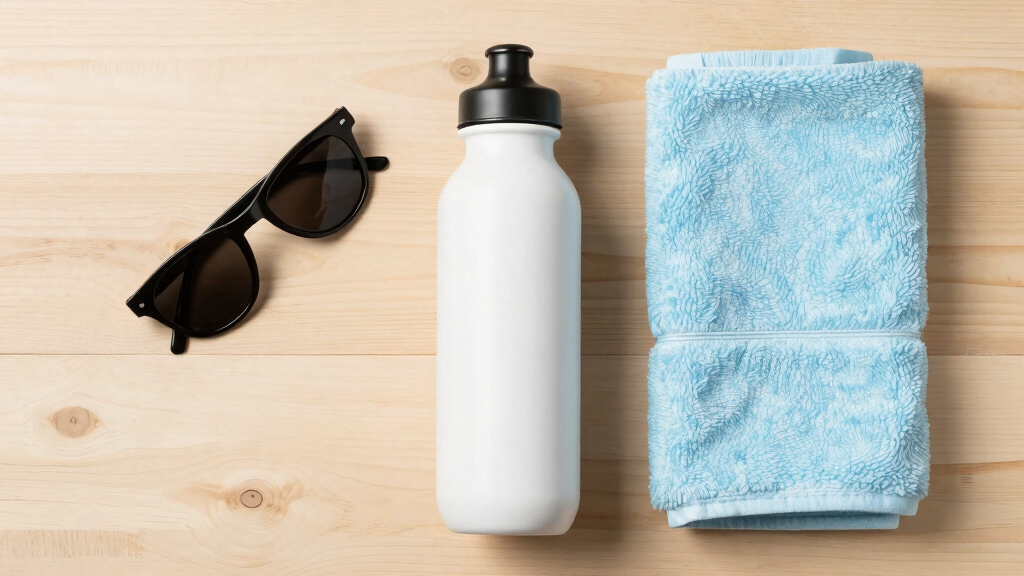
Research indicates that athletes tend to reduce their activity levels during hot conditions, and fatigue can accumulate over the course of a tournament. To combat this, FIFA has mandated hydration breaks and cooling measures like ice towels and slurries. For the general population, health experts emphasize practical steps such as wearing breathable clothing, seeking shade, exercising during cooler parts of the day, and drinking plenty of water.
Why the Heat Wave’s Impact Matters for Everyone
This heat wave highlights the importance of heat preparedness for both athletes and the general public. Extreme temperatures can cause heat exhaustion, heatstroke, and other health issues, especially for vulnerable groups. The situation underscores the need for effective strategies to manage heat risks, which could save lives and reduce health system strain during such events.As an affiliate, we earn on qualifying purchases.
Recent Heat Trends and Preparedness Measures
Last summer, sports teams like England’s national soccer team underwent heat tests in Spain, simulating conditions they may face during the 2026 World Cup in North America. Many teams have since engaged in heat acclimatization, including training camps in hot climates and hydration analysis. Historically, host countries like Brazil have trained in hot regions to gain an edge, although the effectiveness varies. The current heat wave amplifies the urgency of these preparations, as many cities now face record-breaking temperatures with little warning.
“Heat acclimatization typically takes about 8 to 10 days, but sudden heat waves leave little time for proper adaptation.”
— an anonymous researcher
Uncertainties About the Duration and Severity of the Heat Wave
It is not yet clear how long the current heat wave will last or whether temperatures will exceed forecasted levels. Weather models are still predicting the progression, and regional variations may influence local impacts and response measures.Expected Developments and Public Guidance
Meteorologists will continue monitoring the heat wave, providing updates on its duration and intensity. Authorities are likely to issue additional health advisories and implement cooling centers in affected cities. Public health campaigns will emphasize hydration and heat safety, and outdoor event organizers will need to adapt to ensure safety for participants and spectators.
Key Questions
What are the best ways to stay safe during this heat wave?
Wear lightweight, breathable clothing; stay in shaded or air-conditioned areas; exercise during cooler parts of the day; and drink plenty of water regularly.
How does heat affect athletic performance?
Heat can reduce athletes’ intensity and endurance, increase fatigue, and raise the risk of heat-related illnesses. Proper acclimatization and cooling strategies help mitigate these effects.
Are there specific groups more vulnerable to heat-related health issues?
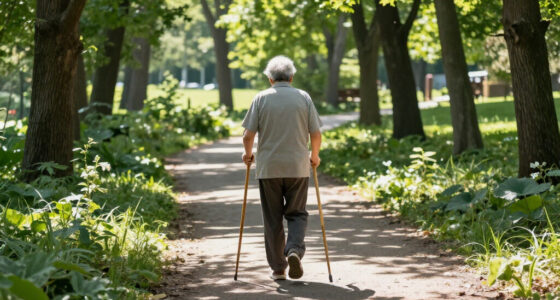
Yes, vulnerable groups include the elderly, children, people with chronic illnesses, and outdoor workers. They should take extra precautions during heat waves.
Will the current heat wave impact upcoming sports events?
Yes, high temperatures could affect scheduling, athlete safety, and spectator comfort. Organizers may implement additional safety measures to manage heat risks.
Source: The Atlantic
Fall Picks
fall essentials
As an affiliate, we earn on qualifying purchases.