

TL;DR

Turn quiet afternoons into listening time
- Thousands of audiobooks, podcasts and originals
- Listen on your phone, tablet or Echo — also offline
- Cancel anytime
Interest in ‘Ferritin Face’ is increasing amid online discussions linking it to iron deficiency. Experts emphasize that skin appearance alone cannot confirm a deficiency, and proper testing is essential. Clarification is needed on how reliable this visual cue truly is.
Why Recognizing the Limits of Visual Diagnosis Matters
Understanding that ‘Ferritin Face’ is not a confirmed diagnostic sign is crucial for avoiding misdiagnosis or unnecessary anxiety. Relying solely on skin appearance can lead to overlooking other causes of skin changes or missing a true iron deficiency. Accurate diagnosis requires blood tests, and health professionals warn against self-diagnosis based on appearance. The trend underscores the need for public awareness about the importance of medical testing over visual cues, especially in the context of widespread misinformation online. Proper diagnosis ensures appropriate treatment, such as iron supplementation or addressing underlying health issues, and prevents potential complications associated with untreated iron deficiency.Products Worth Considering

OMRON Complete 2-in-1 Upper Arm Blood Pressure Monitor with EKG
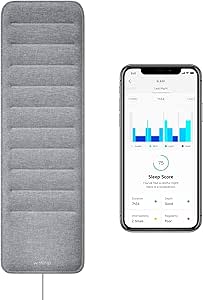
Withings Sleep Under-Mattress Sleep Tracking Pad

BowFlex Results Series SelectTech Dumbbells
As an affiliate, we earn on qualifying purchases.
Rising Online Interest and the Need for Medical Clarity
In late 2023, searches for ‘Ferritin Face’ increased significantly across social media platforms and wellness websites. The term appears to have emerged from anecdotal reports and online communities discussing skin changes and their possible link to iron deficiency. Historically, clinicians have recognized that skin pallor and dryness can sometimes be associated with anemia, but these are non-specific signs. The current trend seems to stem from a combination of health misinformation and increased public focus on self-diagnosis. Medical experts have long emphasized that visual cues are unreliable for diagnosing nutritional deficiencies without laboratory confirmation. The spike in interest highlights the ongoing challenge of misinformation in health topics and the importance of evidence-based diagnosis.What Is Still Unclear About ‘Ferritin Face’
It remains uncertain whether ‘Ferritin Face’ is a scientifically recognized sign of iron deficiency or merely a social media trend. There is no peer-reviewed research confirming a direct link between skin appearance and ferritin levels. Experts caution that individual variations in skin and health conditions can produce similar visual effects, making it unreliable as a diagnostic indicator. Further studies are needed to establish any credible connection, but currently, health authorities have not endorsed this concept as a clinical sign.Next Steps for Public Understanding and Medical Guidance
Health professionals recommend that individuals consult healthcare providers for blood testing if iron deficiency is suspected, rather than relying on visual cues. Medical authorities may issue clarifications or guidelines to address misinformation circulating online. Researchers might investigate the potential correlation between skin appearance and iron levels, but until then, public education on the importance of diagnostic testing remains essential. Monitoring social media trends and misinformation will be ongoing as interest in ‘Ferritin Face’ continues to grow, emphasizing the need for clear, evidence-based communication.Key Questions
Can skin appearance reliably indicate iron deficiency?
No, skin appearance alone cannot reliably diagnose iron deficiency. Blood tests are necessary for an accurate assessment.
What are the actual signs of iron deficiency?
Common signs include fatigue, pallor, shortness of breath, and dizziness. Confirmatory diagnosis requires blood tests measuring ferritin and hemoglobin levels.
Is ‘Ferritin Face’ a medically recognized symptom?
Currently, there is no scientific evidence or official medical recognition that ‘Ferritin Face’ is a valid symptom of iron deficiency.
What should I do if I notice skin changes and suspect anemia?
Consult a healthcare provider for blood testing before drawing any conclusions. Self-diagnosis based on skin appearance is unreliable.
Why is there increased interest in ‘Ferritin Face’ now?
The trend appears to be driven by social media and anecdotal reports, with no scientific backing. It reflects ongoing misinformation about health signs.
Source: rss