TL;DR

Turn quiet afternoons into listening time
- Thousands of audiobooks, podcasts and originals
- Listen on your phone, tablet or Echo — also offline
- Cancel anytime
Singapore’s air quality in the central region continues to be classified as unhealthy, while PSI levels in the western and eastern regions have decreased to moderate. Authorities monitor the situation closely as air pollution persists in certain areas.
Singapore’s air quality in the central region remains classified as unhealthy, according to the latest data from the Singapore Environment Agency, while PSI levels in the western and eastern regions have decreased to moderate. Learn more about PSI levels in Singapore. This development highlights persistent air pollution in certain parts of the city-state and raises concerns about public health and environmental conditions.
The Pollutant Standards Index (PSI) released today indicates that the central region’s PSI levels are consistently above the unhealthy threshold, with readings often exceeding 100. Meanwhile, the western and eastern regions’ PSI levels have dropped to the moderate range, between 51 and 100. The agency attributes the uneven air quality to ongoing transboundary haze, local emissions, and weather patterns that influence pollutant dispersion.
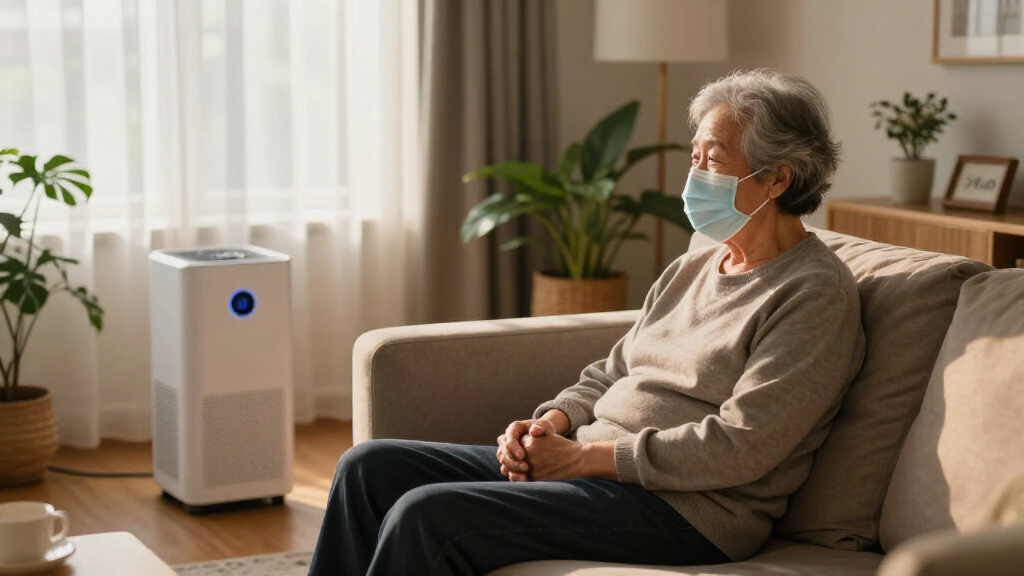
Authorities have advised residents in the central region to limit outdoor activities and remain vigilant, especially vulnerable groups such as children, the elderly, and those with respiratory conditions. For updates on air quality alerts, visit the latest air quality reports. The National Environment Agency (NEA) continues to monitor the situation and has not yet issued any new air quality alerts or advisories beyond current recommendations.
Environmental experts note that the persistent unhealthy levels in the central region could be linked to transboundary haze from regional forest fires, compounded by local pollution sources including vehicular emissions and industrial activities. The weather forecast suggests light winds and haze lingering over the central areas, complicating pollution dispersion. This ongoing haze situation has caused the PSI levels to rise in certain parts of Singapore, impacting public health.
Implications of Persistent Unhealthy Air in Central Singapore
The continued unhealthy air quality in Singapore’s central region poses public health risks, particularly for sensitive groups. It also signals ongoing environmental challenges, such as regional haze and local pollution sources, which require coordinated mitigation efforts. The uneven PSI levels across regions highlight the need for targeted policies to address pollution hotspots and improve overall air quality.
air purifiers for respiratory health
As an affiliate, we earn on qualifying purchases.
As an affiliate, we earn on qualifying purchases.
Recent Trends in Singapore’s Air Quality and Regional Factors
Singapore’s air quality has experienced fluctuations over recent months, often influenced by regional haze episodes originating from forest fires in neighboring countries. The PSI has periodically spiked into unhealthy levels during haze seasons, prompting government advisories and health warnings. Local pollution from traffic and industry also contributes to the overall air quality, especially in densely populated and industrial zones.
In the past, authorities have implemented measures such as haze alerts, public advisories, and emission controls, but persistent regional haze remains a challenge. The current situation, with the central region still unhealthy despite some improvement in the west and east, reflects this ongoing environmental issue.
Uncertainties Surrounding the Duration and Causes of Pollution
It is not yet clear how long the central region’s unhealthy PSI levels will persist, as weather patterns and regional haze conditions fluctuate. The specific contribution of local versus transboundary pollution sources remains under investigation, and authorities have not issued any definitive forecasts or explanations for the uneven regional air quality.
Next Steps in Monitoring and Managing Air Quality
The NEA will continue to monitor PSI levels across all regions and update the public regularly. Authorities may issue additional advisories if the unhealthy levels persist or worsen. Regional cooperation on haze mitigation and emission reduction efforts is expected to continue, alongside local measures aimed at reducing pollution sources.
Key Questions
Why is the air quality worse in the central region?
Experts attribute the poor air quality to regional haze from forest fires and local emissions from traffic and industry, with weather conditions affecting pollutant dispersion.
Should residents in the central region stay indoors?
Yes, residents, especially vulnerable groups, are advised to limit outdoor activities and stay indoors when PSI levels are high.
What are the health risks of prolonged exposure to unhealthy air?
Prolonged exposure can cause respiratory issues, aggravate existing health conditions, and increase the risk of cardiovascular problems, according to health authorities.
Will the air quality improve soon?
It is uncertain; current weather patterns and regional haze conditions will influence whether PSI levels decrease in the coming days.
What measures are being taken to improve air quality?
The NEA and other agencies are monitoring the situation, advising the public, and working on regional cooperation to reduce haze and local emissions.
Source: local
Fall Picks
fall essentials
As an affiliate, we earn on qualifying purchases.