
Brain games can boost specific skills, but they have limited real-world transfer and often offer only short-term results. To truly sharpen your memory, focus on daily activities like socializing, puzzles, physical exercise, and mindfulness practices that support overall brain health. These habits promote long-lasting cognitive resilience and mental clarity. If you want to discover how integrating these habits can make a difference, keep exploring the most effective strategies for lasting mental sharpness.
Key Takeaways
- Brain games often improve specific skills temporarily but have limited transfer to real-world memory tasks.
- Engaging in real-life activities like social interactions and practical tasks enhances long-term memory and cognitive resilience.
- Lifestyle habits such as meditation and proper nutrition support overall brain health more effectively than isolated brain training.
- Combining physical exercise, social engagement, and real-world challenges creates more substantial and lasting memory improvements.
- Relying solely on brain games may not produce meaningful memory gains without integrating everyday experiences and holistic self-care.

Retrospec Sedona Zafu Meditation Cushion Filled w/Buckwheat Hulls – Yoga Pillow for Meditation Practices – Machine Washable 100% Cotton Cover & Durable Carry Handle, Crescent, Black
NATURAL COMFORT & SUPPORT: Filled with sustainable buckwheat hulls, this meditation cushion elevates your practice by aligning your…
As an affiliate, we earn on qualifying purchases.
As an affiliate, we earn on qualifying purchases.
The Science Behind Brain Training Exercises

While many believe that brain training exercises can boost mental abilities, scientific research provides mixed results. Neuroplasticity research shows that the brain can change and adapt based on experiences, but this doesn’t always translate to improved everyday memory. Some studies suggest that engaging in specific tasks can enhance neural connections through brainwave modulation, potentially strengthening certain cognitive skills. Additionally, access to regional legal resources can influence the effectiveness of strategies used for cognitive training. However, these effects tend to be limited and often don’t carry over to real-life situations. It’s important to recognize that while brain training can stimulate neural activity, the extent of its impact remains uncertain. Scientific evidence indicates that targeted exercises may promote neuroplasticity, but relying solely on them for overall memory enhancement might be misguided.

Brain Boosting Nature – Inspired Puzzle Book: For Teens, Adults & Seniors (Brain Boosting Puzzle Books)
As an affiliate, we earn on qualifying purchases.
As an affiliate, we earn on qualifying purchases.
How Daily Activities Influence Memory Enhancement

Daily activities play a significant role in shaping and strengthening your memory over time. Incorporating regular habits like meditation can offer notable benefits, such as reducing stress and improving focus, which directly support memory retention. Meditation benefits include enhanced neural connections and better attention span, making it easier to encode new information. Your diet also impacts memory; consuming nutrient-rich foods like omega-3 fatty acids, antioxidants, and vitamins supports brain health and cognitive function. Avoiding processed foods high in sugar and unhealthy fats helps prevent cognitive decline. Fokos highlights the importance of maintaining a healthy lifestyle for optimal brain function. By making mindful choices in your daily routine—whether through meditation or nutritious eating—you actively boost your brain’s capacity to remember and process information. Small, consistent actions can lead to meaningful improvements in your overall memory performance.

Nootropic Brain Supplement for Memory and Focus Enhancement – Vitamins for Mental Health & Clarity with VIT A, B6, Riboflavin, Niacin, Thiamin & Folate – Cognitive Complex for Mind Vitality – 60 Ct
Brain supplement – Try our brain health supplement for mental performance with a nourishing mind and memory blend…
As an affiliate, we earn on qualifying purchases.
As an affiliate, we earn on qualifying purchases.
Comparing the Benefits of Puzzles and Social Engagement

Engaging in puzzles and social activities both offer valuable benefits for your brain, but they do so in different ways. Puzzles strengthen your memory techniques by challenging your problem-solving skills and encouraging pattern recognition, which helps improve recall. They also stimulate neural connections related to logic and concentration. On the other hand, social interactions promote cognitive health through meaningful conversations and shared experiences, which can enhance your memory by reinforcing social bonds and emotional engagement. Social activities also stimulate different parts of your brain, fostering flexible thinking and emotional regulation. Additionally, vetted information supports that combining these activities can lead to more comprehensive cognitive benefits. While puzzles boost individual cognitive skills, social engagement provides a broader mental workout through communication and empathy. Both approaches complement each other, helping you maintain a sharper memory and overall cognitive robustness.
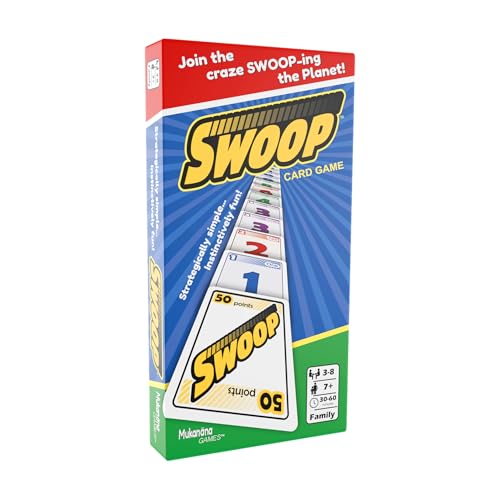
SWOOP Card Game | Fun for The Entire Family | Easy to Learn | Easy to Play | Great Social for Game Nights | Kids, Teens, Adults, and Seniors | Ages 7+ | 3 to 8 Players
JOIN THE CRAZE SWOOP-ING THE PLANET! SWOOP is a fun and engaging social game that brings families and…
As an affiliate, we earn on qualifying purchases.
As an affiliate, we earn on qualifying purchases.
The Role of Physical Exercise in Cognitive Health

Physical exercise plays an essential role in enhancing your cognitive health, complementing the mental benefits gained from puzzles and social activities. When you engage in physical activity, you strengthen the mind-body connection, which supports overall brain function. Regular movement improves cardiovascular fitness, increasing blood flow to the brain and delivering crucial nutrients that promote neural health. This boost in blood circulation helps foster new brain cell growth and enhances memory and learning capabilities. Exercise also releases endorphins, reducing stress and improving mood, which benefits cognitive performance. By making physical activity a routine, you support both your physical and mental well-being, creating a foundation for sharper memory and better cognitive resilience over time.
Limitations of Brain Games and Cognitive Apps

While brain games and cognitive apps are often marketed as quick solutions for improving mental skills, their limitations become evident upon closer examination. Many focus on isolated tasks that don’t translate to real-world memory use. For example, virtual reality can simulate environments, but it doesn’t replicate everyday challenges. Similarly, brainwave entrainment aims to enhance focus, yet its effects are often temporary and not specific to memory. Imagine this table to picture the gap:
| Virtual Reality | Brainwave Entrainment | Real Life Experience |
|---|---|---|
| Simulated environments | Temporary focus boost | Practical memory use |
| Limited transfer | Not context-specific | Everyday tasks |
| Controlled setting | Requires equipment | Unpredictable needs |
| Short-term effects | Variable results | Long-term benefits |
These tools can supplement, but they can’t fully replace real-world practice for sharpening memory. Additionally, engaging in mindfulness practices can help reduce errors and improve focus over time.
Strategies for Integrating Memory-Boosting Practices Into Routine

To boost your memory daily, try adding small challenges like memorizing a new fact or word each morning. Establish consistent routines, such as reviewing your plans or lists at the same time every day, to strengthen your memory habits. By integrating these practices into your routine, you make memory improvement a natural part of your life. Incorporating routine consistency can further enhance your memory retention over time.
Incorporate Daily Challenges
Integrating memory-boosting practices into your daily routine is easier when you set small, manageable challenges. These practical challenges help you stay engaged and steadily improve your memory skills. To incorporate them effectively:
- Pick one new word daily and try to use it in conversations or writing.
- Memorize a short list or sequence, then recall it later without prompts.
- Challenge yourself to remember details from a conversation or article after a set period.
- Incorporate memory exercises into your daily schedule to enhance cognitive function and retention.
Establish Consistent Routines
Establishing consistent routines is essential for effectively incorporating memory-boosting practices into your daily life. When you focus on habit formation, you create reliable patterns that reinforce memory skills over time. Routine consistency helps your brain recognize and adapt to these activities, making them feel automatic rather than burdensome. To succeed, pick specific times each day for memory exercises, such as reviewing new information in the morning or memorizing lists at night. Keep your routines simple and manageable, gradually increasing complexity as habits solidify. By sticking to these routines, you reinforce neural pathways, making memory improvements more natural and sustainable. Over time, your consistent efforts will strengthen your memory, blending new skills seamlessly into your everyday life.
Making Informed Choices for Long-Term Mental Sharpness

To keep your mind sharp over the long run, it’s important to choose activities that are varied and meaningful. Focus on real-world tasks rather than just brain games, and make sure you practice them regularly. These deliberate choices can make a real difference in maintaining your mental agility for years to come. Incorporating effective tools like eye patches into your self-care routine can also support overall well-being and mental clarity.
Prioritize Diverse Activities
Since focusing on a variety of activities keeps your brain engaged in different ways, it’s essential to prioritize diverse pursuits rather than sticking to just one or two. Engaging in multiple types of tasks helps strengthen neural connections and reduces the impact of multitasking challenges and digital distractions. To do this effectively, consider these strategies:
- Mix cognitive tasks like puzzles with physical activities such as dancing or hiking.
- Balance social interactions with solo projects to stimulate different brain regions.
- Incorporate artistic pursuits alongside analytical work to boost creativity and problem-solving skills.
- Embracing artistic expression can foster resilience and unlock new pathways for mental growth.
Emphasize Real-World Tasks
Focusing on real-world tasks is essential for maintaining long-term mental sharpness because they prepare you to handle everyday challenges more effectively. Engaging in activities like virtual reality simulations can improve your ability to adapt to complex, realistic situations, boosting problem-solving skills. Neurofeedback techniques can train your brain to stay focused and regulate emotions during real-life interactions, enhancing memory and decision-making. These tasks encourage active learning and practical application, making your mental training more relevant and durable. Unlike abstract brain games, real-world tasks challenge you to think on your feet and apply skills directly to daily life. Incorporating sensorimotor integration exercises can further enhance your neural pathways and overall cognitive resilience. By prioritizing these activities, you strengthen neural pathways that support sustained mental clarity and resilience over time.
Maintain Consistent Practice
Maintaining long-term mental sharpness requires consistent practice, as regular engagement helps reinforce neural connections and build cognitive resilience. To succeed, focus on developing strong habits through habit formation techniques. This makes practice automatic and less reliant on motivation. Use these motivation strategies to stay committed:
- Set clear, achievable goals to track progress.
- Schedule dedicated time each day for mental exercises.
- Reward yourself for maintaining consistency, reinforcing positive behavior.
- Be aware of website performance metrics that can help identify when to adjust your practice routine for better results.
Frequently Asked Questions
Can Specific Foods Improve Memory Better Than Brain Training?
Specific foods can improve your memory more effectively than brain training alone. A diet focus on foods rich in antioxidants, omega-3 fatty acids, and vitamins supports brain health and enhances food memory. Incorporate berries, nuts, leafy greens, and fatty fish into your meals to boost cognitive function. These dietary choices strengthen neural connections and protect against cognitive decline, making them a practical way to sharpen your memory naturally.
How Does Sleep Quality Affect Cognitive Function and Memory?
Think of your brain as a finely tuned orchestra, and sleep quality as the conductor’s baton. When you practice good sleep hygiene and align with your circadian rhythms, your cognitive performance and memory improve like a symphony in perfect harmony. Poor sleep, however, throws off the rhythm, dulling your mental acuity. Prioritize restful nights to keep your mind sharp, alert, and ready to perform at its best.
Are There Age-Related Differences in the Effectiveness of Memory Exercises?
Yes, age-related decline can affect how effective memory exercises are for you. As you get older, your brain’s exercise adaptability may decrease, making some strategies less impactful. However, tailored activities that challenge your specific needs can still boost memory, regardless of age. Consistency and variety are key. By adjusting your exercises to match your changing abilities, you can maintain or even improve your memory over time.
Do Mental Health Issues Impact the Benefits of Brain Games?
Like a lighthouse guiding ships through fog, mental health impact can influence how much you benefit from brain games. If emotional well-being is compromised by stress or anxiety, your brain’s ability to focus and retain information diminishes, reducing gains. Prioritizing mental health, through relaxation or therapy, helps guarantee brain games work more effectively, sharpening your memory and keeping your mind as resilient as a fortress in a storm.
What Role Does Stress Management Play in Maintaining Cognitive Sharpness?
Stress management plays a vital role in maintaining cognitive sharpness because stress reduction helps prevent brain fatigue and memory decline. When you actively build emotional resilience, you can better handle daily challenges, reducing cortisol levels that impair memory. Incorporate relaxation techniques and develop coping skills to keep your mind clear and focused. This ongoing effort supports your brain’s health, ensuring you stay sharp and alert over time.
Conclusion
Like Sherlock Holmes piecing together clues, you can sharpen your memory by combining daily activities, social engagement, and physical exercise. Brain games might seem tempting, but true mental agility comes from real-life challenges and consistent habits. Remember, as the fountain of youth for the mind, your everyday choices hold the power to release lasting cognitive vitality. Embrace these strategies, and watch your mental clarity flourish—your brain’s own story of resilience and brilliance.