
To manage incontinence at home, establish regular toileting schedules and use suitable products with discreet packaging. Practice good hygiene by cleaning skin gently and changing products promptly. Adjust your diet and fluid intake to reduce urgency and prevent constipation. Make your home safer with grab bars and clear pathways. Incorporate pelvic exercises to strengthen muscles. Keep exploring ways to improve your comfort and confidence—more practical strategies await you ahead.
Listen free for 30 days with Audible
Thousands of audiobooks and originals — cancel anytime.
As an affiliate, we earn on qualifying purchases.
Key Takeaways
- Establish a consistent toileting schedule and bladder training to improve control and reduce accidents.
- Choose discreet, well-fitting incontinence products with appropriate absorbency for comfort and protection.
- Maintain good hygiene by cleaning skin gently, changing products promptly, and monitoring for irritation.
- Adjust fluid and dietary intake, including fiber-rich foods, to manage urges and prevent constipation.
- Create an accessible home environment with grab bars, clear pathways, and organized supplies to promote safety and independence.
discreet incontinence pads with high absorbency
As an affiliate, we earn on qualifying purchases.
As an affiliate, we earn on qualifying purchases.
Establishing a Consistent Bathroom Routine
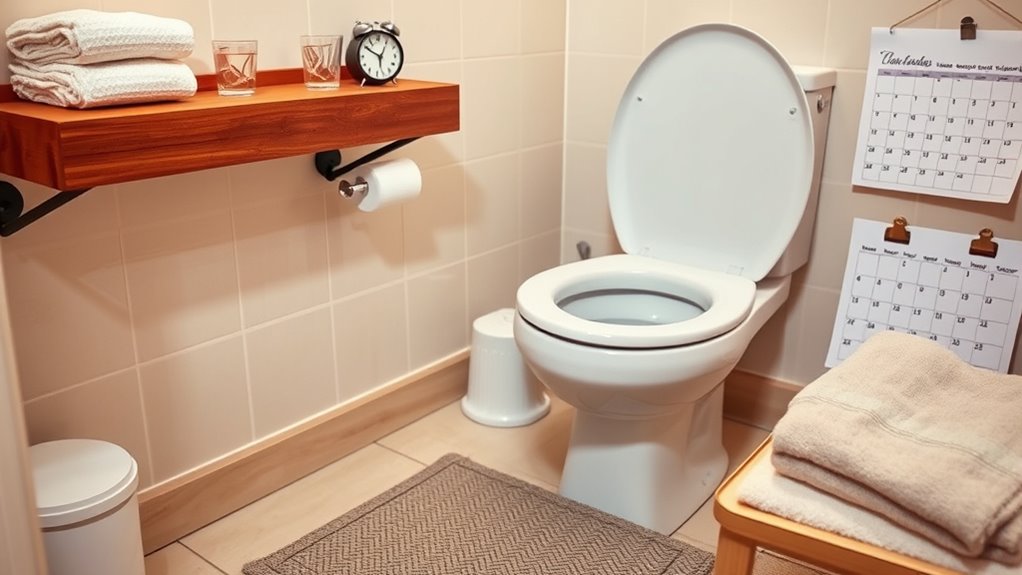
Creating a consistent bathroom routine is essential for managing incontinence effectively. By establishing regular toileting schedules, you can help your bladder become more predictable and reduce accidents. Bladder training is a key component, where you gradually increase the time between bathroom visits, strengthening your control. Start by setting specific times to go, such as every two to three hours, and stick to these times daily. Over time, you can extend the intervals as your bladder adjusts. Consistency is crucial; it trains your bladder and minimizes urgency. Keep a schedule that fits your daily activities and lifestyle. Remember, patience is important—building a routine takes time, but with persistence, you’ll notice improved control and confidence.
Choosing the Right Incontinence Products
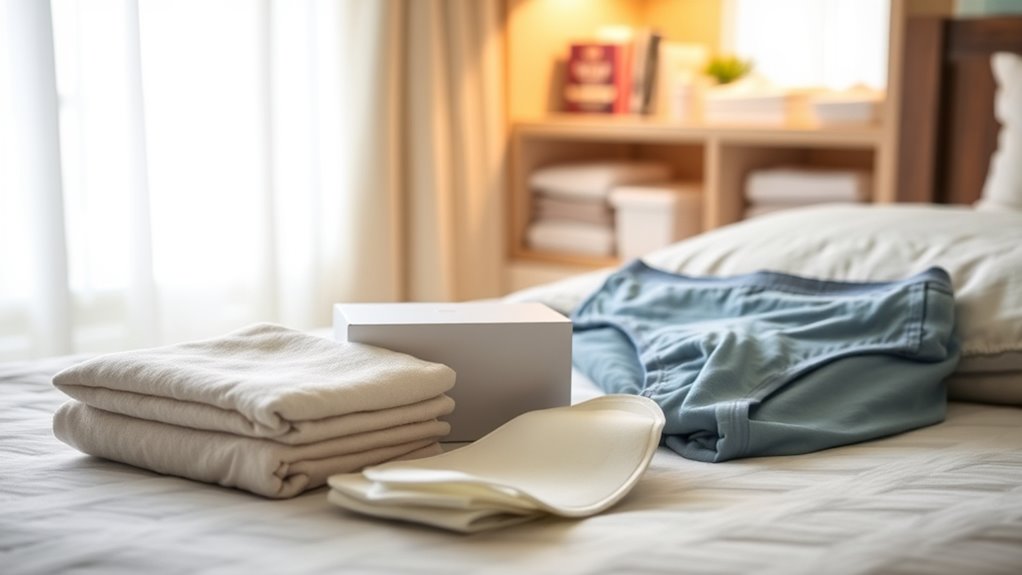
Choosing the right incontinence products is essential for staying comfortable and confident throughout the day. When selecting products, look for options with discreet packaging to maintain privacy and reduce any embarrassment. Consider the level of absorbency you need based on your incontinence severity, and choose a product that fits well to prevent leaks and discomfort. It’s also important to think about ease of use, so pick products that are simple to change and comfortable to wear. Remember to plan for proper product disposal, using designated bags or bins to keep your space clean and odor-free. Using appropriate incontinence products can significantly improve your daily comfort and confidence. By selecting suitable products with discreet packaging and a straightforward disposal method, you’ll feel more secure and maintain your dignity every day.
Implementing Effective Hygiene Practices
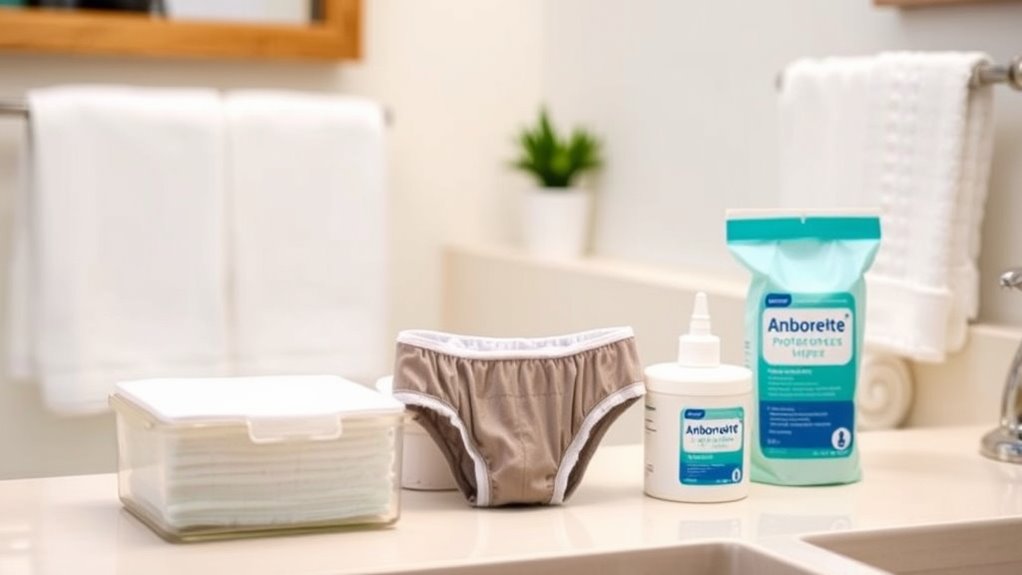
Maintaining good hygiene is crucial for preventing infections and discomfort, especially when managing incontinence. Regularly cleaning your skin helps reduce the risk of skin irritation, which can cause pain and increase infection chances. Use gentle, fragrance-free cleansers and warm water, avoiding harsh soaps that can strip away natural oils. Pat your skin dry carefully, paying attention to folds and sensitive areas. Keeping your skin dry and clean also provides emotional support, helping you feel more comfortable and confident. Change soiled products promptly to prevent prolonged exposure to moisture. Consistently monitoring skin health can help detect early signs of irritation or infection, ensuring timely care. Proper hygiene routines not only protect your skin but also boost your emotional well-being, making it easier to manage incontinence with confidence. Proper hygiene is an essential part of your overall care strategy.
Making Dietary and Fluid Intake Adjustments
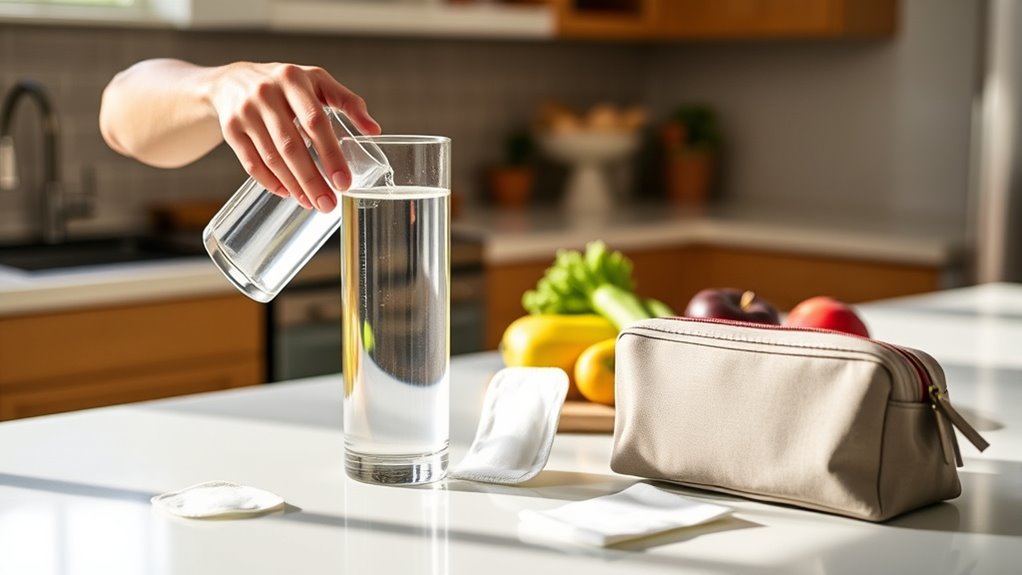
Adjusting your diet and fluid intake plays a pivotal role in managing incontinence effectively. You might consider practicing fluid restriction, especially if you notice frequent urges or leaks. Limiting drinks like caffeine, alcohol, and sugary beverages can reduce bladder irritation. Incorporate more dietary fiber into your meals to prevent constipation, which can worsen incontinence symptoms. High-fiber foods such as fruits, vegetables, and whole grains help maintain regular bowel movements, easing pressure on your bladder. Be mindful of your fluid intake throughout the day; spreading it evenly prevents sudden urges while ensuring you stay hydrated. Listen to your body’s signals and adjust accordingly. Small, consistent changes in your diet and fluid habits can make a significant difference in managing incontinence comfortably.
Creating a Supportive and Accessible Home Environment
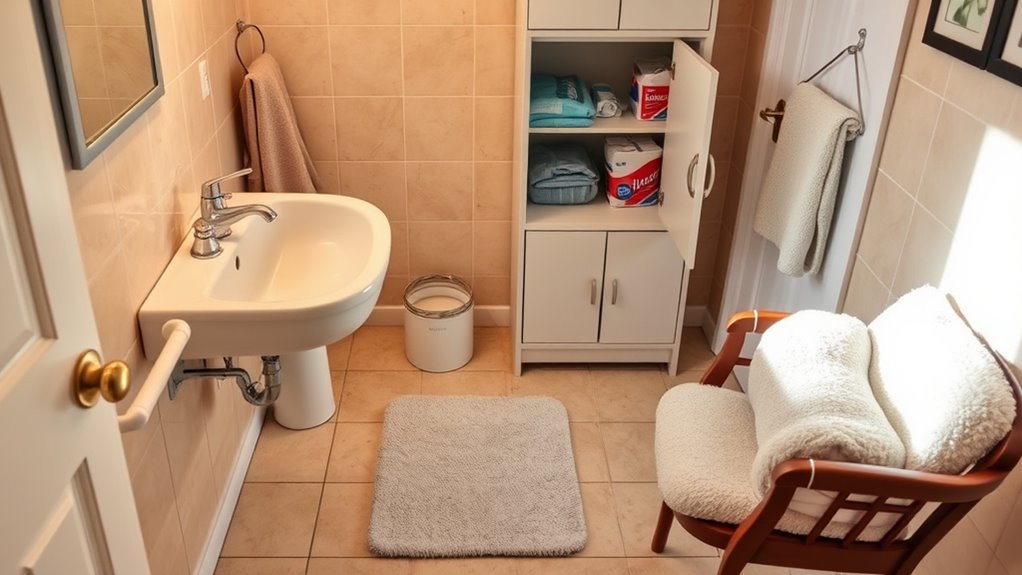
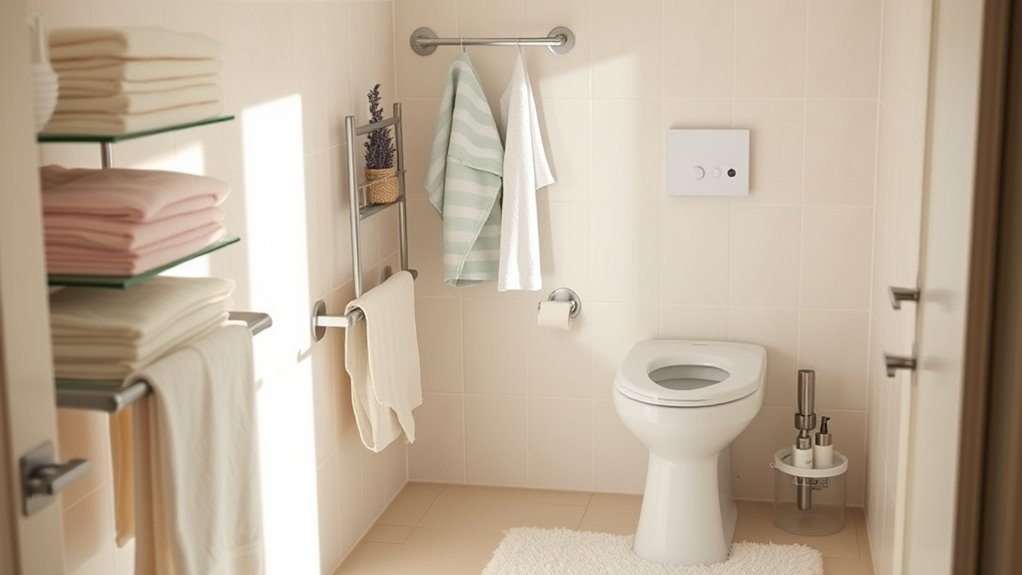
Have you considered how your home environment can support your incontinence management? Making your space accessible and comfortable is essential. Incorporate assistive technology like grab bars, raised toilet seats, and non-slip mats to enhance safety and independence. Ensure pathways are clear and well-lit to prevent falls and make mobility easier. Creating private, cozy spaces for emotional support can also boost your confidence and reduce stress. Keep necessary supplies within easy reach to promote convenience and reduce frustration. Removing clutter and organizing essentials not only improves accessibility but also helps you feel more in control. Additionally, incorporating visual cues can assist in navigating your space more confidently. A thoughtful setup fosters independence, minimizes anxiety, and makes managing incontinence more manageable within your daily routine.
Incorporating Gentle Exercises and Pelvic Floor Strengthening

Incorporating gentle exercises and pelvic floor strengthening into your routine can substantially improve bladder control and overall comfort. Kegel exercises are especially effective; they target your pelvic muscles, helping you gain better control over leaks. To do them, contract your pelvic muscles as if stopping urination, hold for a few seconds, then release. Incorporate these into your daily schedule for best results. Additionally, focus on core strengthening exercises—such as gentle planks or seated twists—to support your pelvic region and improve stability. Strengthening your core can reduce pressure on your bladder and enhance overall muscle coordination. Using portable medical devices can also assist in managing incontinence effectively. Consistency is key, so make these exercises a regular part of your routine. Over time, you’ll notice increased bladder control and a greater sense of confidence and comfort.
Frequently Asked Questions
How Can I Manage Incontinence During Travel or Outings?
When managing incontinence during travel or outings, pack essential travel accessories like discreet pads, waterproof bags, and extra clothing. Choose outfit choices that are comfortable and easy to change, such as elastic-waist pants or skirts. Plan bathroom breaks ahead of time and stay near restrooms. These strategies help you stay confident and comfortable, ensuring you enjoy your outing without stress or worry.
What Are Natural Remedies to Reduce Incontinence Symptoms?
You can try herbal remedies like ginger or ginseng, which may help improve bladder health. Additionally, making dietary adjustments such as reducing caffeine, alcohol, and spicy foods can lessen symptoms. Staying hydrated with water and eating fiber-rich foods support bowel health and reduce pressure on your bladder. These natural remedies, combined with healthy habits, might help you manage incontinence symptoms more effectively and comfortably.
How Do I Handle Incontinence Emergencies Discreetly?
Think of handling incontinence emergencies like a ninja swiftly moving through shadows. Keep discreet clothing nearby and quickly access emergency supplies—like wipes, liners, or a change of clothes—without drawing attention. When needed, find a private spot, use these supplies efficiently, and stay calm. This proactive approach helps you manage surprises discreetly, maintaining your confidence and dignity while handling the situation smoothly.
Can Incontinence Be Reversed or Cured at Home?
Incontinence can sometimes be improved or reversed through home treatment, especially if caused by temporary issues like infections or medication side effects. Reversal possibilities depend on the underlying cause; for example, managing a urinary tract infection may restore bladder control. You should consult your healthcare provider for personalized advice. With proper lifestyle changes, exercises, and treatments, you may see significant improvement, but complete reversal isn’t always guaranteed.
How Do I Address Emotional Well-Being Alongside Physical Management?
While managing your physical symptoms, don’t forget emotional well-being. You can boost mental health by seeking emotional support from loved ones or support groups, practicing mindfulness, and maintaining hobbies that bring joy. Acknowledging feelings of frustration or embarrassment helps reduce stress. Prioritize self-compassion and open communication, knowing that addressing mental health strategies alongside physical management creates a balanced approach, empowering you to face daily challenges with resilience.
Conclusion
By implementing these strategies, you’re building your own safety net—like a sturdy bridge over uncertain waters. Imagine Sarah, who thought her incontinence was unmanageable until she established a routine and made simple changes. Now, she feels more confident and in control every day. Remember, managing incontinence isn’t about perfection but progress. With patience and consistency, you’ll find your own steady path forward, turning daily challenges into manageable steps toward improved comfort and independence.
NFL season / tailgating Picks
team gear
As an affiliate, we earn on qualifying purchases.