
To create an effective emergency plan for care interruptions, start by identifying your loved one’s needs and support network, including key contacts and backup caregivers. Develop clear communication strategies, gather essential supplies, and prepare documents like medical records and legal forms. Practice emergency procedures regularly to build confidence. Keep your plan updated to reflect changing circumstances and guarantee everyone involved knows their roles. Continuing further will help you master each step for thorough preparedness.
Key Takeaways
- Assess care needs, identify hazards, and build a support network with prioritized emergency contacts.
- Develop and regularly update communication strategies, including emergency contact lists and alternative methods.
- Prepare emergency supplies, medications, and secure important documents for quick access during interruptions.
- Establish backup care arrangements and conduct drills to practice emergency procedures effectively.
- Review and update the emergency plan periodically to ensure ongoing relevance and preparedness.
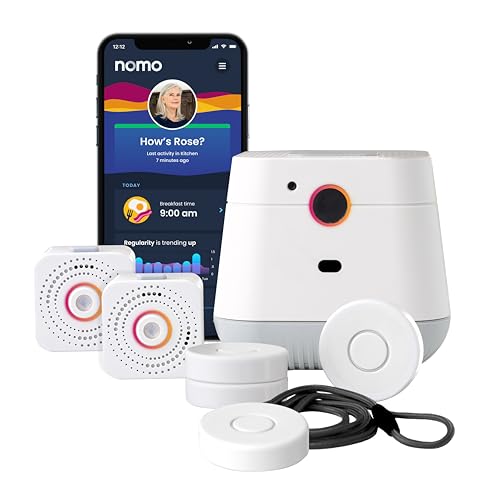
NOMO Smart Care Medical Alert System, Fall Detection for Seniors, WiFi in Home Monitoring Safety System, Emergency Call Button, Custom Fall Alert, Virtual Caregiver, 60-Day Trial, Monthly Subscription
NOMO SMART CARE ESSENTIAL KIT – A complete in-home monitoring safety system featuring a Smart Hub, two motion…
As an affiliate, we earn on qualifying purchases.
As an affiliate, we earn on qualifying purchases.
Assessing Your Care Needs and Risks

Understanding your care needs and risks is the crucial first step in creating an effective emergency plan. You need to evaluate your care environment and identify potential hazards that could disrupt your routine. Determine what supplies, medications, or specialized equipment are essential during an emergency. Consider how well your current setup supports your safety and comfort. Emotional preparedness is equally important; acknowledge your feelings and plan ways to stay calm and focused under stress. Recognize any specific risks related to your health condition or living situation, such as accessibility issues or medical dependencies. Additionally, exploring vetted portable medical devices and emergency supplies can help ensure you are prepared for unexpected care interruptions. By understanding these factors, you can develop a clear, tailored plan that addresses both practical needs and emotional resilience, ensuring you’re better equipped to handle unexpected care interruptions confidently.

BAND-AID Brand Travel Ready Portable Emergency First Aid Kit for Minor Wound Care, Perfect for Home, Car, Travel, Camping Essentials & Outdoor Emergency Kit, 80 Pieces
80-piece BAND-AID Brand Travel Ready First Aid Kit for on-the-go first aid and minor wound care, ideal for…
As an affiliate, we earn on qualifying purchases.
As an affiliate, we earn on qualifying purchases.
Identifying Key Contacts and Support Networks
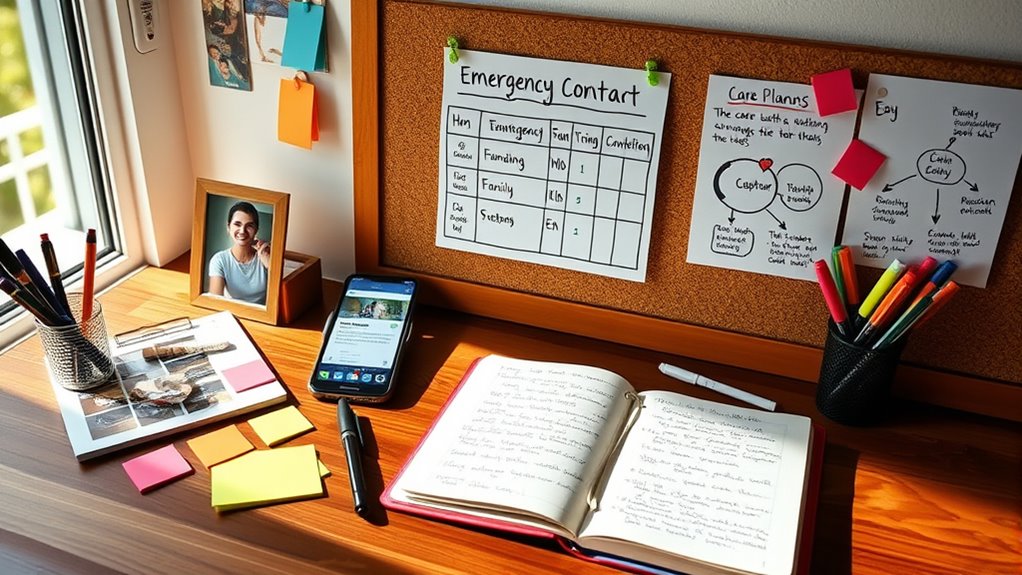
Building a trustworthy support network is essential for managing care interruptions effectively. Support network mapping helps you identify who can assist during emergencies, while key contact prioritization ensures you know whom to reach first. Start by listing contacts such as family, friends, neighbors, and healthcare providers. Use the table below to organize your support network:
| Contact Type | Priority Level |
|---|---|
| Family Member | High |
| Neighbor/Friend | Medium |
| Healthcare Provider | Low |
Focus on those who can respond quickly and reliably. Regularly update your contacts and prioritize them based on their availability and ability to help, ensuring your emergency plan remains practical and effective. Incorporating hydrocolloid patches into your skincare routine can also support skin recovery during care disruptions.
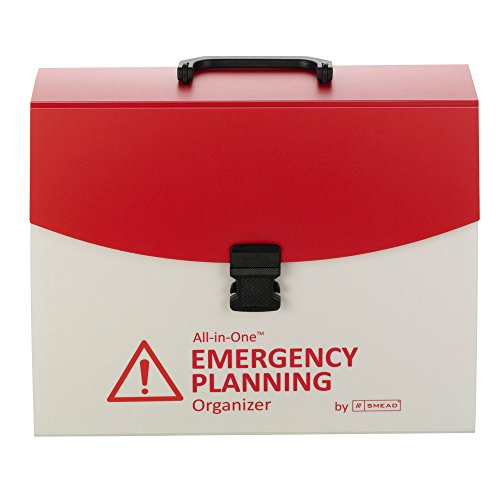
Smead All-in-One Emergency Planning Organizer, 13 Pockets, Letter Size, Latch Closure, Poly White/Red (92011)
Provides peace of mind in the event of an evacuation due to weather or environmental conditions
As an affiliate, we earn on qualifying purchases.
As an affiliate, we earn on qualifying purchases.
Developing a Communication Plan

To keep everyone informed during care interruptions, you need a solid communication plan. Make sure your emergency contact list is current, and consider alternative methods like texts or social media if phone lines fail. Remember to review and update your plan regularly to guarantee it stays effective. Incorporating reliable tools such as emergency communication methods can improve your response during unexpected situations.
Emergency Contact List
Creating an emergency contact list is a crucial step in developing a reliable communication plan for care interruptions. You need to compile all essential contacts, including family members, friends, neighbors, and healthcare providers. Make sure your list is clear, up-to-date, and easily accessible. Regularly review and update emergency contact information to guarantee accuracy, especially if phone numbers or addresses change. Effective caregiver communication depends on having this list ready, so everyone knows who to contact during an emergency. Keep multiple copies in secure, known locations, and share the list with trusted individuals involved in your care plan. This proactive approach minimizes confusion and delays, helping you respond swiftly and confidently when interruptions occur. Additionally, understanding the importance of emergency preparedness can enhance your overall response strategy.
Alternative Communication Methods
Have you considered how you’ll stay connected if your primary communication methods fail during an emergency? Preparing alternative communication methods guarantees you can reach caregivers or emergency services when needed. Here are four ways to strengthen your plan:
- Keep a list of communication devices, including assistive technology, that work without power.
- Use battery-powered or hand-crank radios to receive updates.
- Establish a backup messaging system, like text alerts or social media accounts.
- Learn basic sign language or visual signals as non-verbal options.
- Regularly review and detect passive voice in your communication materials to ensure clarity and immediacy.
Regular Plan Updates
Maintaining your communication plan requires regular updates to guarantee it stays effective during emergencies. You should review and revise your plan periodically to include new contact information for mental health providers and community resources. Update emergency contacts to reflect changes in family members, caregivers, or support networks. Incorporate current information on local mental health services and community resources available during crises. This ensures you can quickly access mental health support or community assistance when needed. Regular updates also help identify gaps in your communication methods, especially if certain channels become unreliable. Keep your plan accessible and ensure everyone involved knows how to use it. By staying proactive with updates, you’ll strengthen your ability to communicate effectively and safeguard care continuity during disruptions. Additionally, emphasizing up-to-date resources within your plan ensures you can leverage the most current support systems in times of need.

Smart Caregiver Pager System with 2 Call Buttons for Elderly Assistance, Fall Prevention, and Nurse Calling | Wearable Wireless Pager for Patient Help at Home | USA-Based Company and Customer Support
Call Button Alerts For Caregivers: Includes two alert buttons and a portable pager. The call buttons can be…
As an affiliate, we earn on qualifying purchases.
As an affiliate, we earn on qualifying purchases.
Preparing Emergency Supplies and Resources

Being prepared for care interruptions means gathering essential supplies and resources in advance. You need to guarantee you have what’s necessary to handle unexpected situations smoothly. Start with these key items:
- An emergency kit assembly, including first aid supplies, flashlights, batteries, and hygiene items.
- Medication stockpiling to prevent shortages during disruptions.
- Backup power sources like portable chargers or generators.
- Important documents, such as medical records and emergency contacts, stored securely.
- Maintaining a financial affidavit and other critical financial documents can facilitate quick access to resources and support during emergencies.
Establishing Backup Care Arrangements
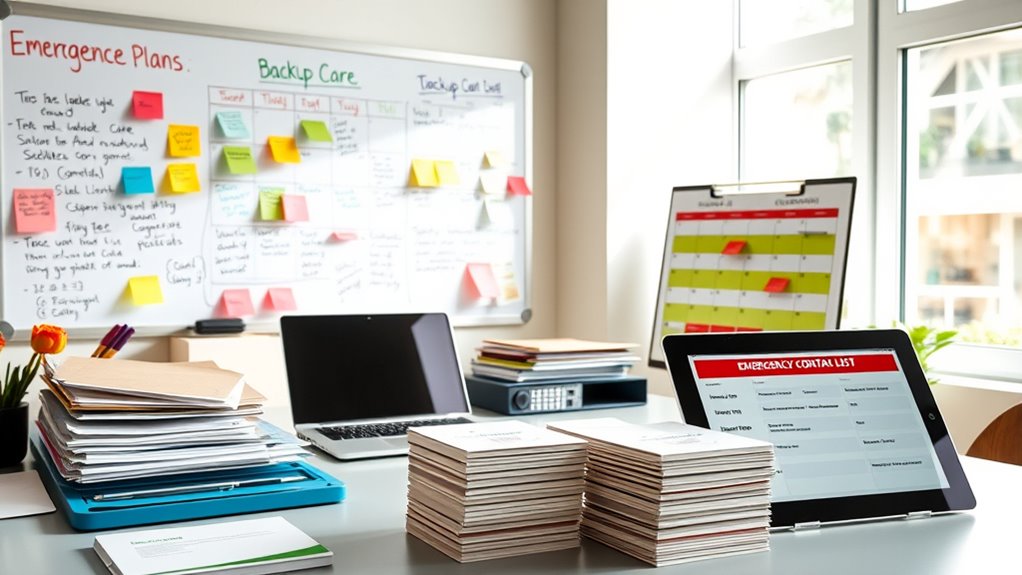
To guarantee care continues smoothly during emergencies, you need to establish backup care arrangements. This involves identifying reliable caregivers and coordinating emergency contacts so help is always available. Having these plans in place gives you peace of mind knowing help is ready when you need it most. Additionally, understanding pool safety protocols can help prevent emergencies from occurring in the first place.
Identifying Reliable Caregivers
When establishing backup care arrangements, finding caregivers who are dependable and trustworthy is essential. You need to prioritize caregiver reliability and make smart emergency caregiver selections. To do this effectively, consider these key factors:
- Verify references and past experience to assess trustworthiness.
- Conduct background checks to ensure safety.
- Test their responsiveness and communication skills.
- Assess their flexibility and willingness to step in on short notice.
Coordinating Emergency Contacts
Coordinating emergency contacts is a crucial step in establishing reliable backup care arrangements. You should communicate clearly with your family to guarantee everyone understands their role and how to reach each other quickly. Gather and update contact information for all trusted caregivers, including phone numbers, emails, and physical addresses. Make sure your emergency contacts are aware of your plans and know how to access your family communication network. Keep this information organized in a readily accessible place, such as a digital document or printed sheet. Regularly review and verify contact details to prevent outdated information from causing delays. Having accurate and current information is essential to respond swiftly during emergencies. With clear communication and accurate contact information, you’ll be better prepared to manage care interruptions efficiently and ensure your loved ones are always supported.
Documenting Important Medical and Personal Information

Having a clear record of your important medical and personal information is essential for guaranteeing your care continues smoothly during emergencies. It helps responders quickly understand your needs and prevents delays. To do this effectively, focus on these key areas:
- List your medications, dosages, and schedules to aid medication management.
- Keep copies of your legal documentation, such as powers of attorney and healthcare directives.
- Record allergies, sensitivities, and past medical procedures.
- Include personal details like emergency contacts, primary care provider, and any mobility or communication needs.
- Incorporate information about aquatic exercise routines or water-based therapies if applicable, to provide a comprehensive health overview.
Having this information organized and accessible ensures emergency personnel can deliver appropriate care swiftly and accurately, reducing confusion and risk during critical moments. Staying prepared with extensive documentation is a crucial part of your emergency plan.
Training and Practicing Your Emergency Plan

Practicing your emergency plan regularly is essential to guarantee you and your loved ones know what to do during a crisis. Simulation drills are a great way to test your plan’s effectiveness, helping everyone understand their roles and responsibilities. Incorporate scenario role playing to mimic real-life situations, which makes the practice more engaging and realistic. These exercises reveal potential gaps or confusion, allowing you to adjust your plan accordingly. Consistent practice builds confidence and ensures everyone stays calm and focused during actual emergencies. Remember, the goal is to make response actions second nature. By dedicating time to regular training, you prepare yourself and your loved ones to handle disruptions smoothly and efficiently when it matters most.
Reviewing and Updating Your Plan Regularly

Regularly reviewing and updating your emergency plan guarantees it remains effective and relevant as circumstances change. To keep it current, consider these steps:
Regularly review and update your emergency plan to ensure it stays effective and relevant over time.
- Schedule regular drill sessions to test your plan’s effectiveness.
- Gather feedback during these drills from everyone involved.
- Adjust procedures based on what you learn from feedback sessions.
- Update contact information and resource lists to reflect current availability.
Frequently Asked Questions
How Often Should I Review and Update My Emergency Plan?
You should review your care plan and emergency plan updates at least every six months. Regular care plan review guarantees your plan stays current with any changes in your situation. Additionally, update your emergency plan whenever there are significant life changes or new risks. Staying proactive helps you be prepared for unexpected interruptions, so make it a habit to check and revise your plans regularly to keep them effective and reliable.
What Legal Considerations Should I Be Aware of When Creating Backup Care?
You should guarantee your backup care plan meets legal compliance standards and addresses liability considerations. Consult local regulations and healthcare laws to avoid legal issues. Clearly document your plan, including caregiver agreements and emergency procedures, to protect yourself legally. Obtain necessary consents and keep records updated. By proactively addressing legal aspects, you minimize risks and ensure your backup care arrangements are both effective and compliant with applicable laws.
How Can I Involve Care Recipients in Emergency Planning?
You can involve care recipients in emergency planning by actively seeking their input and preferences. Encourage their emergency planning participation by discussing potential scenarios and listening to their concerns. Make sure they understand the plan and feel comfortable with the procedures. Include them in decision-making, ask for feedback, and tailor the plan to their needs. This approach guarantees they’re engaged, informed, and confident during emergencies, enhancing overall safety and reassurance.
What Resources Are Available for Emergency Planning for Specific Disabilities?
They say, “Knowledge is power,” and that’s true for disability-specific resources and emergency planning tools. You can find tailored resources from organizations like the CDC, local disability advocacy groups, and healthcare providers. Many offer detailed emergency plans, accessible communication guides, and specialized equipment checklists. Use these tools to prepare effectively, ensuring your care plan addresses your unique needs, so you’re ready for any situation.
How Do I Coordinate With Emergency Services During a Care Interruption?
To coordinate with emergency services during a care interruption, establish clear communication protocols beforehand. Share detailed information about your needs and specific disabilities, and keep emergency contacts updated. Use resource coordination to guarantee your support network and local agencies are aware of your plan. During an incident, stay calm, follow your established protocols, and communicate your needs promptly to emergency responders to ensure they can assist effectively.
Conclusion
By thoughtfully preparing your emergency plan, you create a safety net that gently catches you during life’s unexpected moments. Regularly reviewing and practicing your plan guarantees it remains a trusted companion, ready to support you when needed. Remember, a well-crafted backup not only safeguards your well-being but also offers peace of mind, allowing you to navigate uncertainties with confidence. Embrace this proactive approach, and let your plan be a quiet reassurance in times of change.